News
Government launches 3 new policies to speed up digital payments

The government has launched three new policy initiatives designed to deepen financial inclusion and accelerate digital payments in line with its vision of building a payment system that accelerates economic development.
The policies are National Financial Inclusion and Development Strategy, Digital FinancialServices Policy and Cash-Lite Roadmap.
Mr Ken-Ofori Atta, Minister of Finance launching the policies said “Digital payments help drive transparency, accountability, efficiency, as well as greater women’s participation in the economy. Moving away from cash helps our country advance towards achieving many of the Sustainable Development Goals.”
The National Financial Inclusion and Development Strategy, developed in collaboration with the World Bank, aims at increasing financial inclusion from currently 58 per cent to 85 per cent by 2023, helping create economic opportunities and reducing poverty.
The Digital Financial Services Policy, developed in partnership with CGAP, builds on existing technological gains to create a resilient, inclusive and innovative digital ecosystem that contributes to social development, a robust economy and a thriving private sector.
The Cash-Lite Roadmap, designed in collaboration with the United Nations-based Better Than Cash Alliance, puts forward concrete steps to build an inclusive digital payments ecosystem. This includes better access to financial services, enabling regulation and oversight, and promoting consumer protection.
According to the Finance Minister, “public and private sector actors need to work hand in hand, digitising in a responsible manner to turn these new policy initiatives into tangible benefits for all Ghanaians. These assertions are even more relevant in the era of the COVID-19 pandemic.”
In 2017, the Ghana Interbank Payment and Settlement Systems (GHIPPS) under the auspices of the Central Bank of Ghana, launched the Mobile Money Interoperability scheme to facilitate the simple and convenient movement of funds across mobile money platforms.
In November 2019, the Governor of the Bank of Ghana, Dr Ernest Addison, announced an initiative to pilot a Central Bank digital currency (CBDC) in a sandbox environment. This would foster competition, reduce the operational costs associated with cash and move the country closer to achieving its cash-lite objectives.
The Central Bank has also set up a Fintech and Innovation Office to drive the Bank’s Cash-lite, e-payments and digitisation agenda. Efforts at ensuring the development of the FinTech industry culminated in the establishment of the Ghana Chamber of Technology by industry players as its umbrella body. Among other things, the Chamber provides a forum for FinTechs and Payment Service Providers to share experiences and also serve as a single point of interaction with the Central Bank and key stakeholders.
Latest figures from GhIPSS show that the use of electronic payment channels that go through GhIPSS platform, went up by 81 per cent in the first quarter of this year compared to the same period last year.
According to Dr Ruth Goodwin-Groen, Managing Director of the United Nations-based Better Than Cash Alliance, “Ghana is already recognised as a global digital payments success story! We look forward to continuing working with our member, the Government, as well as with the private sector and international organisations, to accelerate the new ambitious cash-lite roadmap, in a way that is responsible and responsive to the needs of all Ghanaians.”
BY TIMES REPORTER


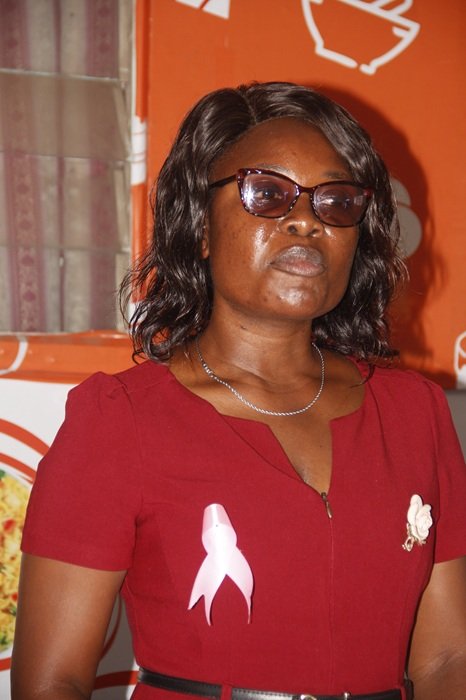
Medical Doctor and dietician, Dr Bernice Korkor Asare, has urged women to take greater responsibility for their lifestyle choices, particularly their eating habits and levels of physical activity, to help reduce their risk of developing breast cancer.

According to her, although, some breast cancer risk factors, such as family history and certain reproductive factors, may not be within an individual’s control, lifestyle choices offer an opportunity for people to take preventive action.
She made this known during a talk on the topic: “Role of diet in breast cancer prevention” organised by Times Ladies Association of the New Times Corporation, publishers of The Ghanaian Times and The Spectator, in Accra on Thursday.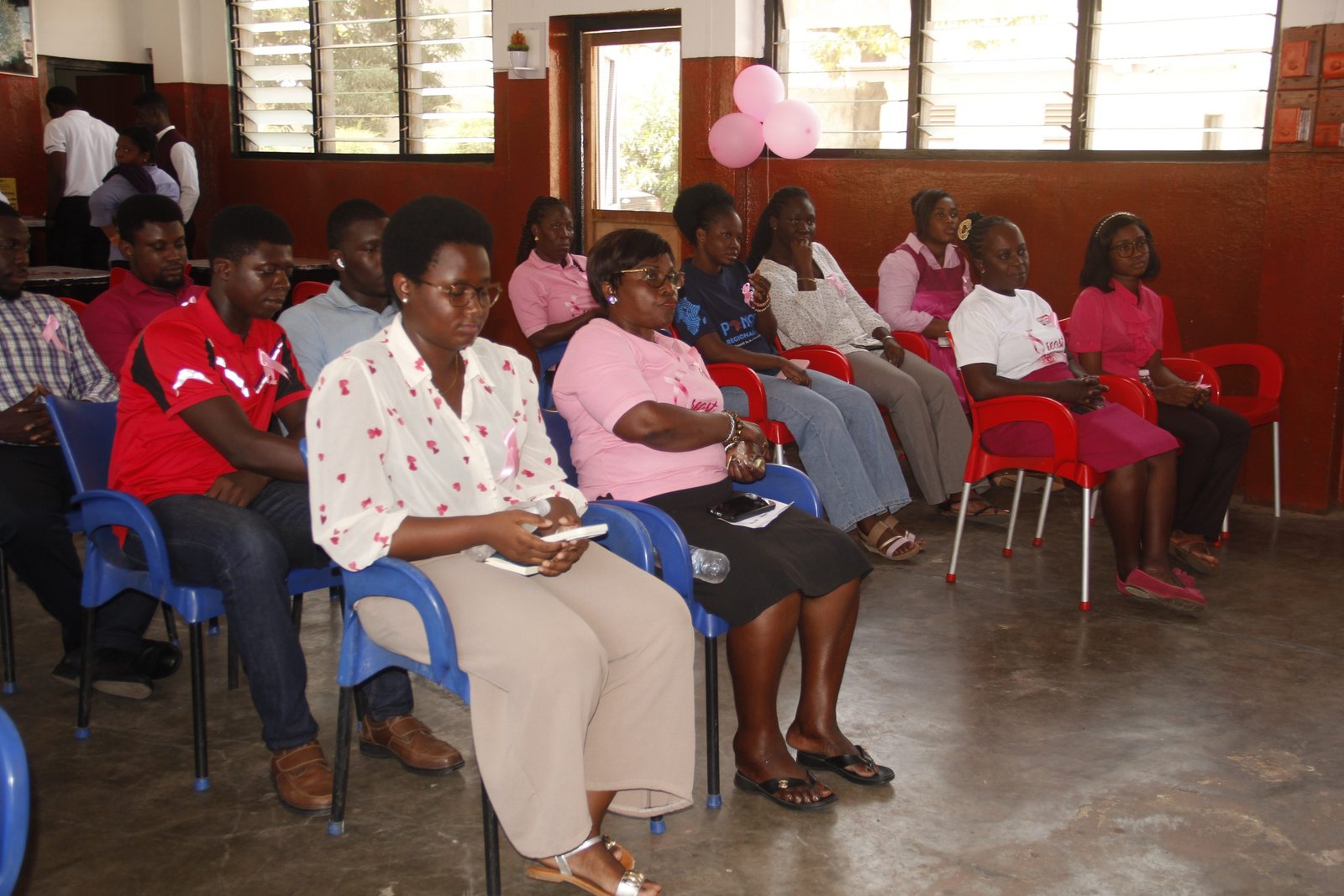
The event themed “Breast Cancer Awareness- Promoting Early Detection, Healthy Eating and Prevention.” 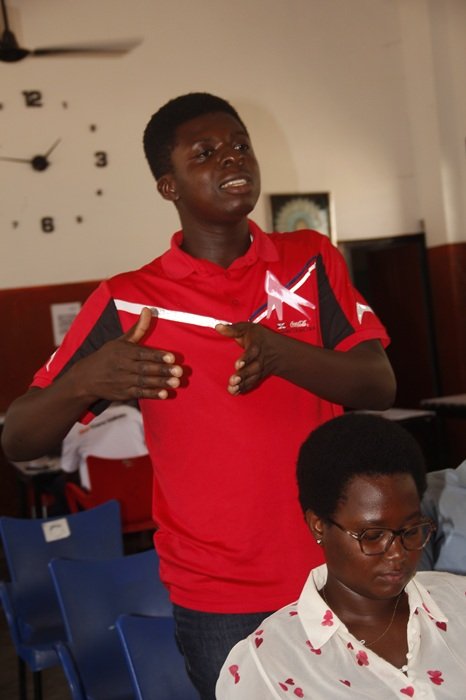
She noted that having a risk factor did not automatically mean a person would develop breast cancer, but could increase the likelihood of developing the disease compared with someone without that particular risk factor.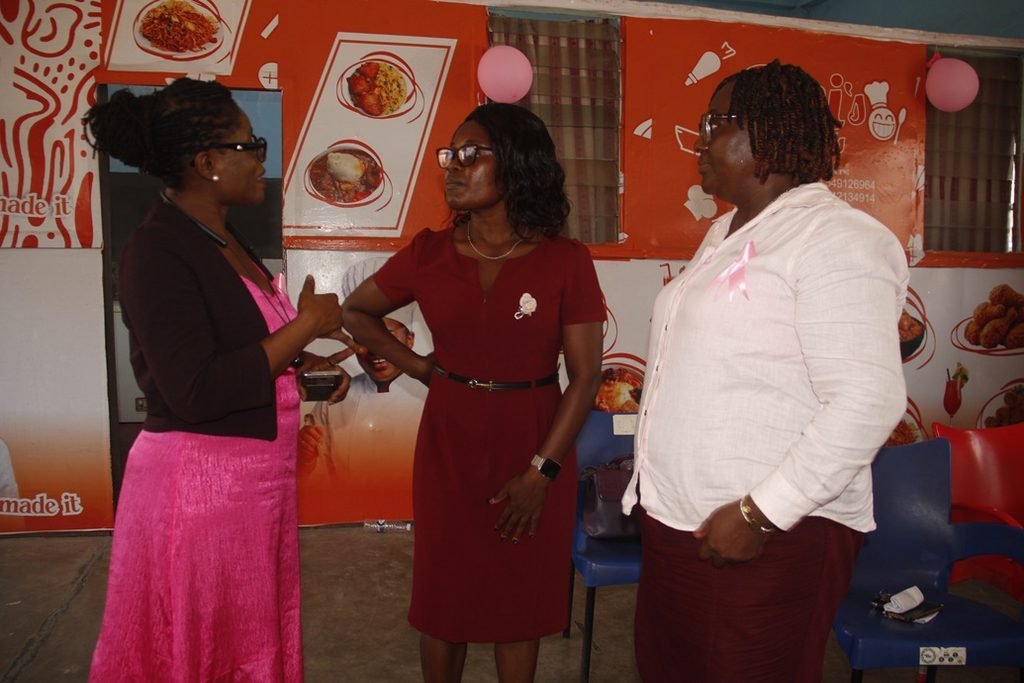
“Having close relatives who have had breast cancer, particularly a mother, sister or daughter, may increase the risk, although not everyone with a family history will develop the disease,” Dr Asare opined. Read More.
By Adizatu K. Munkaila
SKIP THE QUEUE, TAP THE NEWS
Read Daily News
You can now read the Ghanaian Times and The Spectator newspapers from the comfort of your device via TimesNewsPlus.
Buy Maps
Join our WhatsApp Channel: https://whatsapp.com/channel/0029VbBElzjInlqHhl1aTU27

A group of compassionate friends from Innovation Gospel Impact last Friday visited the management, teachers and learners of the Street Academy in Accra.
The visit was to interact to get a deeper insight into the operations of the Academy that houses hundreds of street and underprivileged children and find ways to support them.
The team was led by Rev. Dr Isaac Apenteng Yeboah, a former Director for West African Mailbox Club and Director for Prisons Support Foundation, and Rev. Dale Sutherland from Washington DC.
The call, according to the visitors was occasioned by reports about the struggles of the Academy despite the occasional support it enjoys from individuals and some corporate entities.
Briefing them, the Founder and Executive Director of the Academy, Dr Ataa Lartey, thanked them for the concern showed, indicating that “this is a major boost for both teachers and learners; knowing that their plight is known by people outside their premises.”
According Dr Lartey, the Academy had planned to undertake a number of project to enhance teaching and learning and also procure facilities for the children with keen interest in sports but had to shelve those plans for lack of finance.
He told the team that their biggest concerns were the monthly utility bills that takes a toll on their finances.
“We have a piece of land we planned to turn into an astro turf pitch to train the younger ones whose interests lies in making a career out of football, however, we have been unable to commence because there is no money now,” he said.
Dr Lartey expressed gratitude to the teachers who have dedicated their lives to training these children, rather than going for well-paying jobs and hoped that with time, their conditions of engagement would improve.
Moved by the plight of the Academy, the group donated a cash amount of Gh₵3,000 to settle its water bills.
They described as unfortunate the conditions of learners and teachers of the Academy and pledged to continuously support their operations to realize the dream to build a better future for the unfortunate children.
The group offered to support the school with its monthly utility bills, feeding and staff allowance and urged the Academy staff to remain in constant touch with them.
The Street Academy is located at the Accra Art Center and offers brilliant but needy the chance to pursue their educational dreams by enrolling them in public schools with others offered training in sports and cultural activities.
By Spectator Reporter
SKIP THE QUEUE, TAP THE NEWS
You can now read the Ghanaian Times and The Spectator newspapers from the comfort of your device via TimesNewsPlus.
Join our WhatsApp Channel: https://whatsapp.com/channel/0029VbBElzjInlqHhl1aTU27