News
GHS launches 2026 Mass Drug Administration campaign


The Ghana Health Service (GHS) has launched its 2026 Integrated Mass Drug Administration (MDA) Campaign, targeting about 6.7 million people as part of efforts to eliminate Neglected Tropical Diseases (NTDs) in the country by 2030.
Launching the campaign in Accra, the Director-General of the Service, Dr Samuel Kaba Akoriyea, said the exercise, scheduled from June 20 to July 3, would focus on the prevention and control of Onchocerciasis (river blindness), Lymphatic Filariasis (elephantiasis) and Schistosomiasis (bilharzia) in endemic communities.
He said NTDs continued to affect vulnerable populations, causing disability, stigma, suffering and loss of productivity, and therefore required sustained interventions and community support.
Dr Akoriyea noted that Ghana had made remarkable progress in the fight against river blindness and elephantiasis through years of mass drug administration and community-based interventions.
According to him, although 149 districts were previously endemic for river blindness, interventions introduced since 1997 had reduced the number requiring treatment to 86 districts.
He added that transmission of Lymphatic Filariasis had been interrupted in 114 out of 117 endemic districts, leaving only three districts requiring continued intervention.
He explained that treatment for Lymphatic Filariasis would target about 266,000 people, while community-wide treatment for Schistosomiasis would be conducted in 13 districts across eight regions, reaching more than one million people.
Dr Akoriyea urged community leaders, parents, teachers, religious leaders and the media to support public education efforts and encourage participation in the exercise, stressing that the medicines were safe, effective and would be administered free of charge by trained health workers and community volunteers.
He further expressed appreciation to development partners, including WHO and Sightsavers, as well as health workers, volunteers and other stakeholders for their continued support in Ghana’s fight against neglected tropical diseases.
The National Programme Officer for Neglected Tropical Diseases at the World Health Organisation (WHO), Madam Felicia Owusu-Antwi, reaffirmed the organisation’s support for Ghana’s NTD elimination agenda.
She said WHO, through its Expanded Special Project for Elimination of Neglected Tropical Diseases (ESPEN), continued to provide technical and operational support to Ghana, including disease mapping, medicines management, supply chain coordination and programme reviews.
Madam Owusu-Antwi stressed that the success of the campaign depended largely on community participation and high treatment coverage, urging the media to intensify public education in order to ensure that eligible persons took part in the exercise.
She also underscored the importance of water, sanitation and hygiene in controlling NTDs, noting that medical interventions alone could not eliminate the diseases.
The Programme Manager of the Neglected Tropical Diseases Programme of the GHS, Mr Joseph Kwadwo Opare, appealed to the government to increase funding support for the control and elimination of NTDs.
According to him, the changing global funding landscape made it necessary for government to commit more resources to sustain gains made in the fight against the diseases.
Mr Opare said children under five years, infants less than one month old and persons who were seriously ill would not be eligible to receive the medicines during the exercise.
By Esinam Jemima Kuatsinu








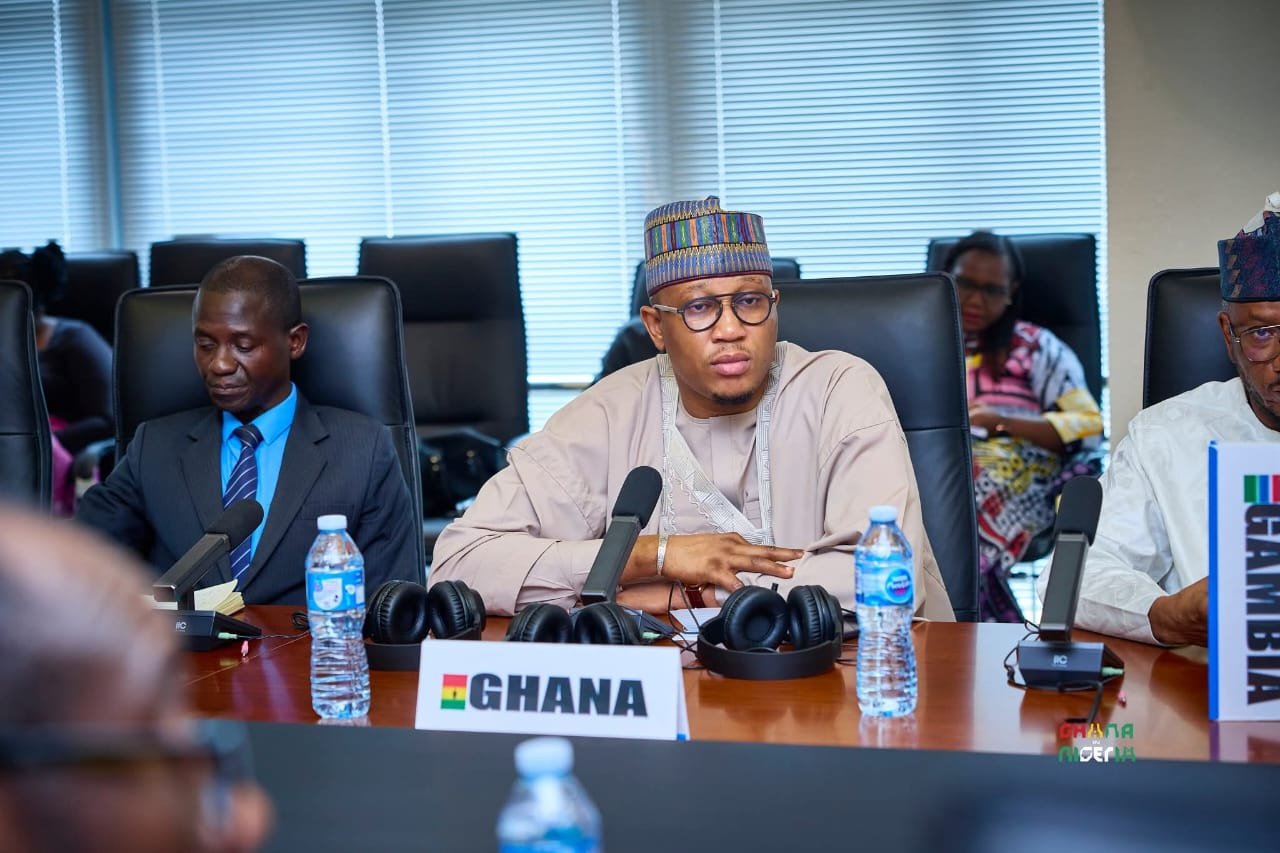
The Ghana High Commission in Abuja, Nigeria, is appealing to the public to help trace the relatives or next of kin of Apia Solomon, a Ghanaian national believed to be from Osu, Accra.
According to a public announcement by the High Commission, Mr. Solomon, born on March 6, 1960, in Accra, died on July 5, 2021, from cardiopulmonary failure.
He worked as a temporary civilian staff member at the National Defence College in Nigeria. His remains are currently being kept at the Nigerian Air Force Hospital morgue in Abuja, pending burial arrangements.
The High Commission says efforts to locate his relatives have so far been unsuccessful and is urging anyone with information about his family, friends or next of kin to come forward.
Anyone with relevant information is encouraged to contact the Ghana High Commission in Abuja.
By: Jacob Aggrey
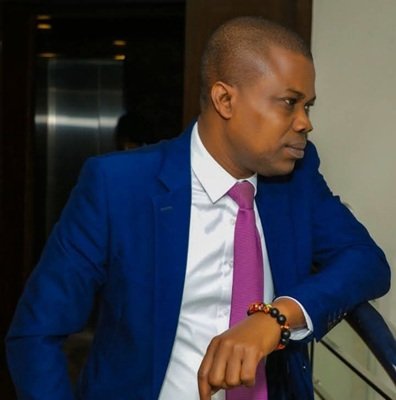
Security consultant Richard Kumadoe has blamed what he describes as flawed recruitment and incomplete background checks for some of the problems facing the Bureau of National Intelligence (BNI).
He has called on the leadership of the BNI to review the backgrounds of officers recruited during specific periods, particularly those who entered the agency under recent recruitment processes.
Speaking on the issue on TV3 yesterday, Mr Kumadoe alleged that some individuals were recruited into the intelligence agency without proper background checks and completed vetting.
“Certain categories of persons were dumped into the BNI, whose backgrounds were not checked, and whose vettings were not completed,” he stated.
He said some of the officers linked to the concerns appeared to have been recruited within the same period, making it necessary for the agency to examine the recruitment records and backgrounds of those who joined during that time.
Mr Kumadoe argued that the problems could be addressed by ensuring that recruitment procedures were properly followed and that all applicants underwent the required checks before being employed.
According to him, when the selection process is flawed, it can lead to problems within the institution.
He blamed the politicisation of security institutions, arguing that appointing people without the necessary intelligence experience and allowing political interests to influence recruitment could undermine their operations.
“When you have a selection procedure that was flawed because you politicised the place, brought in people to come and head the place when they have no business being there, they don’t know anything about being a BNI officer, they are not intelligence officers, and you flood the place with politicians and political artists, then you circumvent the standard procedure and you are going to have some of these problems,” he said.
Mr Kumadoe, however, defended the current leadership of the BNI, arguing that efforts to address longstanding problems within security institutions could bring such issues to light.
He said the leadership should be assessed in the context of the steps it is taking to improve the agency’s operations and uphold professional standards.
Drawing on his own experience in the intelligence field, he said the opportunity to serve under experienced officers had helped him develop the skills and integrity needed to contribute to national security.
By: Jacob Aggrey