Hot!
Ghanaian trained doctors are exceptional – Prof Jectey Hesse

- /home/u249204778/domains/spectator.com.gh/public_html/wp-content/plugins/mvp-social-buttons/mvp-social-buttons.php on line 27
https://spectator.com.gh/wp-content/uploads/2023/02/Prof-2.jpg&description=Ghanaian trained doctors are exceptional – Prof Jectey Hesse', 'pinterestShare', 'width=750,height=350'); return false;" title="Pin This Post">
- Share
- Tweet /home/u249204778/domains/spectator.com.gh/public_html/wp-content/plugins/mvp-social-buttons/mvp-social-buttons.php on line 72
https://spectator.com.gh/wp-content/uploads/2023/02/Prof-2.jpg&description=Ghanaian trained doctors are exceptional – Prof Jectey Hesse', 'pinterestShare', 'width=750,height=350'); return false;" title="Pin This Post">
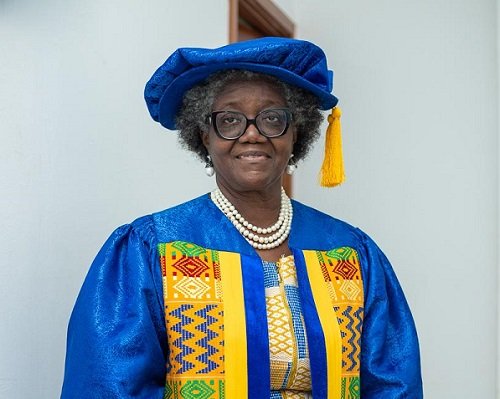
● Prof Jectey Hesse
The President of Accra College of Medicine, Prof Afua Adwo Jectey Hesse, has described the quality of medical training in Ghana as excellent, compared with what pertained in some countries.
According to her, “medical doctors in Ghana are trained in all the disciplines in medicine, after which they do their housemanship in Internal Medicine, Surgery, Child Health, Obstetrics and Gynaecology. After the completion of the housemanship, a doctor chooses a post-graduate programme in a particular discipline.”
Prof Jectey Hesse said doctors in Ghana were trained to become Primary Health Care Practitioners, and this had enabled them to take care of a good range of diseases in the country.
Speaking in an interview with The Spectator, she said the rigorous medical training package in the country was what had made Ghanain doctors to be in high demand outside the country because of the experience they had gained at the lower level, as compared with doctors trained in many places outside the country.
According to her, some medical students trained outside Ghana, for example, were not allowed to touch their patients during the clinical period.
She said one would realise that their training was basically theoretical.
“How can you do your clinical training for three years without touching a patient?, she asked rhetorically.
She advised parents to desist from compelling their children to read medicine and other courses against their wish or beyond their capabilities because all children were not endowed in the same way.
Prof Hesse advised students, especially those who read General Science at the Senior High School but could not gain admission to read medicine, not to lose hope but persevere in their studies, and better their grades, adding that medicine could be read after the first degree provided one was determined and remained focused.
“Get the skills and competences which will make you to become a good doctor. We have doctors who are reading law, agronomy and studying for post- graduate programmes in Information Communication Technology (ICT), developing apps to come out with innovations to aid in the field of medicine,” she advised.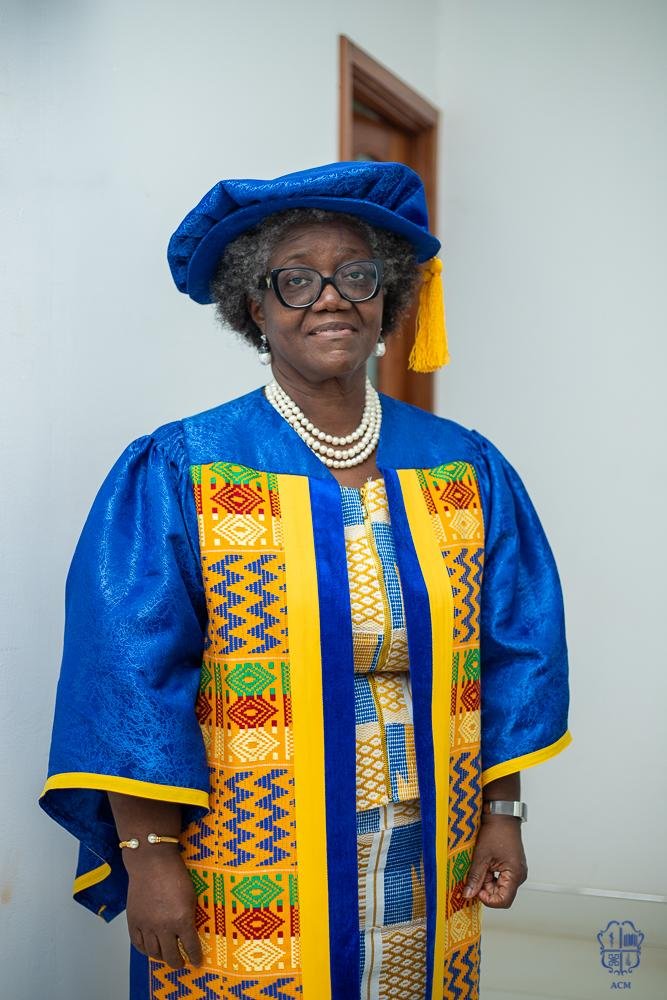
Prof Jectey Hesse said a survey conducted by the Public Sector a couple of years ago had revealed that it cost at least an equivalent of $15.000.00 to train a medical student a year in Ghana.
She explained that in public institutions, the government in particular and often with the assistance from corporate bodies, took care of tuition, facilities, equipment and everything which were involved in the training of students.
Even though invariably due to the large numbers of students admitted to the public institutions, the facilities and trainers could not keep pace with the numbers.
She said, unfortunately, the private institutions had to do everything by themselves without any assistance from even corporate bodies.
She had advocated the establishment of a dedicated Children’s Hospital in the country which would be equipped with all the facilities to facilitate the full range of disciplines and treatment for children.
She indicated that three theatres which were refurbished at the Paediatric Block of the Korle-Teaching Hospital were over stretched because of the increasing number of patients these days.
By Raymond Kyekye


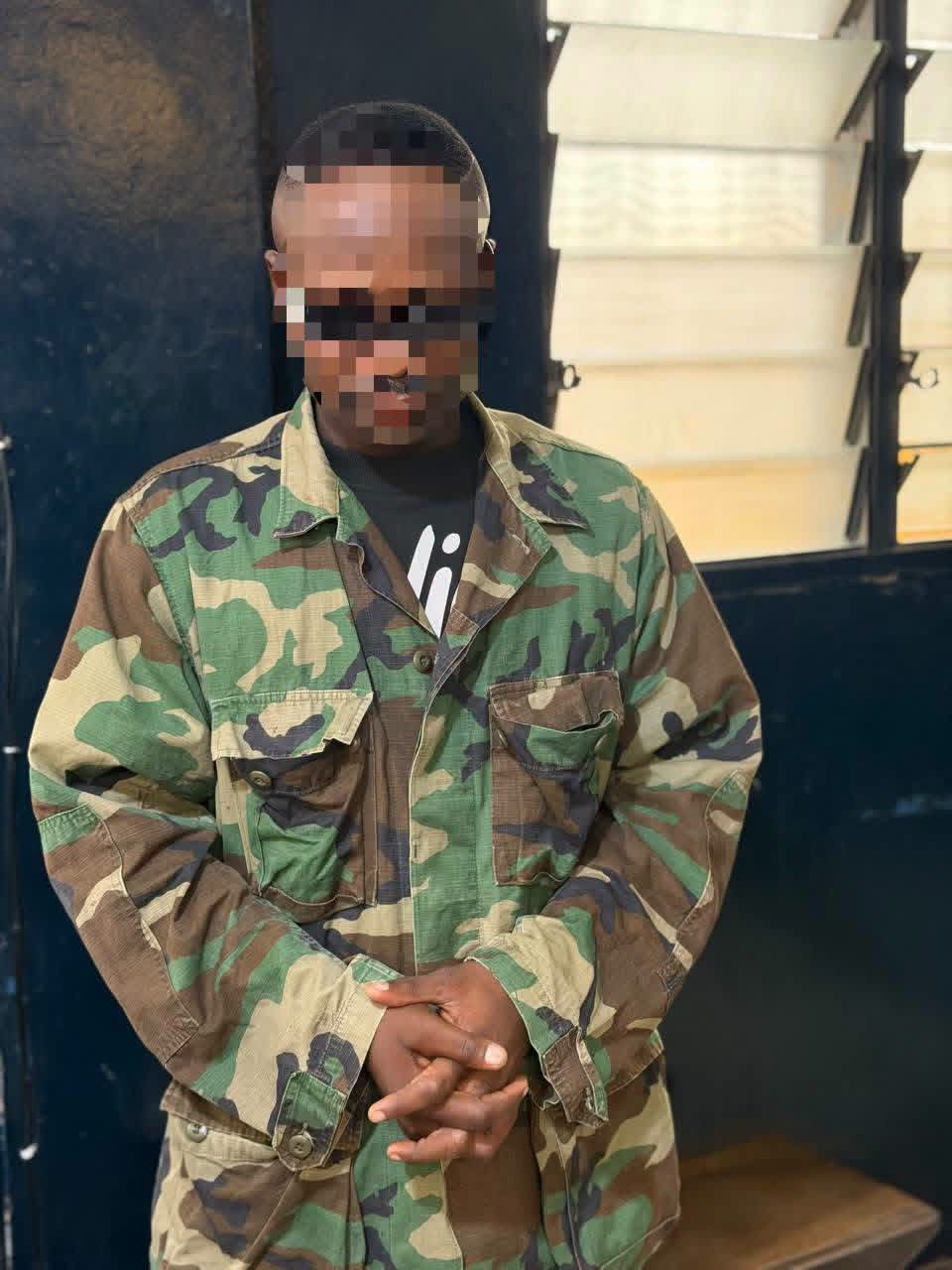
The Tema Regional Police Command has arrested a 32-year-old man for allegedly posing as a soldier and extorting money from unsuspecting members of the public at Ashaiman.
The suspect, identified as Bright Atsu Kudiabor, was arrested by the Ashaiman Police on Wednesday, September 16, 2026, at about 7:00 a.m.
According to the Police, he was arrested at an area known as “I Shall Return”, where he was allegedly parading himself as a soldier and demanding money from people.
The Police said Kudiabor, who is an ex-convict, was initially arrested by personnel of the Ghana National Fire Service in Ashaiman with assistance from other members of the public.
A search conducted on him after he was handed over to the Police reportedly led to the recovery of a set of military camouflage uniform.
The suspect is currently in Police custody and assisting with investigations.
The Tema Regional Police Command said he would be processed for court after investigations are completed.
The Police urged the public to remain vigilant and report anyone who falsely presents themselves as a soldier or a member of another security agency to deceive or extort money from the public.
By: Jacob Aggrey
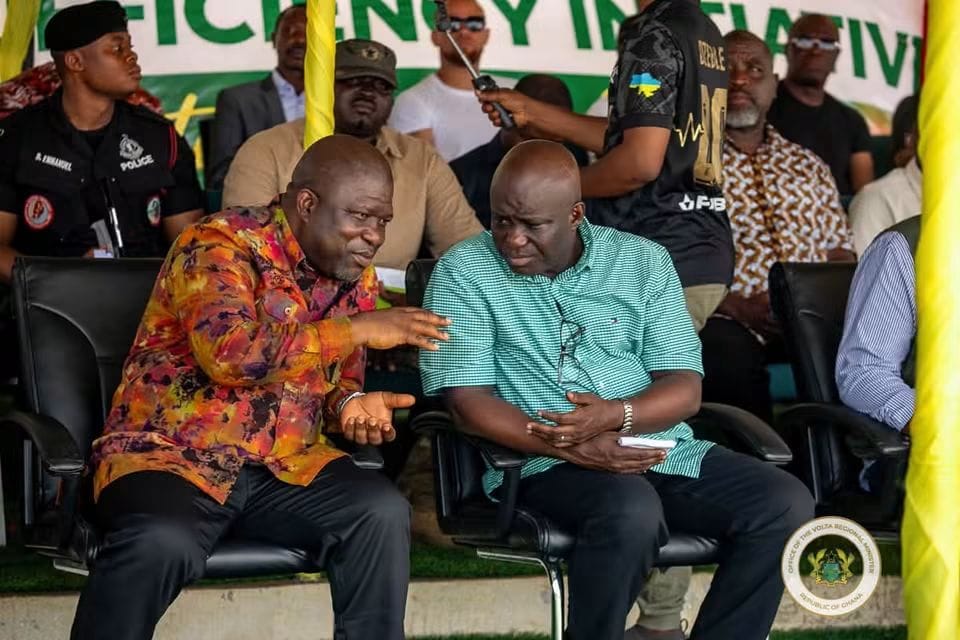
Volta Regional Minister, James Gunu, says the Volta Region holds enormous agricultural potential and efforts must be geared towards connecting farmers to the needed resources to unlock that potential.
He said focus must be on linking farmers to resources, technology, financing and markets to increase production, create jobs and build sustainable livelihoods.
Hon. Gunu made the remarks at the national launch of the Ghana Tomato Self-Sufficiency Initiative (GHATSI) held at Anloga in the Volta Region on Tuesday, September 15.
The initiative, under the theme “Produce at Home. Feed the Nation. Export the Surplus,” seeks to boost local tomato production, processing and marketing while reducing Ghana’s heavy reliance on imported tomatoes.
The launch was attended by the Minister for Food and Agriculture, Eric Opoku, his Deputy, John Setor Dumelo, Feed Ghana Coordinator, Bright Demordzi, Members of Parliament, traditional leaders, MMDCEs, farmers and other stakeholders.
Mr.Gunu expressed appreciation to the Minister for Food and Agriculture for the support announced for the region, including two excavators, 200 cartons of organic fertiliser, and GH¢200,000 for Ms. Kuatudzo Esther Dela, a tomato farmer and processor from Ziope.
He described the initiative as an important step towards making agriculture a stronger driver of food security, job creation and economic growth in the Volta Region.
By Edem Mensah-Tsotorme