News
2026 WISA Festival climaxes with call for greater investment in women empowerment

- /home/u249204778/domains/spectator.com.gh/public_html/wp-content/plugins/mvp-social-buttons/mvp-social-buttons.php on line 27
https://spectator.com.gh/wp-content/uploads/2026/05/WhatsApp-Image-2026-05-22-at-08.38.54.jpeg&description=2026 WISA Festival climaxes with call for greater investment in women empowerment', 'pinterestShare', 'width=750,height=350'); return false;" title="Pin This Post">
- Share
- Tweet /home/u249204778/domains/spectator.com.gh/public_html/wp-content/plugins/mvp-social-buttons/mvp-social-buttons.php on line 72
https://spectator.com.gh/wp-content/uploads/2026/05/WhatsApp-Image-2026-05-22-at-08.38.54.jpeg&description=2026 WISA Festival climaxes with call for greater investment in women empowerment', 'pinterestShare', 'width=750,height=350'); return false;" title="Pin This Post">
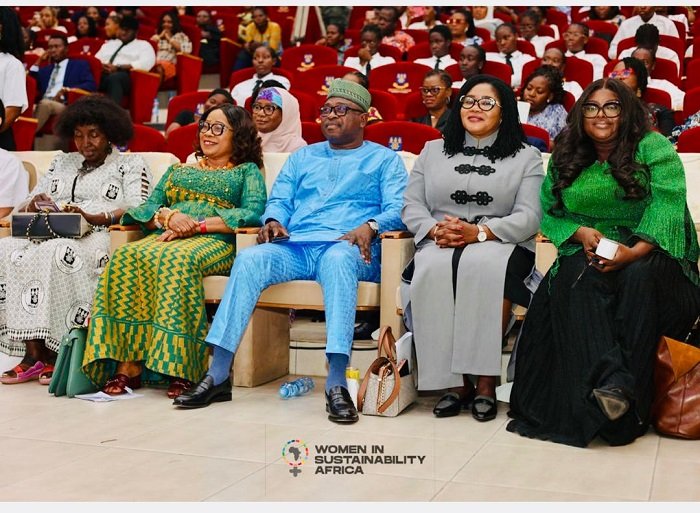
The 2026 Women in Sustainability Africa (WISA) International Festival has ended with strong calls for greater investment in women empowerment, sustainable development, and stronger collaboration between men and women to drive Africa’s economic growth.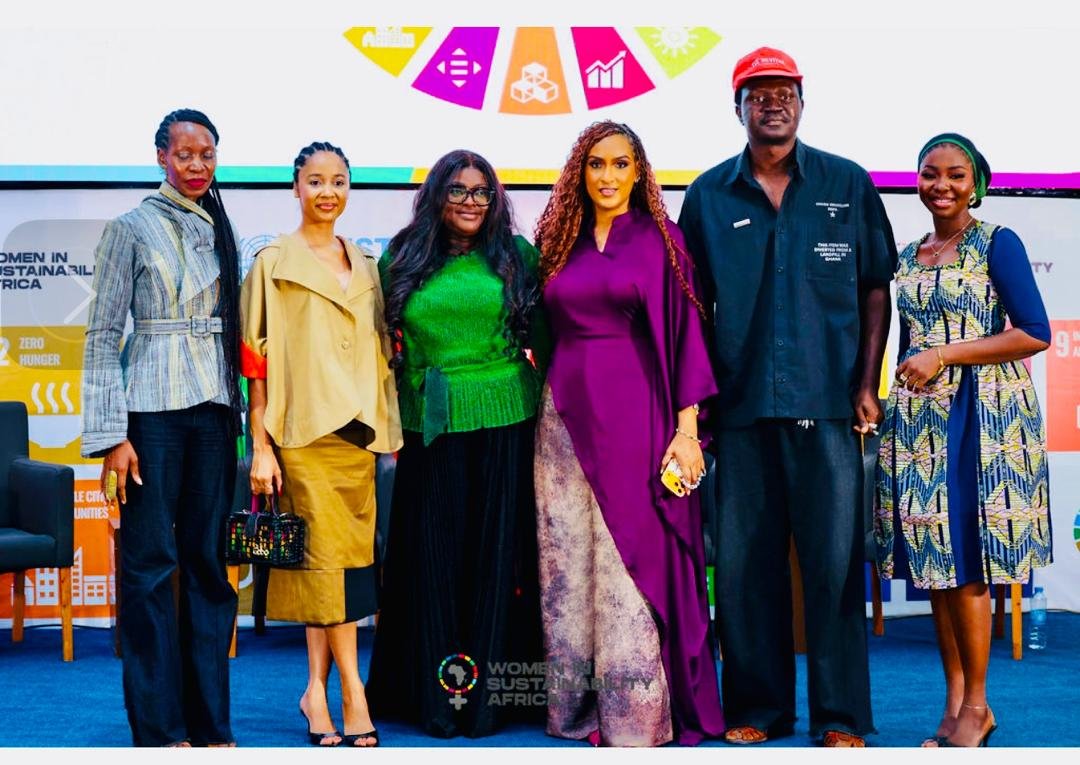
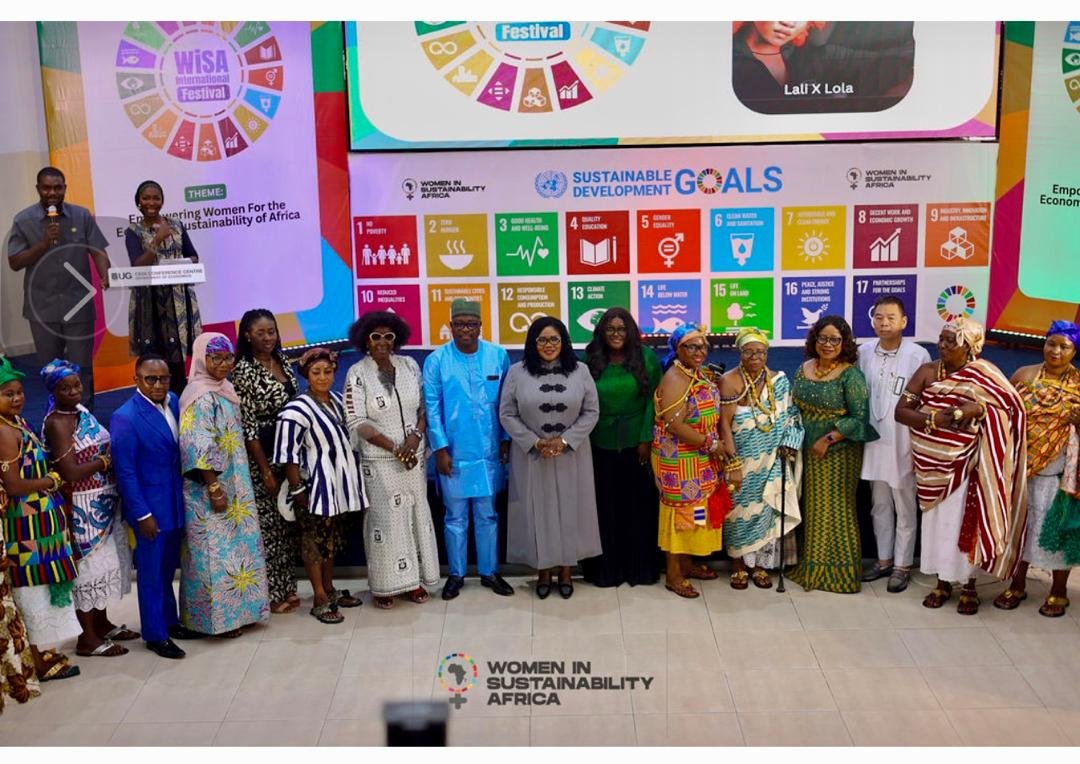
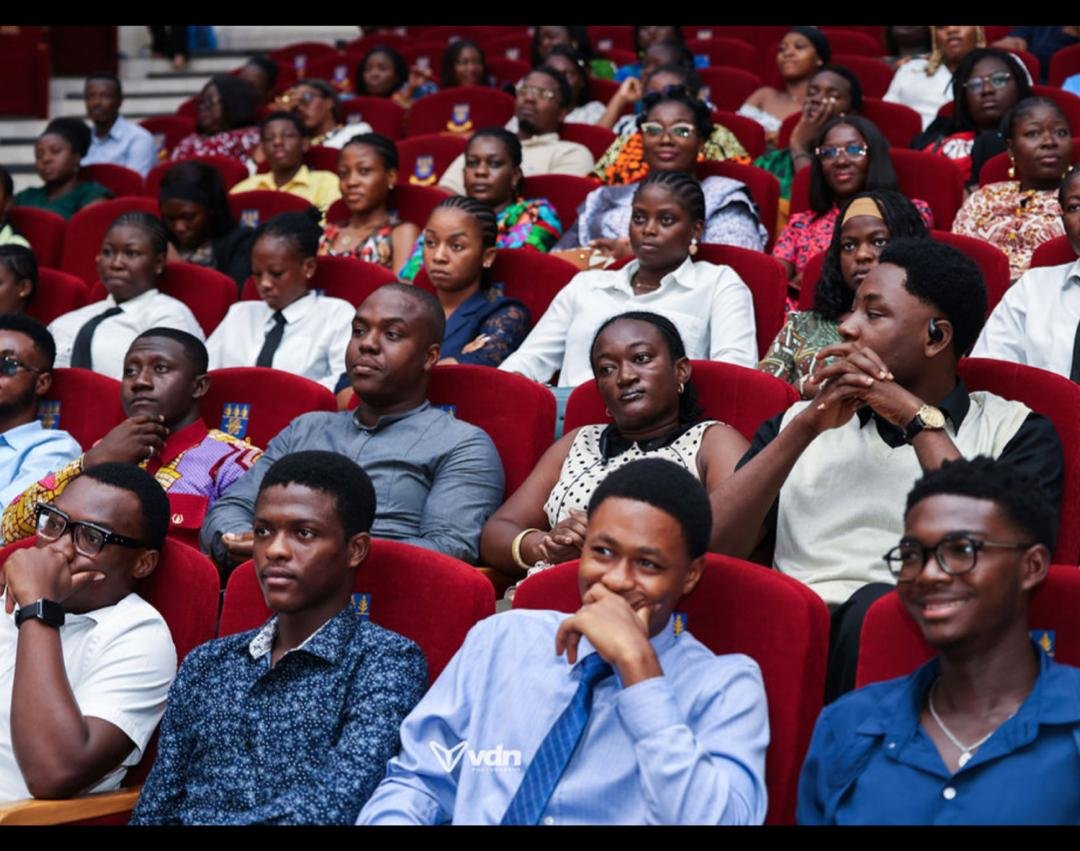
The event, held at the Cedi Conference Centre of the University of Ghana in Accra on May 1,2026 brought together government officials, development partners, civil society groups, traditional leaders, students, and women-focused organizations to discuss the role of women in sustainability and economic transformation across Africa.
Speaking at the festival, Founder and President of WISA, Rev. Nana Yaa Serwaa Sarpong, described the event as successful, adding that the vision of the organization was gradually becoming a reality.
She said the festival created an opportunity for people to share ideas on how women could take leading roles in building a sustainable future for Africa.
Rev. Sarpong noted that speakers from different sectors, including representatives from the United Nations, participated in the programme either physically or virtually.
She praised the large number of men who attended the event, stressing that women could not close the gender gap alone.
According to her, men and women must work together to achieve true gender equality and sustainable development.
She explained that WISA was not only focused on organizing conferences and festivals but was also developing projects in agriculture, energy, education, and the circular economy.
Rev. Nana Yaa Sarpong said the organization had already prepared business plans for several self-sustaining projects but lacked the financial support needed to fully implement them.
“What we need now is funding, partnerships and collaborations so we can reach more women and bring more women into sustainability,” she said.
She announced that the WISA International Festival would now be held every May 1, to recognize the contributions of women to national and continental development.
Touching on gender equality in Ghana, Rev. Sarpong said the country had made progress, especially with the election of the first female Vice President.
She said the development had shown many people that women were equally capable of occupying top leadership positions.
The Minister for Gender, Children and Social Protection, Dr.Naa Momo Lartey, said empowering women was important for inclusive growth, poverty reduction, and national development.
She said the government of John Dramani Mahama remained committed to improving the lives of women through policies and social intervention programmes.
The minister highlighted the implementation of the Affirmative Action Act and the National Gender Policy 2025–2034 as major steps toward promoting equal opportunities for women.
She spoke about the Livelihood Empowerment Against Poverty (LEAP) programme, saying a recent reassessment showed that many beneficiary households had experienced improvements in their living conditions.
According to her, government was introducing transition support systems to help families leaving the programme achieve economic independence.
The minister further stated that women had benefited from training programmes in agribusiness, renewable energy, and waste management to strengthen their participation in the green economy.
She praised Vice President Naana Jane Opoku-Agyemang for supporting the establishment of the Women’s Development Bank, which she said would improve women’s access to loans, technology, skills, and markets.
The Climate Change Minister, Seidu Issifu in his address said women empowerment was necessary for Africa’s economic sustainability and climate resilience.
He stated that women continued to play important roles in agriculture, natural resource management, and community development but still faced challenges such as limited access to finance and leadership opportunities.
Mr. Issifu said the government had allocated GH¢400 million in the 2026 budget toward the establishment of the Women’s Development Bank.
He called for stronger collaboration among governments, civil society organizations, development partners, and the private sector to support women-led businesses and sustainable development initiatives.
The minister pledged support for the proposed WISA Resource and Research Centre, which he said would help promote research and evidence-based policymaking on sustainability issues.
Background
Women in Sustainability Africa (WISA) is an organization that promotes women’s participation in sustainability, climate action, economic empowerment, leadership, and development across Africa through partnerships, advocacy, research, and community-based projects.
By: Jacob Aggrey

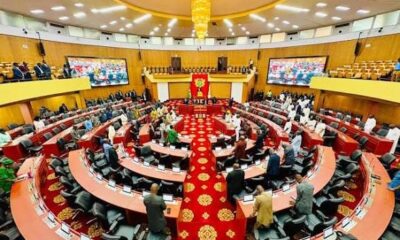



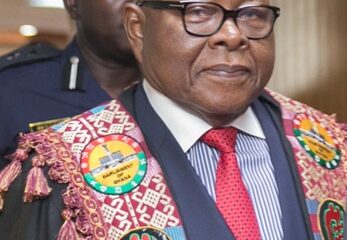



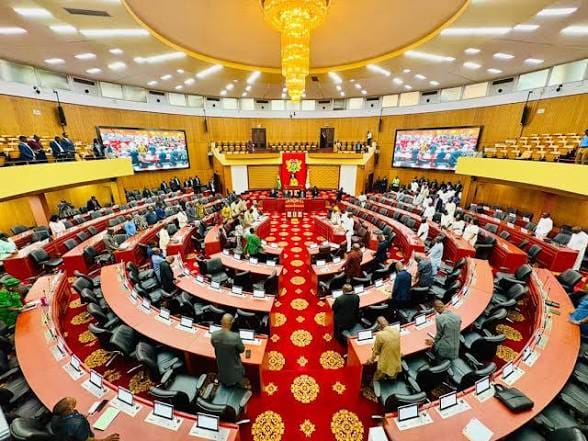
Parliament has clarified public commentary on social media regarding a notice on its notice board that read “No Vacancy for National Service Personnel 2026/2027. Kindly go for reposting.”
In a statement, signed by the Director of Media Relations, David Sebastian Damoah, Parliament said the notice has been misconstrued and was not a policy statement, a freeze on national service placements, or a change in its support for the National Service Scheme.
According to Parliament, the notice was a routine administrative message to prospective personnel who reported to the House, informing them that it has received more personnel than it can accommodate for the 2026/2027 service year and that they should seek reposting to other institutions.
It said it remains committed to the National Service Scheme and values the contribution of service personnel to its work, and regrets any confusion or inconvenience the wording may have caused.
By Edem Mensah-Tsotorme
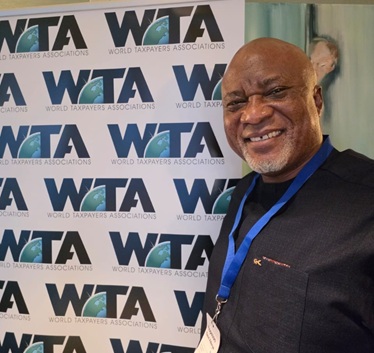
Ghanaian public advocate Hopeson Yaovi Adorye has been elected to the Board of Directors of the World Taxpayers Association (WTA).
The election took place on Sunday, October 5, 2026, during the Association’s conference in Kraków, Poland.
His election marks a significant addition to his international leadership portfolio and provides a platform for Ghanaian and African perspectives to contribute to global discussions on taxpayer rights, responsible taxation, transparency and prudent management of public resources.
Reacting to his election, Mr. Adorye expressed appreciation to the leadership and members of the WTA for the confidence reposed in him.
“I am deeply honoured by this confidence and conscious of the responsibility that comes with it. Taxpayers are at the heart of every economy, and they deserve fairness, transparency, accountability and value for the taxes they pay. I look forward to working with colleagues from across the world to strengthen the voice of taxpayers and promote responsible fiscal governance,” he said.
According to him, taxation should not be viewed solely as a mechanism for raising government revenue, but also as an important component of the social contract between citizens and the state.
Mr. Adorye said governments have a responsibility to ensure taxes are collected fairly and public resources are utilised efficiently to deliver quality infrastructure, healthcare, education, security and other essential services.
His election also creates an opportunity to bring African experiences into international conversations on taxation and public expenditure.
Mr. Adorye, who is Executive Director of Taxpayers League Ghana, has previously served as Global Board Chairman of the International Youth Network for UN Security Council Resolution 2250, an NGO associated with the United Nations Economic and Social Council (ECOSOC).
He is expected to use his new role to champion fiscal accountability, taxpayer education, good governance and stronger citizen participation in public financial management.