News
GES trains 4th cohort of district teacher support team on early childhood education

- /home/u249204778/domains/spectator.com.gh/public_html/wp-content/plugins/mvp-social-buttons/mvp-social-buttons.php on line 27
https://spectator.com.gh/wp-content/uploads/2026/07/Participants-after-the-opening-ceremony.jpg&description=GES trains 4th cohort of district teacher support team on early childhood education', 'pinterestShare', 'width=750,height=350'); return false;" title="Pin This Post">
- Share
- Tweet /home/u249204778/domains/spectator.com.gh/public_html/wp-content/plugins/mvp-social-buttons/mvp-social-buttons.php on line 72
https://spectator.com.gh/wp-content/uploads/2026/07/Participants-after-the-opening-ceremony.jpg&description=GES trains 4th cohort of district teacher support team on early childhood education', 'pinterestShare', 'width=750,height=350'); return false;" title="Pin This Post">
The Ghana Education Service (GES) under the Early Childhood Education Harmonised Scale Programme (ECEHSP), has trained coordinators, officers and deputy directors in charge of monitoring and supervision of kindergarten teachers.
The ECEHSP is designed to improve the quality of early childhood education by building teacher capacity and ensuring consistent implementation of the kindergarten curriculum through play-based and child-centered pedagogy.
This method is expected to help children develop literacy, numeracy, creativity, communication, collaboration, problem-solving, and critical thinking within engaging and inclusive learning environments.
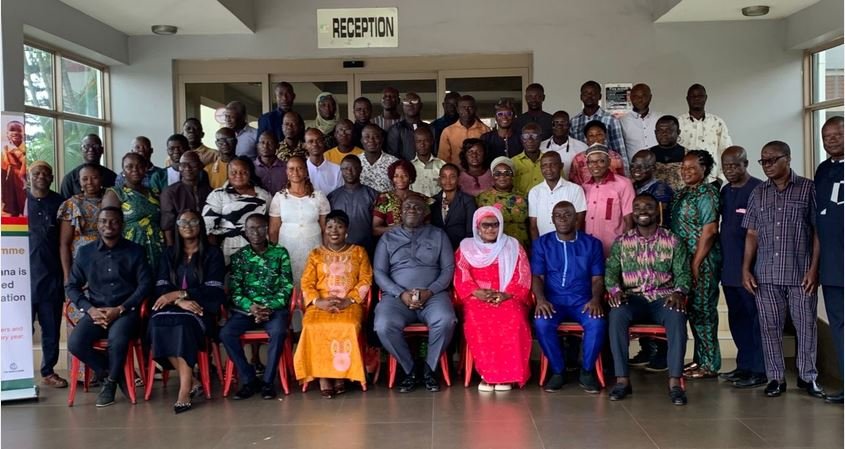
Mrs Adiza Tassa, the National Director, Early Childhood Education Unit, speaking at the opening ceremony of the training of the fourth cohort of the district teacher support team, at Fumesua, near Kumasi, indicated that, the initiative reaffirmed GES’s commitment to advancing quality early childhood education and strengthening foundational learning outcomes.
She said the nationwide training drive was to retrain more than 32,000 kindergarten teachers and address long-standing challenges in Early Childhood Education.
She said a key focus of the reform was to end the practice of assigning teachers who were pregnant, unwell, returning from maternity leave, or facing disciplinary action to kindergarten classrooms.
Explaining the relevance of kindergarten, she said it formed the foundation of a child’s education and must be staffed with competent and well-trained teachers, arguing that, a weak foundation affected the entire upbringing of children and national development.
The fourth cohort training brought together participants from Upper East, Western and Ashanti Regions to share experiences, learn Kindergarten In-Service Education and Training, and equipped with the knowledge, practical skills and facilitation techniques required to effectively deliver training in their respective districts.
Mrs Tassa noted that, the government through the Ministry of Education and the Ghana Education Service continued to place foundational learning at the centre of education reforms with the objective of expanding access to kindergarten and improving the quality of teaching and learning.
Mr Francis Lord Acquah, the Early Childhood Education Technical Manager, commended the collaborative efforts of partners in reaching masses of teachers.
He said this initiative would not only equip the over 30,000 teachers with enhanced skills but also ensure that 1.2 million young learners receive a strong foundation in their early education.
Dr William Kwame Amankra Appiah, Ashanti Regional Director of Education, mentioned that, the focus now was on building modern kindergarten classrooms to make learning more effective for children.
The programme is being supported by the Ministry of Education, World Bank, UNICEF, SCALE Funders, and technical partners including Sabre Education, Chance for Childhood, Children Believe, Right To Play, Lively Minds, and Innovations for Poverty Action. -GNA

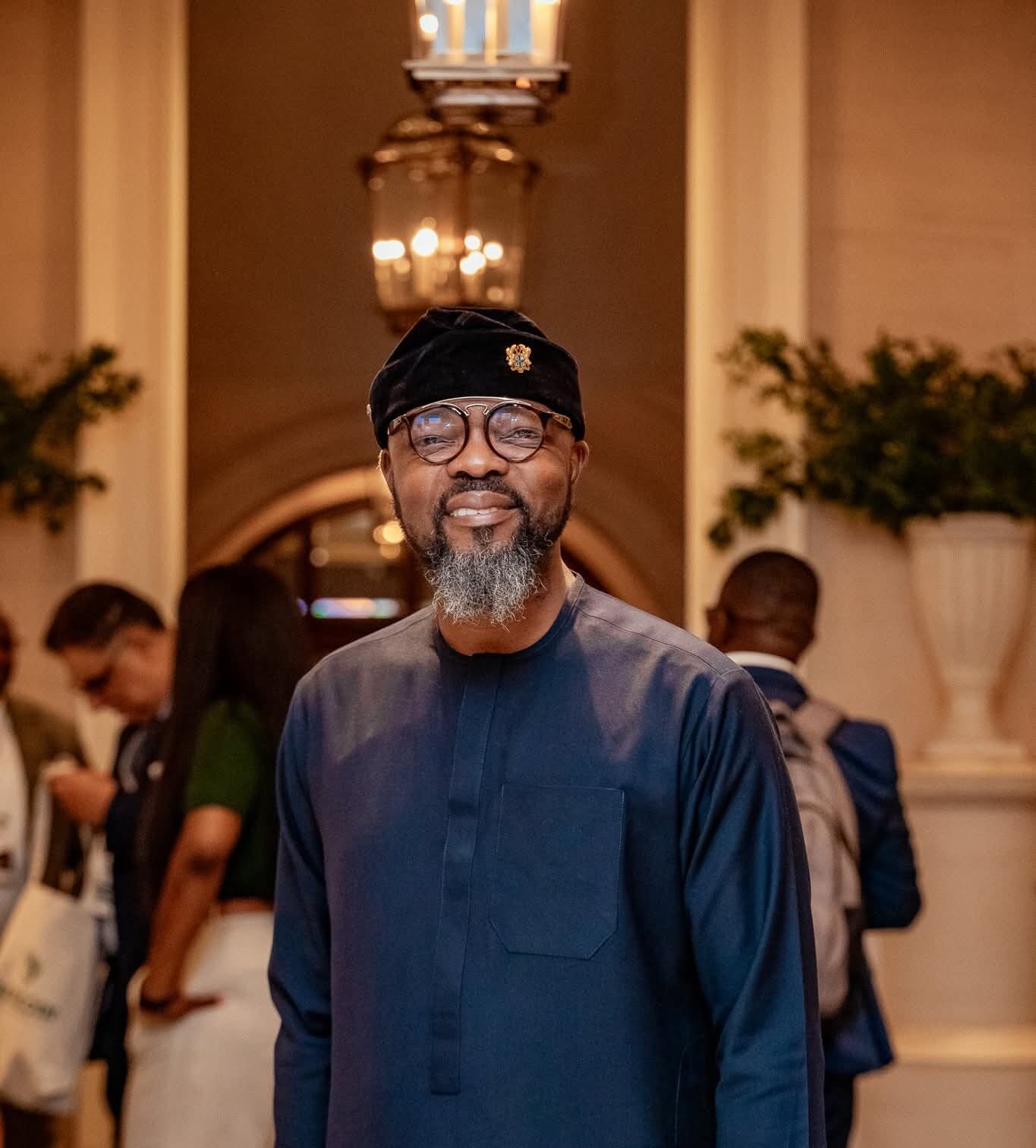
The Diaspora Affairs Office of the President (DAOOP) will on Friday, September 18, 2026, host the inaugural Ghana Diaspora Townhall Meeting at the Christiansborg Castle, Osu, Accra.
The meeting, scheduled to start at 9:30 a.m. is being held under the theme “Listening Today, Building Tomorrow: Strengthening Ghana’s Partnership with the Diaspora.”
According to a statement from DAOOP issued on September 17, the Townhall will serve as an annual platform for structured dialogue between the Government of Ghana and the Ghanaian and wider African Diaspora.
It is aimed at providing a dedicated platform for members of the Diaspora to share their experiences, concerns, aspirations and recommendations directly with government institutions, while also reviewing progress in implementing Ghana’s Diaspora Engagement Policy.
About 500 participants are expected, including representatives of Diaspora organisations, Ghanaians living abroad and those who have returned, members of the wider African Diaspora resident in Ghana, government institutions, private sector organisations, civil society, academia, traditional authorities and development partners.
The programme will feature nine thematic listening sessions where participants will engage directly with responsible ministries, departments and agencies.
The sessions will cover citizenship, immigration, residency and national identification; property and real estate; tourism, culture and heritage; business registration and investment; employment, skills and knowledge transfer; diaspora engagement, representation and integration; education, academia and youth engagement; infrastructure and public services; and health and safety.
The themes were drawn from a survey circulated among registered participants ahead of the meeting. Proceedings will be chaired by the Chief Director of the Office of the President, Alhaji Dr Abubakari Wayo.
DAOOP said the inaugural meeting is being held in the week of Founder’s Day, marked on Monday, September 21, reflecting Ghana’s Pan-African tradition and its historical relationship with Africans and people of African descent around the world.
The Townhall will close with the presentation and adoption of key recommendations and priority actions for 2026 and 2027, which will inform an institutional action matrix to support continued engagement and follow-up.
By Edem Mensah-Tsotorme
News
Mahama chairs security meeting over drug trafficking, orders formation of inter-agency task force
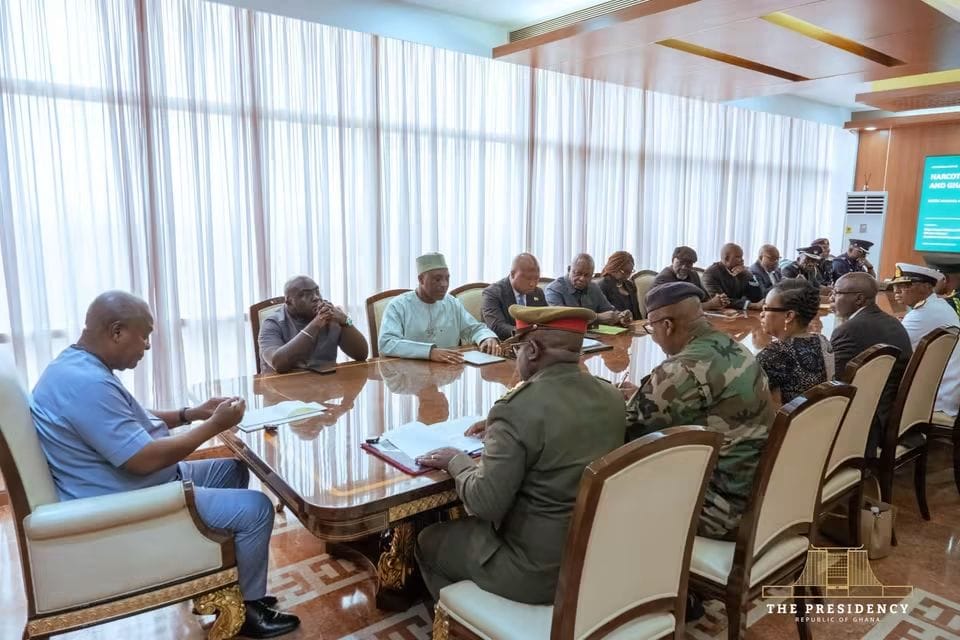
President John Dramani Mahama today chaired a meeting of security chiefs and received a detailed briefing on investigations into the recent trafficking of drugs out of Ghana’s ports.
The President was informed that ten individuals, including four officers of the Customs Division of the Ghana Revenue Authority (GRA), are being held while investigations continue.
The meeting reviewed the structure and security systems in place and recommended new actions.
President Mahama has directed that an inter-agency task force be formed to present a detailed roadmap, emanating from today’s meeting, on measures to prevent the trafficking of drugs through Ghana’s borders within two weeks.
By Edem Mensah-Tsotorme

 News4 days ago
48 Engineer Regiment to be major sub-contractor on Accra-Kumasi Expressway, $2bn ready- Prez Mahama
- Entertainment7 days ago
Fiifi Coleman Productions adapt ‘I Told You So’ stage play into feature film
- News1 week ago
Ghanaian journalist celebrates Texas town’s ‘Eden of the Far West’ tag after mayor’s nod