News
Gender advocates call for quality care for women’s sexual, reproductive health

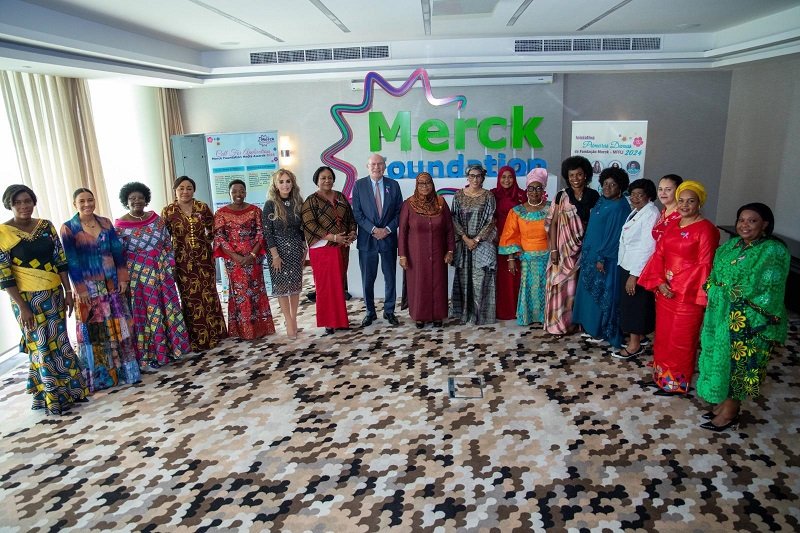
GENDER and women’s rights advocates have called for increased attention to women’s sexual and reproductive health (SRH) in order to improve their overall wellbeing.
In separate statements to mark International Women’s Day (IWD), the experts stressed that sexual and reproductive health remained a vital component of women’s total health and must be prioritised to ensure better access to quality care.
The Country Director of MSI Reproductive Choices, Demi Priscilla Letsa, speaking at a high-level panel discussion to commemorate the day, said challenges such as limited access to SRH services, disparities in service delivery and the uneven distribution of specialists across the country continued to affect the quality of care available to women.
According to her, the shortage of trained health professionals, including obstetricians, gynaecologists and midwives skilled in providing long-acting contraceptive services, remains a major challenge within the health system.
“There are not enough obstetricians, gynaecologists and even midwives who are appropriately trained to offer long-acting contraceptive methods. On an occasion like this, we want to highlight these issues so that as a country we can take deliberate steps to address them,” she stated.
Dr Letsa called for stronger collaboration among stakeholders to strengthen reproductive health services nationwide.
The Chief Executive Officer of the Merck Foundation, Rasha Kelej, reaffirmed her organisation’s commitment to empowering women and girls through various development programmes.
“At Merck Foundation, empowering women and girls is not confined to a single day; rather it is embedded in everything we do. It shapes our vision and guides our programmes,” she said.
Dr Kelej encouraged women to pursue their ambitions and contribute meaningfully to society.
This year’s IWD observed on the theme: ‘Rights. Justice. Action: For All Women and Girls,’ highlights the need to advance gender equality and protect the rights of women and girls worldwide
By Abigail Annoh
Join our WhatsApp Channel now!
https://whatsapp.com/channel/0029VbBElzjInlqHhl1aTU27









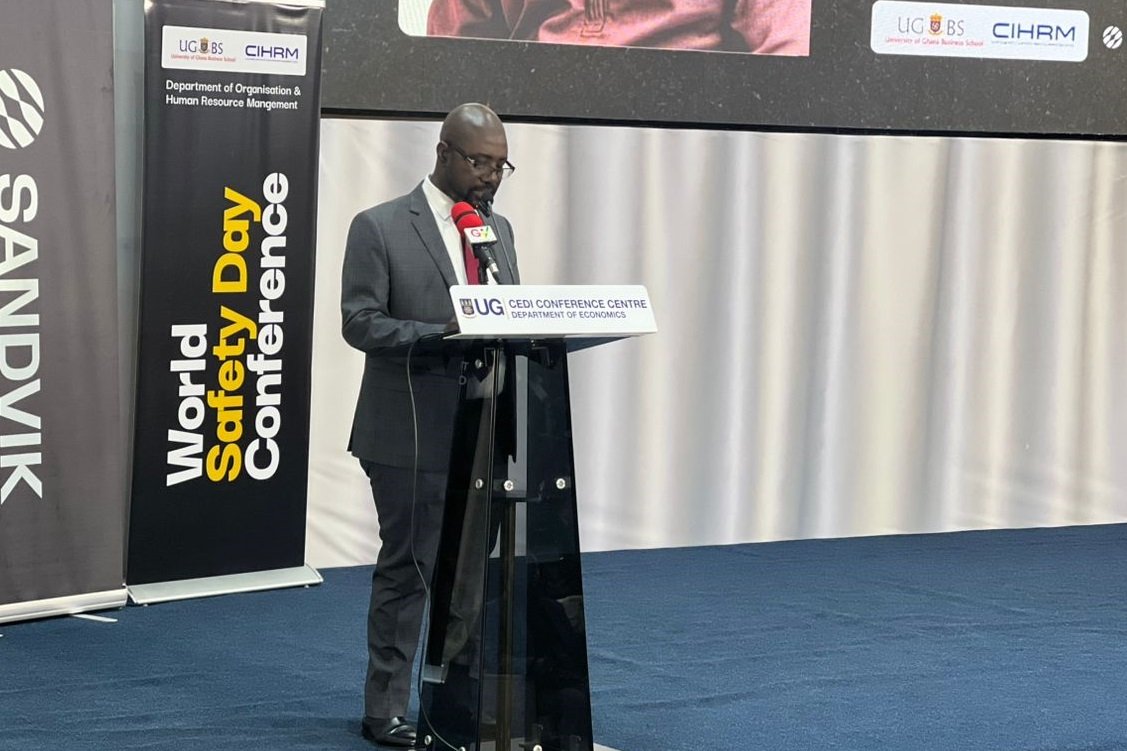
The Ghana Tourism Development Company Limited (GTD) in collaboration with the Department of Organisation and Human Resource Management, University of Ghana Business School (UGBS) has marked the 2026 World Safety Day Celebration in Accra.
The event held on Tuesday, April 28, 2026 at the Cedi Conference Centre, Legon was under the theme “Good Psychosocial Working Environment: A Pathway to Thriving Workers and Strong Organizations.”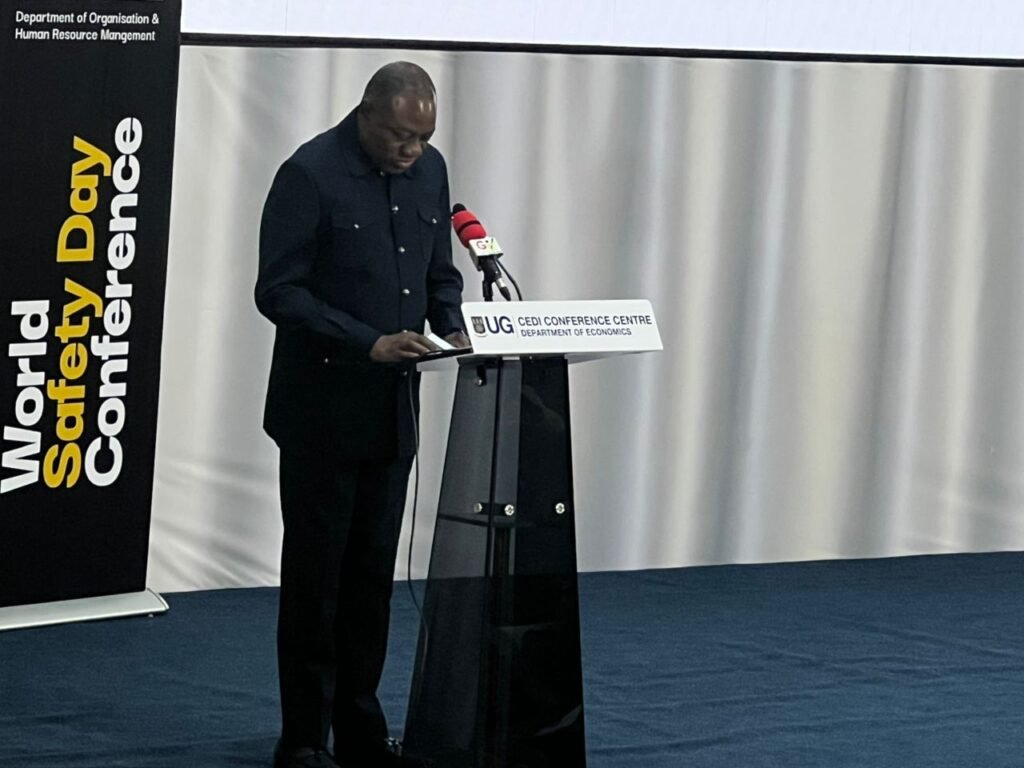
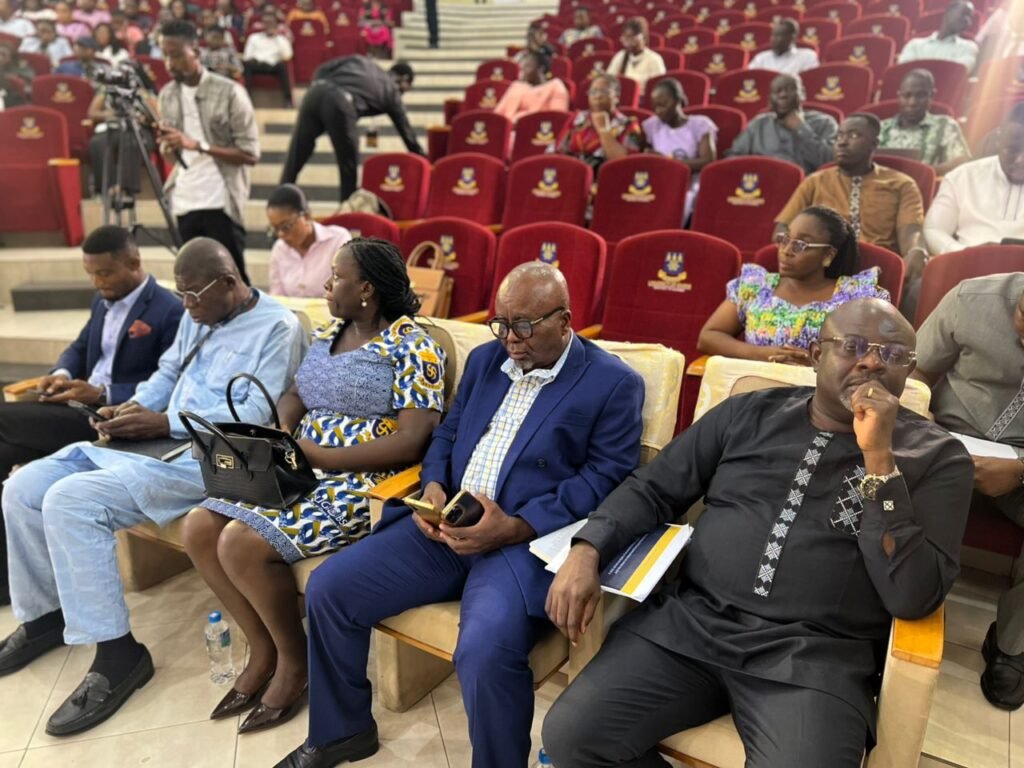
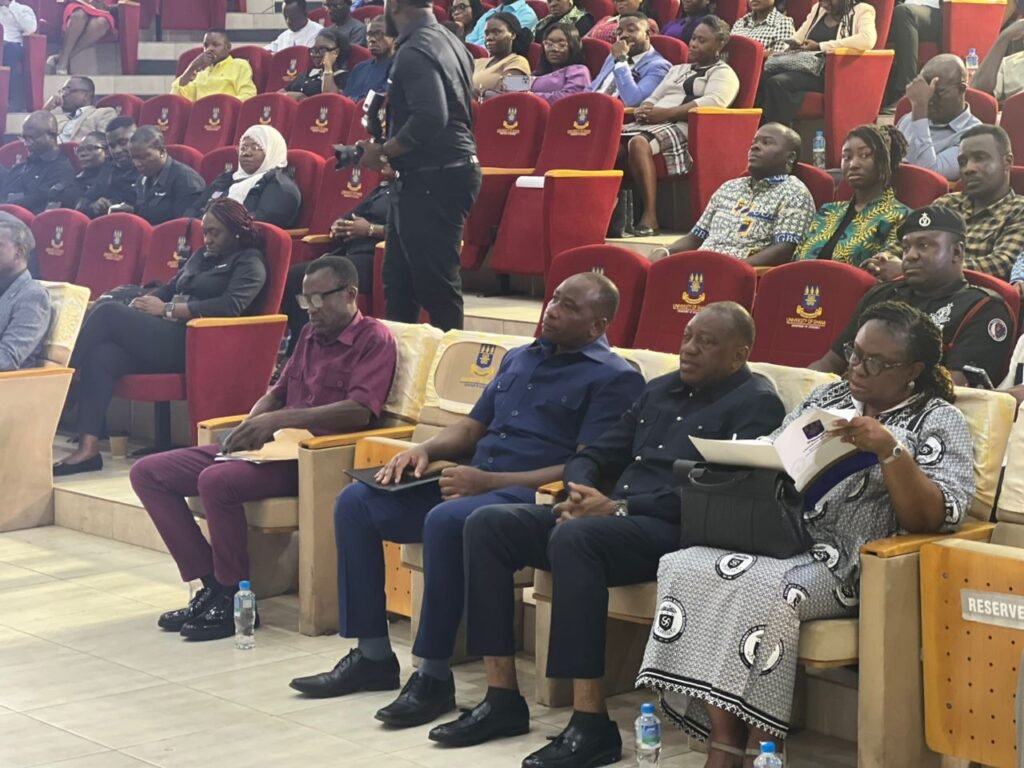
The day is observed globally to promote safe and healthy working conditions and to raise awareness about both physical and psychological risks at the workplace.
The event formed part of efforts by stakeholders to deepen national conversations on workplace safety, particularly the growing concern about psychosocial well being.
In his keynote address, the Minister for Labour, Jobs and Employment, Dr Abdul Rashid Hassan Pelpuo stressed that workers must not be treated as machines but as human beings with dignity, rights and families.
He explained that unsafe work environments marked by fear, harassment, intimidation and excessive pressure reduce productivity and weaken organisations.
He noted that although physical hazards such as faulty equipment and unsafe buildings remain a concern, psychological risks including excessive workload, bullying, job insecurity and toxic communication are equally dangerous and must be addressed.
According to him, psychological hazards are real, measurable and preventable, and should be treated with the same urgency as physical risks.
He maintained that safe and healthy working conditions are not a luxury but a fundamental right that supports productivity and social justice.
Dr Pelpuo further stated that the government remains committed to strengthening occupational safety and health systems, adding that worker wellbeing is a core responsibility of leadership and not a public relations issue.
He urged employers to create environments where dignity is protected, and workers are empowered to speak without fear.
The Dean of University of Ghana Business School, Prof Ernest Y Tweneboah Koduah noted that the school is committed to shaping a better world of work that is equitable, productive and sustainable.
He announced that the school has secured accreditation from the Ghana Tertiary Education Commission to introduce a programme in organisational health and safety.
He explained that gaps in workplace safety in Ghana are linked to weak enforcement, underreporting and limited professional training.
He added that the new programme will equip graduates with the skills to prioritise employee wellbeing as a key organisational responsibility.
Prof Tweneboah Koduah urged organisations to assess psychosocial risks, invest in human resource capacity and create environments where workers can openly discuss mental health concerns.
He emphasised that collaboration between academia and industry is essential to addressing workplace safety challenges.
Delivering remarks on behalf of the Vice Chancellor, the Registrar of the University of Ghana, Emelia Naa Kwantsua Agyei Mensah described the event as historic, noting that it is the first time the university is marking the global observance.
She explained that the focus on psychosocial wellbeing reflects current realities in the world of work.
She stated that employee health, including mental and emotional wellbeing, directly affects productivity, morale and institutional performance.
Mrs Agyei Mensah added that the university is committed to creating a safe and supportive environment for staff and students, beyond minimum legal requirements.
She called on leaders to reflect on the kind of workplaces they create and to prioritise the wellbeing of employees.
CEO of the GTDC, Prof Kobby on his part noted that its participation aligns with its commitment under the Riyadh Declaration, which calls on member states to improve infrastructure and public safety, as well as enhance services, transport, connectivity and accessibility.
He indicated that the company intends to use the platform to highlight Ghana’s readiness to implement the declaration, with a strong focus on worker safety and wellbeing as a foundation for sustainable tourism development.
The event brought together policymakers, academics, industry players and students to discuss strategies for improving workplace safety and promoting healthier work environments across the country.
By: Jacob Aggrey
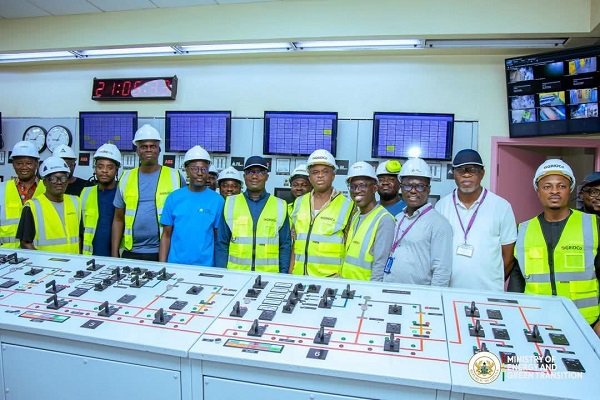
The Minister for Energy, John Abdulai Jinapor, has praised engineers and technical teams working to restore electricity after a fire at the Akosombo Substation disrupted power supply.
He said this after visiting the facility on Monday night to assess ongoing repair works following the incident, which affected the control room and caused the loss of more than 1,000 megawatts of power to the national grid.
During the visit, he interacted with engineers and technicians who have been working continuously under difficult conditions to restore operations.
He said he was impressed by their dedication, courage, and professionalism despite the challenges.
The minister commended the teams for their resilience and sacrifice, noting that their efforts reflect a strong sense of duty and commitment to national service.
He assured them of the government’s full support as they continue with the restoration work.
He also assured the public that authorities are doing everything possible to restore stable electricity supply as soon as possible.
By: Jacob Aggrey