Nutrition
Galamsey and Nutrition: Counting the real cost of Ghana’s gold rush

- /home/u249204778/domains/spectator.com.gh/public_html/wp-content/plugins/mvp-social-buttons/mvp-social-buttons.php on line 27
https://spectator.com.gh/wp-content/uploads/2025/10/Individuals-involved-in-galamsey.jpg&description=Galamsey and Nutrition: Counting the real cost of Ghana’s gold rush', 'pinterestShare', 'width=750,height=350'); return false;" title="Pin This Post">
- Share
- Tweet /home/u249204778/domains/spectator.com.gh/public_html/wp-content/plugins/mvp-social-buttons/mvp-social-buttons.php on line 72
https://spectator.com.gh/wp-content/uploads/2025/10/Individuals-involved-in-galamsey.jpg&description=Galamsey and Nutrition: Counting the real cost of Ghana’s gold rush', 'pinterestShare', 'width=750,height=350'); return false;" title="Pin This Post">
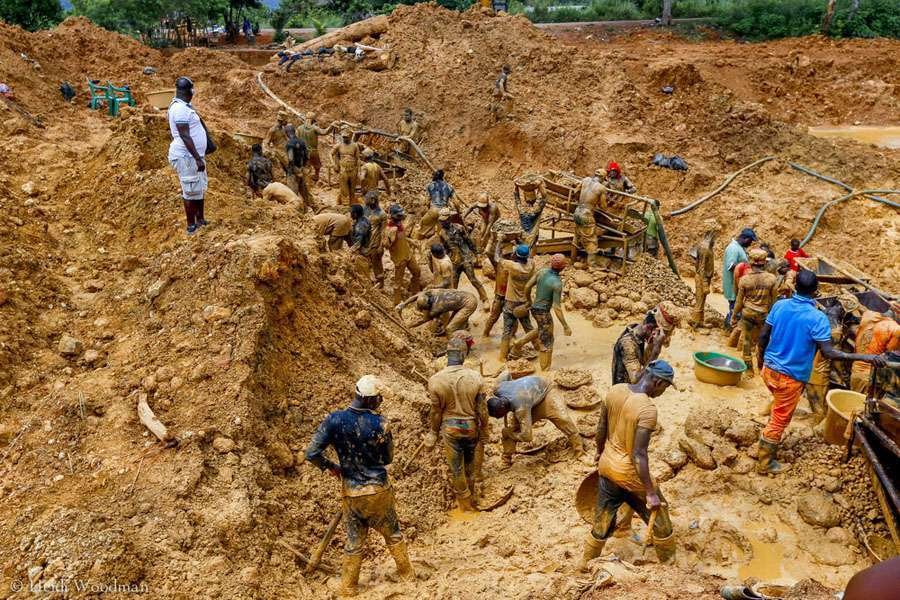
Illegal small-scale mining, or galamsey, has been branded as one of Ghana’s gravest environmental and economic threats. Successive governments have promised action, task forces have been deployed, and billions of cedis lost in revenue have been reported. Yet a deeper crisis is unfolding beneath the surface: a nutrition emergency directly linked to the destruction caused by galamsey.
Across mining belts in the Western, Ashanti, and Eastern regions, rivers that once sustained farming and fishing are contaminated with mercury and cyanide. Farmers say irrigation is impossible; fishermen say their nets return empty. Independent studies confirm that mercury levels in some rivers exceed World Health Organisation guidelines. The result is a sharp reduction in safe food production and an erosion of the very foundation of Ghana’s nutritional security.
The figures are sobering. Nationally, one in five children under five is stunted. Nearly half of women of reproductive age are anaemic. Child wasting remains at emergency levels in some districts. The destruction of fertile land and poisoning of water through galamsey only compound these problems. In some mining-affected districts, local health authorities report higher rates of undernutrition and anaemia than the national average.
Economists estimate that malnutrition already costs Ghana up to 6.4 per cent of its GDP each year in lost productivity, poor educational outcomes, and higher health expenditures. With agriculture compromised by galamsey, the bill is rising. Food inflation is being felt in urban markets, while rural households in mining areas are forced to survive on monotonous diets that lack the nutrients needed for growth and development.
The accountability gap is glaring. Ghana committed at the 2025 Nutrition for Growth Summit to invest $6 million annually in nutrition. Yet the same state resources continue to be drained by environmental damage, water treatment costs, and agricultural losses linked to galamsey. While authorities launch operations against illegal miners, enforcement remains inconsistent and politically fraught, raising questions about who benefits from the destruction.
Experts warn that without decisive action, galamsey will derail Ghana’s progress toward the Sustainable Development Goals, particularly those on zero hunger, good health, and climate action. “Every river poisoned is a food system destroyed, and Ghana cannot achieve food security while watching our land vanish,” says Dr Charity Binka, Executive Director, WOMEC.
The evidence is clear: galamsey is not just an environmental crime. It is a public health emergency and a development crisis. Addressing it requires more than rhetoric; it requires enforcement, transparency, and the political will to confront vested interests. Unless this happens, Ghana risks trading its children’s nutrition and future productivity for short-term gains in gold.
We therefore demand the activation of permanent inter-agency galamsey response teams with prosecutorial authority independent of political interference and the establishment of a Galamsey Restoration Fund financed through penalties for river remediation and emergency nutrition interventions. We also call for the publication of quarterly malnutrition data disaggregated by mining-affected districts.
We join the call for amendments to the Minerals and Mining Act with a focus on mandating nutrition impact assessments with automatic permit suspension for violations, the resourcing of community water monitoring committees with testing kits, and the invitation of UN Special Rapporteurs to assess affected regions and provide independent recommendations.
We urge every citizen to demand that their MP publicly declare their enforcement plan and support stronger penalties, because the evidence is overwhelming and the solutions are known. Ghana’s rivers, farmlands, and children cannot wait for another empty promise.
Feature Article by Women, Media and Change under its Nourish Ghana: Advocating for Increased Leadership to Combat Malnutrition Project
Join our WhatsApp Channel now!
https://whatsapp.com/channel/0029VbBElzjInlqHhl1aTU27


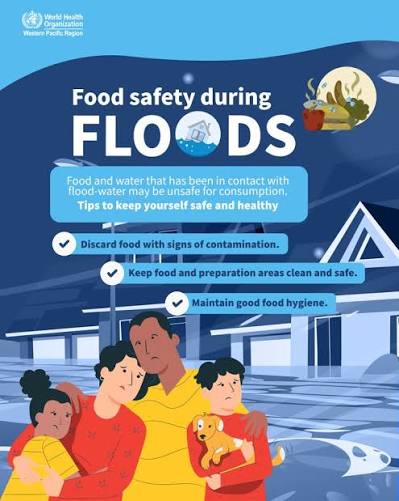
The recent floods across parts of Ghana have disrupted lives, displaced families, and damaged homes and livelihoods. While rescue efforts and rebuilding understandably take centre stage, another urgent issue deserves equal attention, nutrition and food safety, both during the flood and long after the water recedes.
Floods contaminate water sources, destroy crops, interrupt food supplies, and increase the spread of foodborne disease. These challenges place young children, pregnant and breastfeeding women, older adults, and people living with chronic illness at far greater risk of malnutrition. The scale of this threat is not hypothetical: in June 2025 alone, floods displaced nearly 90,000 people across seven regions, according to Ghana’s National Disaster Management Organisation (NADMO). Past flood-drought cycles show why displacement of this kind matters for nutrition following a similar disaster in Ghana’s three northern regions, the World Food Programme documented chronic malnutrition among children ranging from 34 to 48 per cent, alongside acute malnutrition of 8 to 12 percent, in the hardest-hit areas. As Ghana faces more frequent extreme weather events, protecting nutrition must become a core part of disaster preparedness, not an afterthought.
Floods affect more than food availability
Floodwaters wash away farms, destroy stored food, and make it difficult for farmers and traders to move produce to market. As supplies shrink, prices of nutritious foods such as fruits, vegetables, fish, and eggs increase. For households already stretched by the rising cost of living, that often means choosing cheaper, less nutritious food just to feel full. Over time, diets narrow, and the risk of vitamin and mineral deficiencies grows.
The hidden danger: unsafe food
Floodwater is rarely clean. It carries sewage, chemicals, animal waste, and other contaminants into homes, farms, and food stores. Eating food that has touched floodwater, or drinking unsafe water, can trigger diarrhoea, cholera, typhoid, and other infections, illnesses that block nutrient absorption and cause rapid weight loss, especially in children. The danger doesn’t end when the water goes down; improperly stored or damaged food can still make people sick weeks later.
What every household can do
- Drink only safe or treated water where supplies have been affected.
- Wash fruits and vegetables thoroughly with clean water.
- Discard any food that has been exposed to floodwater, even if it looks fine.
- Cook food thoroughly and never eat spoiled food.
- Keep breastfeeding infants: breast milk remains the safest source of nutrition in an emergency.
- Seek medical care promptly if a child develops persistent diarrhoea or shows signs of dehydration.
Recovery needs more than a full stomach
Emergency food aid tends to focus on energy-dense staples like rice and maize. Important, yes but not enough on their own. Recovering families also need protein, healthy fats, vitamins, and minerals, especially the most vulnerable groups. A nutrition-smart response includes fortified foods, beans and other legumes, safe drinking water and fresh produce where possible.
Recovery shouldn’t stop at food distribution, either. Communities need help rebuilding farms, markets, and livelihoods so families can go back to sourcing diverse, nutritious food on their own, not depending indefinitely on aid.
A call for leadership
Floods will keep testing Ghana’s resilience. The first call is to find innovative ways to reduce the impact of the floods. The response, however, has to go beyond emergency relief to actively protect nutrition and food safety through safe water provision, food safety education, trained health workers who can spot malnutrition early, and recovery programmes that help farmers get growing again quickly.
When communities are protected from hunger, disease, and poor nutrition at every stage of a disaster, they don’t just survive floods, they recover from them faster and stronger.
Feature article by Women, Media and Change under its Nourish Ghana: Advocating for Increased Leadership to Combat Malnutrition project

Ingredients
-2 onion sliced
– One pack of sausage
– 2 tablespoonful of salt
-1 tablespoonful of nutmeg
-One tin of milk
– 2 large eggs
– 2 kilograms of flour
Method
-Pre-heat oven to keep it warm
-Put saucepan on the fire and heat oil
-Add onions and cook until soft and golden brown and spread out on a plate to cool
-Add onions, nutmeg and sausage and mix together
– Roll the pastry out into a big rectangle as thick as a pound coin and cut it length ways into two long, even rectangles
-Roll mixture into sausage shapes with your hands and lay along the centre of each rectangle
-Mix the egg and milk and brush the pastry with the mixture, then fold one side of the pastry over, wrapping the filling inside. Press down with your fingers or the edge of a spoon to seal the joint
Cut the long rolls into the sizes you want and space them out on a baking tray. Brush with the rest of the egg wash and bake in the pre-heated oven for 25 minutes or until puffed, golden and cooked through
By Linda Abrefi Wadie