Hot!
Female judges key to eradication of negative cultural practices – President

- /home/u249204778/domains/spectator.com.gh/public_html/wp-content/plugins/mvp-social-buttons/mvp-social-buttons.php on line 27
https://spectator.com.gh/wp-content/uploads/2024/05/Chief-Justice-Gertrude-Torkonoo.jpg&description=Female judges key to eradication of negative cultural practices – President', 'pinterestShare', 'width=750,height=350'); return false;" title="Pin This Post">
- Share
- Tweet /home/u249204778/domains/spectator.com.gh/public_html/wp-content/plugins/mvp-social-buttons/mvp-social-buttons.php on line 72
https://spectator.com.gh/wp-content/uploads/2024/05/Chief-Justice-Gertrude-Torkonoo.jpg&description=Female judges key to eradication of negative cultural practices – President', 'pinterestShare', 'width=750,height=350'); return false;" title="Pin This Post">
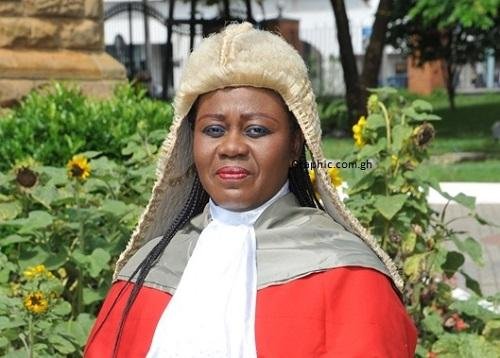
Chief Justice Gertrude Torkonoo
The President of the Republic Nana Addo Dankwah Akufo-Addo has pointed out the pivotal role that female judges play in eliminating undesirable cultural practices, particularly among women and girls that impede their development.
He said the experience of female judges places them in a prime position to lend distinct perspectives and strengths to the cause of Justice and equity.
The President was speaking at the opening of the 18th International Association of Women Judges (IAWJ) Conference in Accra on Monday.
The three-day conference aims to capitalise on previous successes and take advantage of the IAWJ’s unique position in bringing together judicial officers from around the world to discuss matters of mutual importance.
It is on the theme “Combating Negative Cultural Practices in Contemporary Times – The Role of Women Judges.”
President Akufo-Addo noted that having women at all levels of the judicial system across the continent not only increases respect for the judiciary but also fosters confidence in the justice delivery system.
He said the theme for the conference was a call to every member of the judicial system, particularly women judges, to “leverage our collective legal acumen to dismantle barriers to justice.”
The President noted that negative cultural practices were not just an affront to the victims but were “a blemish on our collective human conscience.”
“As judges and upholders of the law, you have the power to redefine norms and set precedents that protect the vulnerable and marginalised.
“In dealing with issues like gender-based violence, child marriage, widowhood rites and female genital mutilation – practices steeped in deep-rooted cultural norms – your voices and rulings can resonate deeply, driving societal transformation.
“It is imperative to acknowledge that the fight against these practices is not confined to the courtrooms. Education, awareness, and collaborative governance are critical. We must engage traditional leaders, educators, and communities to recalibrate mindsets and attitudes. It is in our schools, homes, and community gatherings where the foundational beliefs of our next generation are formed,” he said.
President Akufo-Addo urged female judges to uphold the ideals of fairness, equality, and justice in all their decisions to combat detrimental cultural traditions.
“Let them (judgments) be a beacon for those in the shadows of fear and oppression. Remember, each decision you make not only affects the individual in your courtroom but also sets a tone for what we, as a society, deem acceptable.


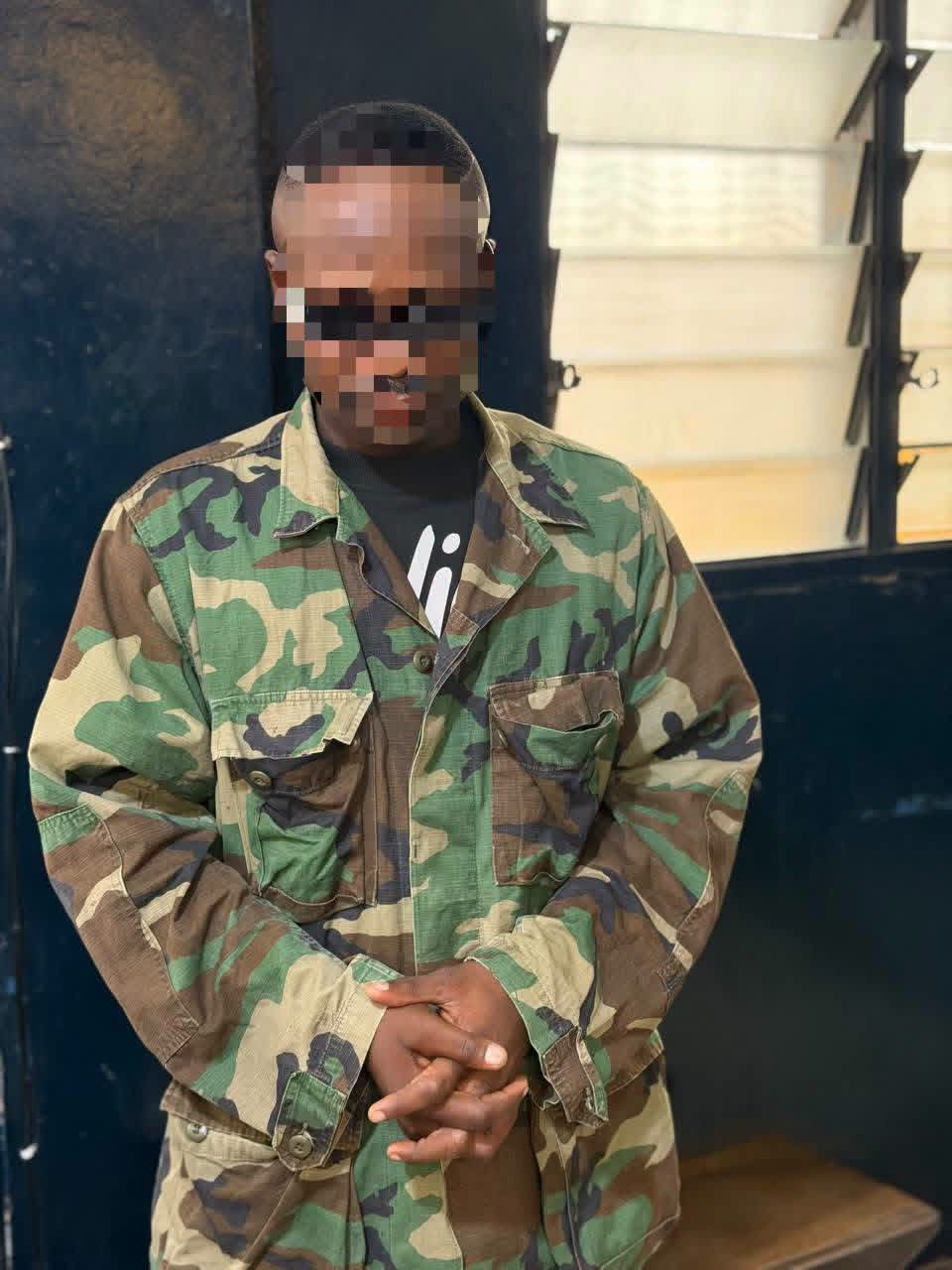
The Tema Regional Police Command has arrested a 32-year-old man for allegedly posing as a soldier and extorting money from unsuspecting members of the public at Ashaiman.
The suspect, identified as Bright Atsu Kudiabor, was arrested by the Ashaiman Police on Wednesday, September 16, 2026, at about 7:00 a.m.
According to the Police, he was arrested at an area known as “I Shall Return”, where he was allegedly parading himself as a soldier and demanding money from people.
The Police said Kudiabor, who is an ex-convict, was initially arrested by personnel of the Ghana National Fire Service in Ashaiman with assistance from other members of the public.
A search conducted on him after he was handed over to the Police reportedly led to the recovery of a set of military camouflage uniform.
The suspect is currently in Police custody and assisting with investigations.
The Tema Regional Police Command said he would be processed for court after investigations are completed.
The Police urged the public to remain vigilant and report anyone who falsely presents themselves as a soldier or a member of another security agency to deceive or extort money from the public.
By: Jacob Aggrey
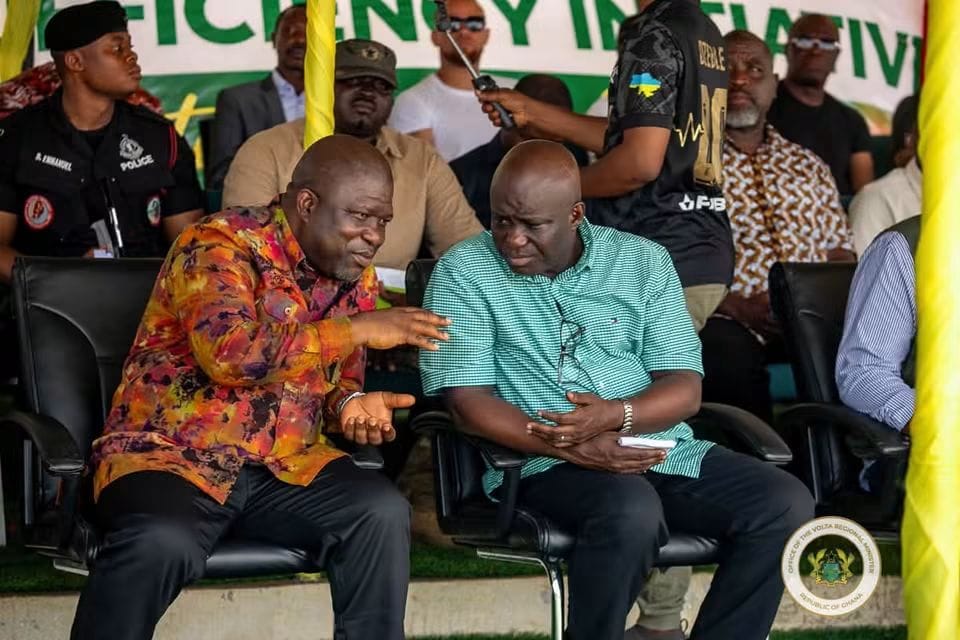
Volta Regional Minister, James Gunu, says the Volta Region holds enormous agricultural potential and efforts must be geared towards connecting farmers to the needed resources to unlock that potential.
He said focus must be on linking farmers to resources, technology, financing and markets to increase production, create jobs and build sustainable livelihoods.
Hon. Gunu made the remarks at the national launch of the Ghana Tomato Self-Sufficiency Initiative (GHATSI) held at Anloga in the Volta Region on Tuesday, September 15.
The initiative, under the theme “Produce at Home. Feed the Nation. Export the Surplus,” seeks to boost local tomato production, processing and marketing while reducing Ghana’s heavy reliance on imported tomatoes.
The launch was attended by the Minister for Food and Agriculture, Eric Opoku, his Deputy, John Setor Dumelo, Feed Ghana Coordinator, Bright Demordzi, Members of Parliament, traditional leaders, MMDCEs, farmers and other stakeholders.
Mr.Gunu expressed appreciation to the Minister for Food and Agriculture for the support announced for the region, including two excavators, 200 cartons of organic fertiliser, and GH¢200,000 for Ms. Kuatudzo Esther Dela, a tomato farmer and processor from Ziope.
He described the initiative as an important step towards making agriculture a stronger driver of food security, job creation and economic growth in the Volta Region.
By Edem Mensah-Tsotorme

 Entertainment1 week ago
Fiifi Coleman Productions adapt ‘I Told You So’ stage play into feature film
- News1 week ago
48 Engineer Regiment to be major sub-contractor on Accra-Kumasi Expressway, $2bn ready- Prez Mahama
- Entertainment6 days ago
Rhythms On Da Runway returns November 28 with 16th edition themed ‘Unbound’