News
Experts Call for Urgent Attention to Young People’s Mental Health


Mental health experts and advocates have called for urgent national attention to the mental well-being of young people, warning that neglecting their struggles could have devastating consequences later in life.
Professor Emmanuel Nii-Boye Quarshie, President of the Association for Suicide Prevention Ghana (GASP), said adolescents and young adults remained the most vulnerable group globally when it came to deaths by suicide, driven by a complex mix of social, economic and personal pressures.
Prof Quarshie made the call on the sidelines of a capacity-building workshop for media practitioners held in Accra on Friday. The workshop was organised by GASP in collaboration with the World Health Organisation (WHO) Ghana Office and the Department of Psychology of the University of Ghana.
The programme sought to raise awareness of the WHO guidelines on suicide reporting and to educate participants on the application of localised reporting guidelines within the Ghanaian context.
Prof Quarshie noted that while bullying existed in earlier generations, today’s youth faced additional challenges such as cyberbullying and the pressure of unrealistic lifestyles portrayed on social media.
“Many of our young people are losing their self-esteem and sense of self-worth in silence, particularly in the virtual world,” he said.
“Unaddressed mental health challenges in the early years often persist into adulthood with serious consequences.”
He explained that evidence showed most mental health conditions began early in life and that failure to intervene promptly could lead to crises marked by hopelessness and loss of meaning, sometimes with fatal outcomes.
Worsening economic conditions, unemployment, poverty and difficulties in accessing education were additional stressors confronting young people, he said, adding that even families benefiting from the Free Senior High School programme still struggled to provide basic support for their children.
Prof Quarshie therefore called for deliberate efforts to build resilience, strengthen life-skills education and introduce safeguards within the digital space to protect young people’s mental health.
Sharing a personal account, Dr Pokua Osei Yeboah, who lost her son to suicide, stressed the importance of open and consistent communication between parents and their children.
She said many parents failed to engage their children in honest one-on-one conversations, often missing warning signs until it was too late.
“Checking in is very important. We need to ask questions about their lives, their struggles, school, relationships and whether they are being bullied,” Dr Osei Yeboah said.
“Parents should also ask directly if their children are having thoughts of harming themselves.”
She admitted that cultural attitudes and traditional parenting styles sometimes discouraged openness, causing emotional distress to be dismissed as weakness.
“Looking back, I didn’t see the danger coming, even though his struggles started when he was an adolescent. He never shared, and I never pushed the conversation. I have learnt my lessons after the passing of my son,” she said.
Dr Osei Yeboah called for increased public education, improved funding for mental health services, reduced stigma and the establishment of a national crisis hotline similar to emergency services available in other countries.
Dr Johnny Andoh-Arthur, Secretary to GASP, highlighted the lack of reliable national data on suicide and attempted self-harm, noting that most available figures were derived from media and police reports.
“As a country, we do not have a dedicated system for recording these cases, and without data, prevention becomes difficult,” he stated.
Dr Andoh-Arthur noted that although Ghana decriminalised attempted suicide about two to three years ago, implementation remained incomplete without adequate investment in mental health services.
He expressed concern that less than two per cent of the national health budget was allocated to mental health, limiting the ability of health facilities to provide timely and effective support.
He stressed that with the decriminalisation, people in crisis should be encouraged to seek help without fear of punishment, which would require well-resourced facilities, trained professionals and accessible services.
While the decriminalisation marked important progress, he said sustained national commitment, data-driven policies and compassionate support systems were necessary to protect young people’s mental health and prevent avoidable loss of life. — GNA
SEO Key Phrase
young people’s mental health in Ghana
SEO Description
Mental health experts warn of rising risks among Ghana’s youth, calling for urgent national action, better funding, data systems and support services to prevent suicide and protect young lives.


Dr Theresa Baffour, an advocate for ending violence and Chief Executive Officer (CEO) of SAHM SAHW Foundation, has said that society plays a critical and pivotal role in breaking the cycle of domestic violence.
According to her, domestic violence is a major contributor of making women, who are mostly the victims, mentally derailed and unable to engage in economic activities.
She said this when the foundation called on the Ga Mantse, Nii Tackie Teiko Tsuru II, to solicit support for the initiative by the “Strong and Healthy Minds, Strong and Healthy Women” (SAHM SAHW) to combat domestic violence within the Ga State.
The visit was occasioned by the fact that domestic violence cases have become quite prevalent in the Ga communities and is retarding growth.
According to her, the canker was an impediment to national development because the victims were usually tortured and would have to go through series of therapies to return to the right state of mind.
Dr Baffour mentioned that Gender-Based Violence (GBV) places a mental toll on women, and was, therefore, important to break the cycle through comprehensive mental health support, crisis intervention and empowerment programmes in communities with high rates of GBV.
This intervention, she underscored, would help in empowering the denigrated victim of domestic violence to soundly heal, build and thrive.
Dr Baffour added that the initiative would provide holistic, trauma-informed mental health care and advocacy for young women affected by domestic violence.
According to her, the above statement would create safe spaces for healing and equipping them with entrepreneurial skills for renewed hope and empowered life.
The Ga Mantse pledged his support for the laudable initiative to combat domestic violence and also acknowledged the need to address it in the Ga State.
Further endorsement came from Justice Julia Naa-Yarley Adjei Amoah, Chief of Staff at the Office of the Ga Mantse, as she commended the team of SAHM SAHW Foundation for taking a bold step to end the canker in the Greater Accra.
She added that it was a step in the right direction to save vulnerable women from torture, stress and emotional abuse.
By Alfred Nii Arday Ankrah
Join our WhatsApp Channel now!
https://whatsapp.com/channel/0029VbBElzjInlqHhl1aTU27

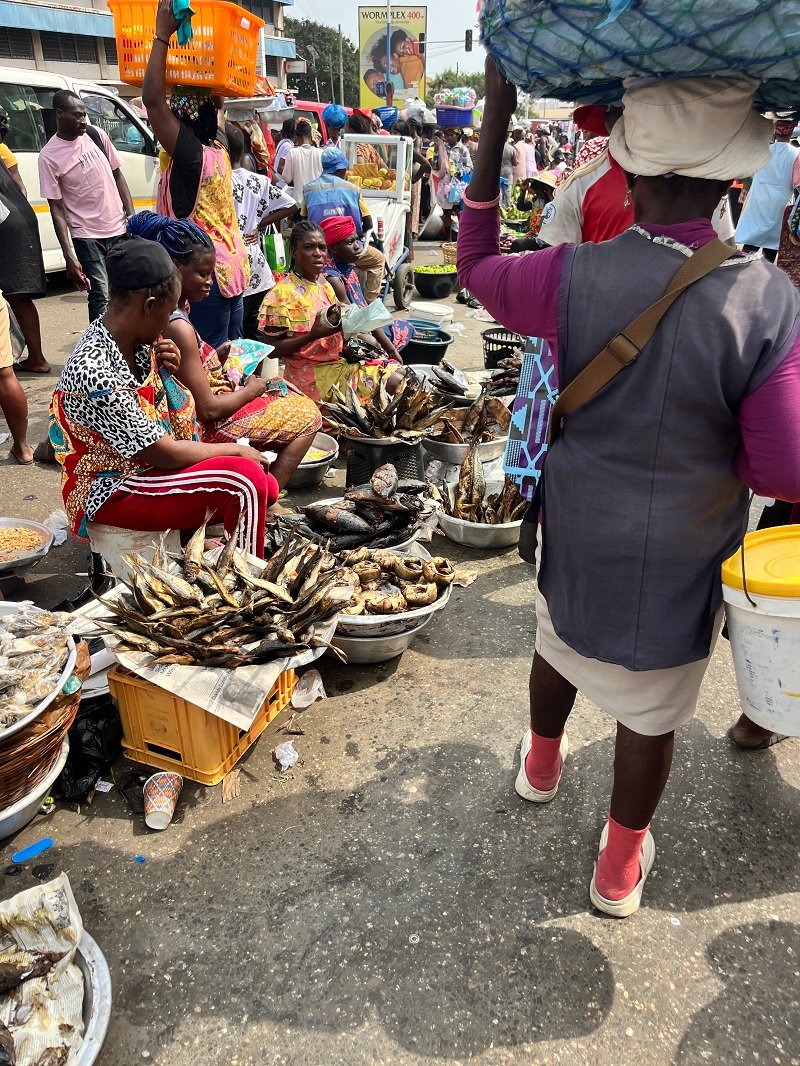
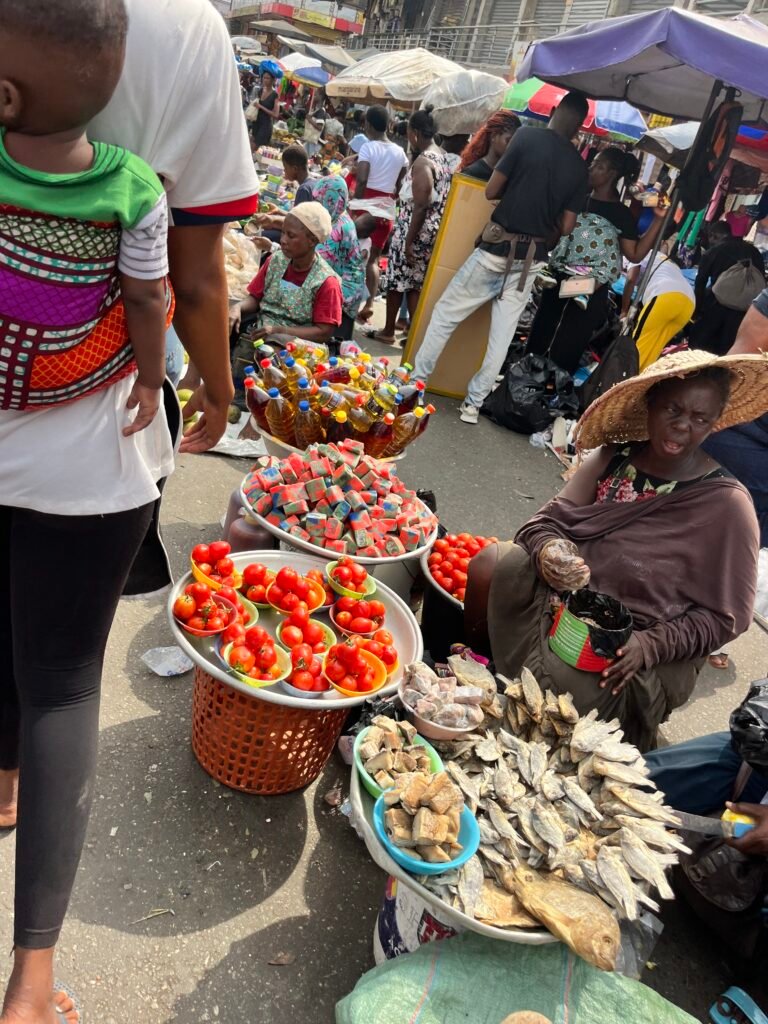
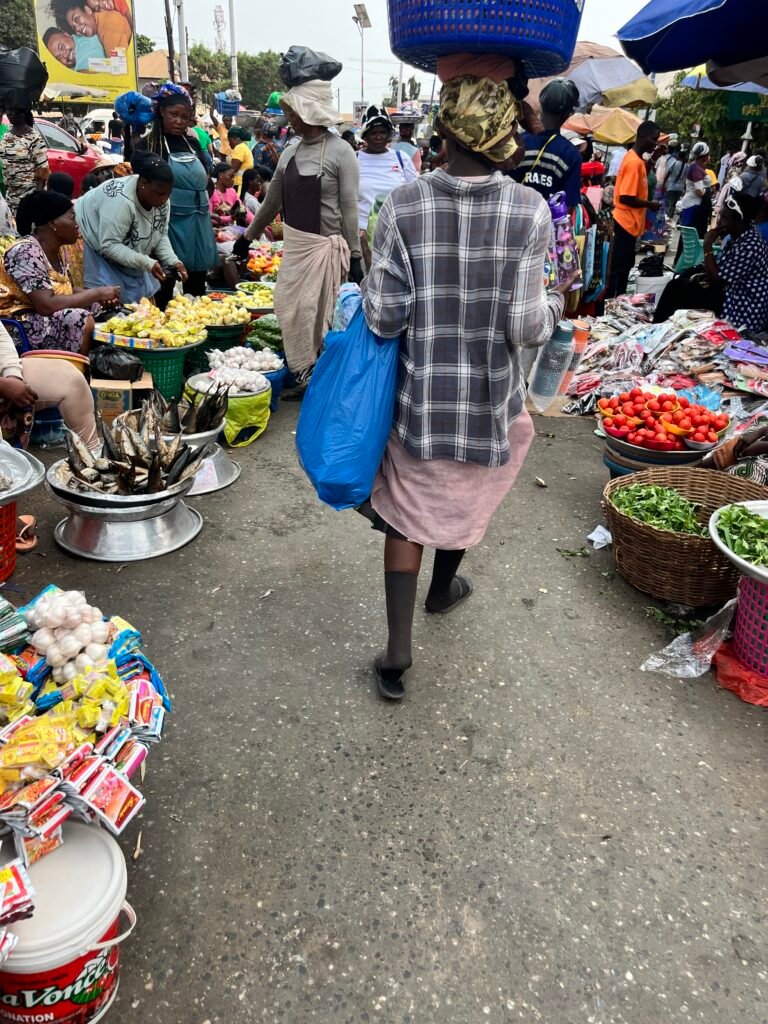
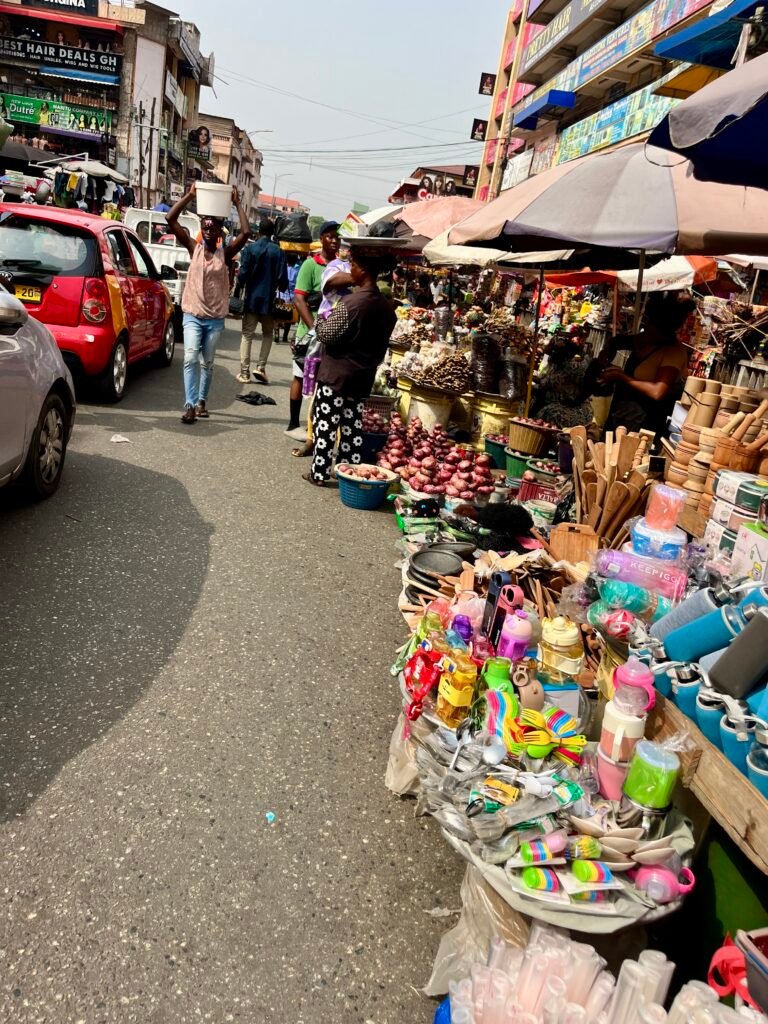
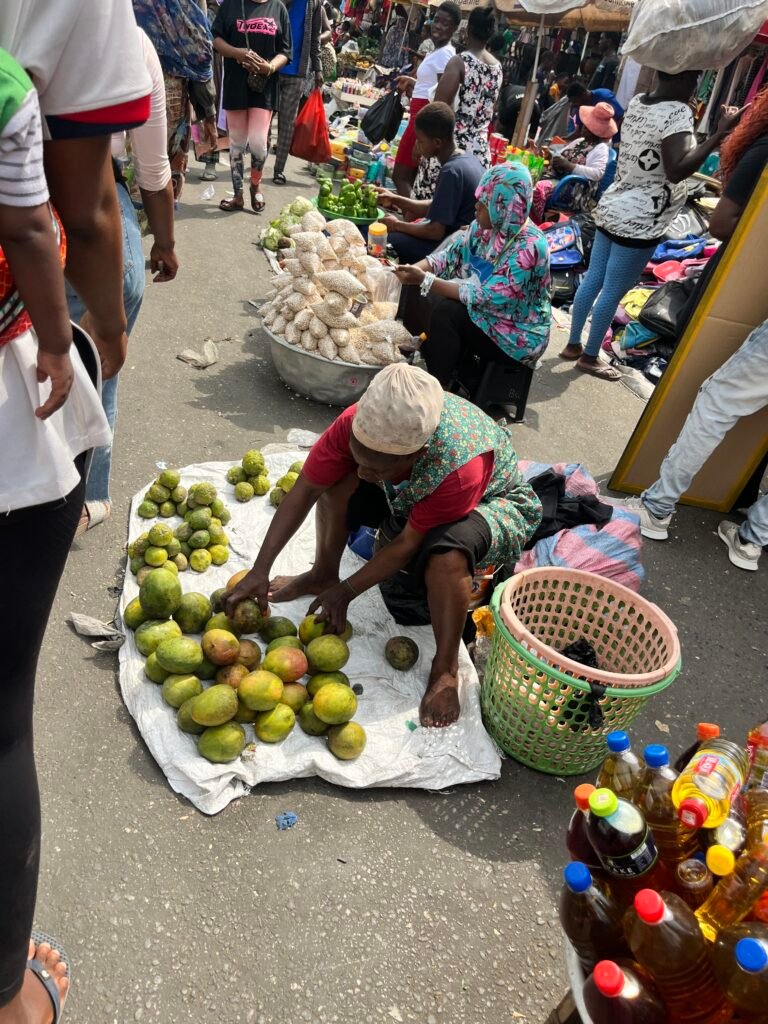
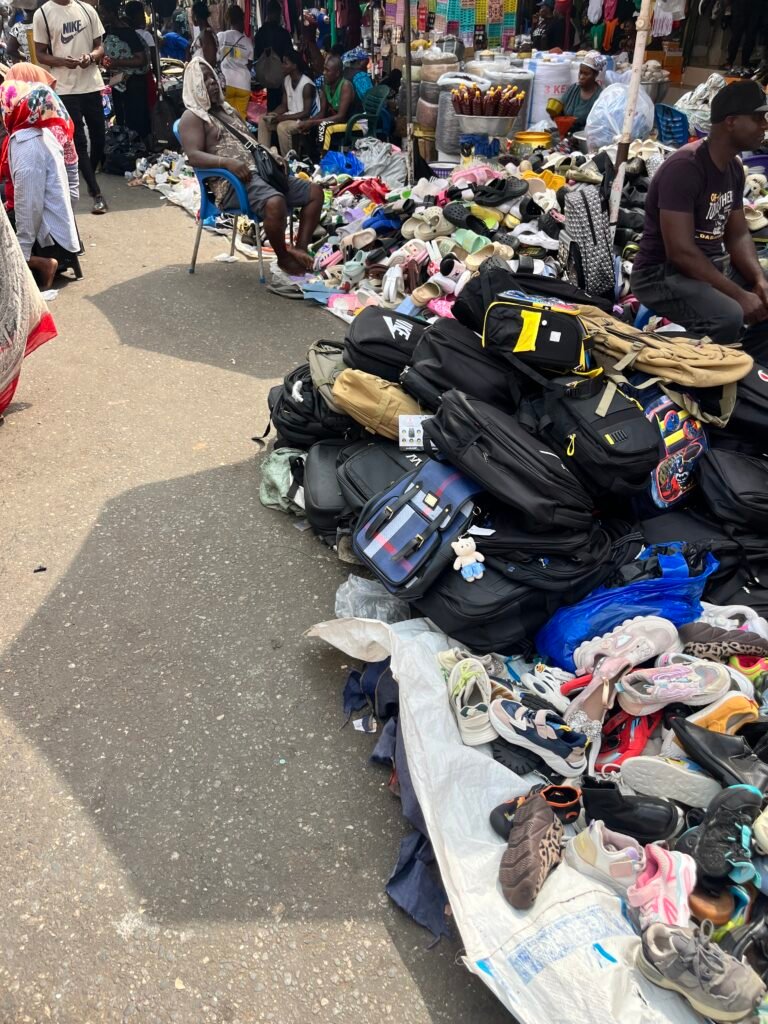
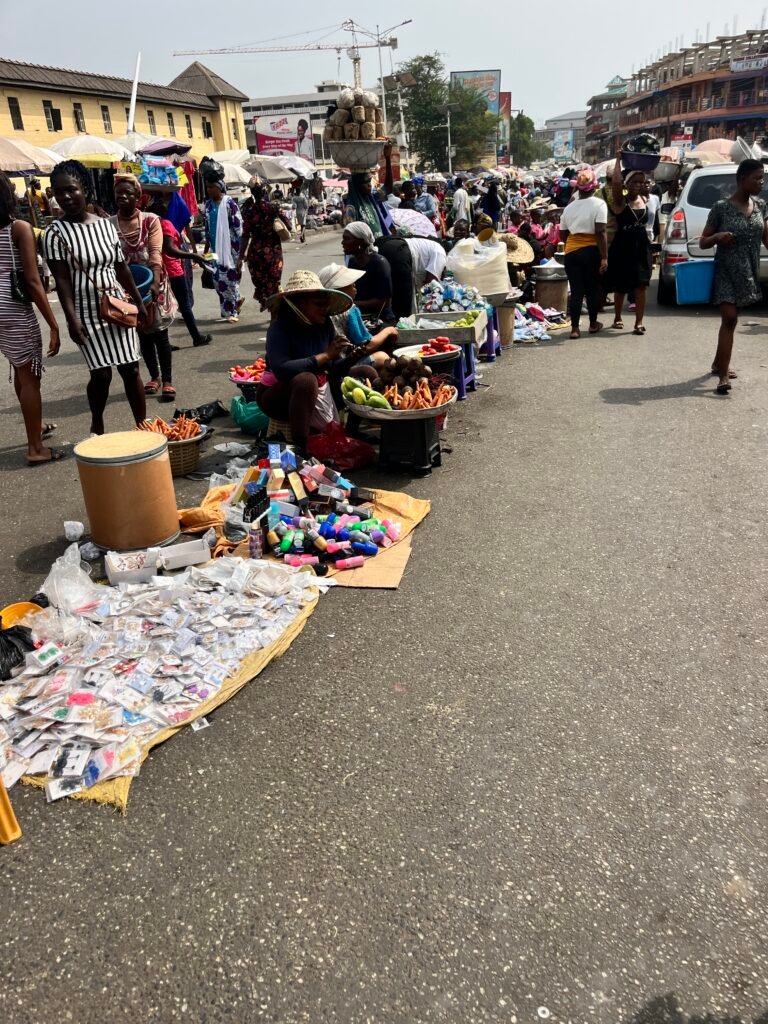
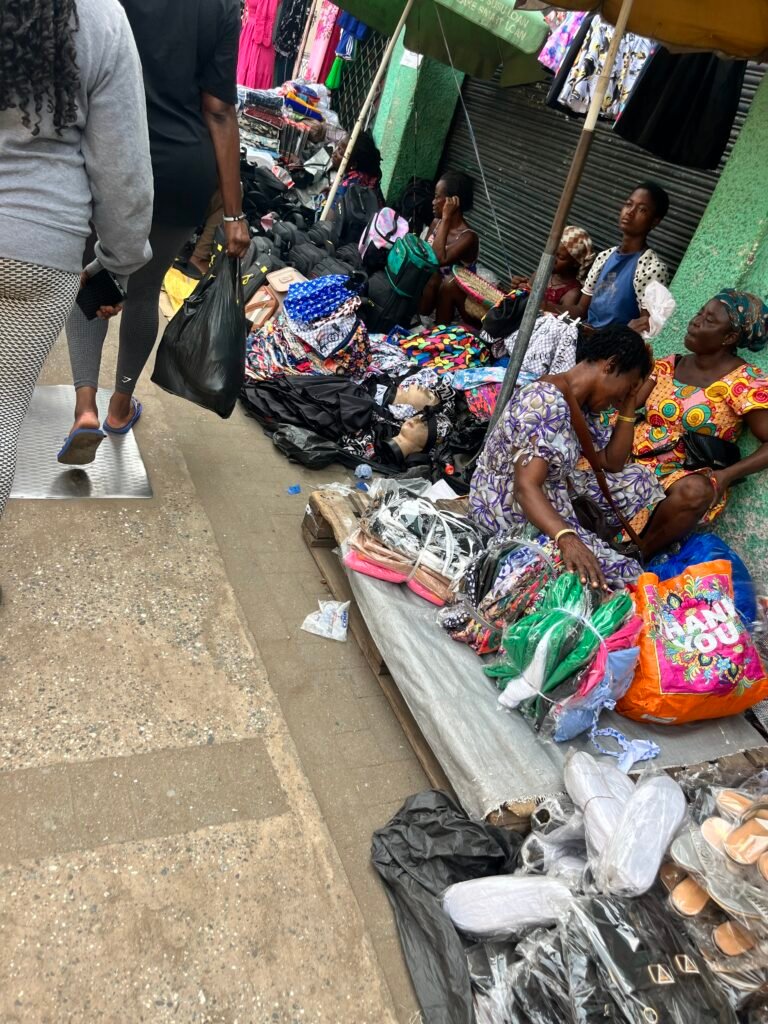
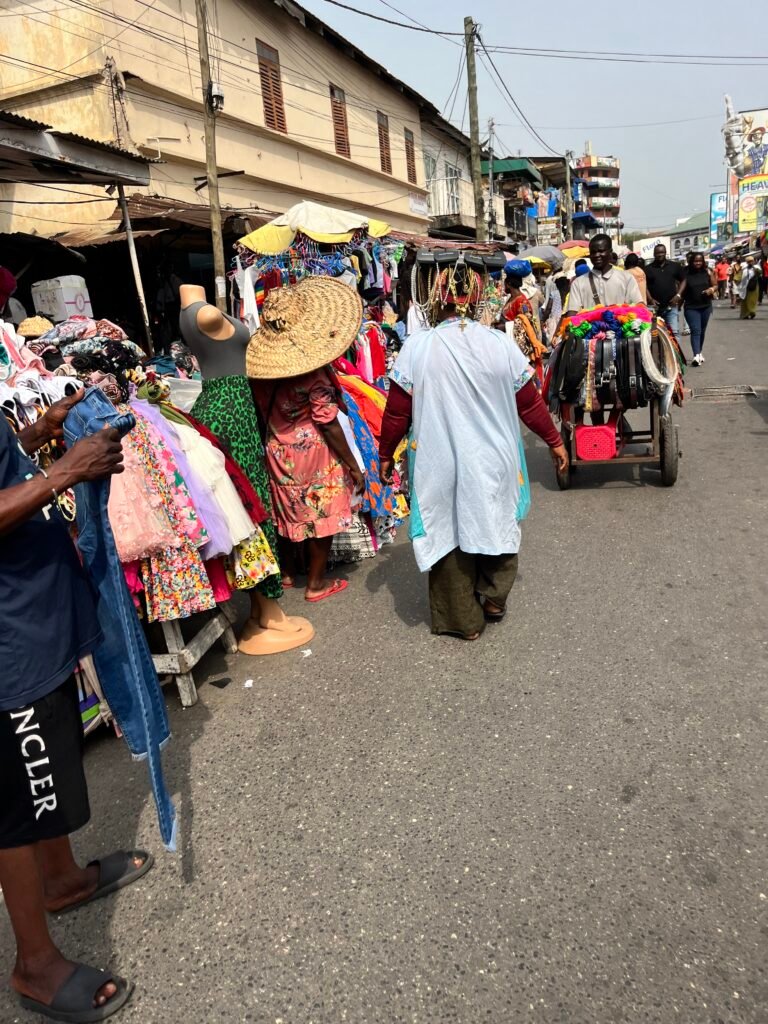
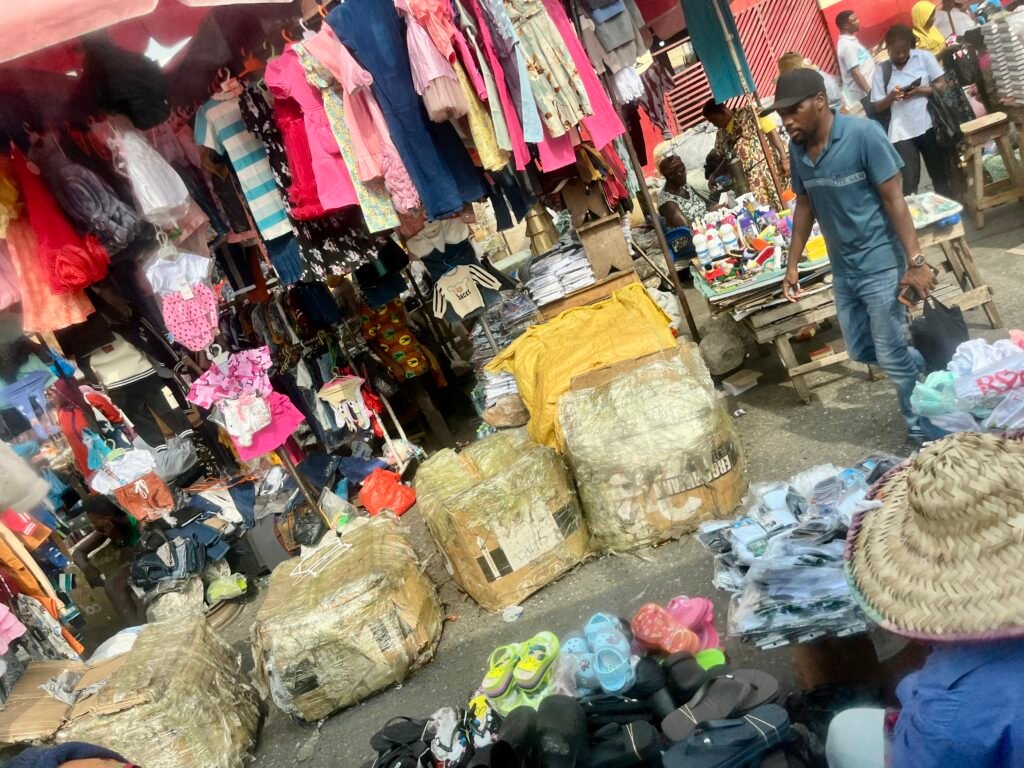
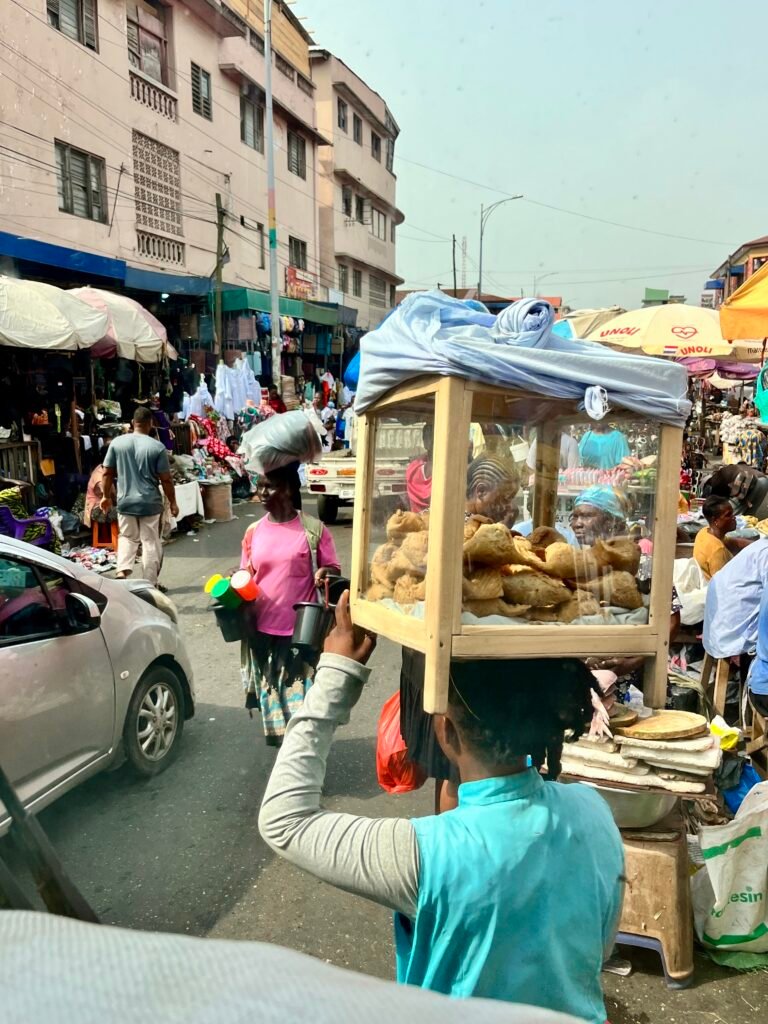
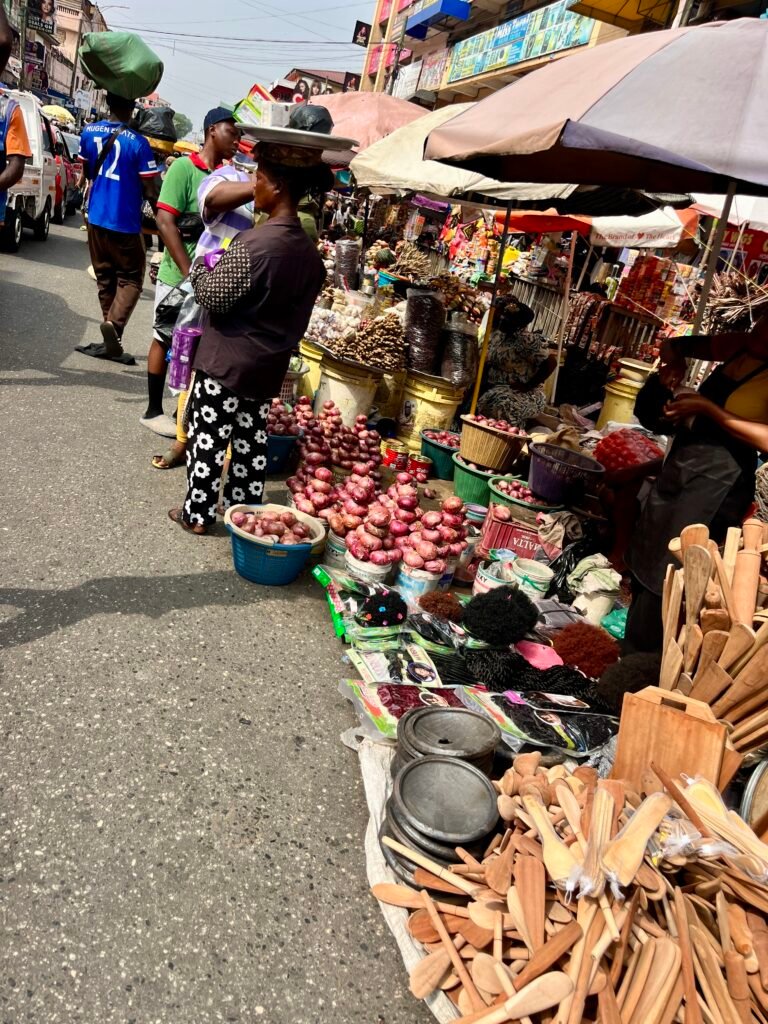
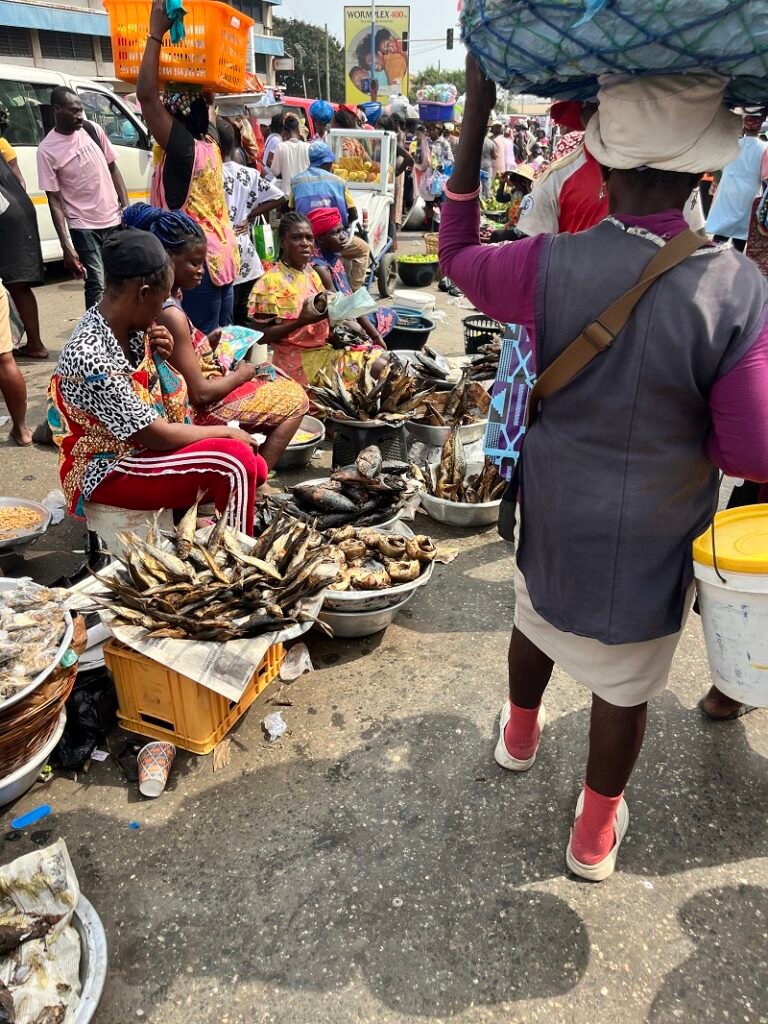
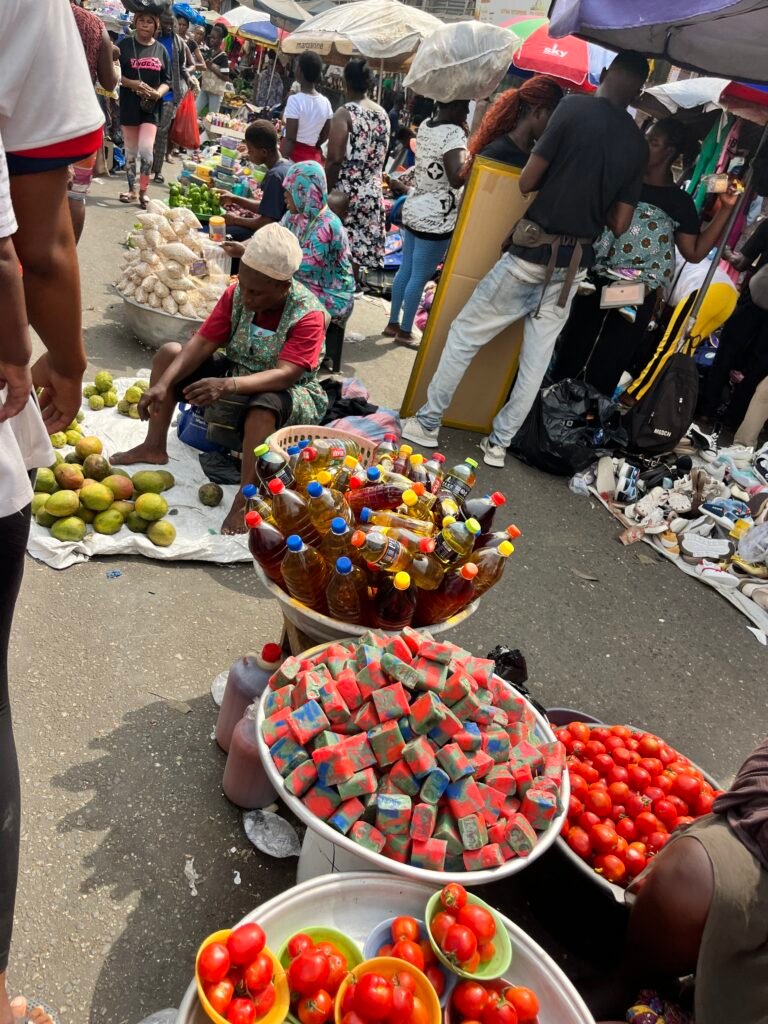
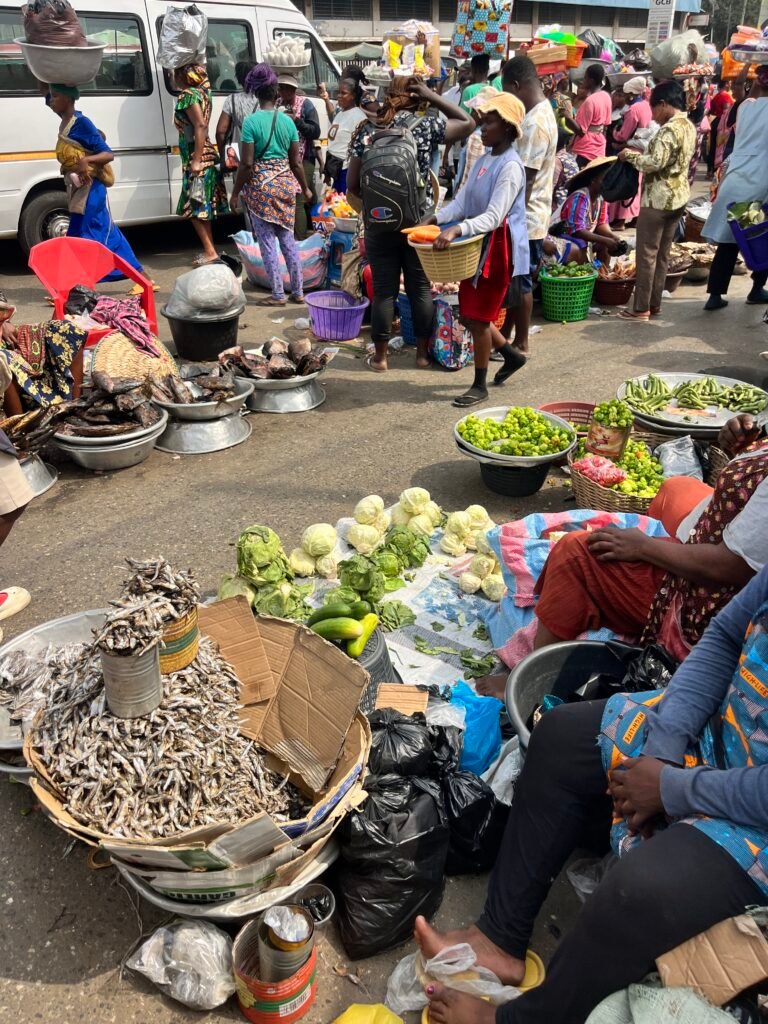
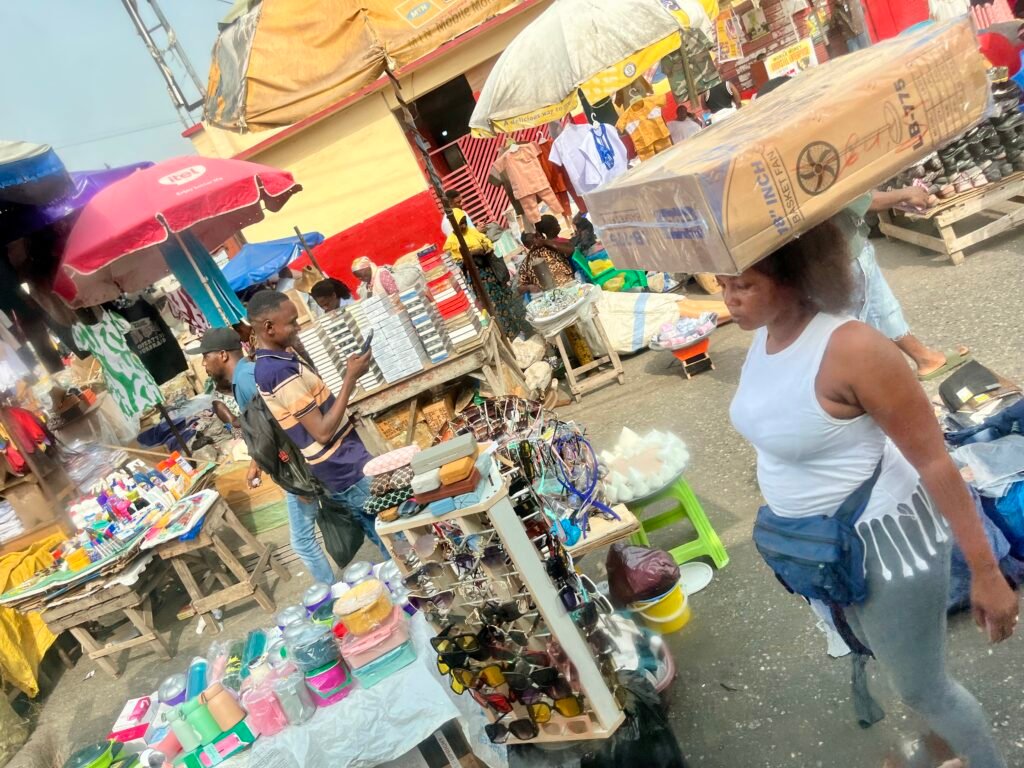
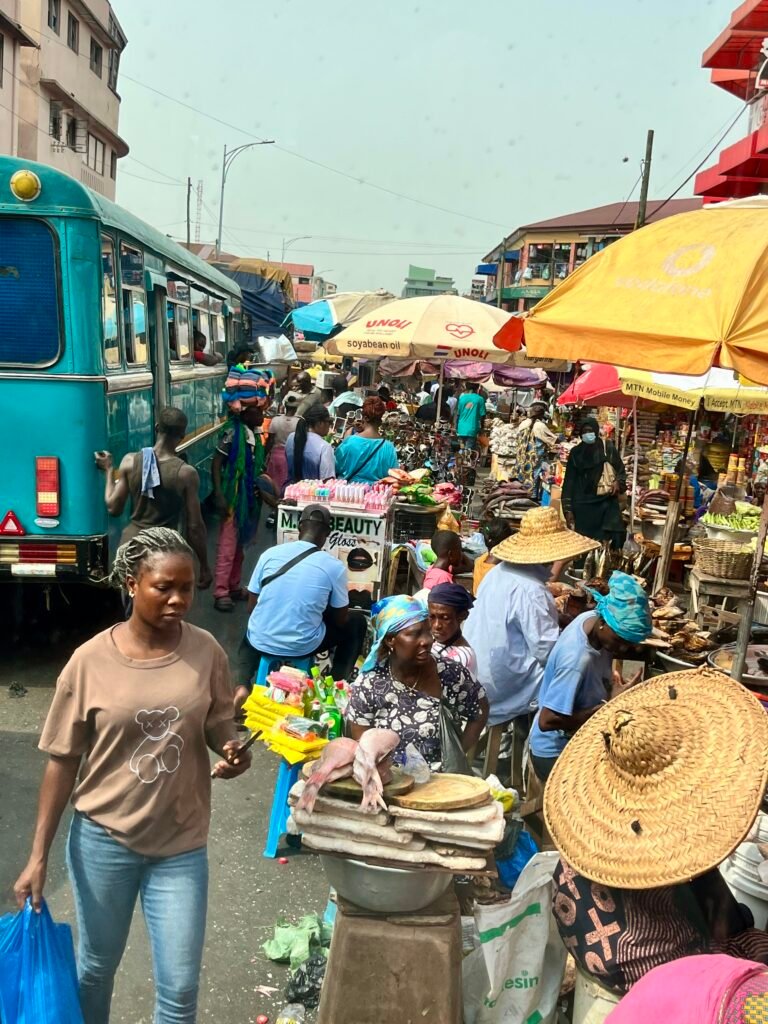
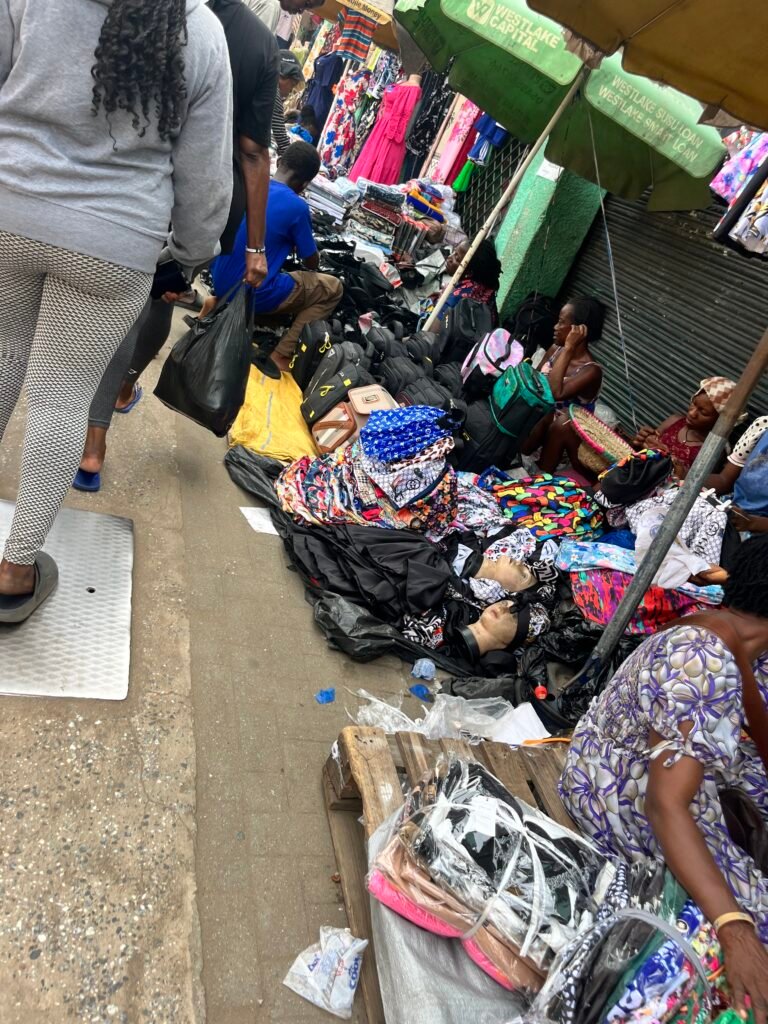
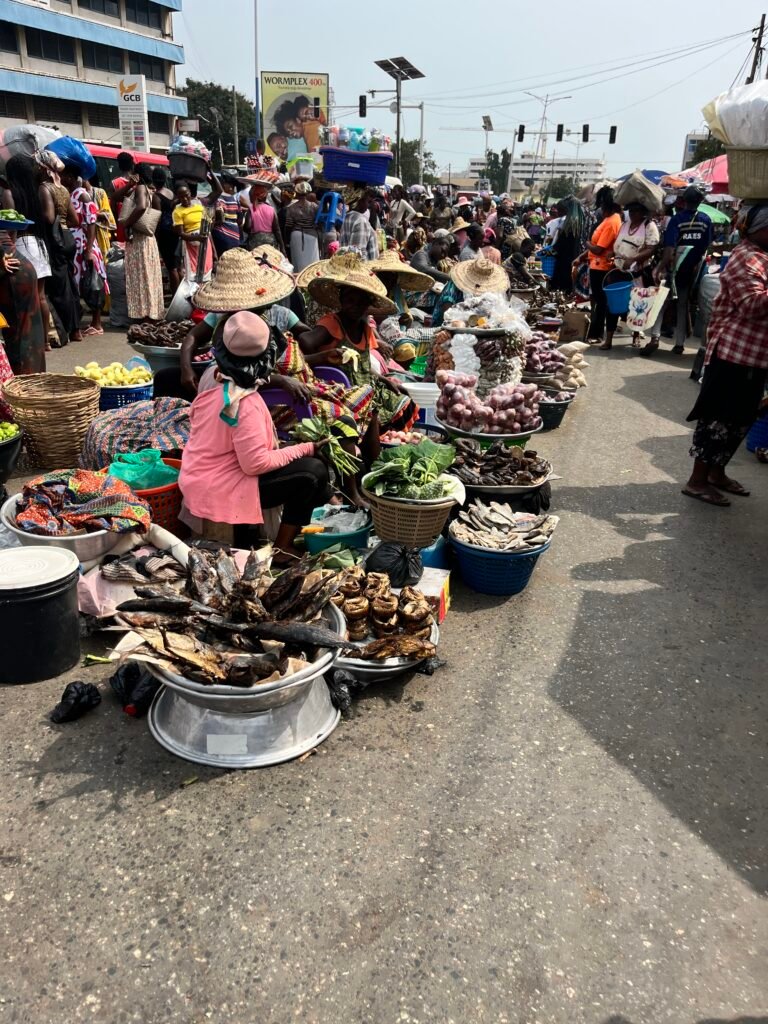
Traders have returned to the streets of Accra, occupying pavements and stretches of some roads after the last major decongestion exercise.
The exercise, which was aimed at restoring order in areas like Kingsway, CMB, Rawlings Park, Tudu etc, have now been defeated.
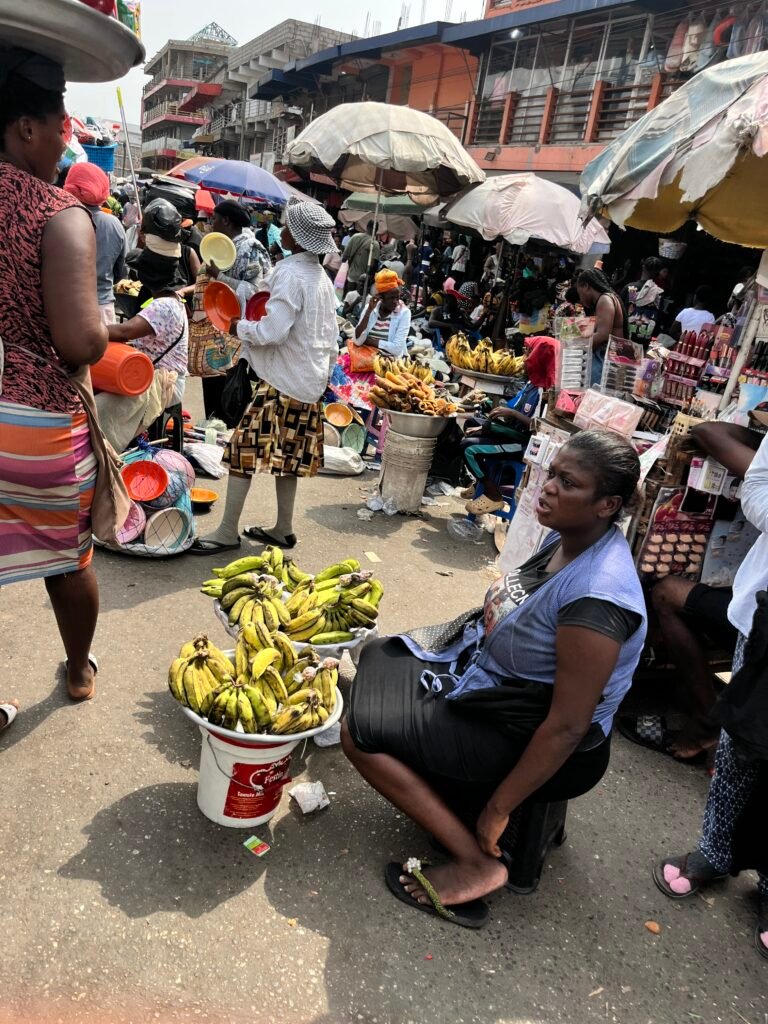
From Kingsway to Rawlings Park, traders display several wares including, footwear, herbal medicines, plastic products, fresh fish, second-hand clothing, and vegetables, among others.
Local Evangelists are also not left out as they scramble for spaces on the streets.
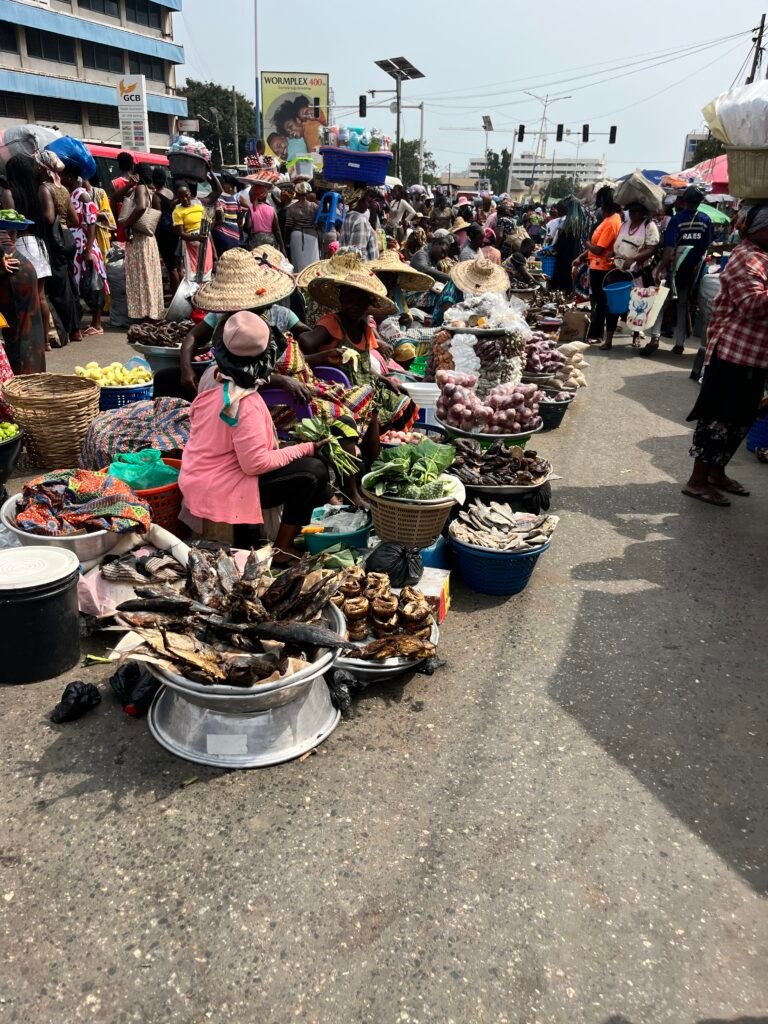
Pedestrians, therefore, find it difficult to move around when shopping, due to the human and vehicular congestion created by the traders.
In an interview with The Spectator, Auntie Abigail, a trader, said her return to the streets was to sell more, and she saw nothing wrong with it.
Hajia, who deals in wholesale items, indicated that they were unable to make sales as their colleagues move to the pavement and since customers don’t want to come inside, they prefer to buy from them.
Meanwhile, the Chief Executive Officer of Accra Metropolitan Assembly, Michael Kpakpo Allotey, has given traders a grace period to go back to their shops.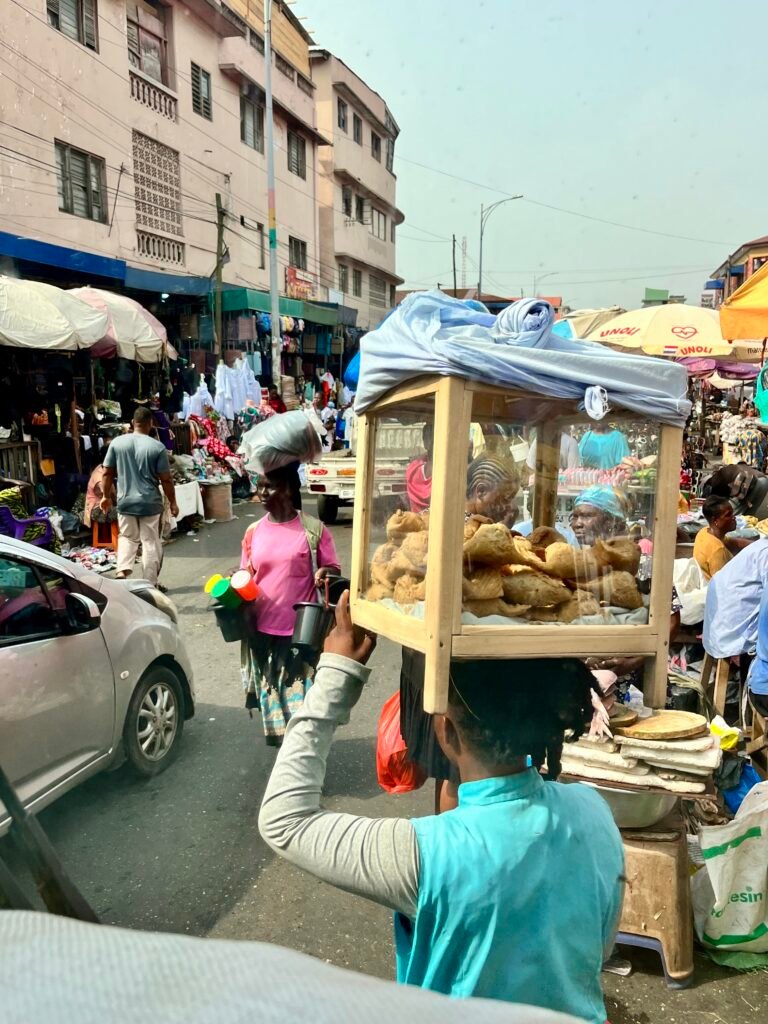
By Linda Abrefi Wadie
Join our WhatsApp Channel now!
https://whatsapp.com/channel/0029VbBElzjInlqHhl1aTU27