Gender
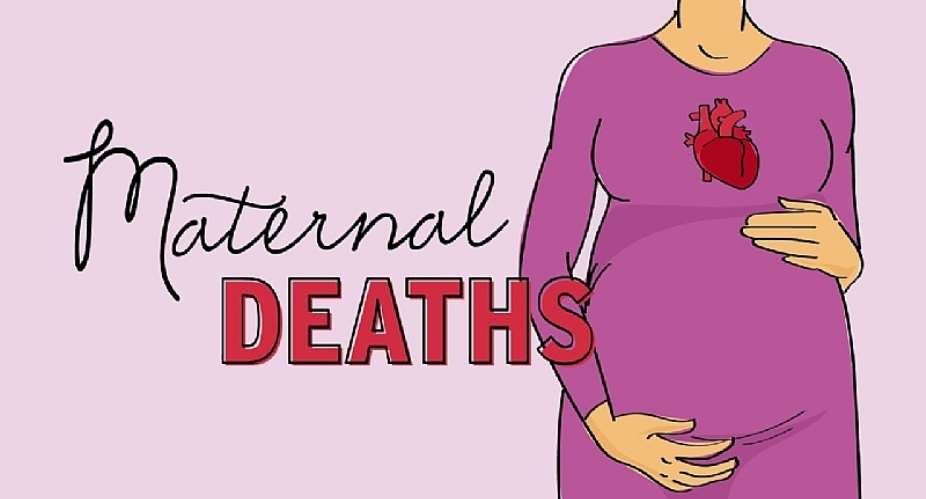
Ending maternal mortality: A national, moral duty to mothers

- /home/u249204778/domains/spectator.com.gh/public_html/wp-content/plugins/mvp-social-buttons/mvp-social-buttons.php on line 27
https://spectator.com.gh/wp-content/uploads/2026/01/Maternal-mortality-is-failure-of-care-equity-and-accountability.jpg&description=Ending maternal mortality: A national, moral duty to mothers', 'pinterestShare', 'width=750,height=350'); return false;" title="Pin This Post">
- Share
- Tweet /home/u249204778/domains/spectator.com.gh/public_html/wp-content/plugins/mvp-social-buttons/mvp-social-buttons.php on line 72
https://spectator.com.gh/wp-content/uploads/2026/01/Maternal-mortality-is-failure-of-care-equity-and-accountability.jpg&description=Ending maternal mortality: A national, moral duty to mothers', 'pinterestShare', 'width=750,height=350'); return false;" title="Pin This Post">
When Ama Serwaa stepped out of her room that night, she paused at the doorway and looked back. Her two-year-old son was asleep, his tiny chest rising and falling gently. She bent, kissed his forehead and whispered, “Mummy will be back soon.”
It was a promise she never kept.
Ama was 28, seven months pregnant, and hopeful. She had been feeling unwell all day, but as many women do, she tried to endure it. When the bleeding started, fear crept in.
By the time her husband and neighbours realised it was serious, night had fallen and transport was hard to find. The nearest health facility was far away. Every minute felt like an hour.
By the time Ama arrived at the Ada district hospital, she was barely conscious. Within minutes, she was gone. Her unborn baby died with her.
In one night, a child lost his mother, a husband lost his wife, and a family lost its future. Ama became another silent statistics- another woman who left home pregnant and never returned alive.
Maternal mortality remains a challenge as far as reproductive healthcare services in Ghana are concerned.
The World Health Organisation (WHO) defines it as the death of a woman while pregnant or within 42 days of termination of pregnancy, regardless of the duration of the pregnancy, from any cause related to or aggravated by the pregnancy or its management but not from accidental or incidental causes.
This continues to be a great concern with majority of all maternal deaths occurring in developing Africa with more than half in Sub- Saharan Africa.
The Ghana Health Service (GHS) says, the country has recorded a slight increase in the institutional maternal mortality rate for 2024.
Data presented by the Director for Family Health, Dr Kennedy Brightson, at the Fifth National Maternal, Child Health, and Nutrition Conference in Accra shows a rise from 109.22 per 100,000 live births in 2023 to 110 per 100,000 live births in 2024.
Owing to the still high levels of maternal mortality in developing countries, especially Africa, it is now increasingly being recognised that actions required to achieve improvements in maternal health should involve comprehensive, multi-faceted approach.
Across Ghana, stories like Ama’s unfold quietly. There are no sirens, no headlines, no public mourning. Just hurried burials, unanswered questions and children growing up with fading memories of a mother’s voice.
It is this painful reality that formed the backdrop to a high-level Maternal Mortality Roundtable attended by the Minister for Gender, Children and Social Protection, Dr Agnes Naa Momo Lartey, as Ghana intensifies efforts to end preventable maternal deaths.
The roundtable, convened by the Office of the President through the SDGs Advisory Unit, in collaboration with the United Nations Population Fund (UNFPA) and the National Development Planning Commission (NDPC), was held under the theme: “No woman should lose her life to give a life.”
But for families like Ama’s, these words must mean more than fine speeches and conference banners. They must mean real change that reaches the last woman in the last village.
Speaking with emotion and urgency, Dr Lartey reminded participants that maternal mortality is not just a medical failure, but a failure of care, equity and accountability.
“Saving women’s lives must go beyond rhetoric,” she stressed. “It must be seen, felt and materialised in our communities, our clinics and our homes.”
She called for strong community accountability mechanisms, warning that when maternal deaths are normalised or hidden, society becomes complicit in the loss. Every woman who dies in childbirth, she noted, leaves behind a trail of grief that does not end at the grave.
“History will not judge us by the speeches we deliver today,” the Minister said quietly, “but by the lives we save through the path we take.”
She urged all stakeholders, government agencies, development partners, traditional and religious leaders to move beyond promises to clear commitments, timelines and responsibility, insisting that maternal health cannot remain an annual discussion while women continue to die daily.
Yet Dr Lartey was equally clear that the fight against maternal deaths also begins with women themselves. She urged pregnant women to take antenatal and postnatal care seriously, noting that many complications are preventable or manageable if detected early.
Health experts present acknowledged a painful truth: some women delay or skip antenatal visits because of distance, cost, fear or cultural beliefs. But these visits can be the thin line between life and death the place where danger signs are noticed before it is too late.
Dr Lartey reminded the nation that maternal health is not the burden of one ministry alone, but a shared moral responsibility — from policy makers to health workers, from chiefs to pastors, from husbands to neighbours.
“When women survive, children are born, families thrive, communities prosper and nations grow,” she said. “Saving women’s lives is not charity. It is justice.”
Today, Ama’s son calls his grandmother “Mama.” Her husband still keeps her cloth folded neatly in a box.
Her absence is felt in small, crushing ways an empty seat, an unanswered call, a child asking questions no one can answer.
Ama’s death should not be just another story told and forgotten. It should be a reminder and a warning.
If Ghana’s commitments remain words on paper, more women will leave home pregnant and never return. But if action replaces rhetoric, if women are supported to seek care, and if communities refuse to stay silent, then fewer families will have to whisper goodbye at a graveside.
By Esinam Jemima Kuatsinu

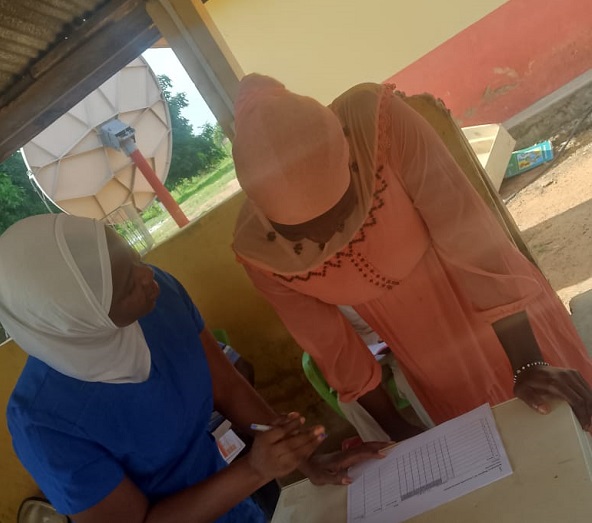
Across many rural communities, midwives continue to provide care in circumstances that tests their skills, patience and resilience.
They attend to women at all hours, manage emergencies, work with limited supplies and support mothers and newborns even when the resources available to them are far from adequate.
Their work may often go unnoticed, but for the mothers and babies whose lives they touch, the presence of a committed midwife can make all the difference.
At Jeffisi in the Sissala West District of the Upper West Region, demands of the job as a midwife meant that Hafisatu Sadik Gbanha does not close from work when she should.
Antenatal care (ANC) services at the facility officially ran from 8am to 2pm but labour and delivery cases could come at any time.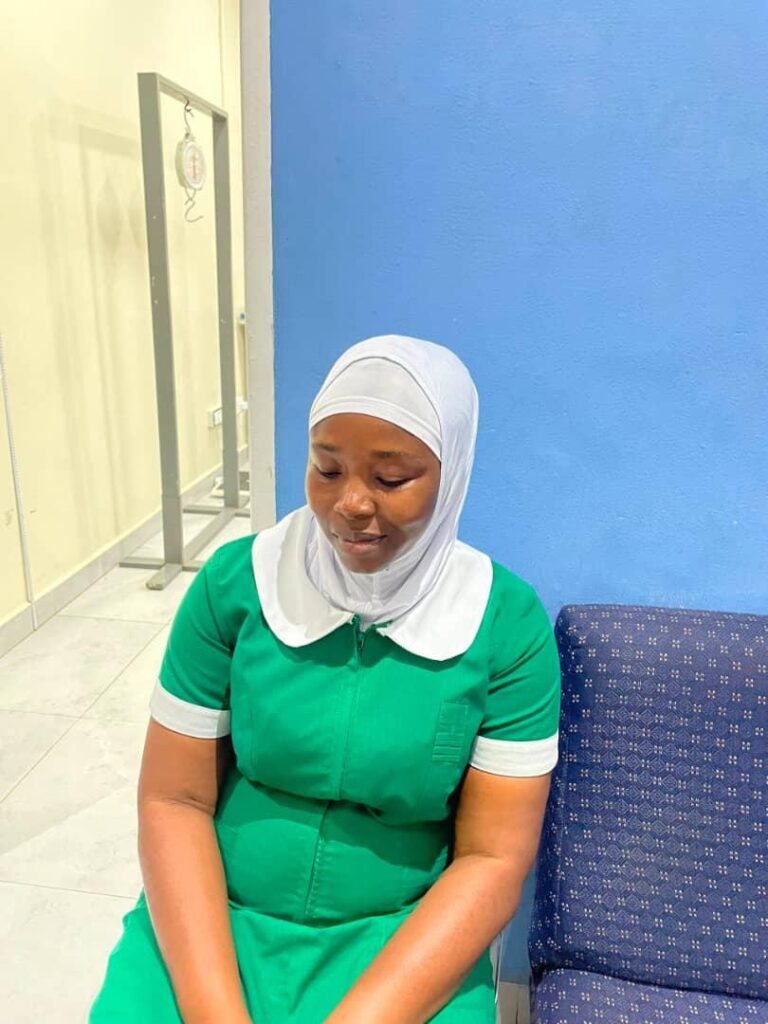
A woman in labour could arrive after the ANC session had ended, late in the evening or in the early hours of the morning, and Mrs Gbanha had to be ready to attend to her.
Sometimes, she works through the day and night, depending on the number of cases that comes to the facility.
“I used to live in the facility. ANC services start at 8am and end at 2pm. Labour and delivery cases were managed anytime they arrived. So I can work day and night alone depending on the number of cases that come to the facility,” she recalled.
Her experience gives an insight into the realities of maternal healthcare in rural Ghana, where midwives often have to work under demanding conditions while dealing with shortages of equipment, medicines and other basic supplies.
Mrs Gbanha identified lack of logistics, heavy workloads, overtime, stress and burnout among the major challenges she faces at Jeffisi.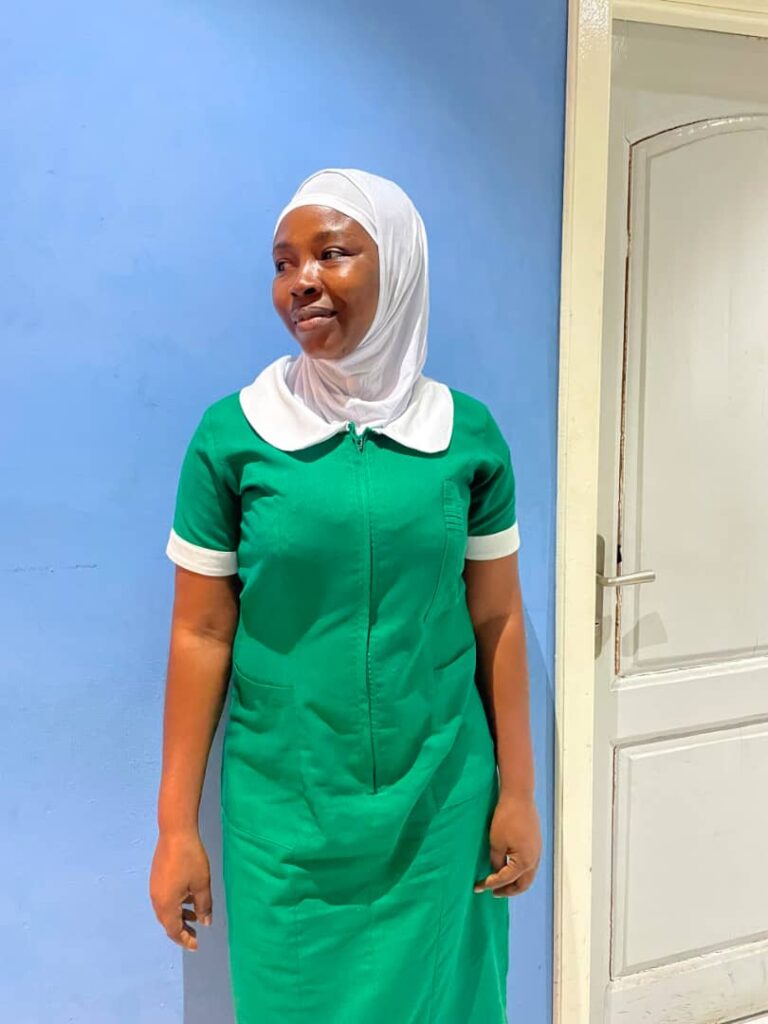
The situation, she said was made more difficult by poverty among some clients and poor road networks, particularly when women needed to be referred to higher-level facilities for further care.
At the facility, some essential items were unavailable, including a fetal Doppler, a standard delivery bed, gloves, basic life-support medicines and machines.
For a midwife handling a difficult delivery, the absence of such basic resources can turn an already challenging situation into a desperate one.
One particular delivery remains with Mrs Gbanha. It involved a woman carrying twins. One of the babies was presenting in a breech position while the other was presenting cephalically.
At the time, there were no gloves available. With the delivery needing immediate attention, Mrs Gbanha improvised by using rubber gloves.
Both babies were eventually delivered, although they had low birth weight. She recommended that the mother be referred for further management, but the woman declined.
Mrs Gbanha then initiated bonding, exclusive breastfeeding and kangaroo mother care for the babies. She also conducted home visits for two weeks to monitor the mother and her newborns. The twins are now two years old.
The experience, she said, reflects the difficult decisions rural midwives sometimes have to make when resources are limited and a patient needs care beyond what the facility can provide.
In such situations, early referral and reliable transportation to a higher-level facility are critical, yet arranging transportation and referrals can be a major challenge.
Mrs Gbanha said arranging referral could be very difficult citing poverty and poor road networks as major factors.
For women in rural communities, access to maternal healthcare can also be affected by factors outside the health facility.
Mrs Gbanha identified ignorance, lack of family support, including support from husbands, long distances and poor roads as some of the reasons women delay seeking antenatal and maternity care.
Such delays can have serious consequences when complications develop and urgent care is required. The consequences, she said, can include complications from disease conditions and, sometimes, loss of life.
Challenges
While much of the attention in maternal healthcare focuses on mothers and babies, the demands placed on the midwives providing such care is sometimes overlooked.
Rural midwives are faced with long working hours, heavy workloads, overtime and the pressure of dealing with emergencies which often takes a toll on them physically and emotionally.
This could lead to stress, depression and burnout, adding that rural midwives often receive little support.
Despite these difficulties, Mrs Gbanha said there are moments that make the work worthwhile.
She said seeing mothers and their babies healthy and happy remains one of her greatest sources of satisfaction while drawing strength from the trust that women place in her, particularly when former clients continue to call her by name for her services and assistance.
Those moments, she said, remind her why she chose the profession.
Way Forward
Mrs Gbanha urged government and policymakers to better understand the realities of working in rural communities and provide midwives with the resources and training they need.
“Rural midwives lack support and basic logistics and on-the-job training that will aid them carry out their duties,” she said.
She called for greater support for rural midwives, including basic logistics and regular on-the-job training.
By Esinam Jemima Kuatsinu
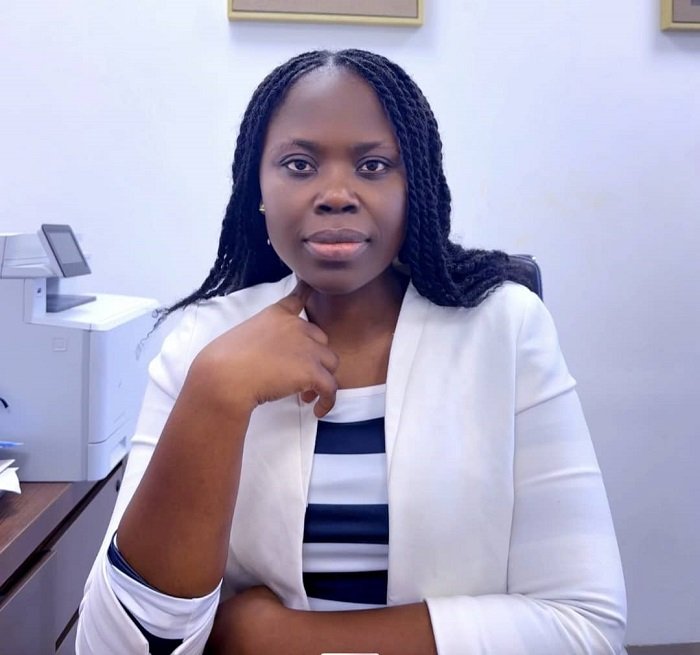
The Founder of The Raissa Child Protection Initiative (TRCPI), Ms Raissa Sambou, has called for intensified efforts to eliminate child labour across Africa, describing the practice as a serious violation of children’s rights and a major threat to their development and future.
She urged governments, individuals, civil society organisations, religious bodies, and traditional and religious leaders to work together to protect children from all forms of labour that deprive them of their childhood, education, and well-being.
Ms Sambou made the call on Thursday as the world marked the World Day Against Child Labour, an annual observance held on June 12 to raise awareness about child labour and mobilise action towards its elimination. This year’s commemoration was observed under the theme, “Red Card to Child Labour: Fair Play for Children, Decent Work for Adults.”
According to her, child labour continues to affect thousands of children across Ghana and other parts of Africa, exposing them to exploitation and denying them opportunities to reach their full potential.
“Child labour can affect the physical, emotional and psychological well-being of children. It interrupts their education, exposes them to abuse and exploitation, increases their risk of injuries and long-term health problems, and limits their chances of breaking the cycle of poverty,” she stated.
Ms Sambou further noted that children engaged in labour often suffer from low self-esteem, social exclusion and trauma, with many unable to acquire the skills and education needed to contribute meaningfully to national development.
She stressed that protecting children was a collective responsibility and called for stronger enforcement of child protection laws, increased public awareness, and greater investment in social protection programmes for vulnerable families.
Ms Sambou also identified poverty as one of the major drivers of child labour and warned that failure to address economic hardship would continue to expose children to exploitation and other forms of abuse.
She called on policymakers to strengthen interventions aimed at reducing poverty, improving access to quality education and supporting struggling households.
“We must not allow ignorance and poverty to thrive. When poverty is not adequately addressed, it fuels child labour and other crimes against children. Let the systems work effectively to shield every child from harm and give them the opportunity to learn, grow and succeed,” she added.
The World Day Against Child Labour was established by the International Labour Organisation in 2002 to focus global attention on the need to eradicate child labour and protect the rights and welfare of children worldwide.
By Esinam Jemima Kuatsinu

 News4 days ago
48 Engineer Regiment to be major sub-contractor on Accra-Kumasi Expressway, $2bn ready- Prez Mahama
- Entertainment1 week ago
Fiifi Coleman Productions adapt ‘I Told You So’ stage play into feature film
- News1 week ago
Ghanaian journalist celebrates Texas town’s ‘Eden of the Far West’ tag after mayor’s nod