Hot!
Eastern Regional Minister urges House of Chiefs to amicably solve disputes

- /home/u249204778/domains/spectator.com.gh/public_html/wp-content/plugins/mvp-social-buttons/mvp-social-buttons.php on line 27
https://spectator.com.gh/wp-content/uploads/2023/12/DSC9563_044320.jpg&description=Eastern Regional Minister urges House of Chiefs to amicably solve disputes', 'pinterestShare', 'width=750,height=350'); return false;" title="Pin This Post">
- Share
- Tweet /home/u249204778/domains/spectator.com.gh/public_html/wp-content/plugins/mvp-social-buttons/mvp-social-buttons.php on line 72
https://spectator.com.gh/wp-content/uploads/2023/12/DSC9563_044320.jpg&description=Eastern Regional Minister urges House of Chiefs to amicably solve disputes', 'pinterestShare', 'width=750,height=350'); return false;" title="Pin This Post">
The Eastern Regional Minister and Chairman of the Regional Security Council (REGSEC), Mr Seth Kwame Acheampong has raised concern about the increasing threat to security and public safety posed by chieftaincy disputes in some parts of the region.
According to him, the hydra-headed problem of chieftaincy disputes continued to be a threat to peace and security in the region, adding that the disputes arose mostly from disagreement over traditional boundaries, property and the right to stool occupancy.
“Indeed, it is not within the purview of the REGSEC to adjudicate these disputes as they are to be resolved by the traditional authorities themselves,” he said and appealed to the Eastern Regional House of Chiefs to step up their efforts in resolving the disputes to pave way for development in the communities in the region.
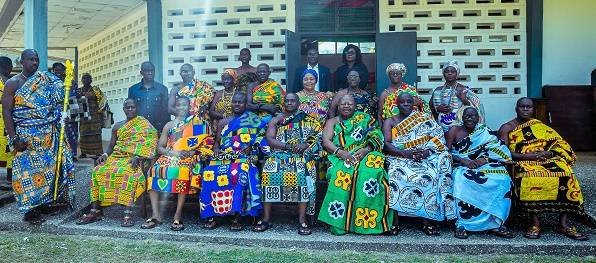
Mr Seth Acheampong made these statements yesterday during the end of year general meeting organised for this year by the Eastern Regional House of Chiefs in Koforidua.
The meeting was purposed to enable the chiefs take stock of the activities of the House during the past year and to plan for the coming year.
Mr Seth Acheampong indicate that the REGSEC has, on a number of times, been compelled to take certain decisions to avert breach of peace in some parts of the region in accordance with the provisions of the Security and Intelligence Agencies Act, 2020, (Act 1030).
“I humbly plead with Nananom to bear with the security when such situations arise. It is in the interest of peace,” he said.
He stated that he was aware the House was doing it best to solve the disputes and called on them to continue to support the REGSEC to ensure peace and security in all the traditional areas in the region.
Speaking on capacity building, the Eastern Regional Minister said for the chiefs to be able to perform their function in contemporary times, there was the need to build their capacity to catch up with the complexities in today’s traditional governance.
“It is however important to note that there is a paradigm shift in the functions performed by traditional leaders in contemporary times as they have to tackle poverty, illiteracy, crime, injustice, and environmental degradation among others.”
He said for that reason it has become imperative for traditional leaders to be trained in traditional leadership issues, land administration, conflict management, records and documentation management.
He added that their training could be effective and become useful if they were carried out regularly and extended to cover sub-chiefs and other staff of Traditional Council who play key roles in traditional governance.
For his part, the President of the Eastern Regional House of Chiefs, Nene Sakite II appealed to community members to unite behind their traditional rulers to enable various traditional areas to continue to witness massive development in the years to come.
He stated that development must go hand in hand with peace and unity, adding that chieftaincy institution was the security bedrock of the country, hence the need for parliament to give chiefs back their powers to operate efficiently to maintain peace, security and development
He revealed that the House has been able to dispose off eight chieftaincy cases and would do its best to solve the remaining cases.
From Ama Tekyiwaa Ampadu Agyeman, Koforidua


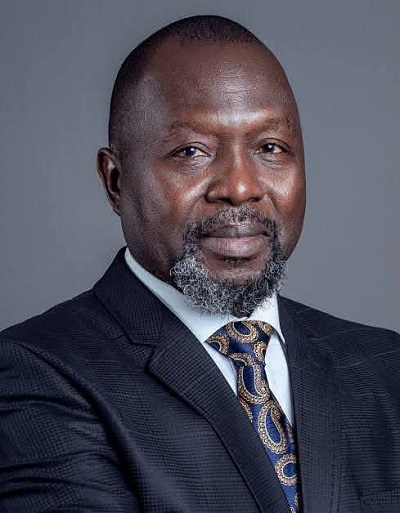
Attorney General and Minister for Justice, Dr. Dominic Ayine, has announced that the government has accepted the recommendation to abolish the death penalty and replace it with life imprisonment as part of the constitutional review process.
He said the proposed amendment would affect Articles 3, 13, 19 and 72 of the 1992 Constitution, with offences that previously attracted the death penalty instead carrying life imprisonment.
Dr. Ayine made the announcement on July 30, 2026, at the Jubilee House in Accra during the Government Accountability Series while outlining the government’s position on the final recommendations of the Constitution Review Committee.
According to him, the government believes the death penalty is inconsistent with the constitutional right to life and Ghana’s international human rights obligations.
He explained that the recommendation forms part of broader proposals aimed at strengthening the protection of fundamental human rights under the Constitution.
Dr. Ayine said the government had also accepted the spirit of several recommendations to expand rights relating to women, children, persons with disabilities, older persons and the youth.
He added that a comprehensive Human Rights Act would be introduced to protect these rights and provide detailed enforcement mechanisms instead of amending the entrenched provisions of the Constitution through a national referendum.
By: Jacob Aggrey
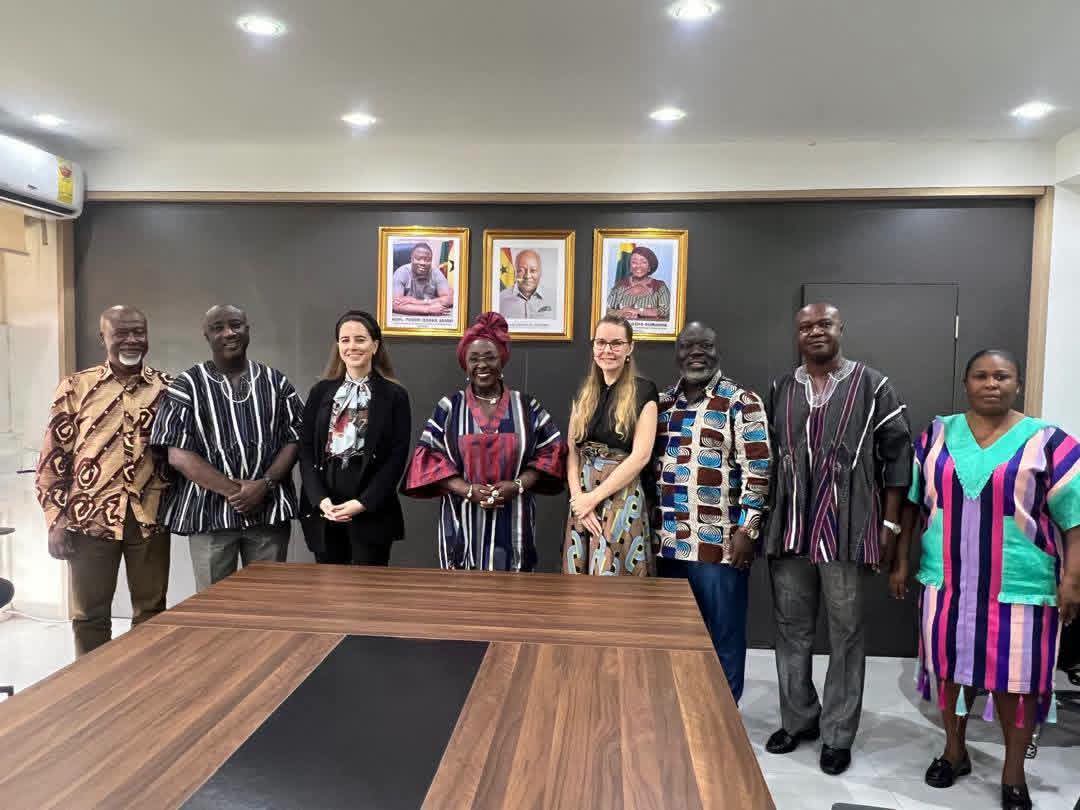
Minister for Tourism, Culture and Creative Arts, Abla Dzifa Gomashie, has called on both local and international investors to tap into opportunities in Ghana’s tourism, hospitality and creative industries.
Speaking in an interview yesterday with World Media USA Today, the Minister said government is committed to creating a conducive investment environment to support growth in the sector.
She highlighted key investment areas including hotels, fashion, music, film production, and tourism infrastructure.
Dzifa Gomashie also encouraged Ghanaians to invest in domestic tourism to help boost the local economy.
According to her, strategic investment in tourism and the creative economy will drive economic transformation, create jobs, and position Ghana as Africa’s gateway for heritage, culture, business and investment.
“Ghana has vast opportunities across tourism, hospitality and the creative industries. We are ready and open for business,” she stated.
The Minister’s remarks come as government intensifies efforts to leverage culture and tourism as drivers of economic growth and job creation.
By Edem Mensah-Tsotorme