Hot!
‘Donate blood to stock blood bank’


- /home/u249204778/domains/spectator.com.gh/public_html/wp-content/plugins/mvp-social-buttons/mvp-social-buttons.php on line 27
https://spectator.com.gh/wp-content/uploads/2022/08/Mrs-Afua-Dadzie-right-with-a-blood-donor.jpg&description=‘Donate blood to stock blood bank’', 'pinterestShare', 'width=750,height=350'); return false;" title="Pin This Post">
- Share
- Tweet /home/u249204778/domains/spectator.com.gh/public_html/wp-content/plugins/mvp-social-buttons/mvp-social-buttons.php on line 72
https://spectator.com.gh/wp-content/uploads/2022/08/Mrs-Afua-Dadzie-right-with-a-blood-donor.jpg&description=‘Donate blood to stock blood bank’', 'pinterestShare', 'width=750,height=350'); return false;" title="Pin This Post">
● Mrs Afua Dadzie, (right) with a blood donor
Mr. Stephen Kwaku Danso, a Blood Programme Officer with the National Blood Service, Accra, has urged Ghanaians to donate more blood in order to stock the National Blood Bank to save lives.
Lamenting on the low number of voluntary blood donors in the country, he said this posed danger to the healthcare system when blood was not available for transfusion during emergencies.
He observed that, in Ghana, less than one per cent of the population willingly donated blood during blood donation campaigns organised by corporate organisations, health facilities, and religious groups among others.
The low participation of individuals during blood donation campaigns isa very bad phenomenon which needs to be addressed by a constant awareness creation to educate the public on the need to give blood to help treat emergency life-threatening cases at the health facilities,” he said.
The Blood Programme Officer stressed that, it was very important to demystify myths surrounding blood donation because it was a national concern that should be tackled by all to help stock the National Blood Bank.
Mr. Danso made this call in an interview with The Spectator during an annual blood donationorganised by Lister Hospital and Fertility Centre, in Accra dubbed “100 pints blood donation campaign”.
He again said with worry that, “blood cannot be artificially manufactured in any form and shortage of blood at the National Blood Bank is disadvantageous to human survival during emergencies.”
He encouraged organisations and groups to alwaysorganise blood donation and champion the cause as a national concern to saving precious lives.
Mr. Danso told The Spectator that females and males between 17 and 60 years were eligible to donate blood.
Touching on the blood donation cycle per year, he said an individual could donate blood three times in a year “because blood donation can be done after every four months.”
He commended Lister Hospital and Fertility Centre for organising blood donation exercise every year as a viable alternative for stocking the National Blood Bank to save lives in critical conditions.
Mrs. AfuaDadzie, Business Development Manager at Lister Hospital and Fertility Centre said it was very important to organise blood donation as a health facility celebrating its 18 years anniversary of providing holistic healthcare to patients.
According to her, accident victims, sickle cell and cancer patients, pregnant women among other group of individuals are always in need of blood during stages of where blood was required to be transfused.
“You can have the best doctor, best health equipment and when blood is required for transfusion and blood is not available, you can die”, she said.
Mr. Christian Akrofi, a donor who participated in the “100 pints blood donation campaign”, pledge to donate blood every four months to help stock the National Blood Bank to save lives.
By Alfred Nii Arday Ankrah

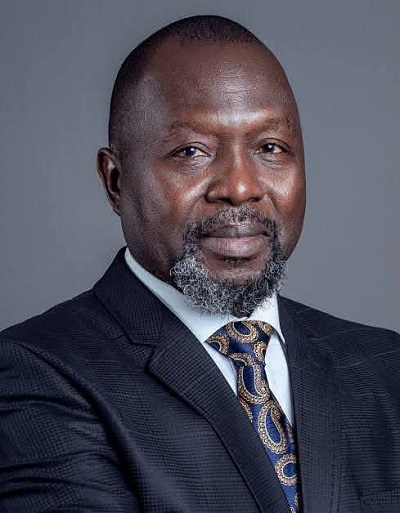
Attorney General and Minister for Justice, Dr. Dominic Ayine, has announced that the government has accepted the recommendation to abolish the death penalty and replace it with life imprisonment as part of the constitutional review process.
He said the proposed amendment would affect Articles 3, 13, 19 and 72 of the 1992 Constitution, with offences that previously attracted the death penalty instead carrying life imprisonment.
Dr. Ayine made the announcement on July 30, 2026, at the Jubilee House in Accra during the Government Accountability Series while outlining the government’s position on the final recommendations of the Constitution Review Committee.
According to him, the government believes the death penalty is inconsistent with the constitutional right to life and Ghana’s international human rights obligations.
He explained that the recommendation forms part of broader proposals aimed at strengthening the protection of fundamental human rights under the Constitution.
Dr. Ayine said the government had also accepted the spirit of several recommendations to expand rights relating to women, children, persons with disabilities, older persons and the youth.
He added that a comprehensive Human Rights Act would be introduced to protect these rights and provide detailed enforcement mechanisms instead of amending the entrenched provisions of the Constitution through a national referendum.
By: Jacob Aggrey
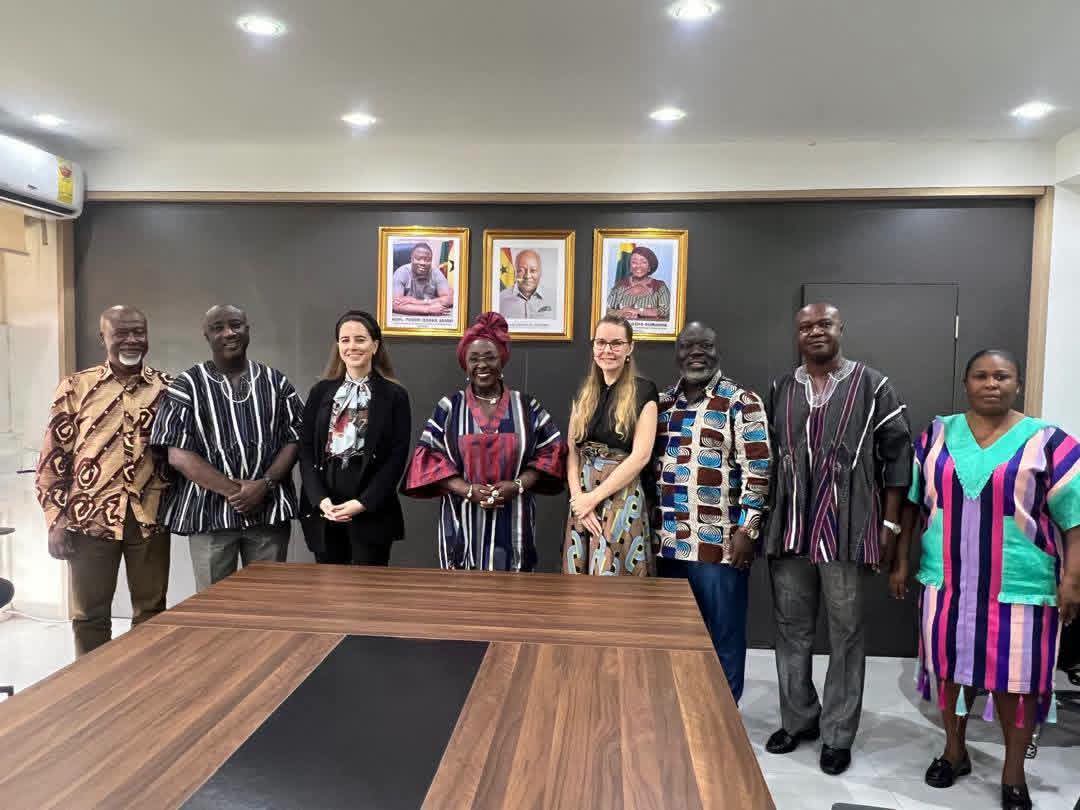
Minister for Tourism, Culture and Creative Arts, Abla Dzifa Gomashie, has called on both local and international investors to tap into opportunities in Ghana’s tourism, hospitality and creative industries.
Speaking in an interview yesterday with World Media USA Today, the Minister said government is committed to creating a conducive investment environment to support growth in the sector.
She highlighted key investment areas including hotels, fashion, music, film production, and tourism infrastructure.
Dzifa Gomashie also encouraged Ghanaians to invest in domestic tourism to help boost the local economy.
According to her, strategic investment in tourism and the creative economy will drive economic transformation, create jobs, and position Ghana as Africa’s gateway for heritage, culture, business and investment.
“Ghana has vast opportunities across tourism, hospitality and the creative industries. We are ready and open for business,” she stated.
The Minister’s remarks come as government intensifies efforts to leverage culture and tourism as drivers of economic growth and job creation.
By Edem Mensah-Tsotorme