Hot!
Confirmed COVID-19 tally now 5,918 … 1,754 recover, 31 die


- /home/u249204778/domains/spectator.com.gh/public_html/wp-content/plugins/mvp-social-buttons/mvp-social-buttons.php on line 27
https://spectator.com.gh/wp-content/uploads/2020/05/New-COVID-Dr-Patrick-Kuma-AboagyeD-GGHS-.jpg&description=Confirmed COVID-19 tally now 5,918 … 1,754 recover, 31 die', 'pinterestShare', 'width=750,height=350'); return false;" title="Pin This Post">
- Share
- Tweet /home/u249204778/domains/spectator.com.gh/public_html/wp-content/plugins/mvp-social-buttons/mvp-social-buttons.php on line 72
https://spectator.com.gh/wp-content/uploads/2020/05/New-COVID-Dr-Patrick-Kuma-AboagyeD-GGHS-.jpg&description=Confirmed COVID-19 tally now 5,918 … 1,754 recover, 31 die', 'pinterestShare', 'width=750,height=350'); return false;" title="Pin This Post">
Ghana yesterday recorded 183 new cases of coronavirus (COVID-19), putting its total tally at 5,918.
According to the Ghana Health Service (GHS), deaths resulting from the virus have risen to 31 from 29,although the number of recoveries remains at 1,754.
As it stands, the country’s active cases are 4,128 with five persons in critical and moderately ill conditions at the various treatment centres.
Director General of the GHS, Dr Patrick Kuma-Aboagye, at a press briefing in Accra yesterday, explained that the new cases had come from six out of the 16 regions across the country.
The Greater Accra Region, which remains the country’s epicentre, leads the new infections with 108, Ashanti Region 63, Volta seven, Central two, Oti two and the Eastern Region, one.
The Accra Metropolitan Area, Korle Klottey Municipal Assembly, Ayawaso West, Ledzokuku and Tema Metropolis recorded highest numbers for the Greater Accra Region with Obuasi and Kumasi Metropolis leading the Ashanti Region’s figure.
The Savannah, Ahafo and the Bono East regions still remain the areas with no confirmed cases of the virus in Ghana.
Touching on the spike in the number of recoveries, Dr Kuma-Aboagye clarified that the “exponential recovery rate is because we have more cases and it takes about three weeks for people to recover so the backlog of people who have tested negative over the period is what is coming in to increase the recoveries.”
The Director-General indicated that Ghana’s recovery rate stands at 29.6 per cent with further breakdown of the recoveries to include the Greater Accra, 22 per cent, “Ashanti with 213 recoveries, (24 per cent), Central, 14 recoveries (2 per cent), Oti (28 per cent), Western, eight recoveries and with North East Region, they had two cases, one died and the other has recovered.”
Meanwhile Dr Kuma-Aboagye pointed out that in the event of COVID-19 related deaths, families and health workers were not allowed to touch or come into contact with the deceased.
“We do what we call supervised burials so we have trained environmental health service workers who handle and assist the families to undertake such burials to prevent infections,” he stated.
Adding his voice, Dr Badu Sarkodie, Director of Public Health, GHS, said all pathologists who perform autopsies on COVID-19 related bodies, are well equipped with right personal protective equipment to ensure utmost safety.
“We also advise they exercise extra caution in handling specific organs, especially the parts known to have the highest concentration of the virus like the respiratory and gastric terminal systems because it is quite risky to do autopsy in such areas.”
BY ABIGAIL ANNOH


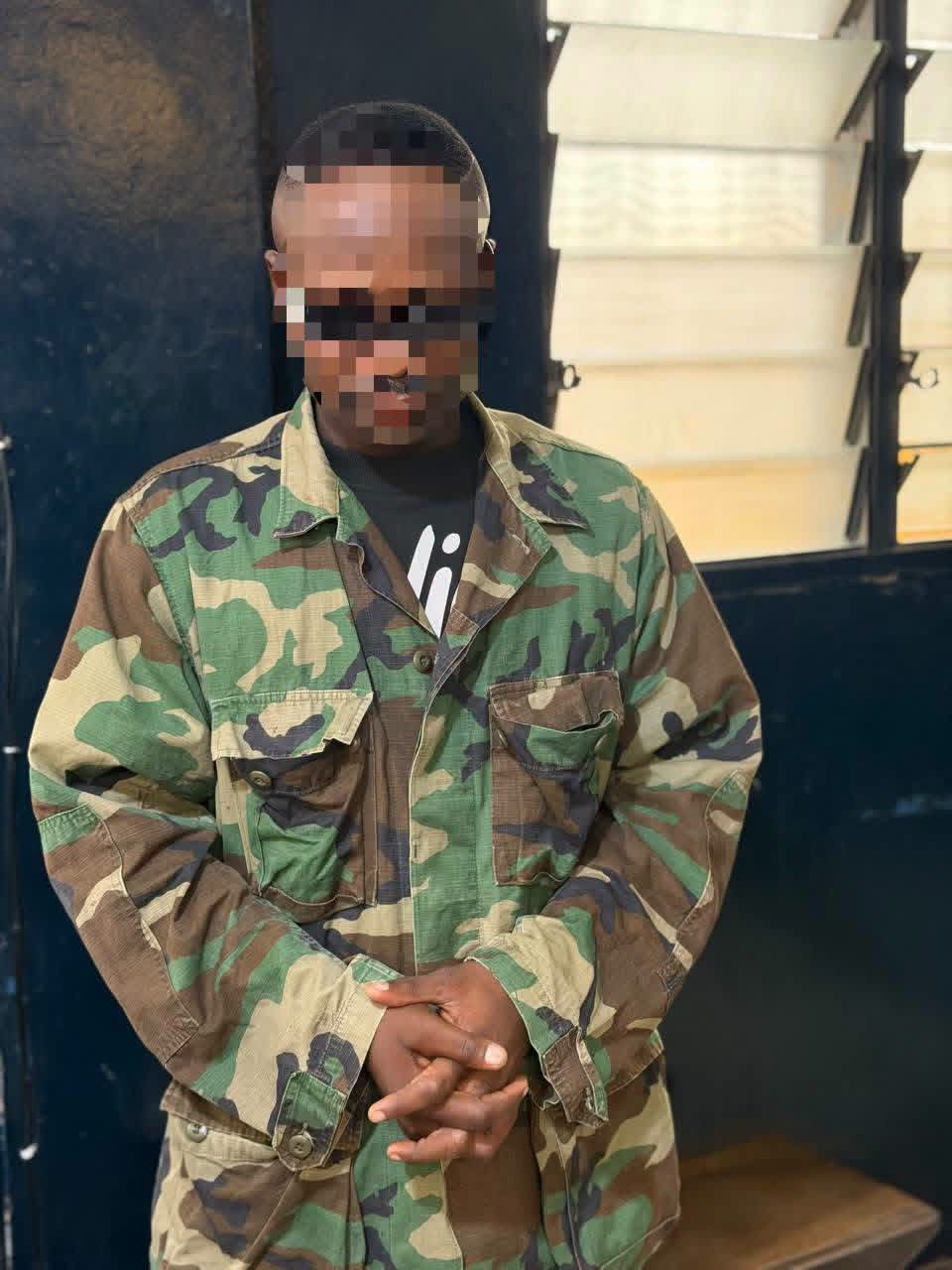
The Tema Regional Police Command has arrested a 32-year-old man for allegedly posing as a soldier and extorting money from unsuspecting members of the public at Ashaiman.
The suspect, identified as Bright Atsu Kudiabor, was arrested by the Ashaiman Police on Wednesday, September 16, 2026, at about 7:00 a.m.
According to the Police, he was arrested at an area known as “I Shall Return”, where he was allegedly parading himself as a soldier and demanding money from people.
The Police said Kudiabor, who is an ex-convict, was initially arrested by personnel of the Ghana National Fire Service in Ashaiman with assistance from other members of the public.
A search conducted on him after he was handed over to the Police reportedly led to the recovery of a set of military camouflage uniform.
The suspect is currently in Police custody and assisting with investigations.
The Tema Regional Police Command said he would be processed for court after investigations are completed.
The Police urged the public to remain vigilant and report anyone who falsely presents themselves as a soldier or a member of another security agency to deceive or extort money from the public.
By: Jacob Aggrey
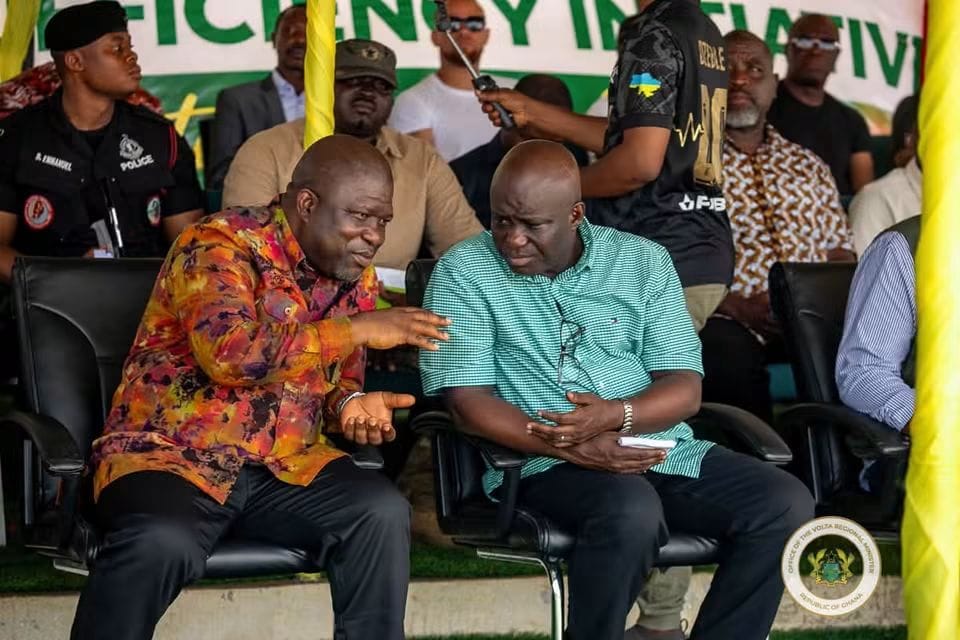
Volta Regional Minister, James Gunu, says the Volta Region holds enormous agricultural potential and efforts must be geared towards connecting farmers to the needed resources to unlock that potential.
He said focus must be on linking farmers to resources, technology, financing and markets to increase production, create jobs and build sustainable livelihoods.
Hon. Gunu made the remarks at the national launch of the Ghana Tomato Self-Sufficiency Initiative (GHATSI) held at Anloga in the Volta Region on Tuesday, September 15.
The initiative, under the theme “Produce at Home. Feed the Nation. Export the Surplus,” seeks to boost local tomato production, processing and marketing while reducing Ghana’s heavy reliance on imported tomatoes.
The launch was attended by the Minister for Food and Agriculture, Eric Opoku, his Deputy, John Setor Dumelo, Feed Ghana Coordinator, Bright Demordzi, Members of Parliament, traditional leaders, MMDCEs, farmers and other stakeholders.
Mr.Gunu expressed appreciation to the Minister for Food and Agriculture for the support announced for the region, including two excavators, 200 cartons of organic fertiliser, and GH¢200,000 for Ms. Kuatudzo Esther Dela, a tomato farmer and processor from Ziope.
He described the initiative as an important step towards making agriculture a stronger driver of food security, job creation and economic growth in the Volta Region.
By Edem Mensah-Tsotorme