News
Communication Ministry Holds Introductory AI Training for Focal Persons Ahead of Cabinet AI Bootcamp Workshop


- /home/u249204778/domains/spectator.com.gh/public_html/wp-content/plugins/mvp-social-buttons/mvp-social-buttons.php on line 27
https://spectator.com.gh/wp-content/uploads/2025/07/1002329700-1000x600.jpg&description=Communication Ministry Holds Introductory AI Training for Focal Persons Ahead of Cabinet AI Bootcamp Workshop', 'pinterestShare', 'width=750,height=350'); return false;" title="Pin This Post">
- Share
- Tweet /home/u249204778/domains/spectator.com.gh/public_html/wp-content/plugins/mvp-social-buttons/mvp-social-buttons.php on line 72
https://spectator.com.gh/wp-content/uploads/2025/07/1002329700-1000x600.jpg&description=Communication Ministry Holds Introductory AI Training for Focal Persons Ahead of Cabinet AI Bootcamp Workshop', 'pinterestShare', 'width=750,height=350'); return false;" title="Pin This Post">
The Ministry of Communication, Digital Technology and Innovations has successfully held a hybrid introductory AI training session for nominated focal persons from Sector Ministries and Key Institutions serving as a preparatory step for the forthcoming Artificial Intelligence (AI) Capacity-Building Bootcamp Workshop for Cabinet Ministers.
This engagement is specifically tailored to equip these individuals with the necessary knowledge and competencies to support their respective Ministers and spearhead AI-related initiatives across government institutions.
This was contained in a speech read by the Director Human Resource (HR), Mr Joseph Tetteh on behalf of the Minister, Samuel Nartey George, during a short opening ceremony held at the Ministry’s conference room in Accra.
According to him, the training session is a direct follow-up to the Ministerial Executive Leadership Programme (ELP) held in Ada, where a significant consensus was reached on the urgent need to leverage AI as a catalyst for the efficient and effective implementation of the Government’s Reset Agenda.
The Minister was subsequently tasked to lead the national effort, highlighting the Ministry’s renewed mandate to spearhead Ghana’s digital transformation agenda and build institutional capacity to harness the full potential of emerging technologies, especially Artificial Intelligence.
He said the initiative underscores the recognition that while exposing all Sector Ministers to foundational AI principles is vital, the long-term sustainability of this drive hinges on the capacity of focal persons across Ministries, Departments, and Agencies (MDAs).
“These individuals will be equipped with core knowledge of AI in governance and positioned as internal champions to drive its successful integration within their institutions, moving innovation and data-driven decision-making beyond rhetoric”, he added.
The foundational training, he explained is expected to culminate in the development of sector-specific AI strategies, which will be endorsed by His Excellency the President and integrated into Key Performance Indicators (KPIs) measuring Ministries’ contributions to the Reset Agenda through AI-driven solutions.
“The Ministry is fully committed to fostering an enabling environment for improved public service delivery through AI tools and solutions, aiming to enhance efficiency, transparency, and evidence-based policy-making”, he indicated.
The Minister extended sincere appreciation to its partners at the United Nations Development Programme (UNDP) for their continued support, recognising the dedication and commitment of all focal persons who are set to be the ‘bridge’ translating this national AI capacity-building drive into measurable improvements in how the government serves the people.








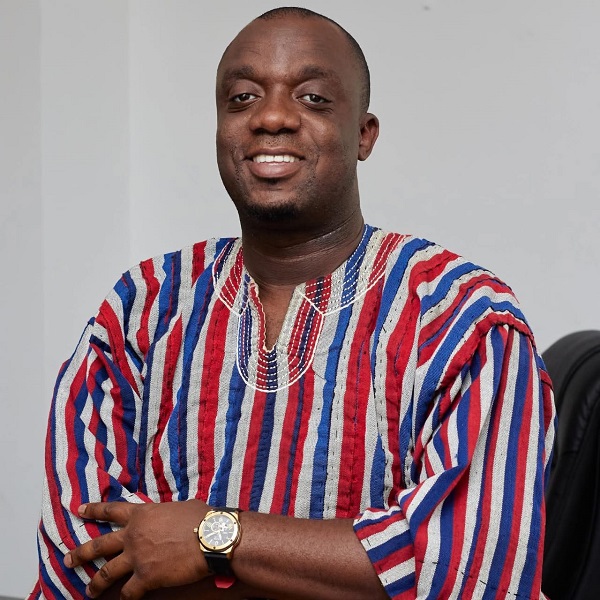
The New Patriotic Party (NPP) has directed all aspirants campaigning in the Greater Accra Region to suspend their campaign activities on August 5 and 6 and instead mobilise supporters for the party’s planned “Democracy Under Attack” demonstration.
The directive was issued by the party’s National Steering Committee in a statement signed by the NPP General Secretary, Justin Kodua Frimpong, on Tuesday.
According to the statement, the decision forms part of efforts to ensure a strong turnout for the demonstration, which is scheduled for Thursday, August 6, 2026.
The party said the protest would begin at 5:00 a.m., with participants expected to gather at the Supreme Court in Accra.
It further directed Regional, Constituency and Polling Station Executives in Greater Accra to work closely to mobilise members and supporters for the event.
“The National Steering Committee is calling on all aspirants currently campaigning across the Greater Accra Region to temporarily suspend their campaign activities on the 5th and 6th of August and join in mobilising support for the upcoming demonstration,” the statement noted.
The NPP appealed to party members and supporters to remain peaceful, disciplined and orderly throughout the protest.
The demonstration forms part of the party’s response to concerns it has raised over issues relating to Ghana’s democratic governance and the justice system.
The NPP leadership expressed confidence that party members would cooperate fully to ensure a successful and peaceful event.
By: Jacob Aggrey
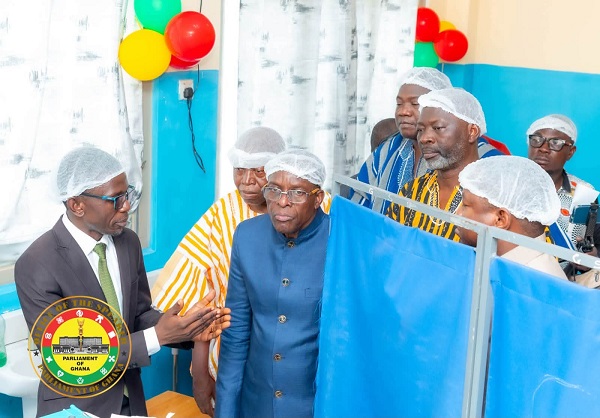
Speaker of Parliament Alban Sumana Kingsford Bagbin has commissioned an expanded dialysis unit at the Upper West Regional Hospital in Wa to improve access to kidney treatment for people in northern Ghana.
The project, estimated to cost about GH¢4 million, was undertaken in partnership with Sustainable Health Education and Interventions Limited (SHEILD), the Upper West Parliamentary Caucus, the Ministry of Health, the Ghana Health Service and other development partners.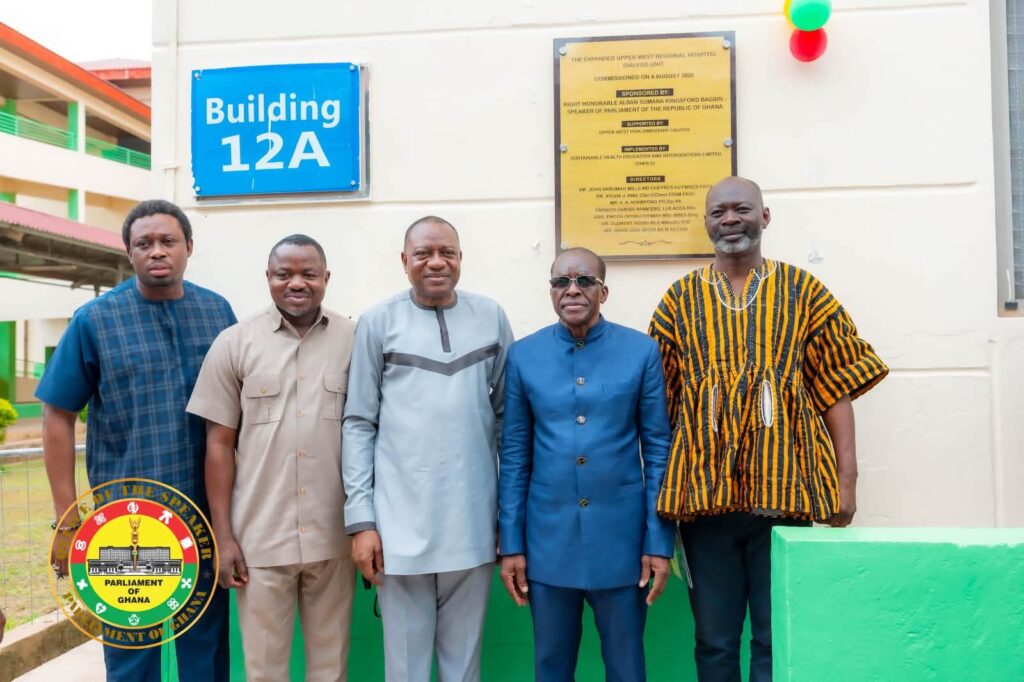
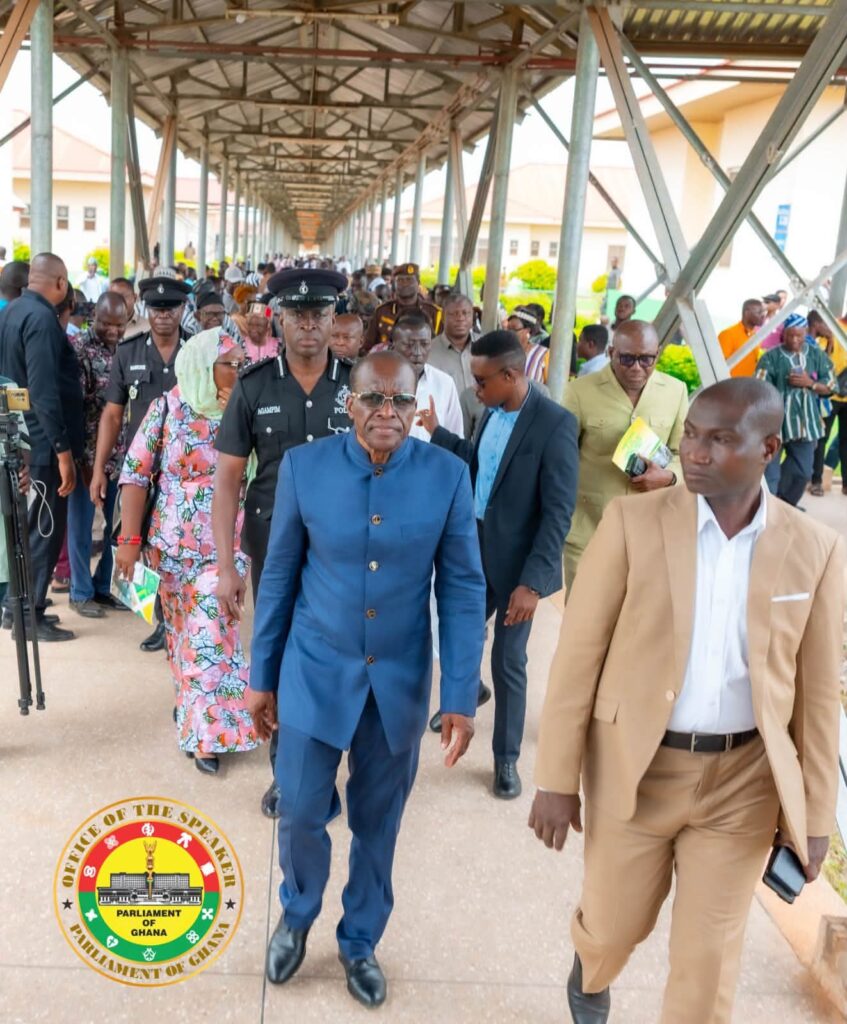
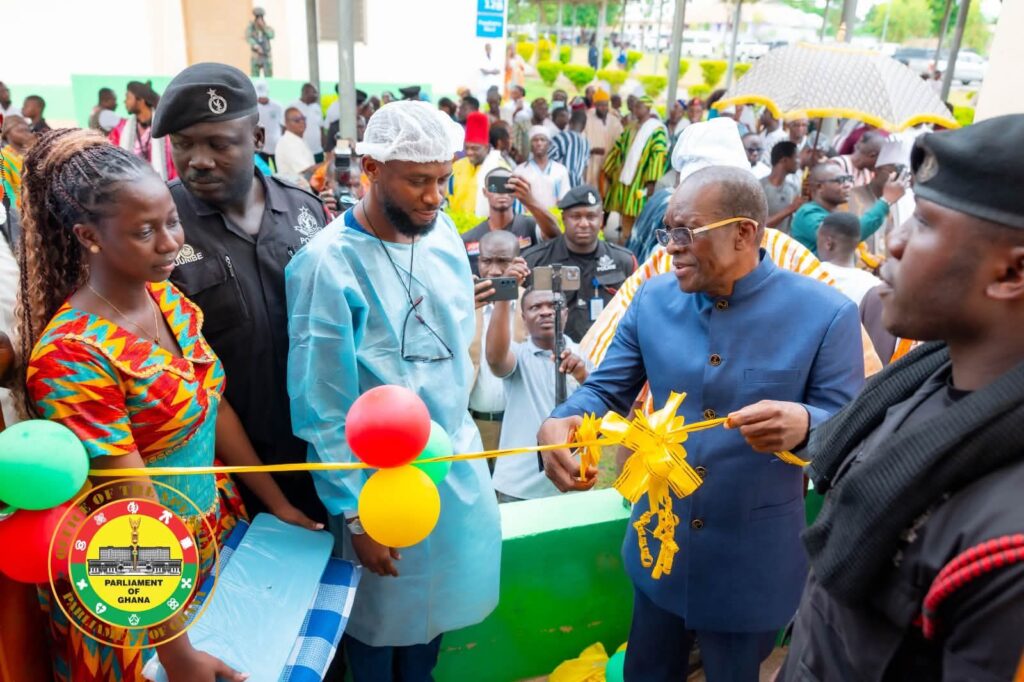
The new facility was inaugurated on Tuesday, August 4, 2026, in Wa. It adds six dialysis machines, supporting equipment and staff training to strengthen renal care services at the hospital.
According to the Parliamentary Service, the expansion is expected to reduce the burden on patients with chronic kidney disease who previously travelled long distances to Accra, Kumasi and other major cities for dialysis treatment.
Commissioning the facility, Mr Bagbin described the project as an important investment in healthcare equity and social justice.
He noted that many families in the Upper West Region struggle to access specialist kidney care because of distance and cost.
“The people of the Upper West deserve to live with dignity. We deserve access to quality healthcare,” he stated, adding that the facility would bring treatment closer to patients and their families.
He commended SHEILD and the other partners for supporting the project and called for continued collaboration to improve specialist healthcare services across the country.
Board Director of SHEILD, Dr Sylvie Anie, indicated that the organisation remained committed to addressing critical healthcare gaps through sustainable interventions.
She explained that the expanded dialysis unit represented hope for patients who had struggled for years to obtain specialised kidney treatment.
Another Board Director of SHEILD, Dr John Nkrumah Mills, stressed that sustainable healthcare required investment in people, systems, partnerships and continuous capacity building.
He noted that the project demonstrated what could be achieved when institutions worked together to improve patient care.
Medical Director of the Upper West Regional Hospital, Dr Philip K. K. Baabiineh, stated that the expanded unit would significantly improve the hospital’s ability to provide comprehensive renal care.
He observed that many patients previously had limited treatment options and often travelled under difficult conditions to receive dialysis.
The Minister for Health, Kwabena Mintah Akandoh, described the project as consistent with government’s efforts to expand specialist healthcare services and reduce regional disparities in access to treatment.
He encouraged stronger partnerships between government, private organisations, development partners and healthcare institutions to address the growing burden of non-communicable diseases.
The Parliamentary Service stated that chronic kidney disease was becoming a major public health challenge in Ghana, driven by increasing cases of hypertension, diabetes, obesity and late diagnosis.
It noted that access to dialysis services remained uneven, with most treatment centres concentrated in Accra and Kumasi, while many patients in northern Ghana faced high transport costs and long waiting times.
The commissioning ceremony was attended by government officials, traditional leaders, Members of Parliament, healthcare professionals, development partners, civil society organisations and community representatives.
By: Jacob Aggrey