News
Christians, Muslims kick against surrogacy …as medical experts calls for cultural, religious shift

The conversation around fertility in Ghana is shifting as The Walking Egg Medical and Fertility Centre makes headlines for its breakthrough surrogacy cases.
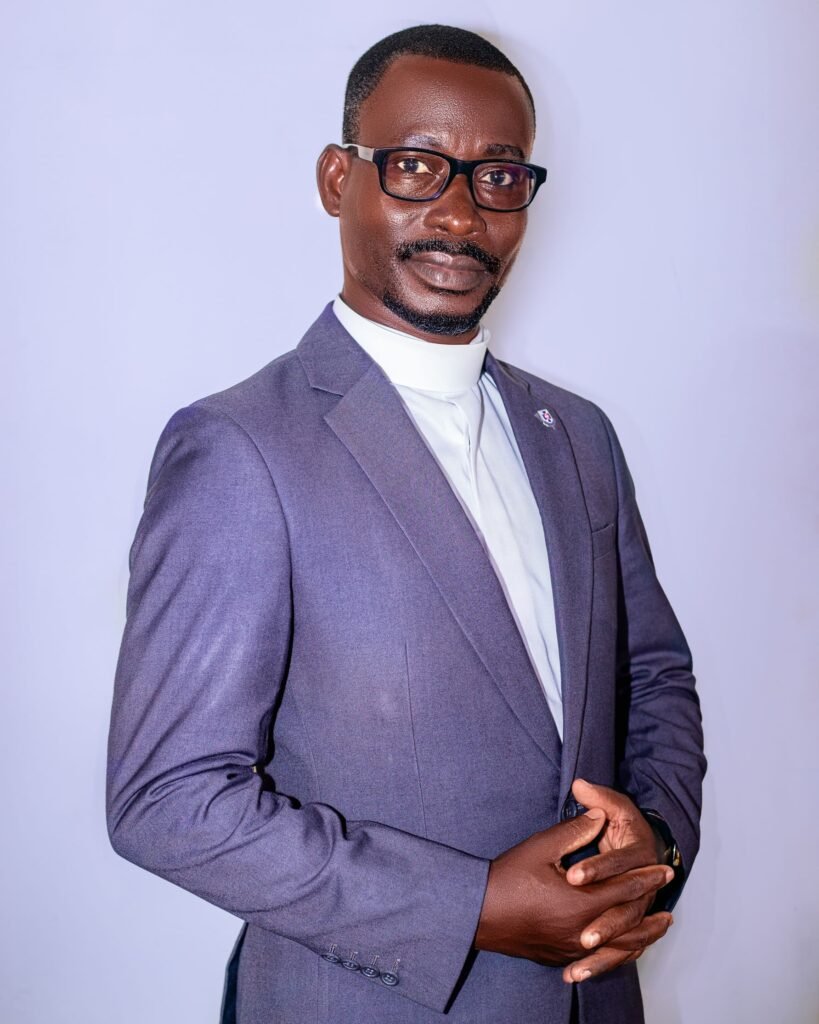
The Medical Director of the facility, Dr Nana Yaw Osei, is now calling for a cultural and religious shift in the narrative, asking religious leaders to see assisted reproduction not as a challenge to faith, but as a vital solution for childless couples seeking to build their families.
Surrogacy remains controversial in deeply religious societies, with assisted reproduction often viewed as interference with divine will.
However, Dr Osei, a practicing Christian, insists that faith and medicine are not opposed.
According to Dr Osei, advancement in reproductive medicine has made parenthood possible for many couples once considered hopeless, yet social and religious attitudes have been slow to change.
“Growing up, if a couple could not conceive, it was considered the end,” Dr Osei said in an interview with The Spectator, but added that, “today, science has changed that reality, but society and faith have not fully accepted it.”
“Medicine does not and cannot replace God,” he emphasised, citing that “It is an expression of the knowledge and wisdom God has given humanity. Compassion must guide how we treat people who are struggling with infertility.”
He noted that Ghana has taken steps to recognise surrogacy under the Registration of Births and Deaths Act, 2020 (Act 1027), which allows children born through assisted reproduction to be legally registered. While the law provides a basic framework, it does not fully address critical issues such as egg and sperm donation, embryo handling, or the distinction between traditional and gestational surrogacy.
“These gaps need attention to protect surrogates, intended parents and the children,” he mentioned.
Dr Osei said many women seeking surrogacy have lost their wombs through fibroids, cancer or childbirth complications and should not be further burdened by stigma.
“One of the most painful encounters in my career was with a woman who lost her uterus and felt God had abandoned her,” he said.
He called on churches and mosques to engage medical professionals and adopt a more informed approach to infertility.
“Surrogacy is not about convenience, it is about restoring hope and dignity to people who want a family,” Dr Osei stated.
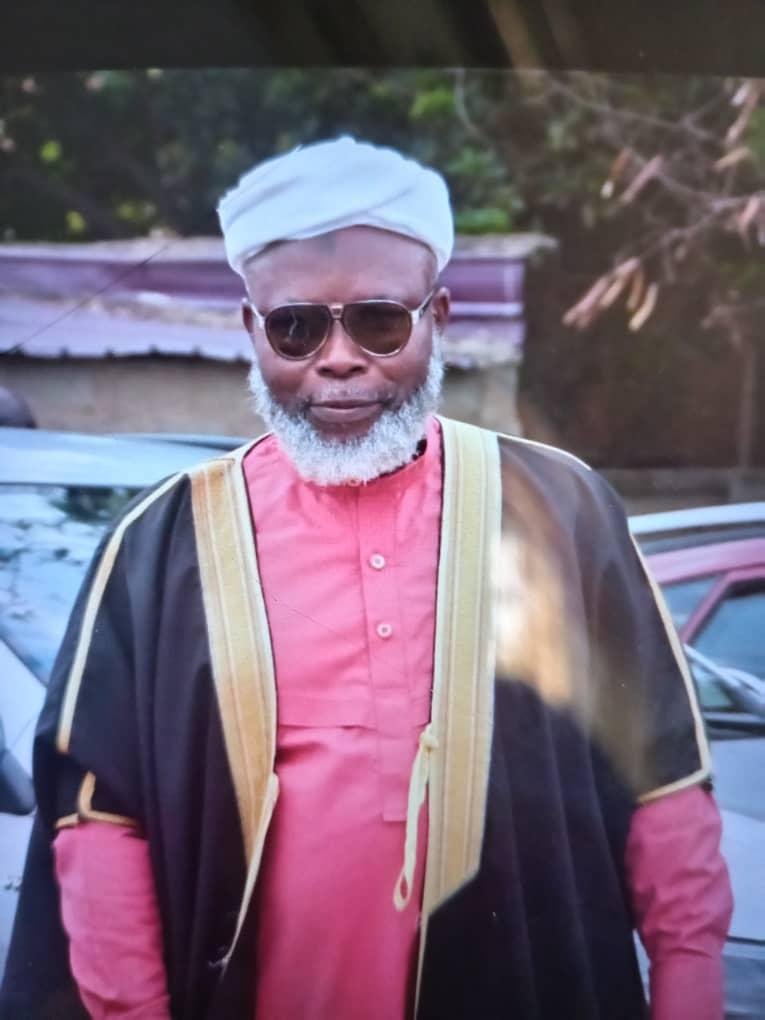
However, sharing an Islamic perspective on surrogacy, Imam Alhaji Saeed Abdulai, an Islamic Scholar said the Islamic religion prioritises lineage, dignity and family stability, and in the process making surrogacy impermissible.
He explained that: “Surrogacy involves a woman carrying a child for another couple, a process which is unacceptable in Islam which makes lineage (nasab) and marital bounds very central.”
Quoting Qur’anic texts to support his claim, Imam Alhaji Saeed said the majority of scholars prohibit surrogacy because it mixes lineage and violates marital exclusivity (Fiqh Academies, OIC).
“The Prophet Mohammed said: “The child belongs to the (marital) bed” (Bukhari, Muslim), safeguarding clear parentage.
“So, for another woman to carry a pregnancy and eventually give birth for them clearly violates this clear instruction and admonition. This makes it impermissible,” he added.
Mentioning another Qur’anic text, he stated what Allah said in Qur’an 58:2: “Their mothers are only those who gave birth to them,” affirming biological motherhood.
What this clearly mean is that a couple can make the necessary efforts to have kids but as long as they resort to surrogacy, the surrogate mother would be recognised as the biological mother of the child and not the wife of the union.
According to him, Islam approaches reproduction as a sacred trust governed by divine guidance.
Procreation in Islamic law, he explained, was inseparably linked to lawful marriage, moral responsibility, and the preservation of lineage (ḥifẓ al-nasab), making surrogacy a critical ethical concern.
“The dominant and authoritative position among Islamic scholars is that surrogacy is prohibited (ḥarām), regardless of its form. This ruling has been affirmed by reputable international bodies such as the International Islamic Fiqh Academy (OIC) and Al-Azhar’s Council of Senior Scholars,” he explained.
The prohibition, he emphasised, rests on several foundational principles. “First, surrogacy introduces a third party into the reproductive process, violating the exclusivity of marriage. Second, it leads to confusion in lineage, which Islam strictly seeks to protect due to its implications for inheritance, guardianship, marriage eligibility, and social identity. Third, pregnancy itself establishes a form of motherhood in Islamic law, rendering any contractual reassignment of motherhood invalid (OIC Fiqh Resolution No. 16).
Thus, even gestational surrogacy, despite the absence of genetic linkage, remains impermissible.
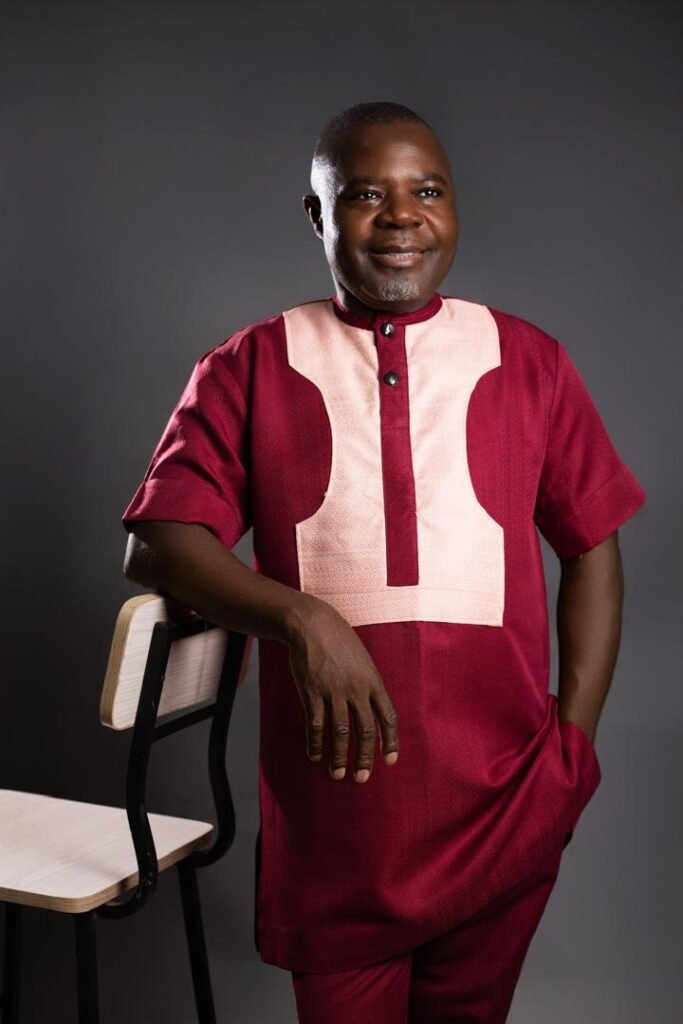
Also contributing, a Resident Minister of the Ga West Model Presbyterian Church, Tetegu, Accra, Rev. Emmanuel A. Wiafe, says surrogacy conflicts with biblical teachings, Christian holiness and human dignity and should not be practiced by Christians.
According to him, although the Bible contains narratives often cited in support of surrogacy, such accounts were descriptive rather than instructional.
“The fact that the Bible mentions similar situations does not mean it approves of them,” he said.
Rev. Wiafe maintained that God’s design for procreation is rooted in marital intimacy between a man and a woman, describing childbearing as a divine gift, not a right to be claimed.
“Children are a gift to be received, not something to be demanded. Compassion must always be guided by holiness,” he stressed.
Addressing cases where women lose the ability to conceive through no fault of their own, Rev. Wiafe urged believers to place their trust in God rather than medical alternatives such as surrogacy, citing instances of unexpected childbirth as evidence of divine intervention.
He referenced the biblical account of Sarah, Abraham and Hagar, noting that although the arrangement produced a child, it also resulted in jealousy, conflict and emotional trauma.
“When humans try to play God, the consequences are often painful,” he mentioned.
Beyond theology, Rev. Wiafe raised ethical concerns, arguing that surrogacy risks commodifying the female body, which the Scripture describes as the temple of the Holy Spirit.
While acknowledging that medical knowledge was a gift from God, he cautioned that not every scientific capability aligns with holiness.
“We may have the right to do many things, but not everything pleases God,” he added.
By Esinam Jemima Kuatsinu
Join our WhatsApp Channel now!
https://whatsapp.com/channel/0029VbBElzjInlqHhl1aTU27








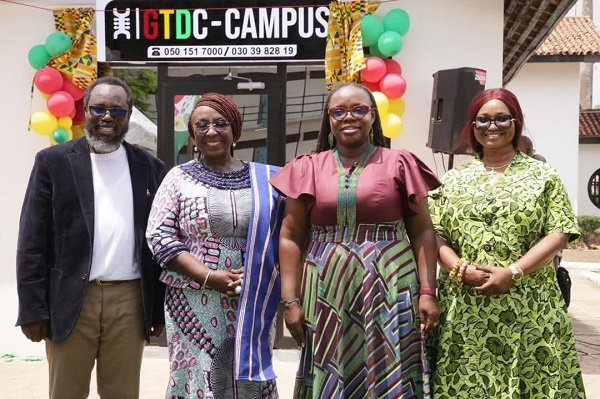
The Ghana Tourism Development Company, GTDC, under the leadership of Prof.Kobby Mensah has launched GTDC Campus Tourism Office at the University of Ghana.
The initiative aims to promote educational and domestic tourism by providing structured campus tour experiences showcasing key heritage sites, including the Archaeology Museum and the School of Performing Arts.
It will also offer students their first travel experience across the continent and inculcate in them love to visit Ghana’s heritage sites.
Addressing the gathering at the launch yesterday, the Minister of Tourism, Culture and Creative Arts, Abla Dzifa Gomashie, described tourism as a vehicle for education and heritage preservation, stressing that the sector must inspire citizens to value and protect national culture for future generations.
The minister highlighted tourism’s connection to disciplines such as history, the arts, economics and environmental science.
The minister further noted that the private sector is the engine of tourism economy, adding that the engines require fuel, which is talents.” by investing in these young people today, you are securing the quality, the innovation and competitiveness of our own industry for tomorrow.
She added that the establishment of the office represents a deliberate investment in the intellectual capital of the country.
The GTDC boss, Prof.Kobby Mensah, said,”at GTDC, we believe that if our tourism has to be sustainable, we have to promote domestic tourism and a very big part of it is getting students to appreciate tourism and helping them to organise tours.”
He added that the University of Ghana itself is a huge heritage site which must be explored.
Prof.Kobby Mensah noted that the initiative, which is one of many to be established across the country, is a joint partnership between GTDC and University of Ghana.
The Vice Chancellor of the University, Prof.Nana Aba Appiah Amfo, said the University is a custodian of heritage which goes beyond the structures and welcomed the establishment of the first Campus Tourism Office.
She was optimistic that the office would be put to good use to achieve the intended purpose.
The launch brought together Stakeholders reaffirming their commitment to nurturing future tourism and hospitality professionals.
By Edem Mensah-Tsotorme
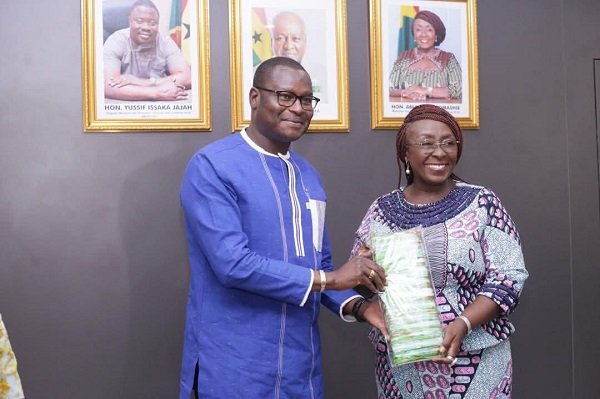
Ghana has officially accepted an invitation to serve as Guest Country at Burkina Faso’s 22nd National Culture Week in Bobo-Dioulasso from April 22 to May 2, 2026.
The invitation was extended by Burkina Faso’s Minister of Communication, Culture, Arts and Tourism, Gilbert Noël Ouédraogo, accompanied by the Ambassador of Burkina Faso to Ghana, H.E. David Kabré.
Receiving the delegation, Abla Dzifa Gomashie reaffirmed Ghana’s commitment to deepening cultural diplomacy and strengthening historic ties between the two nations.
She noted that the festival will create opportunities for young creatives, expand exhibition platforms and promote commercial exchange within the creative sector.
The event will feature cultural performances, a community village and gastronomy fair, an arts market, literary engagements, and a craft and trade fair.
Ghana’s participation is expected to further strengthen bilateral relations between John Dramani Mahama and Ibrahim Traoré, while fostering collaboration within the creative ecosystems of both countries.