Hot!
Celebrate BoG Governor, his Deputies for saving economy – NPP’s Kwamena Duncan

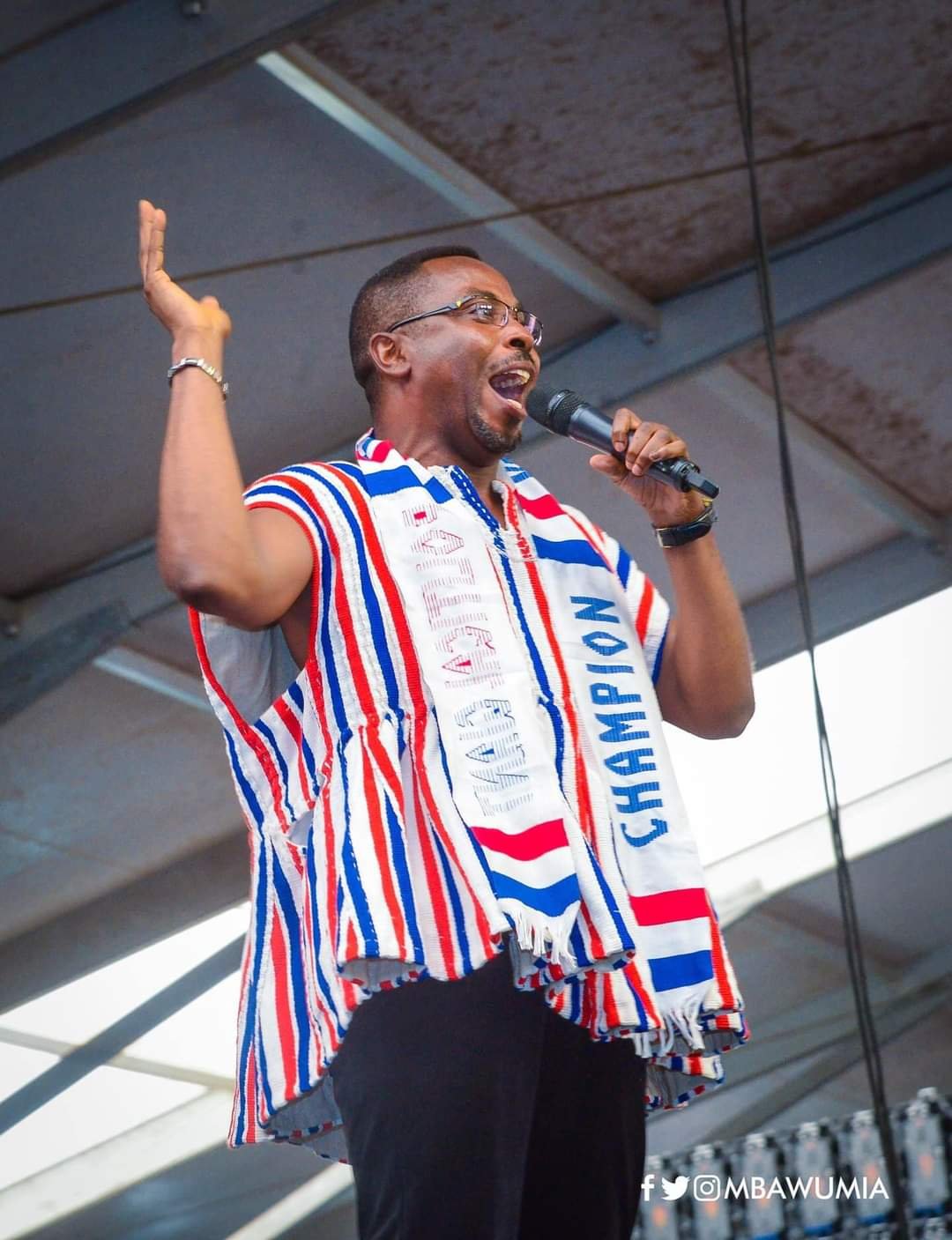
A leading member of the New Patriotic Party and former Central Regional Minster, Kwamena Duncan, has called for the celebration of the Governor of the Bank of Ghana, Dr. Ernest Addison and his two deputies, Dr. Maxwell Opoku-Afari and Elsie Addo Awadzi for saving the economy from collapse.
According to him, the Ghanaian economy was on its knees in 2022 and would have come to a halt if the Governor and his team had not intervened.
Speaking on an Accra-based Peace FM Wednesday, August 23, Mr. Duncan said the financial support given to the government was endorsed by the International Monetary Fund.
His comments are coming at a time when the Minority Caucus in Parliament has announced plans to hold a protest on Tuesday, September 5, 2023, to demand the resignation of the Governor of the Bank of Ghana over allegations of financial malfeasance and mismanagement.
To him, Dr. Addison and his deputies need to be commended and celebrated for saving the economy.
“You will recall that many people doubted if the economy was in crisis because they did not hear that interest payments were not being paid in early 2022, they did not see queues at the pumps for petrol and diesel, there were no shortages of essential items on the market. And they did not hear that public sector workers including civil servants, the police and the military are not being paid their salaries. The reason was that the Bank of Ghana had provided the needed support to keep the economy going”, he pointed out.
“This is what the Governor and his Deputies, this is what they chose to do to get this country going, this is what they did. It is only an unappreciative citizenry, it is only an opposition that wants power at all course; an opposition that unfortunately we have known them, their period in office we have seen it, the person they have selected to lead them we know him [John Mahama] but they want power at all course. This is the opposition’, he further.
He continued that the IMF urged the Bank of Ghana to support the economy after a meeting with the Ministry of Finance and other stakeholders.
“A meeting with the IMF, the Ministry of Finance, and all the stakeholders, the IMF said we can’t leave a vacuum, you have to continue to support the government. If you compare with other governments elsewhere, Ghana is better off.”
Credit: 3news.com


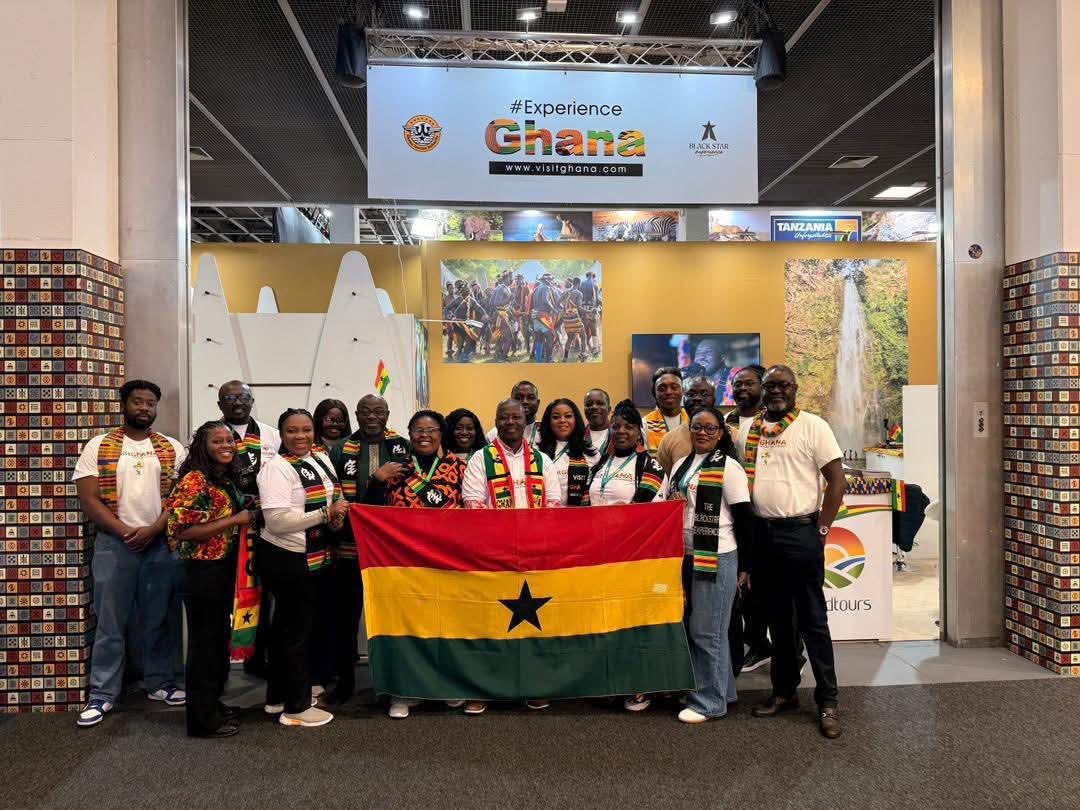
Ghana Tourism Authority is leading Ghana’s participation at ITB Berlin, which opened in Berlin with a vibrant national pavilion highlighting Ghana’s rich cultural heritage, tourism destinations and investment opportunities.
March 5 has been designated as Ghana Day, a special platform to promote Ghana’s languages, cuisine, Kente, festivals and business prospects to the global tourism community. The stand has already drawn strong interest with traditional arts and crafts displays, immersive multimedia presentations and popular Ghanaian snacks.
Seven private-sector players are exhibiting alongside government officials as part of efforts to deepen trade partnerships, expand market access, and attract investment across the hospitality, heritage tourism, ecotourism, and creative arts sectors.
Ahead of the official opening, the Ghana delegation also engaged young Ghanaian investors in Germany in collaboration with V Afrika-Verein and the Ghana Embassy, strengthening diaspora investment linkages and highlighting opportunities within the tourism value chain.
Ghana’s coordinated presence at ITB Berlin 2026 reinforces its strategy to position the country as the Gateway to Africa and a competitive destination for leisure travel and global investment.
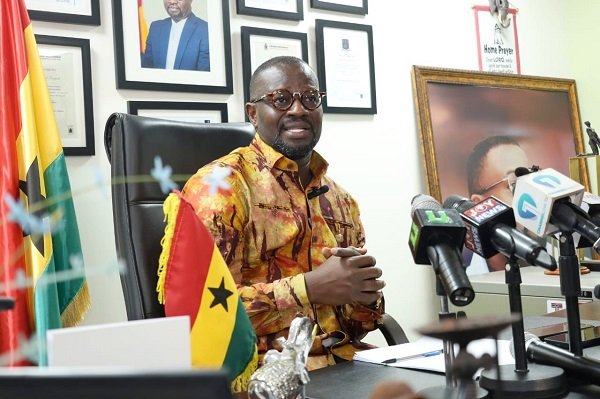
The Member of Parliament for Nsawam Adoagyiri, Frank Annoh Dompreh, has expressed concern over delays in the release of the District Assemblies Common Fund, warning that the situation is stalling development across the country.
On his facebook page, he described as a matter of urgent national importance, the Minority Chief Whip pointed to what he sees as a growing crisis of unpaid contractors, abandoned projects, and halted infrastructure works in many districts.
He noted that several communities are grappling with half completed schools, unfinished health facilities, abandoned markets, deteriorating roads, and stalled sanitation projects.
According to him, many contractors who have executed projects for district assemblies have not been paid, forcing some construction firms to demobilise from sites while workers lose their jobs.
He stressed that the District Assemblies Common Fund is not a discretionary allocation but a constitutional requirement under Article 252 of the 1992 Constitution, intended to support development at the local level.
In his view, years of delayed releases and accumulated arrears have weakened district development financing and disrupted projects meant to improve living conditions in communities.
He further argued that some payments made in recent years were largely the settlement of old debts rather than funding for new or ongoing projects, a situation he believes has affected contractor confidence and local economic activity.
He described the issue as more than a budgetary challenge, characterising it as a development emergency and a governance concern.
He therefore urged the appropriate authorities to pay outstanding DACF arrears, settle contractors who have completed their work, and ensure that transfers to districts are automatic and predictable.
He maintained that decentralisation can only succeed when district assemblies receive adequate and timely funding to carry out development projects.
He emphasised that stalled projects directly affect ordinary citizens, since they rely on such infrastructure for education, healthcare, transportation, sanitation, and economic activities.
He called for renewed attention to grassroots development, insisting that national progress should not be concentrated only in major cities but extended to all communities.
By: Jacob Aggrey