Nutrition
Benefits of vegetables

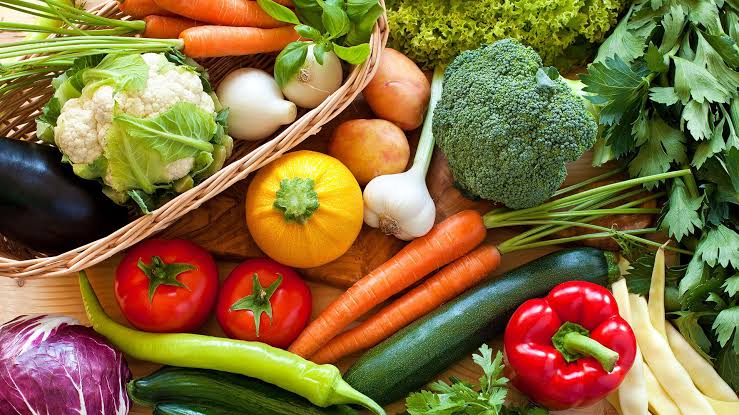
Vegetables are important part of our daily food. They are foods that provide the body with many nutrients needed to stay healthy and strong. Examples of vegetables include cabbage, carrots, tomatoes, spinach, garden eggs, okra, cucumber, lettuce, green pepper and onions. Vegetables can be eaten in many different ways, such as in soups, stews, salads and sauces. Eating vegetables regularly can improve our health and help protect us from many diseases.
One of the main benefits of vegetables is that they give the body important vitamins and minerals. Different vegetables contain different nutrients. For example, carrots contain vitamin A, which is important for healthy eyes and good vision. Green vegetables such as spinach contain useful vitamins and minerals that help the body grow and function properly. Tomatoes and peppers also contain vitamins that support the body. This is why eating different types of vegetables is better than eating only one type.
Vegetables also help to strengthen the immune system. The immune system protects the body from infections and diseases. Some vegetables contain vitamin C and other nutrients that help the body fight illness. Eating vegetables as part of a balanced diet can therefore help the body maintain a strong natural defence system. However, vegetables are not a medicine and should be combined with other healthy foods and good health habits.
Another important benefit of vegetables is that they help the digestive system. Many vegetables contain fibre. Fibre helps food move properly through the digestive system and can help prevent constipation. It also supports a healthy stomach and bowel. People who eat enough fibre may have an easier time passing stool. Drinking enough water along with eating fibre-rich foods is also important for good digestion.
Vegetables can also help people maintain a healthy weight. Most vegetables contain a lot of water and fibre and are not very high in calories. This means that they can make a person feel full without adding too many calories to a meal. For example, adding cabbage, carrots, lettuce or cucumber to a meal can make the meal more filling. Choosing vegetables instead of eating too many highly processed foods can support healthy eating.
Eating vegetables may also help protect the heart. Some vegetables contain potassium, fibre and other nutrients that support heart health. A diet that includes plenty of vegetables, fruits, whole grains and other healthy foods can help reduce the risk of some health problems. Vegetables can also be useful for people who want to reduce the amount of unhealthy foods in their diet.
Vegetables are also important for children and young people because their bodies are still growing. Children need enough nutrients for healthy growth, strong bones, good eyesight and proper development. Parents and caregivers should therefore encourage children to eat vegetables from an early age. Making vegetables attractive and including them in meals that children enjoy can help them develop healthy eating habits.
Vegetables can also contribute to healthy skin. Some vegetables contain vitamins and other natural substances that support the health of the skin. For example, vegetables rich in vitamin C can support the body’s production of collagen, which is important for the skin. Eating vegetables, drinking enough water and maintaining good personal hygiene can all contribute to overall health and appearance.
Another benefit is that vegetables can provide the body with antioxidants. Antioxidants help protect the body’s cells from damage caused by harmful substances known as free radicals. Many colourful vegetables contain these protective substances. This is one reason health experts often encourage people to eat vegetables of different colours, including green, red, yellow and orange vegetables.
Vegetables can also improve the quality of our meals. They add colour, taste and variety to food. A meal containing vegetables can be more attractive and enjoyable than a meal made up of only one or two types of food. Vegetables can be added to rice, yam, plantain, beans, pasta, soups and stews. This makes it easy for people to include them in their normal meals.
In conclusion, vegetables provide many benefits to humans. They give the body vitamins, minerals, fibre and other useful nutrients. They support good digestion, help the immune system, contribute to healthy weight, support heart health and can help protect the body from some diseases.
WHO- “Healthy diet” Jan 26








Ingredients
-Oil
-1 large onion
-2 cups of rice
-Salt
-2 cups of wheat
Preparation
-In a medium saucepan, heat oil over medium-low heat
-Add the onion and cook, stirring frequently, until soft and turns golden brown
-Wash rice and wheat and put into pan. Sauté for two to three minutes, until toasty and fragrant
-Add water and salt and allow to boil.
– Reduce heat to low and allow to simmer for 10 to 15 minutes until rice is tender and the water is absorbed.
-Taste the rice/wheat; if it is still a bit firm, add a few more tablespoons of water and cook a few more minutes.
-When the rice/wheat is ready, take it off the fire and serve hot
Benefits of wheat
–Improves digestion: High levels of insoluble fibre- wheat promotes regular bowel movements, prevent constipation, and support a healthy gut microbiome.
-Supports heart health: Whole-grain wheat helps lower LDL (bad) cholesterol, reduces blood pressure, and decreases the risk of stroke and heart disease.
-Aids weight management: Complex carbohydrates and dense fibre slow digestion, increase feelings of fullness, and help prevent sharp blood sugar spikes.
-Lowers type 2 diabetes risk: Steady glucose release and minerals like magnesium improve insulin sensitivity.
– Provides essential vitamins and minerals: Wheat supplies B vitamins, iron, magnesium, phosphorus, zinc, and selenium, which help build bones and boost immune function.
–Delivers Antioxidants: Compounds like phenolic acids, ferulic acid, and lutein protect cells from oxidative stress and support eye health.
SKIP THE QUEUE, TAP THE NEWS
You can now read the Ghanaian Times and The Spectator newspapers from the comfort of your device via TimesNewsPlus.
Join our WhatsApp Channel: https://whatsapp.com/channel/0029VbBElzjInlqHhl1aTU27

Ingredients
-4 cups of crushed corn
-1 cup of sugar
Method:
-Soak crushed corn for two or more days to ferment
-Boil the fermented corn for about 20-30 minutes until foamy substance is dried up
-Pour sugar in a saucepan and heat until almost burnt
-Strain water from the boiled corn and pour in the saucepan containing sugar
-Use a strainer to strain the chaff
-Allow to cool and store in refrigerator
– Serve with milk
By Linda Abrefi Wadie