Nutrition
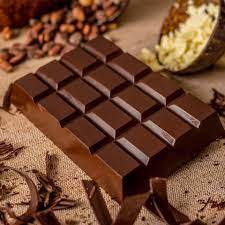
Benefits of chocolate

- /home/u249204778/domains/spectator.com.gh/public_html/wp-content/plugins/mvp-social-buttons/mvp-social-buttons.php on line 27
https://spectator.com.gh/wp-content/uploads/2025/02/Chocolate.jpg&description= Benefits of chocolate', 'pinterestShare', 'width=750,height=350'); return false;" title="Pin This Post">
- Share
- Tweet /home/u249204778/domains/spectator.com.gh/public_html/wp-content/plugins/mvp-social-buttons/mvp-social-buttons.php on line 72
https://spectator.com.gh/wp-content/uploads/2025/02/Chocolate.jpg&description= Benefits of chocolate', 'pinterestShare', 'width=750,height=350'); return false;" title="Pin This Post">
Antioxidants
Dark chocolate contains several compounds that possesses antioxidant properties, such as flavanols and polyphenols. Antioxidants neutralise free radicals and prevent oxidative stress.
Oxidative stress refers to the damage that excessive amounts of free radicals can inflict on cells and tissues in the body.
Oxidative stress contributes to the natural aging process. Over time, the effects of oxidative stress may also contribute to the development of a variety of diseases.
Heart disease risk
Regularly eating dark chocolate helps reduce a person’s likelihood of developing heart disease. Some of the compounds in dark chocolate, specifically flavanols, affect two major risk factors for heart disease: high blood pressure and high cholesterol.
Blood pressure
The flavanols in dark chocolate stimulate nitric oxide production in the body. Nitric oxide causes blood vessels to dilate, or widen, which improves blood flow and lowers blood pressure.
Cholesterol
Dark chocolate also contains certain compounds, such as polyphenols and theobromine that may lower levels of low-density lipoprotein (LDL) cholesterol in the body and increase levels of high-density lipoprotein (HDL) cholesterol. Doctors often refer to LDL cholesterol as “bad cholesterol” and HDL cholesterol as “good cholesterol.
Anti-inflammatory effects
Inflammation is part of the body’s natural immune response to germs and other harmful substances. However, chronic inflammation can damage cells and tissues and may increase the risk of some health conditions, including type 2 diabetes, arthritis, and certain types of cancer.
Dark chocolate contains compounds with anti-inflammatory properties that may help reduce inflammation in the body.
Insulin resistance
Insulin resistance occurs when the body’s cells stop responding to the hormone insulin. Insulin resistance can cause abnormally high levels of blood glucose, which can lead to prediabetes and type 2 diabetes.
Brain function
Eating dark chocolate may improve brain function and help prevent neurodegenerative conditions, such as Alzheimer’s disease and Parkinson’s disease.
The findings of a small 2018 study Trusted Source suggest that the flavanols present in dark chocolate may enhance neuroplasticity, which is the brain’s ability to reorganise itself, particularly in response to injury and disease.

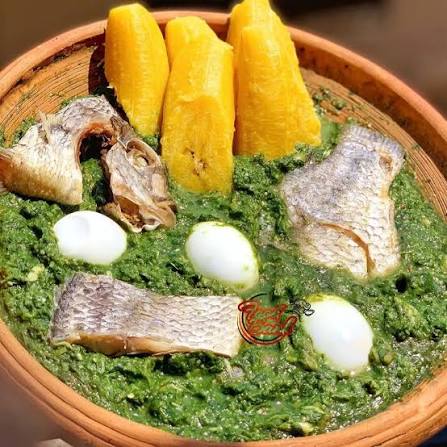
One of the most persistent myths about nutrition is that eating well is a luxury reserved for higher incomes. That healthy means imported, packaged, and pricey. The reality in Ghana tells a very different story.
Good nutrition starts with local food
Ghana is rich in nutrient-dense foods that are grown here and sold in markets every day: beans, cowpeas, groundnuts, kontonmire, alefu, okra, garden eggs, tomatoes, oranges, mangoes, pawpaw, millet, sorghum, yam, cocoyam, and small fish. Together, they supply the protein, vitamins, minerals, healthy fats, and fibre the body needs to grow, stay strong, and fend off chronic disease.
Many traditional Ghanaian meals are already nutritionally balanced by design. Beans with ripe plantain. Kontomire stew with boiled yam. Tuo zaafi with ayoyo and beans. Meal for meal, these often outperform processed convenience food and cost less doing it. Healthy eating rarely requires exotic ingredients; it starts with foods that have always been part of the culture.
So why does healthy eating still feel expensive?
Rising food prices, transport costs, and post-harvest losses all chip away at affordability. Fresh fruit, vegetables, fish, and eggs can get pricier at certain times of year, while heavily marketed processed foods stay cheap and everywhere. Busy schedules push people toward packaged convenience food that’s quick to prepare but often loaded with salt, sugar, and unhealthy fat. The lesson here: healthy eating isn’t only a personal choice. It is shaped by the food environment people live in.
Small changes, real savings
Families don’t need a diet overhaul overnight. A few consistent habits go a long way:
- Plan meals before shopping to buy only what’s needed and cut food waste.
- Buy fruits and vegetables in season, when prices are lowest.
- Add beans or other legumes to meals a few times a week as an affordable protein source.
- Swap sugary drinks for water and fresh fruit offering better nutrition at no extra cost.
A shared responsibility
Households can only do so much on their own. Governments, local authorities, and the private sector need to make the healthy choice the easy choice, too. That means investing in irrigation, storage, and transport to stabilise prices; supporting farmers to keep fresh produce flowing year-round; and building nutrition education and healthier food options into schools, workplaces, and public institutions.
Good nutrition should never be treated as a luxury. It’s the foundation of good health, learning, and productivity. When nutritious local food is within reach of every household, Ghana moves closer to a healthier, more productive future for everyone.
Feature article by Women, Media and Change under its Nourish Ghana: Advocating for Increased Leadership to Combat Malnutrition project
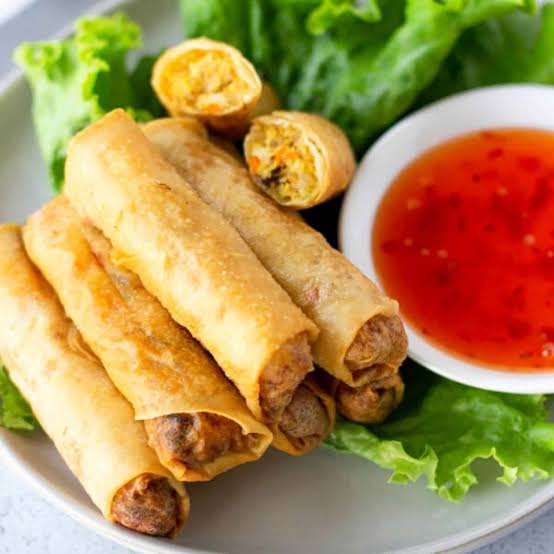
Ingredients
-6 tablespoonfuls of plain flour
-3 tablespoonfuls of margarine
-5 tablespoonfuls of mixed vegetable
-2 large onions (chopped)
-3 medium-sized chicken breast (chopped)
-Egg white as binding agent
-Salt
-Maggie cube
-Black pepper
-Oil for deep frying
Preparation
Pour plain flour into a mixing bowl
-Add salt to taste
-Add margarine and vegetable oil and mix well
-Add cold water to make a soft dough
– Allow dough to rest and prepare the stuffing
– Put your saucepan on the hub and add about a tablespoonful of oil
– Add the onion and fry for about a minute
– Add the chopped chicken breast
-Allow to cook through for about five minutes whiles turning intermittently
-Add the mixed veggies and allow on for another five minutes. Add a little water to make it saucy
-Add a little gravy powder/ flour to keep it more like gravy sauce and allow the sauce to cool
– Take the dough and with the rolling pin on the board surface, roll the dough till it becomes flat and light and cut the dough into good sizes
– Use egg white as a sticking agent and with the pastry brush, brush the egg white over the pastry.
-Put in the fillings on the individual doughs and fold them nicely, making sure all ends are nicely tucked in.
-Egg wash the rolls
-Deep fry the rolls in hot frying oil, so they don’t become soggy.
Remove when golden brown and serve with Shito or sauce.

 Entertainment7 days ago
Miss Ghana 2026 winners presented to Tourism Minister
- News1 week ago
Eight Injured after Toyota Hiace somersaults on Tema–Akosombo highway
- Features7 days ago
Environmental stewardship is an act of worship: The Islamic response to climate change, environmental degradation (Part 3)