Health Essentials
Achieving a zero-malaria society through innovation

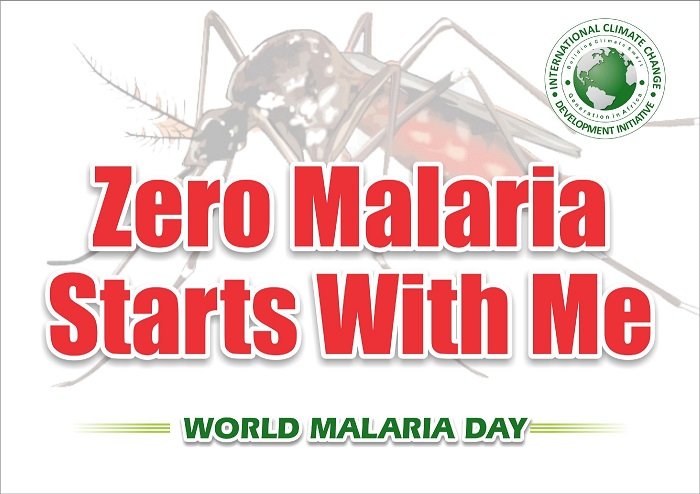
Malaria for centuries has been so common in our part of the world that people tend to associate any form of fever or “bitter taste in mouth” or even general feeling of not being well with malaria. Everyone seems to be an authority on diagnosing and treating malaria and the result is quite often not malaria at all that the person may be suffering from. Who can blame the numerous “malaria consultants”? The disease has caused so much menace in Ghana that it qualified as one of the six childhood killer diseases. Malaria is caused by a parasite of the genus plasmodium. The parasite is transmitted to humans through mosquito (female anopheles) bites.
According to the World Health Organisation, Ghana’s malaria interventions over the years have yielded some positive impact; fewer people keep dying from malaria. 308 deaths were recorded in 2020 compared with 1,264 in 2016. Malaria related deaths also recorded eight people dying from malaria each day in 2016 whilst only one person died from malaria every day in 2020. These figures should make us proud of how far we have come but that shouldn’t make us complacent. This is because, people are still dying from malaria despite the measures put in place to eradicate it.
This year, the World Health Organisation is calling for investments and innovation that bring new vector control approaches, diagnostics, antimalarial medicines and other tools to speed the pace of progress against malaria. Hence the theme “Harness innovation to reduce the malaria disease burden and save lives.”
It is heart-warming to note that a vaccine for malaria is now available and is being tried on a pilot basis in many countries including Ghana, but more has to be done. “Boosting investments in the development and deployment of a new generation of malaria tools is key to achieving the 2030 global malaria targets. Future progress in the fight against malaria will likely be shaped by technological advances and innovation in new tools, such as new vector control approaches, improved diagnostics and more effective antimalarial medicines.”
Prevention of Malaria
- Vector control is crucial – prevent the mosquito from biting.
- Dress appropriately to cover body during peak times of mosquito bites – that is from dusk to dawn.
- Clear pools of water etc.
- Sleep under insecticide-treated mosquito nets (ITN)
- Indoor spraying with residual insecticides etc
- Certain category of people may require antimalarial prophylaxis (low dose antimalarial medicines to prevent malaria)
- It is recommended that pregnant women in endemic areas after the first three (3) months of pregnancy should be given scheduled (intermittent) preventive treatment.
People at a higher risk
About half of the world’s population is at risk but the following are at a higher risk:
- Young children in malaria endemic areas because they have not yet developed protective immunity
- Pregnant women – may lead to miscarriage and even maternal death
- People with HIV/AIDS
- Travellers from non-endemic areas because they lack immunity.
- Immigrants from endemic areas and their children living in non-endemic areas who visit their home countries. They are at risk because of waning or absent immunity.
Remember to see the doctor if you have the following symptoms:
- Fever
- Chills
- General feeling of discomfort
- Headache
- Nausea and vomiting
- Diarrhoea
- Abdominal pain
- Muscle or joint pain
- Fatigue
- Rapid breathing
- Rapid heart rate
- Cough
There is a growing trend of the sale of herbal malaria medication at every corner of the country. Remember to test for malaria before using these medications and also remember to purchase your herbal medication from trusted sources. For the sake of your kidney and liver health, follow the instructions on given any medication you would take to cure malaria.
Remember that Malaria is curable and preventable. Together we can work to have a zero-malaria country.
Refrences:
- www.healthessentialsgh.com
- ww.mayoclinic.org
- www.who.int
Written by:
Augustina Otema Amarh and Maureen Masopeh
Content Creators
Health Essentials Limited



Don’t we all dream of a life that is filled with laughter? That may be a reason for chasing big bucks, which like the golden-fleece eludes the majority of us. Financial Wellness is extremely important but there are other factors that make us happy and healthy and eventually wealthy.
You definitely do not need to live in Finland to experience happiness even though many people agree that is the “headquarters” of happiness. The happiness in Finland for instance is based on the provision of basic infrastructure and services, minimal corruption and strong social support among others. These go a long way to minimise anxiety making room for one to enjoy the good things of life.
Then when you live in Sikaman and any of its other cohorts, it is challenging to have those in authority create the environment where you can be happy. That’s why you need to “happy yourself” and the happiness hacks below will help you do just that. Even if you live in Finland, you will gain much more by following these steps.
- Wake-Up Ritual
- Say to yourself that today will be a beautiful day or a great day
- Ask God what He has in store for you. Use me Lord (if not a Christian what you believe in will be useful as well.
- Remind yourself of your purpose in life and get out of bed
- Do not grab your phone as the first thing for the day.
- Pray
- Talking to God has a way of calming our nerves. It brings about unexplained peace and when we add praise and worship then the floodgates open. That is how to win battles against unhappiness.
- Smile
- Definitely floods your body with feel good hormones and insulates you from stress
- Smiling is infectious so the more you smile the better and you set off a smiling OR happiness domino effect.
- Meditate
- Extremely good for your brain and an easy way to start is to do deep-breathing and just focus on your “breath” excluding all others. That is what some will prefer to call mindfulness. Being in the moment has immense benefits. Things you never knew existed suddenly spring up.
- Exercise
- That wonder drug that trumps virtually all others. Like smiling it does pour out feel good hormones. Strength training even goes an extra mile causing our muscles to act as “pharmacies” that pour out life-changing signals every time they contract.
- Be kind to yourself & to others.
- We are often too harsh on ourselves. Give yourself a break. Self-care is the real deal!!
- Being harsh to others has no benefits.
- Spend some time doing nothing
- We need to re-set from time to time. Spend about 10 minutes a day doing absolutely nothing. There is happiness and innovation in “idling”. Do not abuse idling though
- Spend time with loved ones
- This is another powerful happiness “hack”. You have to make time and be intentional about this; talk on phone, send messages, arrange to meet for a drink or meal. Social Wellness ranks very high on the happiness index and it’s fairly easy to plug into it.
- While spending time together remember that your choice of food and drinks also impacts on how happy or sad or anxious you may feel.
- Indulge in a hobby
- Our bodies and brain love variety. Do you have a hobby? Get one
- Write in your gratitude diary
- That is all it takes – keep doing it regularly.
This list is not exhaustive but definitely a good start. Share your happiness hacks with me via email and together we can keep the world smiling and happy.
At the end of each day ask yourself if you did better than the previous day. That is all it takes. Doing better than the previous day for 365 days, for 5 years, 10 years… How amazing that will be!!!
AS ALWAYS LAUGH OFTEN, ENSURE HYGIENE, WALK AND PRAY EVERYDAY AND REMEMBER IT’S A PRICELESS GIFT TO KNOW YOUR NUMBERS (blood sugar, blood pressure, blood cholesterol, BMI)
Dr. Kojo Cobba Essel
Health Essentials Ltd/Medics Clinic
(dressel@healthessentialsgh.com)
*Dr. Essel is a Medical Doctor with a keen interest in Lifestyle Medicine, He holds an MBA and is an ISSA Specialist in Exercise Therapy, Fitness Nutrition and Corrective Exercise. He is the author of the award-winning book, ‘Unravelling The Essentials of Health & Wealth.’
Thought for the week – “There is no magic formula to being happy but making a conscious effort to be happy goes a long way.” – Dr. Kojo Cobba Essel
By Dr. Kojo Cobba Essel
SKIP THE QUEUE, TAP THE NEWS

You can now read the Ghanaian Times and The Spectator newspapers from the comfort of your device via TimesNewsPlus.
Join our WhatsApp Channel: https://whatsapp.com/channel/0029VbBElzjInlqHhl1aTU27
There are thousands of diet plans and some people change them almost as often as they change their underwear. We have fallen in love with pills and injections all in a bid to fast-track the wellness dream. The plastic surgeon’s blade and even prayers have all been called upon to perform miraculous acts. Is there a single path to achieving Wellness or has man found that wonder pill yet?
Is the result of an annual medical examination all that is needed to determine how well one is? Can you have great reviews in the clinic yet feel tired and unhappy? Does wellness obey the all or none law or is it a whole spectrum where majority of us fall within?
Wellness involves at least six (6) areas or pillars that we need to balance since they all work together to make us the best versions of ourselves.
When we fall short in any one of them, it may have consequences in other areas but we don’t need to be perfect in any area; balance is all that is needed. The era of lockdown for instance brought to the fore the importance of Social Wellness; many of us felt isolated when we had to avoid our work colleagues for weeks on end. Even the output of some of us dipped. Oh, you surely are not alone. Even people you detested meeting in the office you now longed to spend time with. Breathe a sigh of relief; that feeling is normal, nothing untoward is happening to you. The majority of us humans are social beings and we blossom when surrounded by family and friends and hugs and handshakes are the norm.
The Six Pillars of Wellness.
- Physical
- Mental
- Social
- Financial
- Digital
- Spiritual
Physical Wellness
Are you taking proper care of your body? Do you exercise, eat right and get your regular medical examinations?
Avoid awkward postures like sitting slouched forwards or bending at the waist to pick an object. Surely you are washing your hands regularly with soap and water. Have you noticed the loud silence from cholera when handwashing was fashionable during the pandemic?
Mental Wellness
The way you think, act or feel falls into this category but it is definitely not an island on its own. Your physical well-being and all the others impact on your mental health.
Time to relax, sleep, manage your time, enjoy nature and be kind to others. These together with deep breathing and laughter, go a long way to keep your mental health in great shape.
Social Wellness
The relationships we have and the way we interact with others. Your mental health, physical health all impact on your relationships. When you exude happiness, people give it right back to you. Build strong relationships; just a few trustworthy people who you can share your challenges with will go a long way to stabilise your mental health and pave the way for all others to flow. When you feel unduly stressed do you have anyone you can speak to before getting professional help? Do not be a loner.
Financial Wellness
How secured is your money? Are we prepared for emergencies in an uncertain future? We need baseline financial security to be able to get all the other pillars working seamlessly. How can you eat well or get medical examinations done with no financial backing? Finances tend to be one of the greatest stressors in life. Do not ignore the need for financial stability, you need it more than you can imagine. Speak to someone who can assist you plan your future TODAY.
Digital Wellness
What measures are you taking that aim at regulating and improving healthy use of technology? If you set virtual meetings, training programmes etc. all day because you are working from home, then when do you get to rest your mind, eyes and back from prolonged sitting among many others? One thing will lead to another. Many of us can hardly unplug. Our phones are on 24/7 and we think sleep is a luxury. NO! Inadequate sleep will open the floodgates to a tonne of health challenges including stress, overeating, alcohol abuse, fatigue and even accidents from fatigue.
Get sleep; it’s a lifeline!
Spiritual Wellness
Are you connected to a greater being who provides us with a sense of purpose, values, principles, morals and beliefs among many others?
If you asked for my opinion, I recommend God. Speak to him daily (prayer) and he will set you on the right path.
In all things do not specialise in one or a few of these pillars of wellness. We should all aim at getting a fair balance in each area and we can be the very best of ourselves. Now do not put unnecessary pressure on yourself; everyone has challenges but taking one step at a time and always remembering that we need different aspects to make life the best that it can be.
AS ALWAYS LAUGH OFTEN, ENSURE HYGIENE, WALK AND PRAY EVERYDAY AND REMEMBER IT’S A PRICELESS GIFT TO KNOW YOUR NUMBERS (blood sugar, blood pressure, blood cholesterol, BMI)
Dr. Kojo Cobba Essel
Health Essentials Ltd/Medics Clinic
(www.healthessentialsgh.com)
*Dr. Essel is a Medical Doctor with a keen interest in Lifestyle Medicine, holds an MBA and is an ISSA Specialist in exercise therapy, fitness nutrition and corrective exercise. He is the author of the award-winning book, ‘Unravelling The Essentisals of Health & Wealth.’
Thought for the week – “Defining health and wellbeing; The World Health Organisation (WHO) defines health as ‘a state of complete physical, mental and social wellbeing and not merely the absence of disease or infirmity’ (WHO, 1948).”
SKIP THE QUEUE, TAP THE NEWS
You can now read the Ghanaian Times and The Spectator newspapers from the comfort of your device via TimesNewsPlus.
Join our WhatsApp Channel: https://whatsapp.com/channel/0029VbBElzjInlqHhl1aTU27