News
A solid foundation for school kids


- /home/u249204778/domains/spectator.com.gh/public_html/wp-content/plugins/mvp-social-buttons/mvp-social-buttons.php on line 27
https://spectator.com.gh/wp-content/uploads/2026/06/A-teacher-teaching.png&description=A solid foundation for school kids', 'pinterestShare', 'width=750,height=350'); return false;" title="Pin This Post">
- Share
- Tweet /home/u249204778/domains/spectator.com.gh/public_html/wp-content/plugins/mvp-social-buttons/mvp-social-buttons.php on line 72
https://spectator.com.gh/wp-content/uploads/2026/06/A-teacher-teaching.png&description=A solid foundation for school kids', 'pinterestShare', 'width=750,height=350'); return false;" title="Pin This Post">
Falling standards? Why not? If you are not careful, you’ll mistake the teacher’s table for that of a very busy Makola trader. The trained teacher sells toffee, pencil, eraser, doughnut, meat-pie right in the classroom. We are thankful she doesn’t organise a chop bar in addition.
Anyhow, the school kids always thank the gods of Larteh that their teacher isn’t only a trained teacher but also a skilful trader in the kind of wares that gratify the palate of teens. They could always walk to the table of the teacher and pay for a piece of doughnut while lessons are in progress.
The teacher would as a matter of urgency suspend the lesson, serve the kid, dish out his change, dream about the day’s profit and ask the children to sing a song. Lessons close!
Half the time, such a teacher thinks only about profit margins and how to replenish stock. Sometimes she is discreet about her trade relations and does not expose her wares like a Kwahu merchant. Everything is under the table and children from other classes whose teachers are either males or do not have the Makola mentality also come and buy and interrupt lessons.
It would be one of the wonders of the world if a kid in such a classroom grows up to be a doctor of medicine unless Jesus Christ descends to rescue him from scholastic damnation.
Such teachers are ruining the future of Sikaman children and reports reaching Palava have it that they are now in their numbers. They are no longer fit to be called teachers and the right place for them is Makola or Kasoa Central Market. In fact, the solid foundation of the kids are often shattered irreparably and most of them would probably end up as taxi drivers and kebab specialists when they could become surgical specialists.
What about teachers who drink before classes?
For some, it is “raw quarter” before classes begin, and they sweat like labourers even when the weather is very cool. No kind of air-conditioner can calm their sweat glands. I bet akpeteshie is one hell of a drink.
When a teacher takes it “raw”, he laughs when he should be crying and cries when he should be laughing. If he is dancing adowa you’ll think it is agbadza. No formula at all!
I am happy the Education Service has plans to weed out drunken teachers, among others who are destroying the future of kids.
The story is told of a habitually drunken teacher. Once he looked visibly drunk when he started teaching his pupils about verbs and the fact that verbs are “doing words.”
He undertook to illustrate this in practical terms and started jumping. He was supposed to ask the question, “Children, what am I doing?” to which the kids would answer, “You are jumping.”
However, befuddled by the effect of “double quarters” of the stuff, he started jumping high enough and asked, “Children, what am I jumping?”
The kids were confused but managed to reply in alacrity, “You are doing!”
Anyone witnessing the lesson would have become very impressed with the performance of both teacher and pupils. If the witness were an agama lizard, it would have nodded its head again and again in appreciation and said to itself, “The kids have a very bright future.”
When I visited a few schools recently I was glad to meet Mrs Lucy Peprah, a product of the University of Ghana, Legon. She also holds a Post-Graduate Certificate in Education from the University of Cape Coast in addition to a certificate in Educational Administration from the University of Pittsburgh, Pennsylvania, USA.
Trek your way and get right between Abelenkpe and Alajo, in Accra, reaching quite near to Susubiribi Hotel and you are likely to spot “SOLID FOUNDATION Primary and JSS”. It is one of the schools that are properly run and the secret behind its glowing success is Mrs Lucy Peprah.
After having a chat with Mrs Peprah, one thing I became convinced about is that those who do not have adequate knowledge in education should not be allowed to establish private basic schools which have mushroomed all over the place, many of them hopelessly sub-standard.
In actual fact, basic schools should not be run by businessmen because they only think about profit and not what the children can get out of their educational units. Educationists of the calibre of Mrs Lucy Peprah or even a bit lower could be those who have to be granted permission to establish schools because, first and foremost, they know the value of education and know why and how education should be dispensed.
Having taught in many training colleges before finally becoming Principal of St Monica’s and Holy Child Training Colleges at Ashanti Mampong and Takoradi respectively, and having once been the Chairperson of the National Conference of Principals of Teacher Training Colleges, there can be no doubt that such an experienced person or her counterparts would run their schools as would make the pupils shine.
It is all evident in “Solid Foundation” which has the best of infrastructure comprising well-ventilated classrooms, a twelve-unit tiled WC toilet facility, a well-equipped science laboratory, language and computer centre, a modern Home-Science centre and workshop.
The teaching staff are well-motivated and this has reflected in the excellent academic performances of the school.
Mrs Peprah believes that discipline is a key to success and she instils it in both staff and pupils. And with an experienced educationist in the person of Mr Mark Yankey as Supervisor, the grand overall effect on the pupils is there for all to see.
She plans to start a Senior Secondary School within the next two years and the school would be offering courses in catering, home management and dressmaking.
“I think this woman is one person who should be useful to the Education Service as a think-tank on how to improve standards in our schools since her institution is one of the living examples of the ideal basic academy.”
Mrs Peprah said something that kept me thinking a bit. She is of the opinion that computers should not be taught at the basic level.
“It is a special area which should be left to the specialised schools.”
She also said, “I am not against the offshoot of private schools in the country. I only hope that they would lead to a healthy competition and not commercialisation.”
At a later date, I shall publish a full interview on her views on falling standards of education, the performance of public schools, the role of education officers and the success or otherwise of the educational reform programmes.
Meanwhile, Sikaman Palava lauds the intended move by the authorities to weed out teachers whose conduct are appalling due to alcoholism, absenteeism, speciality in seducing and impregnating school children, recruiting pupils to work on their farms, incompetence and any quality that is seen to be retrogressive to the forward march of the country’s educational system.
This article was first published on Saturday June 15, 1996






Women have been asked not to dismiss painless lumps in the breast, as the absence of pain does not mean a lump is harmless.
A Specialist Radiation Oncologist at the Korle-Bu Teaching Hospital, Dr Mary Ann Dadzie, said women should seek medical attention promptly whenever they noticed any unusual changes in the breast.
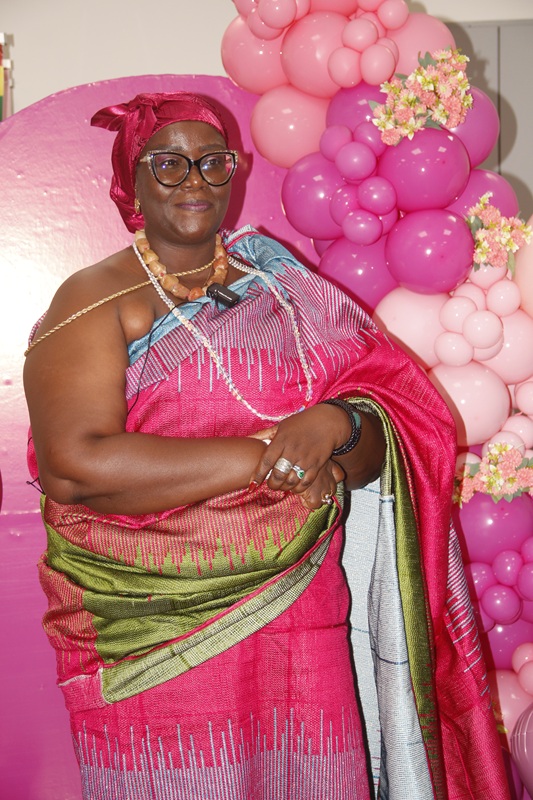
“A painless lump is not a harmless lump. You need to take action and not wait for pain,” she said.![Prof.Dr.Grace Ayensu-Danquah [middle] launching of Breast Cancer Awarencss Mouth with Dr.Caroline Reindorf Amissah[second from right] and other officials Photo Okai Elizabeth.](https://spectator.com.gh/wp-content/uploads/2026/10/Prof.Dr_.Grace-Ayensu-Danquah-middle-launching-of-Breast-Cancer-Awarencss-Mouth-with-Dr.Caroline-Reindorf-Amissahsecond-from-right-and-other-officials-Photo-Okai-Elizabeth.jpg)
Dr Dadzie made the call at the 2026 national launch of Breast Cancer Awareness Month, held on the theme, “early action, better outcomes.”
She expressed concern that about 45 per cent of breast cancer patients seen at Korle-Bu failed to return after starting treatment.
According to her, some patients began treatment but later stopped reporting to the hospital, leaving health professionals uncertain about their wellbeing.
She attributed the situation to several factors, including fear of death, financial difficulties, long distances to health facilities, lack of time and stigma.
Dr Dadzie urged women to know their breasts and seek medical attention within two weeks of noticing any abnormality.
She said warning signs could include a lump or thickening in the breast or armpit, changes in breast size, an inverted nipple, nipple discharge and changes in the skin, including redness, sores or an orange-peel appearance.
She cautioned women not to assume they were safe simply because they had no family history of breast cancer, explaining that only about five to 10 per cent of women with the disease had a familial or genetic mutation.
Dr Dadzie encouraged women to undergo regular clinical breast examinations and discuss appropriate screening options, including mammography and ultrasound, with health professionals.
She also called on families, particularly husbands and partners, to support women who needed breast examinations or treatment.
“Home is where the support begins,” she said, urging families to provide practical assistance such as transportation and childcare.
Dr Dadzie further appealed for breast cancer services to be brought closer to communities through increased access to mammography, ultrasound and biopsy services, as well as the training of more health professionals.
The Deputy Minister of Health, Prof. Dr Grace Ayensu- Danquah, said breast cancer remained a major health concern among women in Ghana, with an estimated 4,650 new cases and about 2,060 deaths recorded annually.
She said Ghana’s breast cancer response focused on prevention, early detection, equitable access to treatment and compassionate care.
Dr Ayensu-Danquah said the country was working to strengthen awareness, clinical breast examinations, referral systems, pathology and diagnostic services to improve breast cancer outcomes.
The World Health Organisation (WHO) representative, Dr Joana Ansong, said too many women continued to present with advanced breast cancer, resulting in avoidable suffering and deaths.
She called for stronger health education, timely diagnosis, rapid referral and equitable access to comprehensive treatment and support.
Dr Ansong said breast cancer awareness should move beyond campaigns to sustained action involving government, communities, health professionals, civil society organisations, the private sector and families.
By Esinam Jemima Kuatsinu
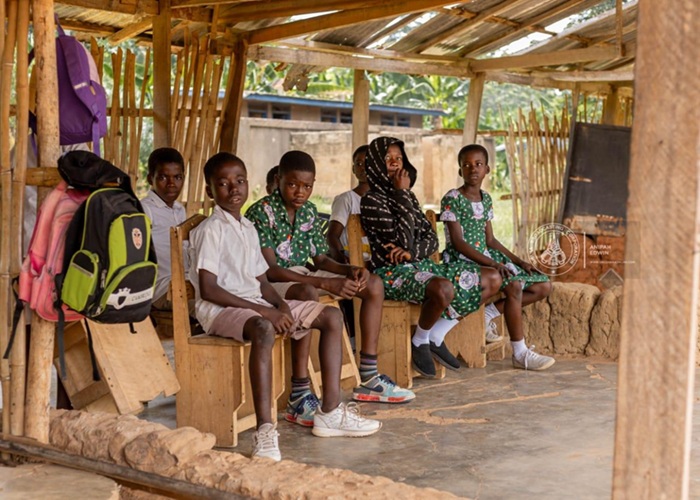
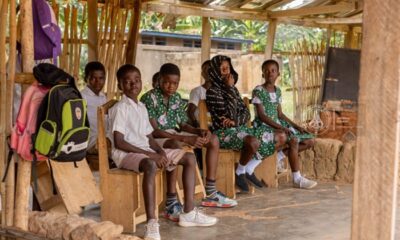
Authorities of Percheyire R/C Basic School in the Yilo Krobo District of the Eastern Region are concerned about the safety of teachers and learners of the school, as reports of the condition of the structure appear to have fallen on deaf ears.
The ramshackle classroom structure looks like one that could cave in in the case of a heavy storm and, according to the teachers, teaching and learning become impossible when the rains set in.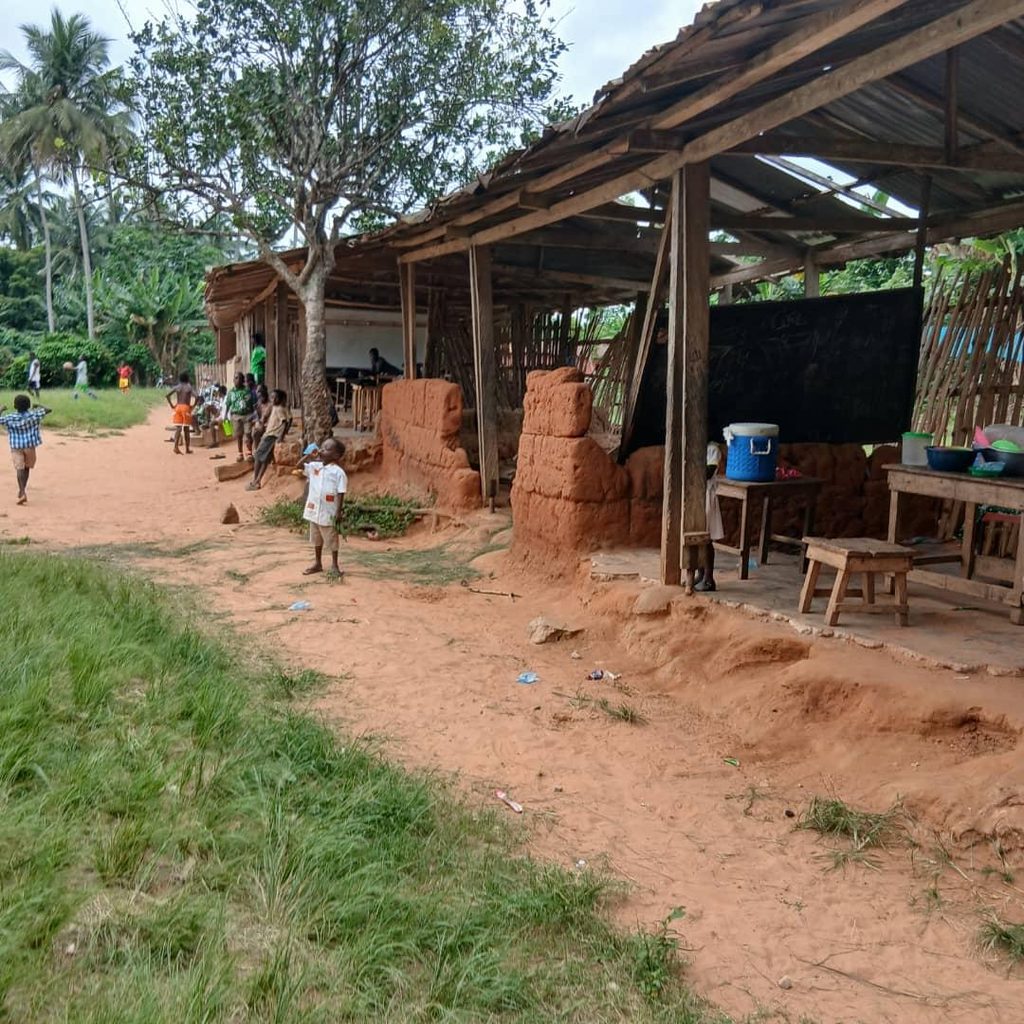
The structure, which accommodates pupils from Primary Four to Six, has worn-out roofing sheets, mud walls and sections supported by wood used as pillars.
A source at the school, who requested anonymity, told The Spectator in an interview that the situation was particularly difficult during the rainy season.
“When it rains, it means teaching and learning would come to an end,” he said.
The source explained that the challenge affected only the upper primary section, as pupils from Kindergarten to Primary Three were housed in a relatively better block.
According to the source, about 30 pupils from Primary Four to Six currently use the dilapidated structure, but expressed grave concern about its condition.
The source, however, said that the safety of the pupils, their furniture and books remained a concern, particularly during heavy rains.
The source said the situation had been reported to the relevant authorities and was hopeful that the structure would eventually be reconstructed.
Some pupils sitting in one of the classrooms
Despite the visit to the school, authorities indicated that work would be undertaken, but the school was yet to receive further information on when the project would begin.
The source also identified the poor road network to the school as another challenge affecting enrolment, saying the school serves pupils from Percheyire and three neighbouring communities.
It also emerged that an enrolment drive embarked upon in one of the communities, Togodo, showed that more than 60 school-going children lived in the community, but were unable to attend the school regularly because of the distance and poor road.
The school currently has about 110 pupils from Kindergarten through Junior High School, according to the source.
The source said improving both the classroom infrastructure and the road network would help create a more conducive learning environment and potentially improve enrolment.
A former teacher of the school, Rev. Elizabeth Korasare, said she was surprised to find the structure still in use after 38 years.
“I was surprised to see that the classroom I sat in 38 years ago is in the same state. Even though there are some new blocks, the upper primary is still housed in that same dilapidated structure,” she told The Spectator.
She therefore appealed to the relevant stakeholders to support the school by building a modern structure and improving the road network.
By Esinam Jemima Kuatsinu
SKIP THE QUEUE, TAP THE NEWS
You can now read the Ghanaian Times and The Spectator newspapers from the comfort of your device via TimesNewsPlus.
Join our WhatsApp Channel: https://whatsapp.com/channel/0029VbBElzjInlqHhl1aTU27