News
A Saturday night’s dream


I was not pleased with the conduct of my bodyguard on the occasion of the Fourth GJA Awards Nite at the Labadi Beach Hotel last Saturday. Theophilus Yartey was supposed to be at post at exactly 7.05pm but was nowhere to be found.
My honourable press secretary, Devine Ankamah, had to double as the acting bodyguard. He was quite impressive except that his height didn’t quite measure up to his responsibility as the personal guard of a six footer columnist.
Suddenly, Theophilus appeared in full gear grinning contentedly. He nearly missed the buffet. He apologised for the lapse in his security arrangement, rationalised his undue delay and reaffirmed his loyalty to Kwame Alomele.
I looked at the divine shape of his head and had no doubt whatsoever in my mind that he was the ideal guy for the job. Theophilus is a man whose height is proportional to his intelligence. And for the fact that he is also a born-again Christian makes him an ideal personal guard.
He once confided in me that he could order a gun-wielding attacker to surrender his weapon to him in the name of Jesus. I suppose he could also chest bullets in the name of Elijah. At the present, he is the man who holds my life in his hands.
With the appearance of Theo by my side, I breathed easily. Meanwhile the awards ceremony was underway in grand style. When I heard the citation read in my honour with respect to my article titled “PRESS FREEDOM AND THE BEARDED GOAT,” I was elated. What the bearded goat did to press freedom was, however, not recounted by the exciting and able MC, Godwin Avenorgbo. That guy is a wonderful master of ceremonies. I salute him!
POETIC TRAGEDY
The Columnist of the Year award was delivered to me by no other than the legendary poet and master of the ink, Dr Atukwei Okai. He is a man I envy so much, if not for anything, for his poetic genius.
I have always tried to be a poet without success. I write a few stanzas but they do not shine. What a tragedy! But it comes so naturally to Dr Okai, sometimes in the semblance of lorgorligi.
I am flattered to say that the man is also my admirer and once told me he wished he could write prose like me. At that time I doubted his sincerity because I could not imagine how a great name, a poetic legend, could ever wish to be like an upstart columnist with very little promise of becoming great.
I was so happy to see that he was the very man to present my award. And to my utmost satisfaction, he blessed me with his own citation, whereupon I was filled with the spirit of literary power. I felt like I was in a dreamland.
NO MORE WEEPING
The Sikaman Palava column began as a light-hearted approach to information dissemination such that if your mother died, the Palava could inform you in the kind of language that would make you laugh rather than weep. The column turned sorrow into joy.
I did not know the column was generating so much appeal until the Editor’s office was besieged by readers one Monday after an article I wrote on impostors appeared the previous Saturday. It was then that steps were taken to baptise the column with water and then with fire.
In 1991 it earned me an award as an Outstanding Journalist at the National Media Awards night. I was given the award although I did not present entries as others did. In fact, I’m not used to sending entries to compete in these awards because it just doesn’t seem right to me. But this year, I was compelled to do so because my colleague and press secretary Devine Ankamah said he was going to do so on my behalf whether I liked it or not.
Other colleagues put pressure on me and finally, and in consultation with Devine, I submitted the entries. I was glad to have won this award as the best in Column Writing although the ¢200,000 prize money isn’t quite proportional to my height and of course weight. I could have done with a deep freezer and ¢500,000 in it. Sponsors would have to be found for these awards to make them more inducing.
CONGRATULATIONS
At the hotel, I was privileged to be congratulated by Mrs Gifty Afenyi-Dadzie, the versatile, intelligent and resourceful Vice President of the GJA whose Christian ideals I admire so much. She is a Palava fan.
The dignified Mr Kafui Asem was so pleased with my award and the dazzling former Mirror columnist Ajoa Yeboah-Afari was similarly glad I was honoured. Her column ‘Thoughts of a Native Daughter’ used to whet my reading appetite those days. She is one of the few lady journalists who have distinguished themselves in the profession. She reminded me that my 1989 article ‘A Name Under Siege’ is still her favourite. Many others say so.
Finally, I didn’t know I was so loved. A good number of my colleagues paid ¢15,000 each, not to wine and dine but to cheer me up and I’m very grateful. I was excited and certainly, they made me the star of the night, dancing round me as we took pictures here and there; hugging and pushing me around.
May I express my profound gratitude to two Spectator national service ladies, Betsy Okan and Tina Donkor who defied all odds and made it to the beach hotel to cheer me loud. They made all the difference, together with tall, brainy Peter Francisco, ace-reporter, Francis Twum, and celebrated humorist Alfred Tamakloe who dressed like a voodoo priest and became a centre of attraction.
Peter Quayson, the wonderful cameraman and camera-magician Seth Aduagyei together with my good friend Gayheart Edem Mensah, gave every moral support. I dedicate the awards to them and to the New Times Corporation.
Now I guess if these awards will have to be competed for every year, some of us would have to stop contesting for a while to give a chance to the young, up-and-coming journalists.
They need to be motivated and we must give them the chance to be known through these awards. Don’t you think so?
This article was first published on Saturday, May 25, 1996

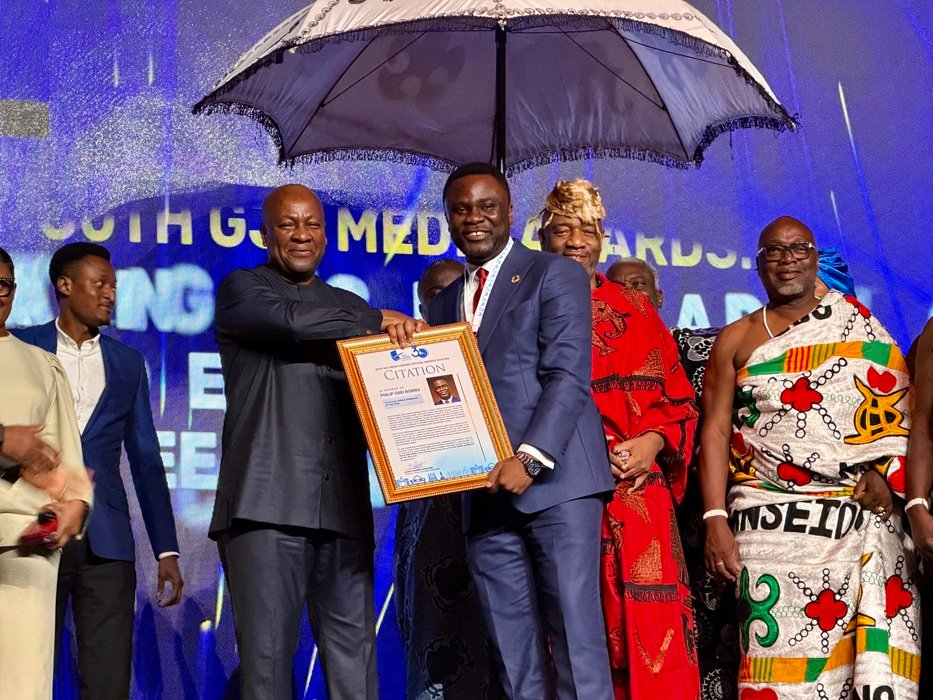
The 30th Ghana Journalists Association (GJA) Media Awards has celebrated three decades of recognising excellence and contributions to journalism and national development, while highlighting the media’s role in Ghana’s democracy.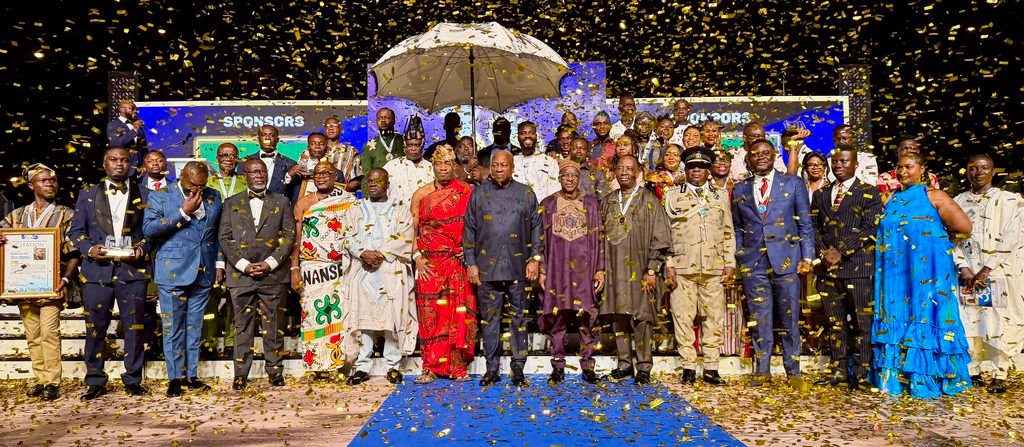
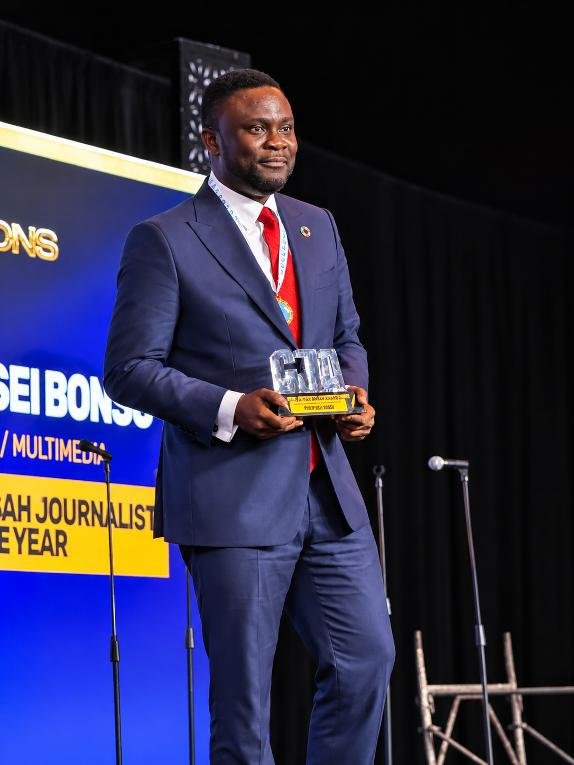
Marking the milestone, Philip Osei Bonsu of the Multimedia Group emerged as the GJA/P.A.V. Ansah Journalist of the Year.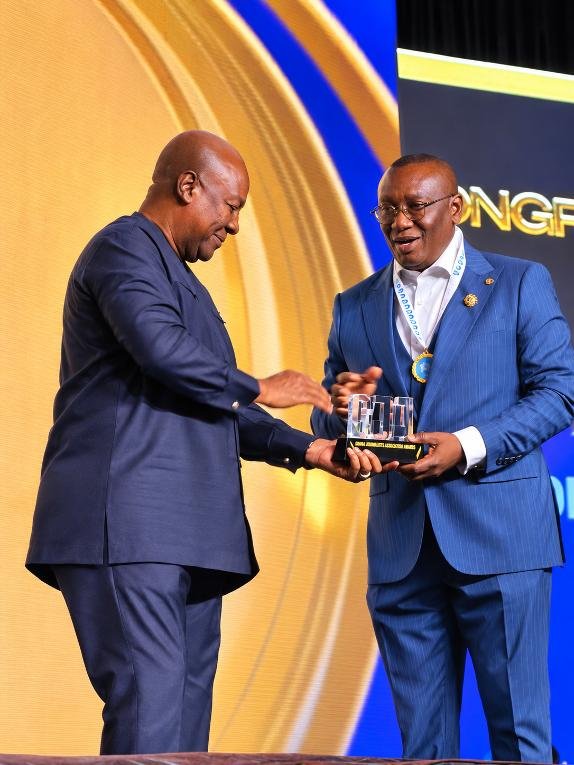
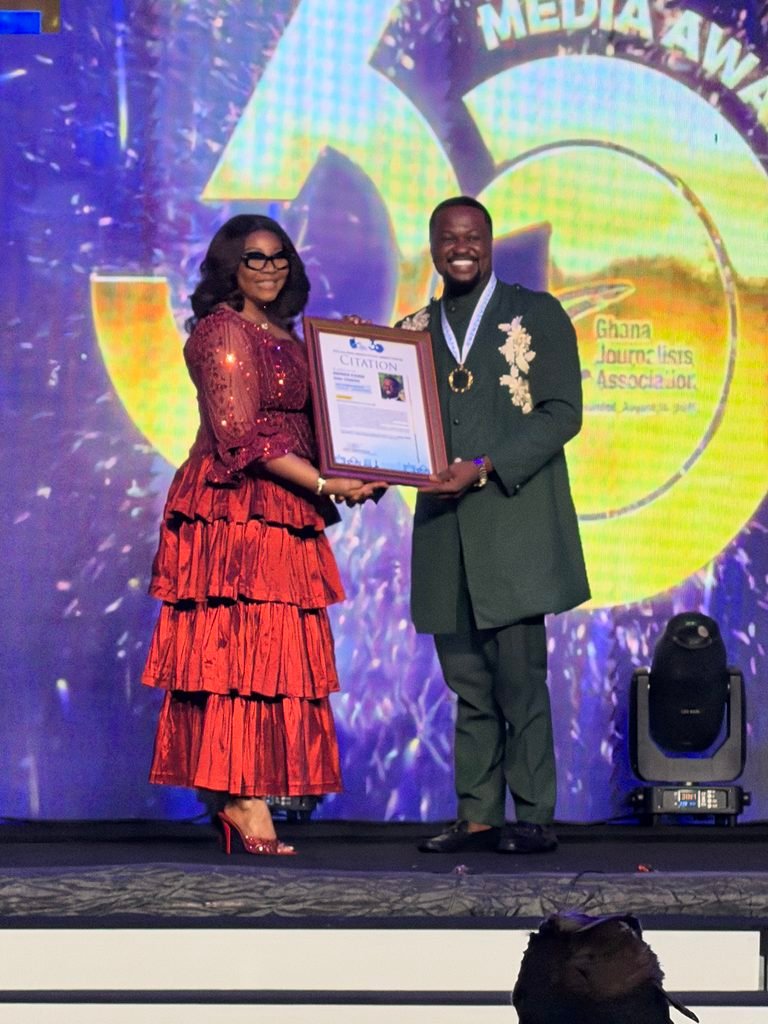
The Ghanaian Times’ Benedicta Gyimah Foley won the Best Feature Reporting, Print category, alongside other journalists recognised across various media platforms.
Other winners included Nathaniel Attoh, Best in Sports Reporting; and Godwin Asediba of Media General, Best in TV Documentary; Doreen Ampofo of GBC, Best in Radio Documentary; and freelance journalist Nii Adjei Mensahfio, Best in Online Documentary.
Daniel Kwabena Mantey was adjudged Best in TV Feature, while Clinton Yeboah of Luv FM won Best in Radio Feature, with Gilbert Azeem Tiroog of GNA taking Best in Online Features.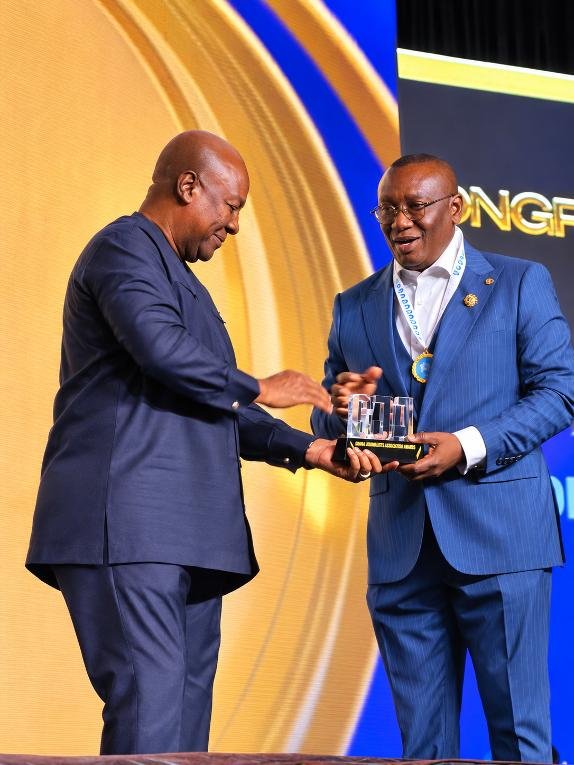
For news reporting, Mohammed Fugu of the Daily Graphic won Best in Print News Reporting, Nabil Ahmed Rufai, a freelance journalist, Best in TV News Reporting; Ridwan Karim Dini-Osman of EIB Network, Best in Radio News Reporting; and Timothy Ngnenbe of the Daily Graphic, Best in Online News.
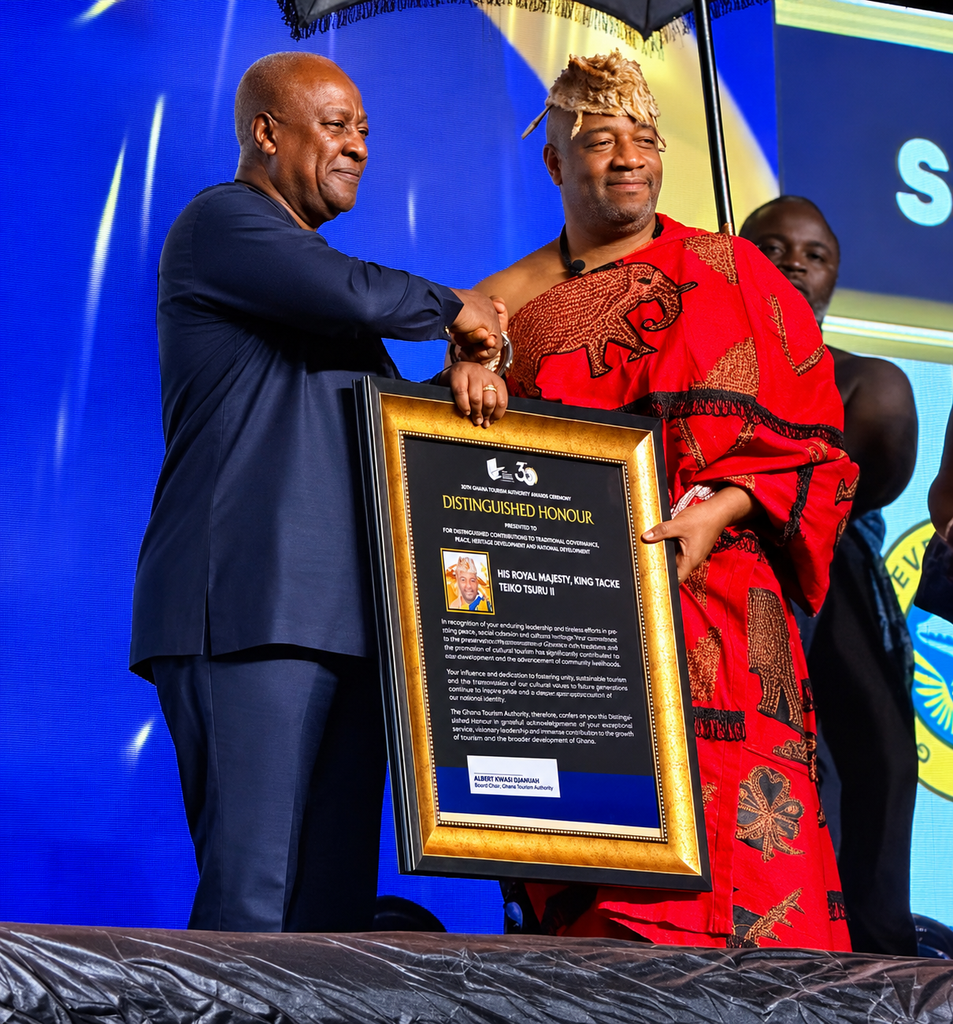
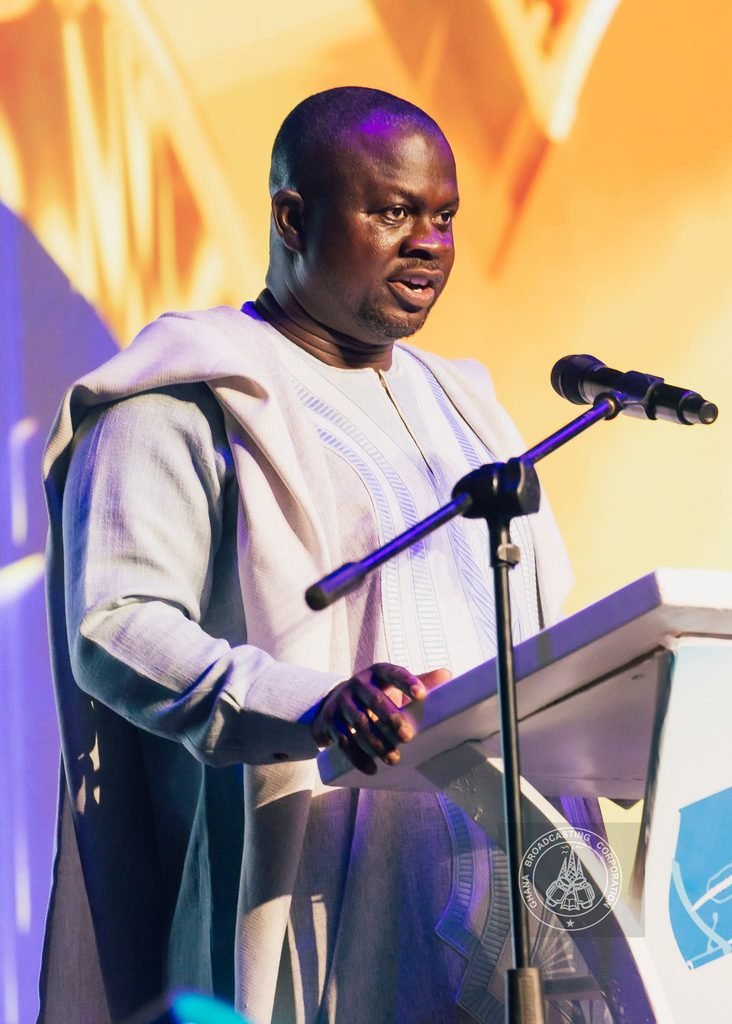
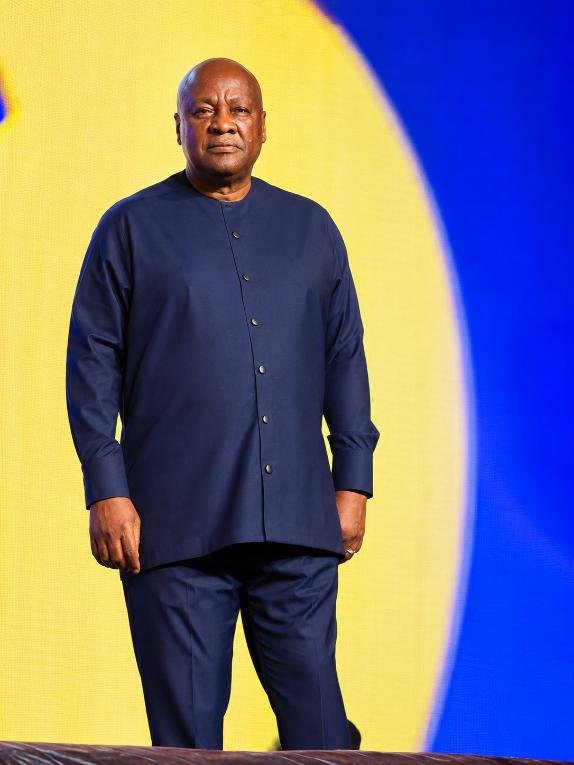
The ceremony, held in Accra last Saturday on the theme, “Celebrating Excellence, Advancing Media Freedom and Combating Hate Speech in the Digital Age”, was attended by President John Dramani Mahama as the special guest of honour.
Also in attendance were the Ga Mantse, King Tackie Teiko Tsuru II, and the Inspector-General of Police, Mr Christian Tetteh Yohuno, among others.
In his address, President Mahama announced a GH₵10 million allocation in the 2027 national budget as seed capital for the reactivated Media Development Fund to support journalists’ welfare, professional development, investigative reporting and safety training, with additional corporate contributions expected.
Mr Mahama, also urged media practitioners to uphold professionalism and accuracy by avoiding sensationalism, unsubstantiated allegations and the deliberate pursuit of scandals, while promptly correcting inaccurate reports and apologising when necessary to maintain public trust and professional standards.
On journalists’ safety, he assured that the government would continue to act against attacks on them.
By Stephanie Birikorang
SKIP THE QUEUE, TAP THE NEWS
You can now read the Ghanaian Times and The Spectator newspapers from the comfort of your device via TimesNewsPlus.
Join our WhatsApp Channel: https://whatsapp.com/channel/0029VbBElzjInlqHhl1aTU27
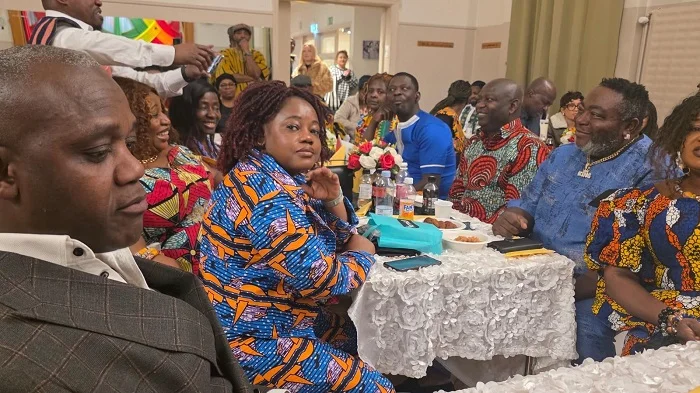
Today, I focus on the theme of Ghanaian/African migrants in Finland and economic empowerment, a move away from the topic of personalities or groups and their accomplishments within the Ghanaian community in Finland that I have been writing on.
In recent times, African migrant associations and Finnish institutions are organising meetings or forums and help people seeking employment to meet employers or build professional networks to achieve economic empowerment.
Such forums are usually open to their members and anyone of African descent.to get into the Finnish job market.
Competences
Researchers and experts say entrepreneurship or self-employment has great potential to offer a route for migrants, including highly-educated ones, to participate in and contribute to the local economy.
Competences, including knowledge and knowhow, opportunities, and social capital such as family support, language, etc., are necessary to boost the entrepreneurship endeavour.
Competence in the official Finnish or Swedish languages is undoubtedly a key quality to improve employment prospects, especially for migrants since the overall unemployment among migrants could be higher than in the mainstream Finnish population.
There could also be particular privileges which may be the provision of the right information for potential entrepreneurs or job seekers.
Barriers and stress factors
Although language has a huge potential to contribute positively to entrepreneurship possibilities, studies have shown that some of the major stress factors are language problems, finances or economic capital among African migrants.
Other barriers or challenges may be how to grow the business venture or its sustainability.
Thus, migrant communities can generally be highly vulnerable to language barrier, lack of information, the nature of the work of migrants in professions where working from home is not possible.
Migrant associations, social networks, and information
By their activities, migrant associations are doing much to educate and create awareness as well as enhance economic empowerment through migrants’ entrepreneurship or self-employment and enhance opportunities.
Such associations and institutions become networks that create an important social capital as well as outlets for sharing and gaining information or knowledge. Also, it will all be for societal good if such activities are able to help reduce stress and anxiety in the migrants’ entrepreneurship endeavours.
As I keep pointing out, Finland is committed to the integration of migrants into the Finnish society. A number of research studies from surveys and other in-depth enquiries have shown a trend of increasing efforts to integrate African and other migrants into the Finnish society.
Public agencies, migrant associations and other non-governmental organisations (NGOs) in Finland have been publishing information to help educate people, which is also good for their wellbeing.
Generally, migrant associations formally create awareness among their members and other migrants usually in collaboration with some Finnish institutions, and are thus an important tool for several migrants to be positively active and to get their interests and claims heard.
As I wrote previously, the role of migrant associations acting as bridge-builders for the integration and inclusion of migrants through participation in the decision making process and by acting as a representative voice is highly appreciated in Finland. Thank you!
SKIP THE QUEUE, TAP THE NEWS
You can now read the Ghanaian Times and The Spectator newspapers from the comfort of your device via TimesNewsPlus.
Join our WhatsApp Channel: https://whatsapp.com/channel/0029VbBElzjInlqHhl1aTU27