Profile
Prof. Nana Ama Browne Klutse: Ghana’s leading voice in environmental protection


- /home/u249204778/domains/spectator.com.gh/public_html/wp-content/plugins/mvp-social-buttons/mvp-social-buttons.php on line 27
https://spectator.com.gh/wp-content/uploads/2026/03/1000418369-1000x600.jpg&description=Prof. Nana Ama Browne Klutse: Ghana’s leading voice in environmental protection', 'pinterestShare', 'width=750,height=350'); return false;" title="Pin This Post">
- Share
- Tweet /home/u249204778/domains/spectator.com.gh/public_html/wp-content/plugins/mvp-social-buttons/mvp-social-buttons.php on line 72
https://spectator.com.gh/wp-content/uploads/2026/03/1000418369-1000x600.jpg&description=Prof. Nana Ama Browne Klutse: Ghana’s leading voice in environmental protection', 'pinterestShare', 'width=750,height=350'); return false;" title="Pin This Post">
PROF. Nana Ama Browne Klutse has emerged as one of Ghana’s most influential scientists in the field of climate research and environmental policy.
A distinguished physicist and climate scientist, she currently serves as the Chief Executive Officer of the Environmental Protection Authority (EPA) of Ghana, a role she assumed in January 2025 following her appointment by the President.
Her appointment places her at the helm of the nation’s foremost environmental regulatory body at a time when climate change and environmental sustainability have become critical issues for national development.
Before her current position, Prof. Klutse served as the Head of the Department of Physics at the University of Ghana from August 2023 to January 2025. Her leadership there was historic, as she became the first woman to occupy that position since the department was established.
In the same year, she achieved another remarkable milestone by becoming the first female full professor of Physics in Ghana and the first woman to attain that rank in the discipline at the University of Ghana in its 75-year history.
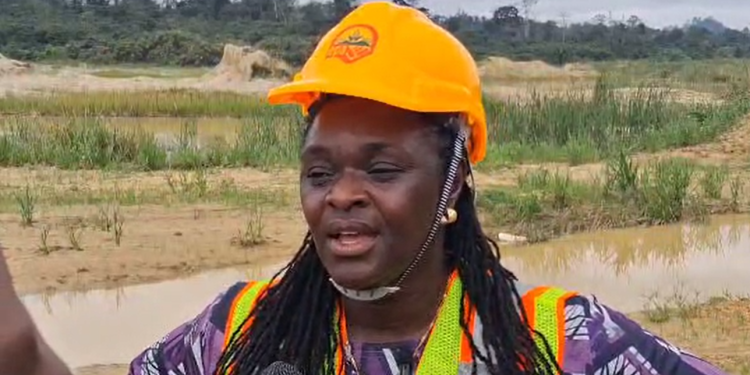
Beyond her national role, Prof. Klutse also commands global recognition in climate science. She currently serves as Vice-Chair of Working Group I of the Intergovernmental Panel on Climate Change (IPCC), the United Nations body responsible for assessing the science related to climate change. Through this role, she contributes to shaping global climate knowledge and policy, while ensuring that Africa’s perspectives and experiences are reflected in international climate assessments.
Earlier in her career, Prof. Klutse worked as a Senior Research Scientist at the Ghana Space Science and Technology Institute under the Ghana Atomic Energy Commission, where she managed the Remote Sensing and Climate Centre.
Her research expertise lies in climate modelling, climate variability and climate change impacts, particularly in Africa. Over the years, she has contributed significantly to research initiatives that seek to understand climate patterns and develop adaptation and mitigation strategies for vulnerable communities.
Born in Nyanfeku Ekroful in the Central Region, Prof. Klutse began her academic journey at Nyanfeku Ekroful Community Nursery School before continuing her education at Anomabu Methodist Primary and Junior High School.
She later attended Mfantsiman Girls’ Secondary School, where her interest in science began to flourish.
She pursued a degree in Physics at the University of Cape Coast before furthering her studies in climatology at the University of Cape Town in South Africa and the International Centre for Theoretical Physics in Italy.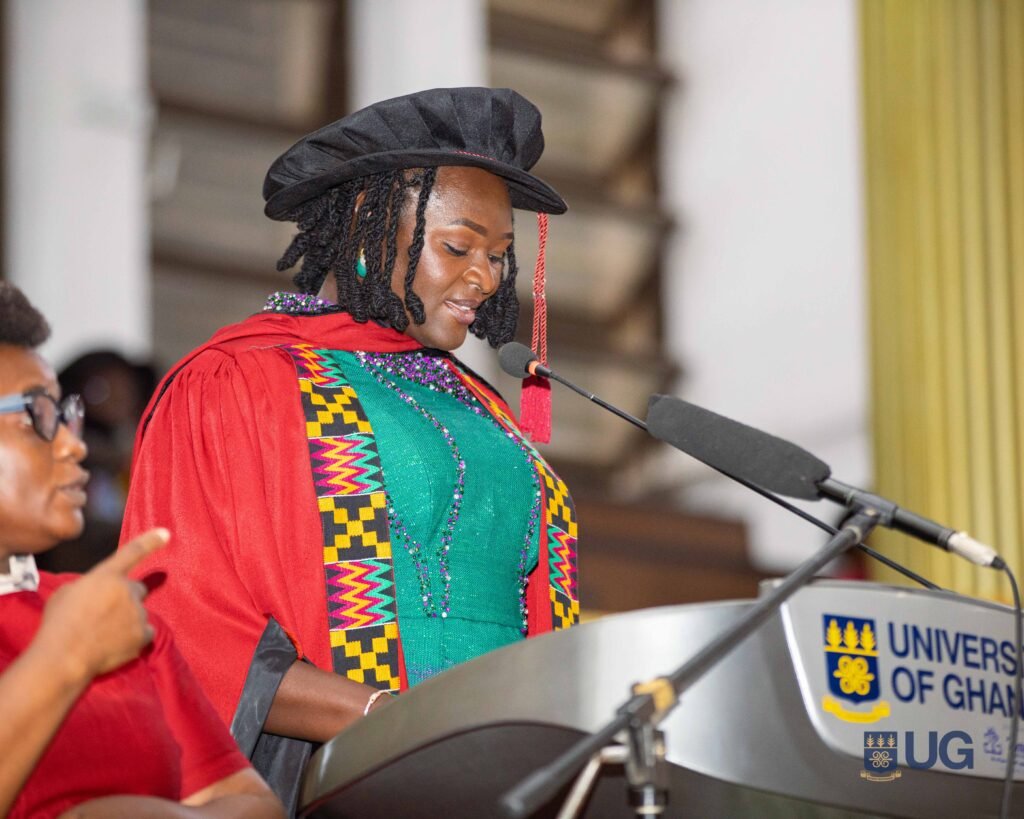
These academic experiences helped shape her career in climate science and strengthened her commitment to addressing the environmental challenges confronting Africa.
Prof. Klutse’s research focuses on atmospheric physics and the ways in which climate change affects critical sectors such as agriculture, water resources and public health. Her work also explores climate variability, climate modelling and solar radiation management. Through these studies, she transforms historical and projected climate data into actionable information that can guide policy decisions and help communities prepare for climate-related risks.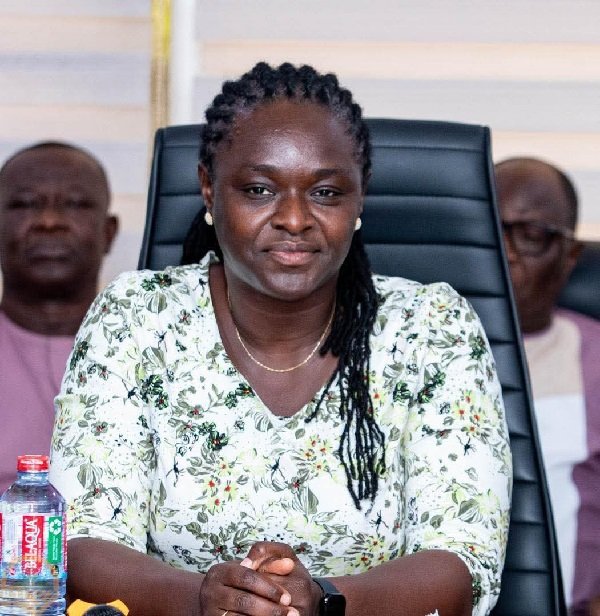
One of her recent research studies examined solar radiation management during the harmattan season and its possible impact on climate variability over southern West Africa. Her scholarly contributions have been widely recognised in the scientific community.
As of February 2025, she had published about 70 scholarly articles with more than 6,600 citations, highlighting the impact of her work on global climate research.
Nations Framework Convention on Climate Change and played a role in the development of Ghana’s National Framework for Climate Services.
In addition to her research achievements, Prof. Klutse is also a passionate educator.
At the University of Ghana, she teaches courses such as Electricity and Magnetism, Mechanics and Thermal Physics, Meteorology, Climate Change and Society, Climate Change Modelling and Research Methods. She is affiliated with both the Department of Physics and the Centre for Climate Change and Sustainability Studies.
Earlier in her academic career, she taught courses including Satellite and Radar Meteorology, Cloud Physics and Atmospheric Physics at the University of Cape Coast.
Her academic influence also extends beyond Ghana. She has served as a guest lecturer at the West African Science Service Centre on Climate Change and Adapted Land Use (WASCAL) and at the African Institute for Mathematical Sciences, where she contributed to training the next generation of climate scientists across the African continent.
Prof. Klutse has also been actively involved in shaping Ghana’s climate policies. She contributed to the country’s Second, Third and Fourth National Communications to the United
Earlier, she collaborated with the United Nations Development Programme to develop early warning systems for floods and droughts in northern Ghana, helping to improve resilience to climate-related disasters.
Beyond her scientific and policy work, Prof. Klutse is committed to community engagement and mentoring young people, particularly girls interested in science. She actively promotes women’s participation in Science, Technology, Engineering and Mathematics (STEM) and encourages young Ghanaian girls to pursue careers in scientific fields.
Her dedication and achievements have earned her several international recognitions, including the Schlumberger Faculty for the Future Award, the DAAD In-Country/In-Region Award and the UNESCO Award on Basic Physics for Young Scientists.
Prof. Klutse is married to Dr Charles Kofi Klutse of the Ghana Atomic Energy Commission, and together they have three children.
Through her work in research, education and environmental governance, Prof. Nana Ama Browne Klutse continues to make remarkable contributions to science and national development, while inspiring a new generation of African scientists committed to tackling climate change and protecting the environment. —Source UG.edu.gh
Join our WhatsApp Channel now!
https://whatsapp.com/channel/0029VbBElzjInlqHhl1aTU27








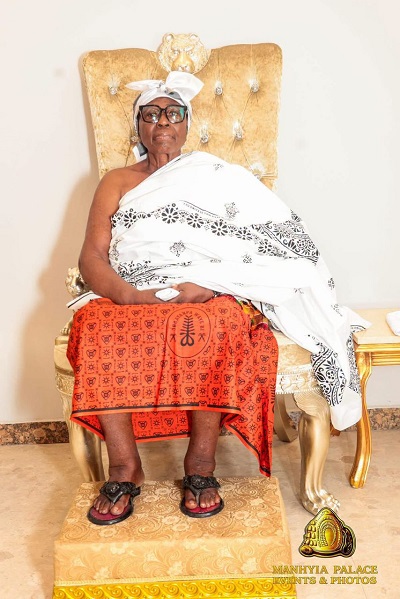
For nearly a year, one of the most revered stools in the Asante Kingdom remained vacant, leaving a quiet but unmistakable sense of expectation hanging over the Manhyia Palace.
Every sitting of Asanteman Council, every major traditional ceremony, and every conversation within royal circles carried the same lingering question: Who would become the next Asantehemaa?
Last Monday, that long wait finally gave way to certainty and historic celebration.
In a development warmly received across the length and breadth of the Asante Kingdom, the Asantehene, Otumfuo Osei Tutu II, formally accepted the nomination and welcomed the newly enstooled Asantehemaa in a grand ceremony steeped in age-old tradition at the Manhyia Palace.
Born Margaret Serebour, the 79-year-old retired educationist has ascended the revered Kusiamoah Stool. She has been enstooled under the stool name Nana Yaa Akyaa II, officially becoming the 15th Asantehemaa in the rich history of the Asante Kingdom.
The historic enstoolment marks the end of months of quiet consultations and meticulous traditional processes following the passing of Nana Ama Konadu Yiadom III in August 2025.
Since her demise, the prestigious office of Asantehemaa—one of the highest traditional institutions in Ghana—had remained vacant, with Asanteman patiently awaiting the customary selection of a worthy successor.
Nana Yaa Akyaa II brings an impeccable and deeply historic royal pedigree to the stool.
She is a direct granddaughter of Otumfuo Agyeman Prempeh I, the legendary Asante monarch who, alongside Nana Yaa Asantewaa, was exiled to the Seychelles islands by the British after the Anglo-Asante War.
Furthermore, she is a niece of Otumfuo Sir Osei Agyeman Prempeh II and a biological sister of the late Nana Akwasi Agyemang, the prominent, long-serving former Chief Executive of the Kumasi Metropolitan Assembly.
A devout Christian, the new Queen mother is also a well-known, dedicated worshipper at the Anglican Church in AshTown, Kumasi.
Palace sources describe Nana Yaa Akyaa II as a woman widely admired within the Royal family for her humility, patience, calm disposition, and unique ability to unite people.
These qualities are regarded as essential for the occupant of an office that seamlessly blends moral authority, cultural stewardship, and traditional leadership.
An opinion leader, speaking on condition of anonymity, noted that Manhyia is once again witnessing a moment of profound historical and cultural significance—one that closes a chapter of waiting and opens a vibrant new page in the centuries-old story of the Asante Kingdom.
Within the constitutional and cultural framework of the Asante Kingdom, the Asantehemaa occupies a position second only to the Asantehene.
She serves as the ultimate custodian of the royal matrilineal lineage and bears the singular responsibility of nominating a successor to the Golden Stool whenever the throne becomes vacant.
Beyond her critical role in succession, she operates as a trusted co-ruler and adviser to the Asantehene, acts as the ultimate leader of women in Asanteman, and serves as a vital arbiter in family and customary disputes.
With her formal customary rites completed on Thursday, July 9, and her acceptance by the Asantehene finalised, Nana Yaa Akyaa II begins her historic reign, anchoring the ancient traditions of Asanteman into a modern era.
The development also paves the way for the preparation of the final funeral rites of the late Nana Yaa Konadu Yiadom III, as ‘Dote Yie’ had already been observed.
From Kingsley E. Hope, Kumasi
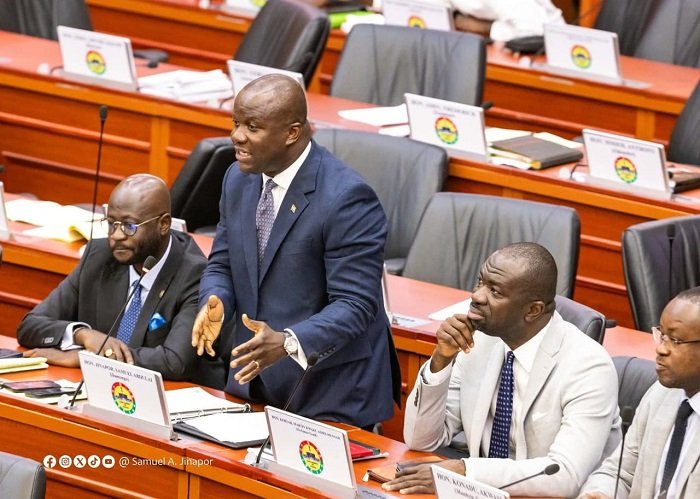
The Member of Parliament for Damongo and former Minister for Lands and Natural Resources, Samuel Abu Jinapor, has called for stronger environmental legislation to enable African countries to fully benefit from nature-based solutions while building climate resilience, creating jobs and promoting sustainable economic growth.
He said although several African countries, including Ghana, had made significant progress in developing policies to protect the environment and promote carbon markets, stronger legal backing was needed to ensure their long-term implementation and attract greater investment.
Mr. Jinapor made the call during a panel discussion at a public lecture organised by the Research and Innovation Directorate (RID) of the University of Ghana and the Africa Centre for Nature-Based Climate Action (AC4NCA) to commemorate the 2026 Day of Scientific Renaissance of Africa (DSRA) at the Cedi Conference Centre of the university on Tuesday.
Speaking on the theme, “Africa at a Crossroads: Can Nature-Based Solutions Deliver Climate Resilience, Jobs, Equity and Justice?”, Mr. Jinapor stressed that research should not remain in academic journals but must influence public policy and national development.
He said research should also be linked to business and financing so that scientific discoveries could be transformed into practical solutions that improved livelihoods and generated economic value.
According to him, governments across Africa must demonstrate political commitment by establishing policies and regulatory systems that would enable their countries to benefit from the growing global market for nature-based solutions.
Mr. Jinapor said Ghana had already taken important steps by developing a national framework for carbon trading, creating opportunities for communities to benefit financially from environmental conservation.
He disclosed that the country had successfully distributed about five million dollars through a benefit-sharing arrangement under its carbon market programme to support local communities and researchers.
The former Lands and Natural Resources Minister also highlighted Ghana’s achievements in responsible forest management, noting that the country was among the first in the world, alongside Indonesia, to issue Forest Law Enforcement, Governance and Trade (FLEGT) licences for legally sourced timber exported to international markets.
He said successive governments had continued to strengthen environmental policies and expand certified forest resources to meet international standards.
Contributing to the discussion, the Regional Director for West and Central Africa of the International Union for Conservation of Nature (IUCN), Mr. Balla Moussa Sidibé, said Africa’s future depended on protecting and restoring nature rather than exploiting it for short-term economic gains.
He described climate change as one of the continent’s biggest development challenges, affecting agriculture, food security, water resources, livelihoods and economic growth.
According to him, forests, wetlands, mangroves and healthy soils were strategic natural assets capable of reducing climate risks, improving food security and creating sustainable jobs if properly managed.
Mr. Sidibé cited the Congo Basin as one of the world’s most important ecosystems because of its role in storing carbon, conserving biodiversity and regulating rainfall, saying its protection was critical not only for Africa but for the global climate.
He called for increased investment in ecosystem restoration, sustainable agriculture, ecotourism and other green sectors to create employment opportunities, particularly for young people.
Other panelists called for stronger collaboration among universities, governments and research institutions across Africa, arguing that countries facing similar environmental challenges should share knowledge and expertise instead of working in isolation.
They also stressed the need for trust, transparency and fairness in research partnerships to ensure the benefits of collaboration were shared equitably.
Touching on Monday’s floods in parts of Accra, the panelists said years of wetland destruction and poor land-use planning had significantly worsened flooding in the capital.
They explained that wetlands such as the Densu Delta and Sakumo Ramsar sites naturally absorb floodwaters and protect biodiversity but had come under increasing pressure from encroachment and degradation.
The Director of the Research and Innovation Directorate of the University of Ghana, Professor David Dodoo-Arhin, said the Day of Scientific Renaissance of Africa had become an important platform for promoting research, innovation and partnerships that addressed Africa’s development challenges.
He urged government, industry and academia to deepen collaboration to ensure research produced practical solutions that improved livelihoods and supported sustainable development.
He urged African governments to invest more in nature-based solutions, strengthen environmental laws and translate research into practical policies capable of building climate-resilient, inclusive and sustainable economies for future generations.
By: Jacob Aggrey