News
How are people getting guns so easily? — Dr. Adomako Kissi questions after Garu shooting

- /home/u249204778/domains/spectator.com.gh/public_html/wp-content/plugins/mvp-social-buttons/mvp-social-buttons.php on line 27
https://spectator.com.gh/wp-content/uploads/2025/10/WhatsApp-Image-2025-10-21-at-13.35.51-1000x600.jpeg&description=How are people getting guns so easily? — Dr. Adomako Kissi questions after Garu shooting', 'pinterestShare', 'width=750,height=350'); return false;" title="Pin This Post">
- Share
- Tweet /home/u249204778/domains/spectator.com.gh/public_html/wp-content/plugins/mvp-social-buttons/mvp-social-buttons.php on line 72
https://spectator.com.gh/wp-content/uploads/2025/10/WhatsApp-Image-2025-10-21-at-13.35.51-1000x600.jpeg&description=How are people getting guns so easily? — Dr. Adomako Kissi questions after Garu shooting', 'pinterestShare', 'width=750,height=350'); return false;" title="Pin This Post">
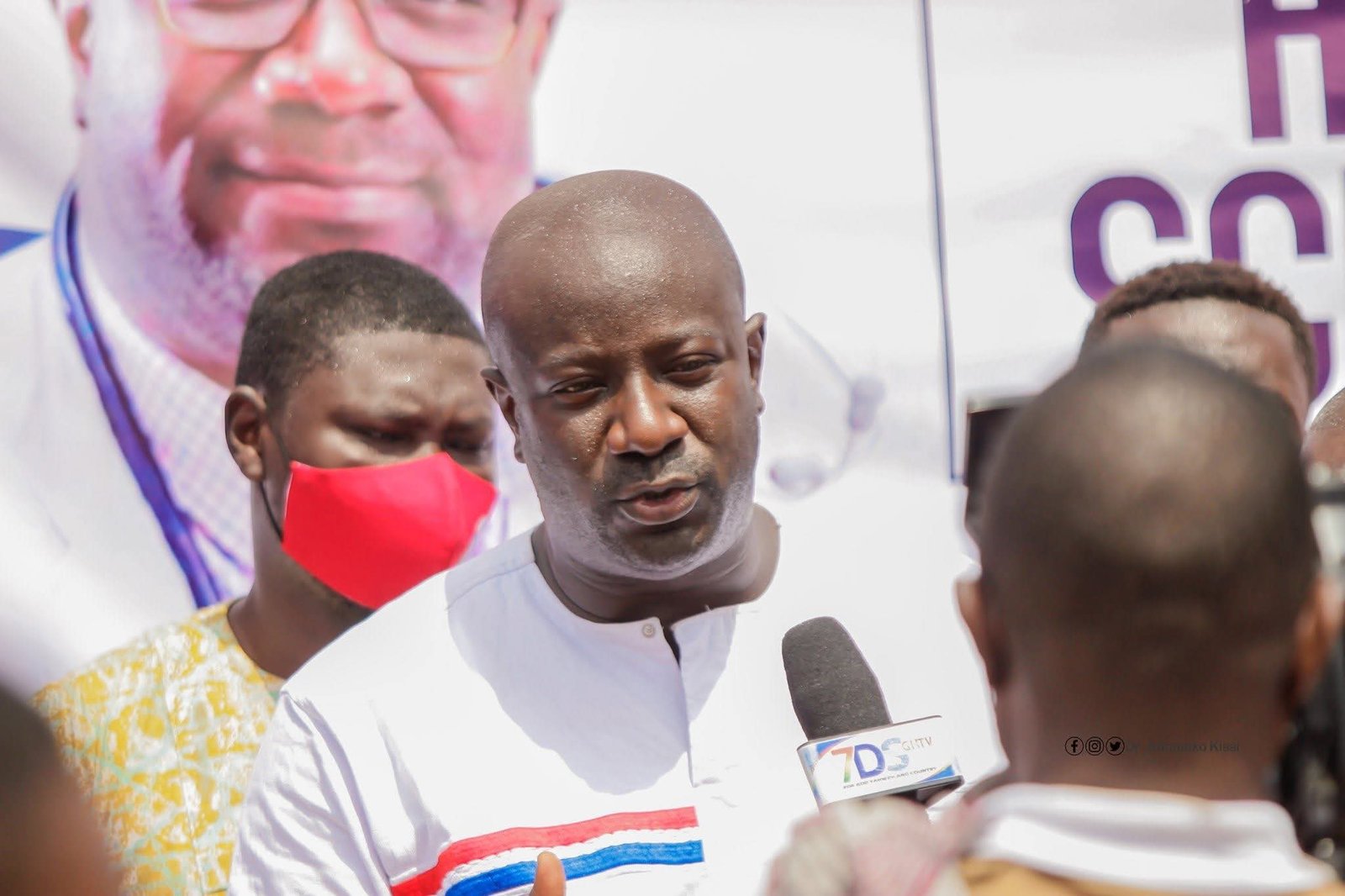
Former Member of Parliament for Anyaa Sowutuom, Dr. Dickson Adomako Kissi, has expressed serious concern about how easily people in some parts of the country, particularly Garu, are able to access guns.
Speaking in reaction to the recent shooting incident in Garu, Dr. Adomako Kissi questioned how individuals are able to obtain weapons so freely and called for a thorough investigation into the matter.
He said the state should use modern technology, such as mobile phone tracking, to help identify and arrest the perpetrators.
According to him, investigators can trace the killers by checking which mobile phones were in the area at the time of the incident and by tracking phone calls linked to the victims.
“All you need to do is to scan the area to find out which mobile phones were there at the time of the shooting. You can easily identify the people involved. The people who pulled the trigger might be contract killers, but technology can help trace those who hired them, ” he explained.
Dr. Adomako Kissi described the incident as “worrying and frightening,” adding that the growing availability of guns in some communities poses a serious threat to national security.
He expressed surprise at how some people are able to buy guns easily when he, as a professional and former legislator, cannot afford one.
“It’s quite troubling. I make some decent money, but I can’t afford a gun. So, how come others have so many?” he asked.
The former MP urged security agencies not to “whitewash” the case but to carry out a detailed and transparent investigation to ensure justice is served.
His comments come amid rising concerns about insecurity and the increasing number of illegal weapons in circulation across parts of northern Ghana.
By: Jacob Aggrey





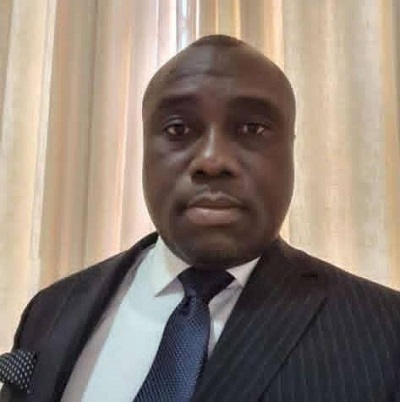
The Director of Legal Affairs of the New Patriotic Party (NPP), Gary Nimako Marfo, has questioned who will bear the cost of conducting presidential and parliamentary primaries following the Supreme Court’s ruling on the party’s delegate system.
Speaking to journalists, Mr. Nimako Marfo said he would not immediately comment on the ruling, adding that he wanted to wait for the full details before sharing his views.
“I don’t want to comment on it now. Let’s wait,” he said.
When asked about the Supreme Court’s decision that all members in good standing should vote in party elections, he shifted attention to the financial implications of implementing the ruling.
According to him, allowing all members in good standing to vote would increase the cost of organising internal party elections.
He questioned who would pay for the expanded electoral process.
“Who is going to pay for the cost of the elections?” he asked.
When a journalist suggested that political parties would bear the cost, Mr. Nimako Marfo replied, “Let’s wait and see.”
The comments come after the Supreme Court ruled that political parties should allow all members in good standing to vote in their internal elections, a decision that is expected to expand participation but also increase the financial and logistical demands of organising presidential and parliamentary primaries.
By: Jacob Aggrey

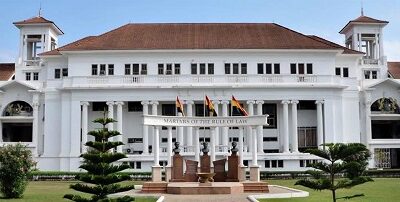
The Supreme Court of Ghana has declared the delegate system used by political parties to elect presidential and parliamentary candidates unconstitutional.
In a 5-2 majority decision delivered, the Court ruled that the long-standing system violates democratic principles and ordered all political parties to ensure every registered, card-bearing member participates in presidential and parliamentary primaries.
The ruling brings to an end decades of internal party elections conducted by a limited number of delegates.
The suit was filed by former Minister for Environment, Science, Technology and Innovation, Professor Kwabena Frimpong-Boateng; veteran politician Dr. Nyaho Nyaho-Tamakloe; and former Minister for Lands and Forestry, Dr. Christine Amoako-Nuamah.
The plaintiffs argued that the delegate system created inequality among party members by granting voting rights to a privileged minority while excluding ordinary members in good standing.
They told the Court that restricting voting rights to delegates was inconsistent with the democratic principles enshrined in the 1992 Constitution.
The Attorney-General’s Department supported the suit and urged the Court to adopt a “one member, one vote” approach.
In its submission, the State argued that political parties perform an important public function in Ghana’s democratic framework and that their internal electoral processes must reflect constitutional values of equality, participation and universal suffrage.
The Attorney-General further submitted that expanding voting rights to all registered members would strengthen accountability and deepen internal democracy within political parties.
The judgment means that going forward, presidential and parliamentary candidates will be selected by all registered members of a political party, instead of by delegates alone.
Political parties are expected to review their constitutions and structures to comply with the Court’s directive ahead of the 2028 general elections.
By Edem Mensah-Tsotorme