Health Essentials
Stop the silent killer: Breaking myths to prevent sudden deaths from high blood pressure


Every week in Ghana, a life is cut short, sometimes in the middle of traffic, sometimes at a desk, sometimes in the quiet of sleep. A father doesn’t come home. A sister doesn’t wake up.
A colleague slumps at work and never gets back up. Families are left asking why and you will hear statements like what happened? Was he sick? I just saw him, he has not shown signs of ailment, what a shock and so on.
Behind many of these sudden tragedies is a quiet, invisible force: high blood pressure, or hypertension. It doesn’t scream for attention. It doesn’t always show symptoms. But it tightens its grip silently on hearts, on brains, on lives.
This is not just a medical issue. It is a human one, it is about behaviour, it is about ignorance and it is about lifestyle. It is the grandmother who never got her blood pressure checked because she felt “fine.”
It is the taxi driver, the statistician, the nurse who ignored his pounding headaches, thinking it was just stress. It is the young lady who was so vibrant at church and no one suspected she could fall and die. Because it shows no symptoms.
The alarming numbers we cannot ignore
The Ghana’s 2023 STEPS Survey on Non-Communicable Diseases conducted by The World Health Organisation, Ghana Health Service and Ghana Statistical Service has revealed findings that should push for action.
According to the report, 21.7 per cent of adults aged 18 to 69 in Ghana are living with high blood pressure. Even more alarming is that 51.1 per cent of those with hypertension are not aware of their condition.
This means that more than half of the people with dangerously high blood pressure are walking around without knowing it until tragedy strikes. That is the real danger of this silent killer.
Literature has shown that hypertension is preventable and manageable. But only if we treat it like the threat, it is. That means regular checkups; that means understanding the risks and that means talking about it openly, urgently, and with compassion.
The deadly power of myths
Why are so many Ghanaians untested or untreated? Is it out of ignorance, or the pervasive myths about hypertension and its treatment?
• Some believe blood pressure medicine “weakens the body” or “shortens life.”
• Some believe blood pressure medicine “weakens the penis and kills sexual drive”
• Others think once you start taking medication, you are “dependent for life.”
• Many say, “I feel fine, so I must be fine.”
These beliefs are not only false, but they are also deadly. The truth, according to the World Health Organisation, is that effective treatment can reduce the risk of stroke by up to 40 per cent and heart attack by 25 per cent. Avoiding treatment does not prevent dependence rather, it accelerates death.
As Dr Patrick Kuma-Aboagye, former Director-General of the Ghana Health Service, has noted, “Hypertension is preventable and treatable, but our biggest battle is misinformation and late detection.”
A national conversation we must have
This is not just a health issue it is a national emergency. Sudden deaths rob families of breadwinners, communities of leaders, and the country of its productivity. In every obituary notice caused by hypertension, there is a story of loss that could have been prevented with a simple blood pressure check and treatment.
Behind every life saved is a moment of awareness, a decision to act, therefore, the media must rise to the challenge.
Radio and television programmes should dedicate regular airtime to demystify hypertension. Newspapers should carry survivor stories, expert interviews, and practical lifestyle advice.
Social media influencers should spread awareness in local languages, reaching young people who assume they are safe.
Public health experts also have a responsibility. Screening must move beyond hospitals into churches, mosques, markets, schools, and workplaces. People should not have to wait for illness to know their BP status.
What we can do together
To stop the silent killer, we need a collective response:
• Check your blood pressure regularly, even if you feel healthy.
• Follow medical advice faithfully if diagnosed because treatment saves lives.
• For healthy lifestyle, eat less salt, reduce alcohol, reduce starchy, fat and oil intake, avoid smoking, and exercise at least 30 minutes daily.
• Encourage one another talk about blood pressure in families, communities, and workplaces.
Conclusion: Silence is killing us
What kills is not just the disease, but the silence, fear, and myths that surround it. The STEPS 2023 report has sounded the alarm: nearly one in five Ghanaian adults has high blood pressure, and more than half don’t even know it.
This is the time for bold conversation, public education, and decisive action. The media, health professionals, policymakers, and ordinary citizens must join forces to expose the myths, spread the facts, and save lives. Let us not wait for another headline.
Let us make blood pressure a national conversation before it becomes a personal tragedy. With awareness, treatment, and collective will, Ghana can stop the silence and stop the sudden deaths from the silent killer.
Written by: Ansah Moses Teye-Akam – Senior Statistician, Sociologist/Scientific Research Organisational Expert.
Email: moses.ansah@ statsghana.gov.gh/ansahmosesteyeakam@ gmail.com.gh Contact: 0244539034 / 0204359034
Join our WhatsApp Channel now!
https://whatsapp.com/channel/0029VbBElzjInlqHhl1aTU27








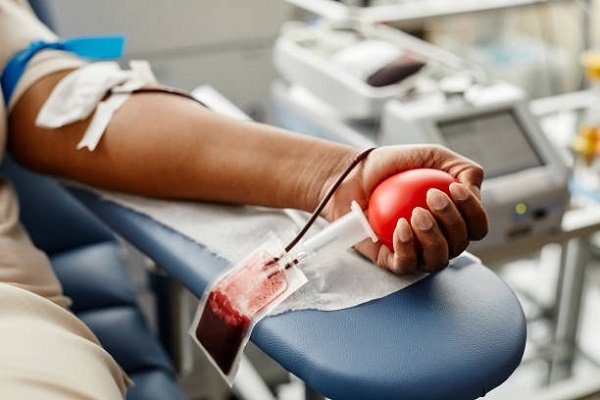
The call often comes at the worst possible moment. A mother is bleeding heavily after childbirth. A road crash victim has been rushed into surgery. A child with severe anaemia needs an urgent transfusion.
Then comes the message to relatives: “The patient needs blood. Find donors.”
Within minutes, family members begin making frantic calls, sending WhatsApp messages, and appealing on social media. Some race from one hospital to another in search of matching donors. Others simply pray that blood arrives before it is too late.
For many Ghanaians, this is their first encounter with a reality healthcare professionals know all too well-blood remains one of the country’s most critical and vulnerable healthcare resources.
Despite years of progress, experts say Ghana’s blood collection, storage, and transfusion system still faces significant gaps that affect access, quality, and safety. And in emergencies, those gaps can cost lives.
A system built out of necessity
For decades, hospitals across Ghana collected blood however they could because patients needed it. There was no law governing blood services. There was simply the urgent need to save lives.
It was only in 2020 that Parliament passed the Blood Service Act (Act 1042), establishing the National Blood Service (NBS) as the agency responsible for ensuring safe and adequate blood supplies nationwide.
Charity and philanthropy
According to Dr. Shirley Owusu-Ofori, Chief Executive Officer of the NBS, the law marked a major shift toward a coordinated national system. But reforming practices that evolved over generations remains a challenge.
The blood that is not there
One of the biggest weaknesses is Ghana’s continued dependence on family replacement donors. These are relatives and friends who donate blood only when someone they know requires a transfusion.
The preferred option, experts say, is a strong pool of voluntary, unpaid donors who donate regularly, allowing blood to be available before emergencies occur.
“The blood should be waiting when the emergency happens, not the other way round,” Dr. Owusu-Ofori said.
The numbers reveal the challenge.
The World Health Organization recommends that countries collect at least 10 units of blood per 1,000 people.
Ghana currently collects about 6.6 units per 1,000 population, an improvement from previous years but still well below the recommended threshold. Yet demand continues to rise.
An estimated 80 to 85 per cent of blood requests in Ghana are for emergencies, leaving little room for delays.
More than a bag of blood
Many people assume donated blood goes straight to a patient. It does not. Every unit must first be screened for infections such as HIV, hepatitis B, hepatitis C, and syphilis. It must then be processed, stored under strict temperature conditions, and transported safely.
Blood itself is not a single product. Red blood cells, plasma, and platelets all require different storage conditions and handling procedures.
Maintaining those standards requires specialized equipment, trained personnel, and continuous monitoring.
And that is where another challenge emerges.
The infrastructure gap
Across the country, some hospitals lack adequate blood storage facilities and the specialized equipment required to operate fully functional blood banks. Others depend on nearby facilities for supplies when emergencies arise.
While healthcare workers often improvise to meet patients’ needs, experts warn that blood safety cannot depend on improvisation.
Storage conditions, transportation systems, and quality controls must work every time.
A breakdown anywhere along the chain can compromise blood quality and patient safety.
Unequal access
Geography presents another challenge. For years, Ghana relied on three major blood centres in Accra, Kumasi, and Tamale to serve the entire country. The arrangement made blood collection and distribution across vast regions difficult and expensive.
To address this, the National Blood Service has established five regional blood centres in the Greater Accra, Ashanti, Northern, Volta, and Central regions.
More are planned.
But with 16 regions nationwide, large areas still remain underserved.
The result is uneven access to blood and blood products, particularly for facilities located far from regional centres.
Closing the regulatory gaps
The Food and Drugs Authority (FDA) says recent assessments have uncovered compliance challenges across the blood sector.
According to Dr. Edwin Nkansah, Director of Vaccine Vigilance and Clinical Trials at the FDA, gaps exist across the entire transfusion chain, from donor recruitment and testing to storage and transfusion practices.
To strengthen oversight, the FDA is embarking on a programme to regulate and license selected blood facilities across the country. The aim is not punishment, he stressed, but improvement.
Facilities will undergo audits, receive technical support, and be guided to meet approved standards.
The goal is simple: ensuring that blood transfused in any hospital meets the same safety requirements.
The missing link
For all the discussions about infrastructure, regulation, and accreditation, experts agree that the biggest solution lies with ordinary citizens.
Every unit of blood starts with a donor. Yet voluntary blood donation remains far below what the country requires.
Health officials estimate that if just one per cent of eligible Ghanaians donated blood regularly, shortages could be dramatically reduced.
That would mean fewer desperate appeals from hospital wards and fewer families scrambling for donors during medical emergencies.
A race against time
Ghana has made important strides in strengthening blood services. Collection rates are improving. Regulatory oversight is expanding. New regional centres are being established. Yet significant gaps remain.
And for the mother experiencing postpartum haemorrhage, the accident victim on the operating table, or the child awaiting a transfusion, those gaps are not statistics. They are the difference between life and death.
Until safe blood is available whenever and wherever it is needed, Ghana’s blood system will remain a critical work in progress—one whose success depends not only on regulators and hospitals, but also on the willingness of citizens to roll up their sleeves and donate.
Because when blood is missing, every second matters.- GNA
Health Essentials
The role of GAPHTO in disease prevention in Ghana, public health, national development
Every day across Ghana, thousands of public health professionals wake up before dawn and head into communities, schools, markets, health facilities and households. They inspect sanitation conditions, monitor disease outbreaks, educate communities on healthy practices, investigate health threats and help prevent epidemics before they occur.
Yet despite their critical contribution to national health and development, many Ghanaians know very little about the men and women behind these efforts.
These are the Public Health Technical Officers (PHTOs) — a dedicated workforce that operates largely behind the scenes but serves as one of the country’s most important lines of defence against disease and public health emergencies.
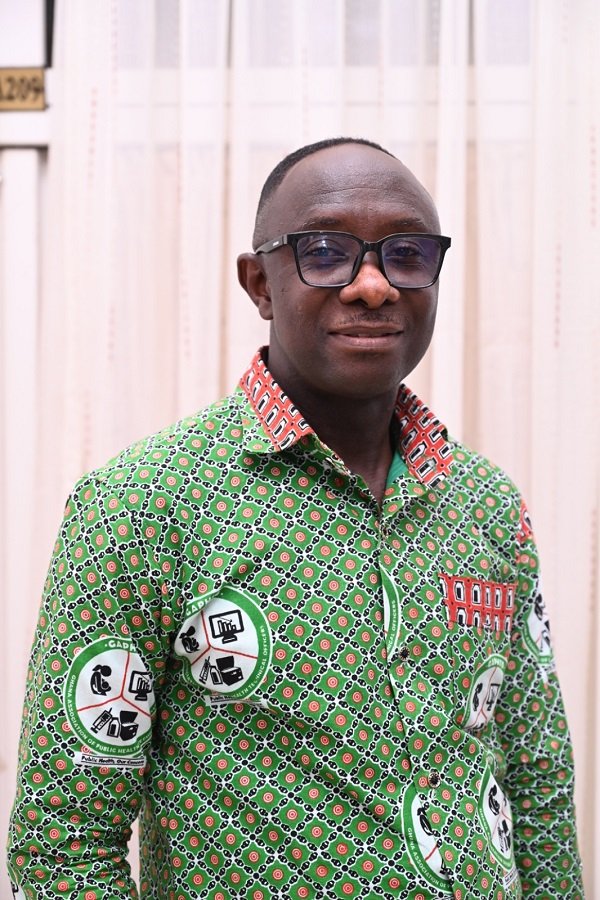
Now, the newly elected President of the Ghana Association of Public Health Technical Officers (GAPHTO), Mr Owusu Ansah Asante, wants to change that.
Having assumed office this year, Mr Asante has placed visibility, professional recognition and strategic advocacy at the centre of his leadership agenda. His goal is to ensure that the work of Public Health Technical Officers is better understood, appreciated and supported by the public, policymakers and development partners.
While doctors and nurses are often the most visible faces of healthcare, Public Health Technical Officers perform preventive functions that help stop diseases before people require medical treatment.
They are involved in environmental sanitation, disease surveillance, outbreak investigations, health promotion, food hygiene inspections, water quality monitoring, vector control and community health education.
Their work becomes especially critical during disease outbreaks such as cholera, meningitis, yellow fever and other infectious diseases that threaten communities.
“When outbreaks occur, our members are among the first responders in the field,” Mr. Asante explained. “They work directly with communities to identify risks, educate the public and implement preventive measures that save lives.”
According to him, preventive healthcare remains one of the most cost-effective investments any nation can make because it reduces the burden on hospitals while improving the overall health and productivity of citizens.
“Many people only think about healthcare when they visit a hospital. Yet there are professionals working every day to prevent diseases before people become patients. That contribution deserves greater public appreciation and support,” he said.
Founded in 1984, GAPHTO has evolved into one of Ghana’s most significant public health professional associations.
Today, the association boasts more than 4,000 members working across districts, municipalities, metropolitan assemblies, regional health directorates and various public health institutions nationwide.
For more than four decades, the association has contributed to Ghana’s efforts in disease prevention, environmental health management, sanitation improvement and public health education.
Members have played active roles in major national health interventions, helping to address public health challenges ranging from sanitation-related diseases to epidemic preparedness and response.
Despite these contributions, Mr Asante believes the profession has not received the level of recognition that matches its impact.
“There is a lot of excellent work being done across the country by Public Health Technical Officers. Unfortunately, much of this work goes unnoticed because it happens quietly in communities. One of our goals is to tell these stories and help people understand the importance of what our members do,” he said.
For the new GAPHTO President, increasing visibility is not merely a public relations exercise.
Instead, he sees communication and public engagement as strategic tools for strengthening public health outcomes and attracting support for preventive healthcare initiatives.
Under his leadership, the association plans to strengthen its communication efforts, improve engagement with the media, expand public education activities and highlight the achievements of members across the country.
Mr Asante believes greater visibility will not only enhance public appreciation for the profession but also create opportunities for partnerships, policy influence and professional development.
“We want GAPHTO to become a household name in matters of public health and disease prevention. When people hear about sanitation, disease surveillance, health promotion and community health protection, they should immediately recognise the role of Public Health Technical Officers,” he said.
Beyond visibility, the new leadership is committed to building the capacity of members to respond to emerging public health challenges.
Rapid urbanisation, climate change, population growth and evolving disease patterns continue to create new public health risks that require innovative solutions and highly skilled professionals.
Mr Asante noted that his administration will focus on continuous professional development, leadership training, research and knowledge sharing to ensure members remain equipped to address contemporary health challenges.
“We live in a rapidly changing world. Public health professionals must continue to upgrade their skills and knowledge to respond effectively to new and emerging threats,” he said.
The GAPHTO President is convinced that the association’s work extends far beyond the health sector.
According to him, effective disease prevention and environmental health management contribute directly to economic growth, educational outcomes and national productivity.
Healthy communities are more productive, children are able to attend school consistently and families spend less on medical treatment when diseases are prevented before they occur.
This, he argues, makes Public Health Technical Officers important contributors to Ghana’s broader development agenda.
“Public health is not only about health. It is about development. It is about creating environments where people can live productive lives and contribute meaningfully to society,” he explained.
As part of his vision, Mr Asante is seeking stronger collaboration between GAPHTO and government institutions, development agencies, civil society organisations, academia and the private sector.
He believes partnerships will be essential for addressing complex public health challenges that require coordinated action across multiple sectors.
The association also hopes to create stronger platforms for advocacy on issues relating to sanitation, environmental health and disease prevention.
As Ghana continues to pursue universal health coverage and strengthen its health systems, Mr Asante believes Public Health Technical Officers must occupy a more prominent place in national conversations about healthcare and development.
His message is simple: disease prevention deserves as much attention as disease treatment, and the professionals who dedicate their careers to protecting communities deserve greater recognition.
For decades, they have worked quietly in the background, helping to keep Ghanaian communities healthy and safe.
Under the leadership of Mr Owusu Ansah Asante, GAPHTO hopes that story will no longer remain hidden.
The association’s new chapter seeks not only to strengthen the profession but also to ensure that the thousands of men and women who stand on the frontlines of disease prevention finally receive the visibility their contributions have long deserved.
By Geoffrey Buta