Nutrition
The role of Civil Society in advancing the fight against malnutrition

Malnutrition continues to undermine the health, learning, and future productivity of Ghana’s children. If left unaddressed, it will slow down national development and widen inequalities. Tackling this challenge requires not only government action but also the active and strategic involvement of Civil Society Organisations (CSOs).
How CSOs can step up
To make a lasting impact, CSOs should consider the following roles in the fight against malnutrition:
Amplify nutrition advocacy
CSOs must use their platforms to keep nutrition high on the national agenda. By engaging parliament, district assemblies, and local leaders, they can push for stronger commitments and sustained investment in nutrition policies and programs.
Strengthen community education
Beyond raising awareness, CSOs should design practical, culturally relevant education campaigns that show families how to prepare balanced meals using locally available foods. Demonstrations, cooking classes, and peer-to-peer learning can make nutrition knowledge more actionable.
Leverage technology for wider reach
With mobile phones and social media widely used in Ghana, CSOs should adopt digital tools such as WhatsApp groups, SMS campaigns, and short educational videos to reach parents and young people with timely nutrition tips.
Build Stronger Coalitions
By collaborating across networks, CSOs can pool resources, share lessons, and amplify their voice in policy advocacy. A united civil society front makes it harder for decision-makers to ignore nutrition issues.
Hold Government Accountable
CSOs should actively monitor the implementation of nutrition-related policies and budget allocations. Through scorecards, citizen reports, and media engagement, they can ensure promises made translate into real benefits for communities.
The Way Forward
Malnutrition is not just a health issue; it is a national development concern. CSOs, with their grassroots presence and advocacy strength, are uniquely positioned to drive change. By sharpening their focus, deepening partnerships, and holding institutions accountable, they can accelerate progress toward a healthier, stronger Ghana.
The fight against malnutrition is everyone’s responsibility, but CSOs must remain at the forefront ensuring that no child is left behind because of poor nutrition.
Feature article by Women, Media & Change under its Nourish Ghana: Advocating for Increased Leadership to Combat Malnutrition Project

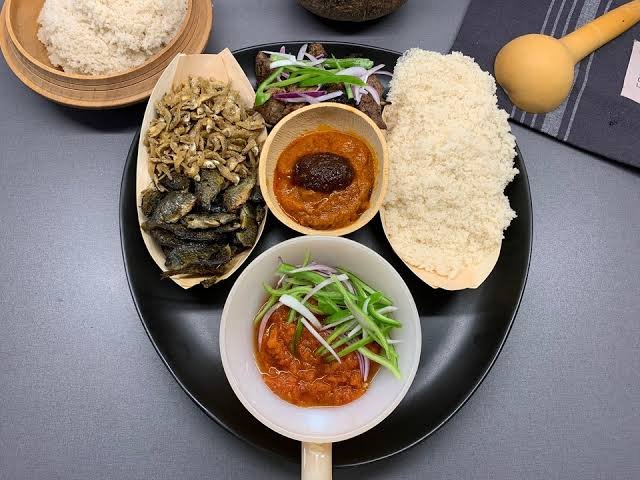
‘Yake Yake’ is a traditional Ghanaian dish from the Volta Region made from steamed, grated cassava
It is similar to Attieke but typically steamed in a different, more rustic, or water-free style
Ingredients
-4 tubes of cassava
-4 tablespoonfuls of salt
Preparation
–Peel the cassava tubers, remove the fibrous inner core, and wash thoroughly to remove soil and starch
– Grate the cassava using a blender or grater until it is fine and grainy
–Place the grated cassava into a muslin or cheesecloth and squeeze out as much water as possible
–Squeeze cassava through a strainer to separate coarse chunks, ensuring a fine, powdery texture
– Line a steamer (or a pot with a perforated insert) with a cheesecloth. Pour the cassava flakes into the cloth, forming a dome shape
– Steam for about 3–4 minutes until fluffy
–Turn the ‘Yake Yake’ out onto a plate. It should appear as a soft, cake-like dome
-Pair with tilapia, hot pepper, and sliced onions for a complete, authentic Ghanaian meal.
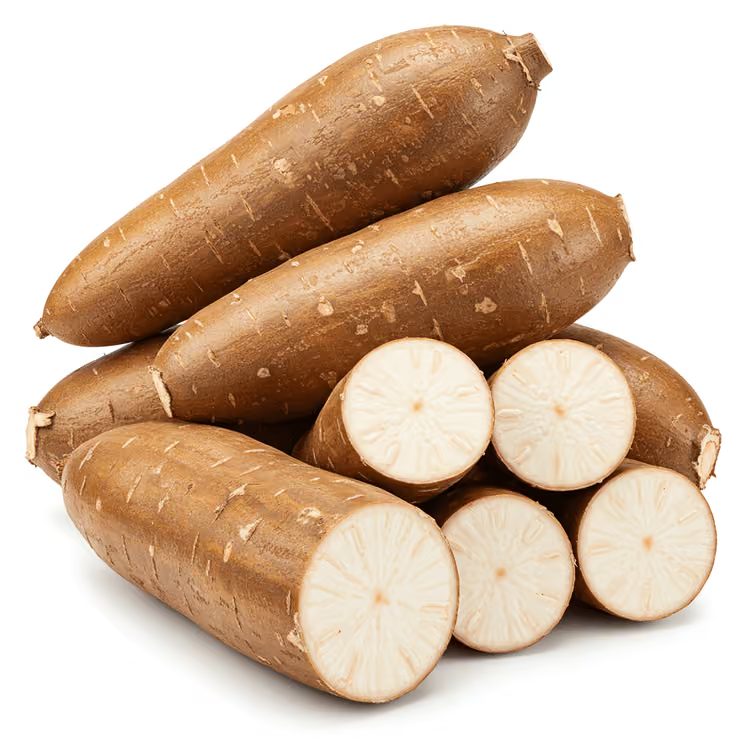
The cassava plant (Cassava) is a perennial woody shrub with edible roots rich in Nutrients with a higher carbohydrate content than rice and corn.
Used to make traditional tapioca flour but also the key ingredient for a diverse range of common products including sweeteners, alcohol, confectionery, animal feeds, personal care and cosmetics and many other commercial, pharmaceutical and industrial uses.
The best part is that this plant can survive for very long in soil that is poor in quality. Cassava is thought to improve health by boosting immunity and regulating digestion.
The root of the plant is rich in vitamin C, while the leaves contain beta-carotene, lysine, and other compounds beneficial to the skin and metabolism. Below are the various possible benefits of Cassava.
– Cassava sugar is healthier than sucrose
-Improves digestive system, weight loss
-Boost energy and improves brain functions
– Strengthens immunity
– Prevents cancer
– Lowers blood pressure
– Supports healthy muscles
– Helps prevent rheumatic disease
– Healthy eyesight