Nutrition
Grief turns outrage over postponement of Tafo Hemaa’s burial


- /home/u249204778/domains/spectator.com.gh/public_html/wp-content/plugins/mvp-social-buttons/mvp-social-buttons.php on line 27
https://spectator.com.gh/wp-content/uploads/2025/08/Late-queenmother-720x600.jpg&description= Grief turns outrage over postponement of Tafo Hemaa’s burial', 'pinterestShare', 'width=750,height=350'); return false;" title="Pin This Post">
- Share
- Tweet /home/u249204778/domains/spectator.com.gh/public_html/wp-content/plugins/mvp-social-buttons/mvp-social-buttons.php on line 72
https://spectator.com.gh/wp-content/uploads/2025/08/Late-queenmother-720x600.jpg&description= Grief turns outrage over postponement of Tafo Hemaa’s burial', 'pinterestShare', 'width=750,height=350'); return false;" title="Pin This Post">
The body of a revered royal matriarch lies in a morgue not because her family cannot bury her; but because they are being frustrated to do so.
In Old Tafo, Kumasi, grief is now turning into outrage as the family of the late Nana Afia Sarpong faces what they described as an unjust blockade by the local Chief, Nana Agyen Frimpong II, the Tafohene.
The family fears a repeat of the painful ordeal that once saw 21 royal corpses left unburied for 17 years, until the intervention of the Asantehene, Otumfuo Osei Tutu II.
“We buried our pain for 17 years once. We cannot do it again,” said Kwaku Arhin, family spokesperson, adding that, “We followed tradition. We did everything required. Yet, we are being punished again.”
Once again, they are calling on Otumfuo to intervene to give their beloved relative a peaceful burial.
Shadows of the past
Nana Afia Sarpong, affectionately called Nana Hemaa, passed away on May 21, 2025. After performing her one-week celebration on June 5, her family, following all traditional procedures, scheduled her burial for July 2. Customary drinks were presented, drums were played, and stool elders were present.
But just days before the burial, the Tafohene reportedly told police he had not been informed of the ceremony, for which it was cancelled.
Demand for poster
According to Mr Kwaku Arhin, the family spokesperson, the Tafohene has refused to allow burial at the royal mausoleum unless the family produces a funeral poster bearing the name of one Yaa Apiaa, his chosen candidate as queen mother.
But the family insists such a demand was unprecedented and unacceptable because the woman in question was under Ntamkeseɛ—the Great Oath of Asanteman; rendering her unqualified for the role.
“How can a funeral poster become a tool of spiritual endorsement?” Arhin asked. “This is not custom. This is coercion.”
Funeral deferment
For the past two decades, the family says they have only laid their dead in state without organising proper funerals because the Tafohene was yet to perform the rites for his own predecessors, as custom demands.
“No full royal funeral has been held in 25 years,” Arhin stated, adding that “This omission has robbed the entire family of its dignity and tradition.”
Following the impasse, the burial was postponed first to July 16 then to July 23 and now to August 20. The family have incurred financial losses, including travel costs for mourners from abroad.
He said despite meetings with local police and municipal officials, the chief’s stance remains unchanged.
A plea for peace, justice
The Tafo Agona royal family is now appealing to Otumfuo to intervene, as he did in 2022 to prevent another drawn-out morgue crisis.
“This is not rebellion,” Arhin said. “We are simply pleading for our mother to be buried with dignity.”
As Nana Afia Sarpong’s body remains unburied, her portrait rests under a canopy of dust-covered chairs—reminders of a funeral that never happened. “She was a woman of peace,” Arhin said. “She deserves peace in death.”
About 12 royals signed the petition to the Asantehene.
They included: Nana Osei Jantuah, Opanin Yaw Boateng – Tafo royals, Godfred Amoako, Kofi Adusei – sons of the deceased; Gifty Nyamedo, Victoria Amoako– Daughters of the deceased and Kwasi Amoako Dwamena – Widower.
The Spectator reached out to the office of Nana Agyen Frimpong II, the Tafohene, for a response but was unsuccessful as of press time.
From Kingsley E. Hope, Kumasi







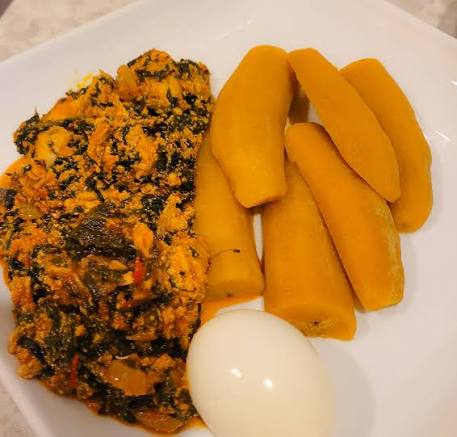
Ingredients
-Cocoyam leaves (Nkontomire)
-Palm oil
-Ripped Plantain
-2 Large smoked salmon
-1 cowhide (wele)
-1 cup of Egusi
– Momoni
-3 fresh eggs
-2 large onions
-2 large tomatoes
-Pepper
-Ginger
-Garlic
Method
-Wash cocoyam leaves thoroughly under running water
-Cut cocoyam leaves into stripes and wash for the second time
-Blend tomatoes, onion, pepper, ginger, and garlic together
-Put sauce pan on fire and heat palm oil
-Add blended ingredients and allow to cook for about 5 minutes
– Wash salmon, wele and cut into cubes and add to stew
-Add salt
-Add eggs to egusi in a bowl to form paste and add it to stew
-Add to stew and allow to simmer for seven minutes
-Add cocoyam leaves to stew and allow it to cook for sometime
-Wash, peel plantain and cut into shapes
-Cook for some time (Pour water out and serve with stew)
By Linda Abrefi Wadie
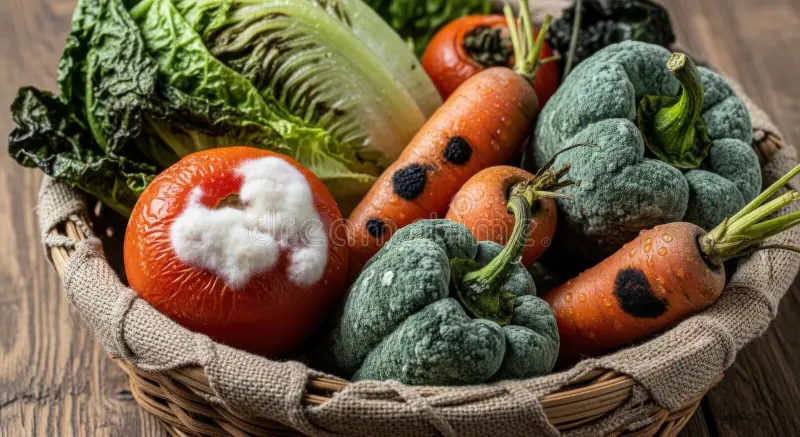
Every year, Ghana produces thousands of tonnes of nutritious food but a significant share of it never reaches a plate. Fruit spoils before it’s sold. Vegetables rot in transit. Grains are ruined by poor storage. Conversations about nutrition often focus on growing more food but reducing what’s lost or wasted after harvest may be one of the fastest ways to improve food security and nutrition, without farming a single extra acre.
The cost of losing nutritious food
Fresh fruit and vegetables spoil the fastest, and without adequate storage, cooling, or transport, farmers are often forced to sell at rock-bottom prices or watch their harvest go to waste. That squeezes farmers’ incomes and shrinks the supply of nutritious food reaching local markets. As supply falls, prices rise, pushing healthy food further out of reach for the low-income households that need it most.
Nutrition begins beyond the farm gate
Cutting post-harvest losses means more nutritious food reaches families without needing more farmland or higher yields. When tomatoes, mangoes, and leafy greens are preserved through better storage, drying, or processing, they stay available and affordable for longer. Better handling also protects nutritional quality itself, so the vitamins and minerals in food aren’t lost before it ever reaches a consumer.
Supporting farmers supports nutrition
Many farmers still lack access to storage facilities, cold chains, processing equipment, and reliable transport. Strengthening these systems is a win on both ends: farmers earn more from what they grow, and households gain more affordable access to nutritious food. Local processing, such as turning surplus fruit into juices, dried fruit, or purees, can extend shelf life and cut waste even further.
What needs to change?
Reducing food loss takes coordinated action:
• Government: invest in rural roads, storage infrastructure, irrigation, and agricultural extension services.
• Private sector: expand cold storage, food processing, and distribution networks.
• Research institutions: keep developing better post-harvest preservation technology.
• Consumers: plan meals, store food properly, and make safe use of leftovers.
Looking ahead
As Ghana works to tackle malnutrition in all its forms, cutting food loss deserves a place at the top of the agenda. Growing more food matters, but making sure the food already grown actually reaches families, safely and affordably, matters just as much.
Every basket of tomatoes saved, every crate of mangoes preserved, and every bag of grain protected from spoilage adds up to better nutrition, stronger livelihoods, and a more resilient food system for the future.
Feature article by Women, Media and Change under its Nourish Ghana: Advocating for Increased Leadership to Combat Malnutrition project