News
Invest in family planning to boost demographic dividends-NPC Boss


The Executive Director of the National Population Council (NPC), Dr. Leticia Adelaide Appiah has stressed on the need for Ghana to invest heavily in family planning which would help in turning the wheels towards economic development.
She was optimistic that, the demographic window of opportunity was opening for Ghana and therefore the citizens needed to become braver, stronger and bolder champions of population and development now than ever.
The Executive Director gave this address, during the launch of a documentary in Accra andfunded by USAID, which was designed to educate the public on the need for prioritizing family as a goal to demographic dividend.
Demographic dividend was explained by Dr. Appiah as the accelerated economic growth that a country could experience as a result of changes in population structure.
The NPC boss indicated that, sustained decline in fertility and mortality in countries produce changes in the population age structure with an accompanying increase in the working age population in relation to dependents.
She expressed optimism that, through sustained high-level of advocacy and sensitization, there would be an impact of reaping the demographic dividend.
That, she reiterated, would become a national priority among policy makers, political and traditional leaders which would bring about an increased commitment to invest in quality human capital.
“Though Ghana has experienced an appreciable decline in fertility since the 1980’s from 6.4 per cent in 1988 to 4.2 per cent in 2014 and corresponding dependency ratio, there is still room for further decline by focusing on reducing avoidable high-risk pregnancies”, she stated.
Dr. Appiah referred to the maternal health survey in 2017 which said that, the survival of infants and children depended in part on the demographic and biological characteristics of their mothers.
Shereccounted that, mortality and morbidity risk of mother and infant were higher if the mother was below 18 years, and birth intervals were less than two years and also women older than 35 to 40 years at first birth.
Delivering a keynote address at the launch, Dr. KodjoEssiem Mensah-Abrampa, Director-General of The National Development Planning Commission (NDPC) said maternal mortality rate has been dropping since 2007 from 451 per 100,000 live births to 310 per 100,000 live births in 2017.
He said, Ghana’s census data showed that, the proportion of population under 15 years old had fallen steadily from 46.9 per cent to 38.3 per cent in 2010.
According to him, the window of opportunity for harnessing a demographic dividend was said to open when country’s dependency ratio declined below 60 dependents per 100 working-age adults.
Dr. Mensah-Abrampa indicated that, with thecurrent dependency ratio of 76 dependents per 100 working-age, there was no doubt that, Ghana has a window of opportunity to harness a demographic dividend.
The NDPC boss said that, since 2013, Ghana had consciously embarked on interventions to harness the demographic dividend by making strategic investments in key sectors including education, health, economy, nutrition and governance.
By Alfred NiiArdayAnkrah

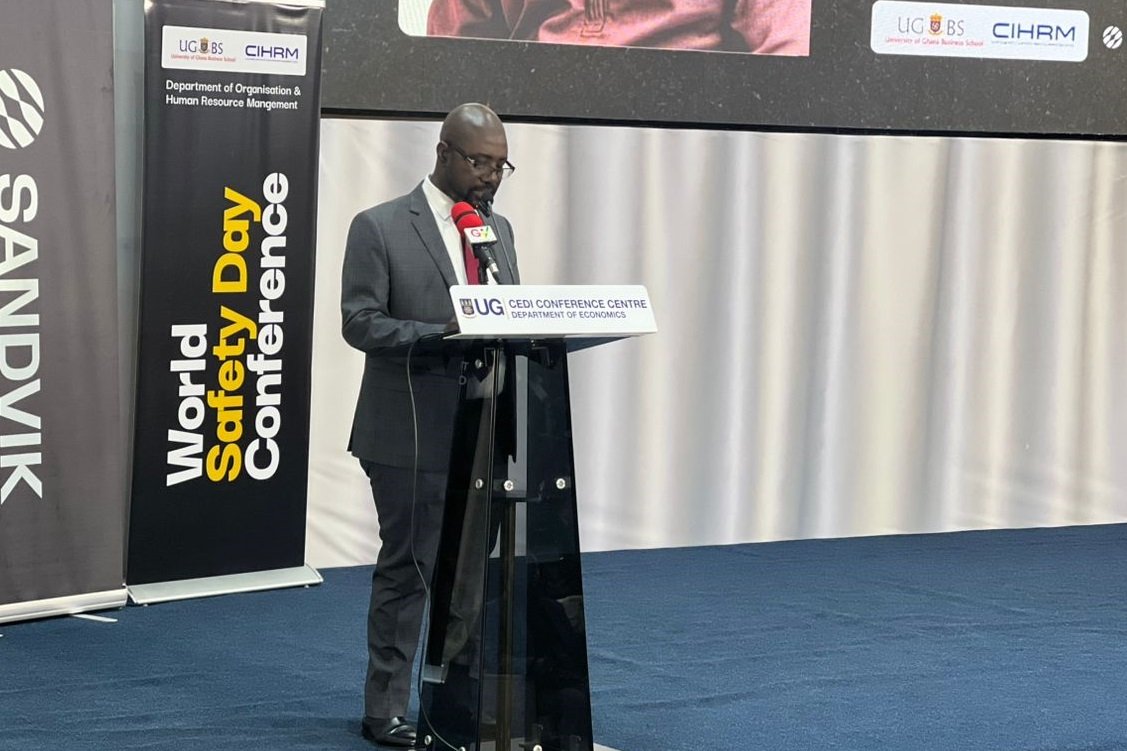
The Ghana Tourism Development Company Limited (GTD) in collaboration with the Department of Organisation and Human Resource Management, University of Ghana Business School (UGBS) has marked the 2026 World Safety Day Celebration in Accra.
The event held on Tuesday, April 28, 2026 at the Cedi Conference Centre, Legon was under the theme “Good Psychosocial Working Environment: A Pathway to Thriving Workers and Strong Organizations.”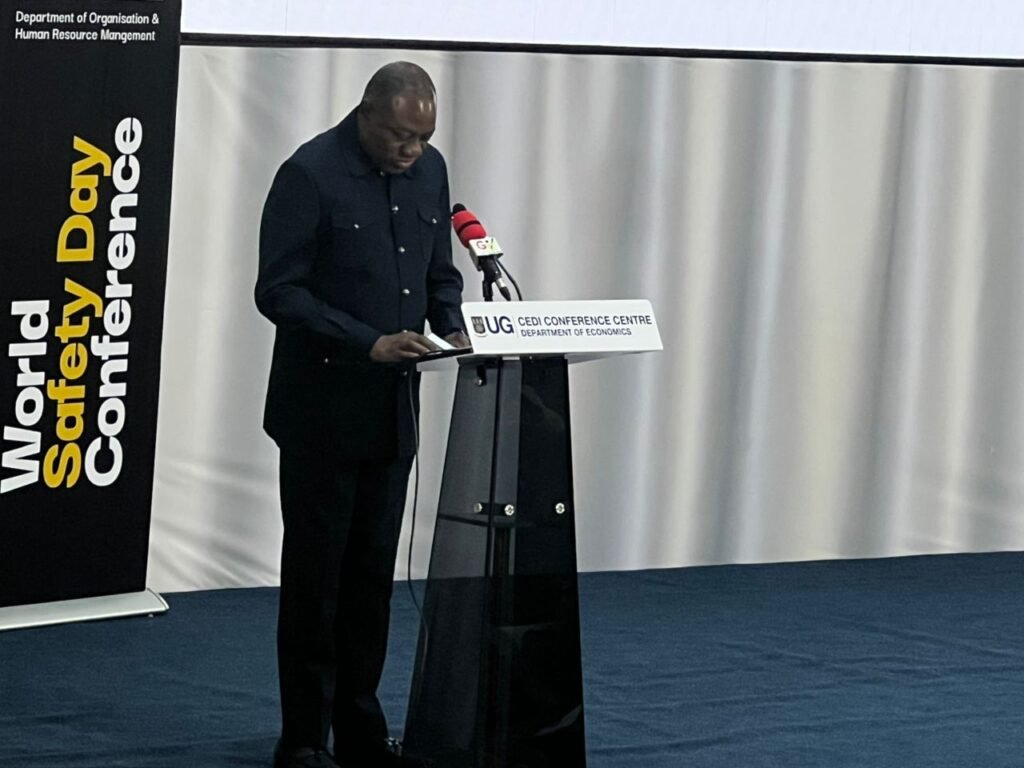
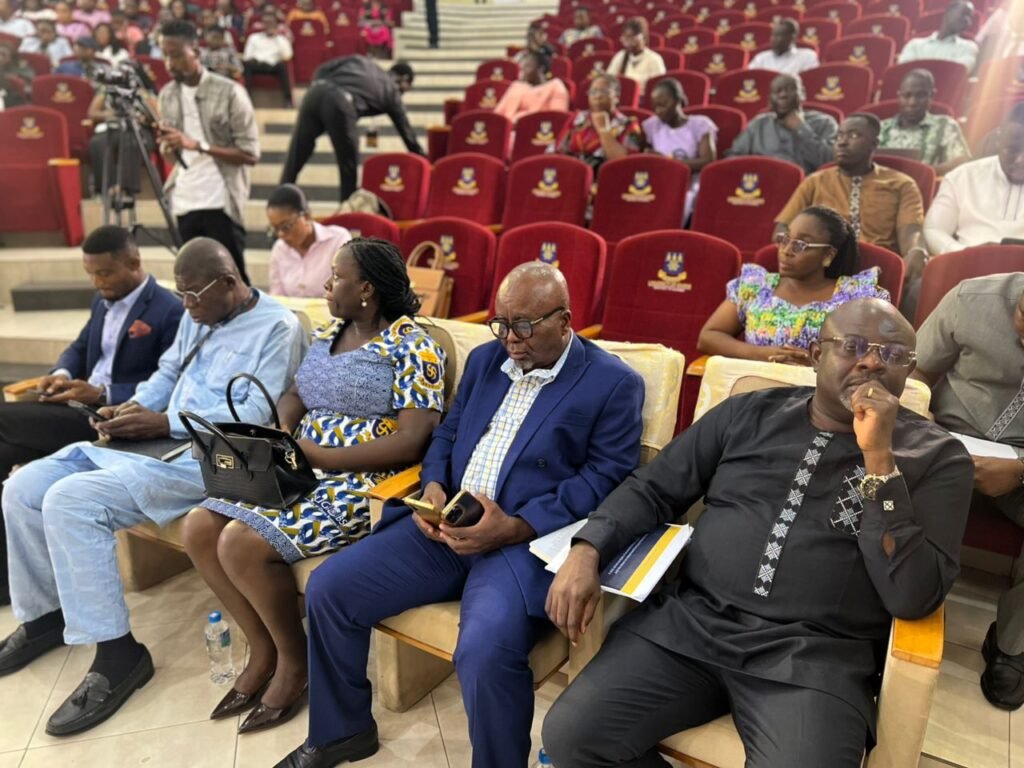
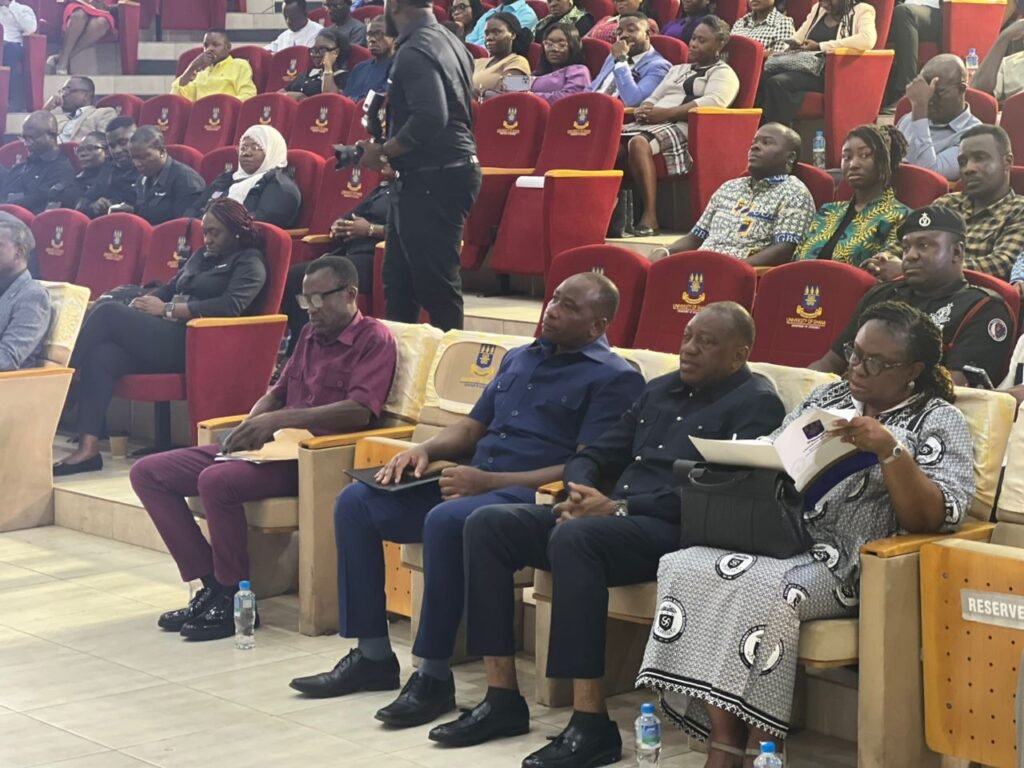
The day is observed globally to promote safe and healthy working conditions and to raise awareness about both physical and psychological risks at the workplace.
The event formed part of efforts by stakeholders to deepen national conversations on workplace safety, particularly the growing concern about psychosocial well being.
In his keynote address, the Minister for Labour, Jobs and Employment, Dr Abdul Rashid Hassan Pelpuo stressed that workers must not be treated as machines but as human beings with dignity, rights and families.
He explained that unsafe work environments marked by fear, harassment, intimidation and excessive pressure reduce productivity and weaken organisations.
He noted that although physical hazards such as faulty equipment and unsafe buildings remain a concern, psychological risks including excessive workload, bullying, job insecurity and toxic communication are equally dangerous and must be addressed.
According to him, psychological hazards are real, measurable and preventable, and should be treated with the same urgency as physical risks.
He maintained that safe and healthy working conditions are not a luxury but a fundamental right that supports productivity and social justice.
Dr Pelpuo further stated that the government remains committed to strengthening occupational safety and health systems, adding that worker wellbeing is a core responsibility of leadership and not a public relations issue.
He urged employers to create environments where dignity is protected, and workers are empowered to speak without fear.
The Dean of University of Ghana Business School, Prof Ernest Y Tweneboah Koduah noted that the school is committed to shaping a better world of work that is equitable, productive and sustainable.
He announced that the school has secured accreditation from the Ghana Tertiary Education Commission to introduce a programme in organisational health and safety.
He explained that gaps in workplace safety in Ghana are linked to weak enforcement, underreporting and limited professional training.
He added that the new programme will equip graduates with the skills to prioritise employee wellbeing as a key organisational responsibility.
Prof Tweneboah Koduah urged organisations to assess psychosocial risks, invest in human resource capacity and create environments where workers can openly discuss mental health concerns.
He emphasised that collaboration between academia and industry is essential to addressing workplace safety challenges.
Delivering remarks on behalf of the Vice Chancellor, the Registrar of the University of Ghana, Emelia Naa Kwantsua Agyei Mensah described the event as historic, noting that it is the first time the university is marking the global observance.
She explained that the focus on psychosocial wellbeing reflects current realities in the world of work.
She stated that employee health, including mental and emotional wellbeing, directly affects productivity, morale and institutional performance.
Mrs Agyei Mensah added that the university is committed to creating a safe and supportive environment for staff and students, beyond minimum legal requirements.
She called on leaders to reflect on the kind of workplaces they create and to prioritise the wellbeing of employees.
CEO of the GTDC, Prof Kobby on his part noted that its participation aligns with its commitment under the Riyadh Declaration, which calls on member states to improve infrastructure and public safety, as well as enhance services, transport, connectivity and accessibility.
He indicated that the company intends to use the platform to highlight Ghana’s readiness to implement the declaration, with a strong focus on worker safety and wellbeing as a foundation for sustainable tourism development.
The event brought together policymakers, academics, industry players and students to discuss strategies for improving workplace safety and promoting healthier work environments across the country.
By: Jacob Aggrey
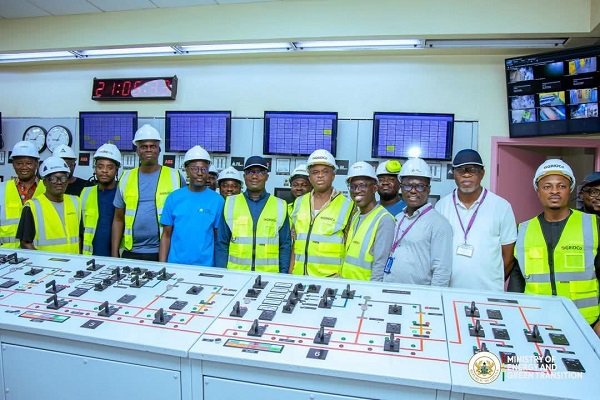
The Minister for Energy, John Abdulai Jinapor, has praised engineers and technical teams working to restore electricity after a fire at the Akosombo Substation disrupted power supply.
He said this after visiting the facility on Monday night to assess ongoing repair works following the incident, which affected the control room and caused the loss of more than 1,000 megawatts of power to the national grid.
During the visit, he interacted with engineers and technicians who have been working continuously under difficult conditions to restore operations.
He said he was impressed by their dedication, courage, and professionalism despite the challenges.
The minister commended the teams for their resilience and sacrifice, noting that their efforts reflect a strong sense of duty and commitment to national service.
He assured them of the government’s full support as they continue with the restoration work.
He also assured the public that authorities are doing everything possible to restore stable electricity supply as soon as possible.
By: Jacob Aggrey