Fashion
Haircut making waves in the fashion world


- /home/u249204778/domains/spectator.com.gh/public_html/wp-content/plugins/mvp-social-buttons/mvp-social-buttons.php on line 27
https://spectator.com.gh/wp-content/uploads/2024/10/a-2.png&description=Haircut making waves in the fashion world', 'pinterestShare', 'width=750,height=350'); return false;" title="Pin This Post">
- Share
- Tweet /home/u249204778/domains/spectator.com.gh/public_html/wp-content/plugins/mvp-social-buttons/mvp-social-buttons.php on line 72
https://spectator.com.gh/wp-content/uploads/2024/10/a-2.png&description=Haircut making waves in the fashion world', 'pinterestShare', 'width=750,height=350'); return false;" title="Pin This Post">
In recent times both young and older women are seen ‘rocking’ short hairs contrary to the olden days, where hair cut was relatively associated with men.
It is a known fact that women are gradually moving away from permed hair, wigs, braids which they use to beautify themselves.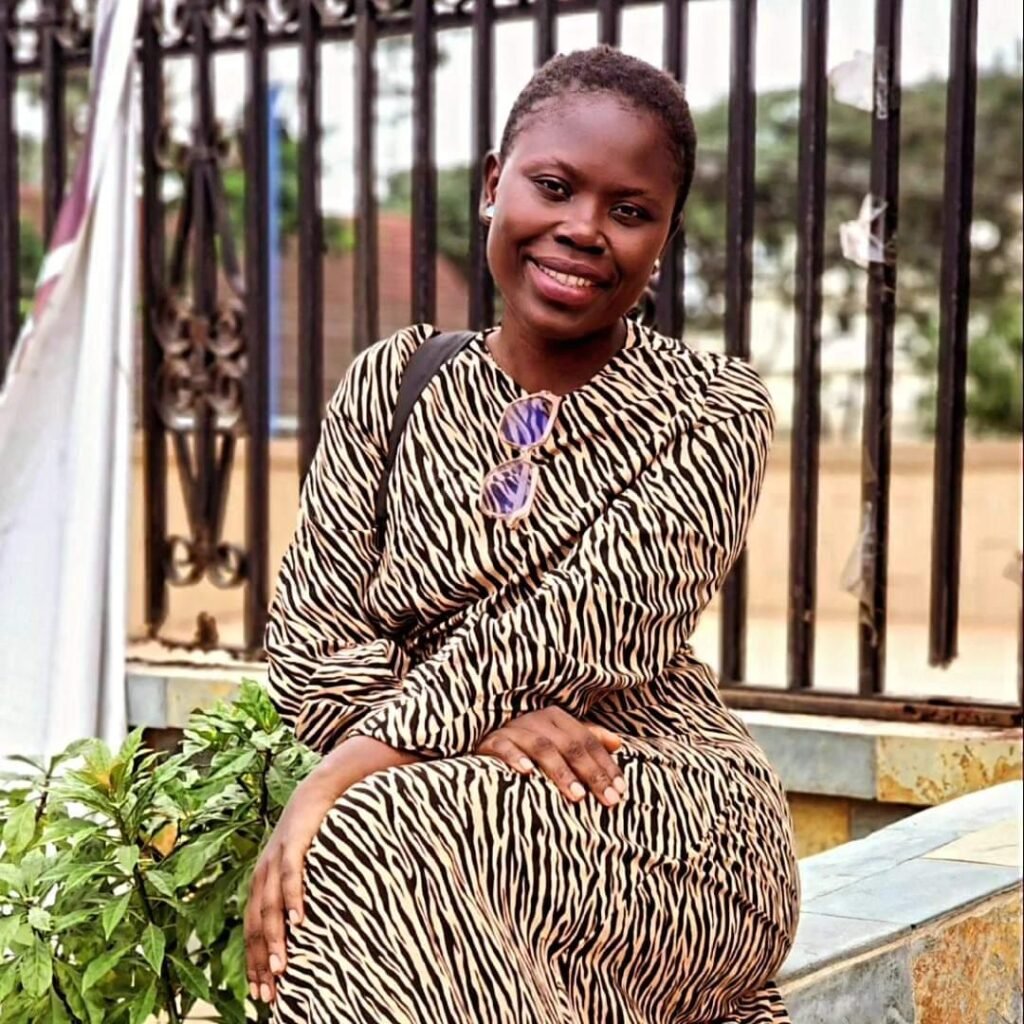
According to oral history, when Ewe older women kept short hair, they were mostly referred to a ‘Daavi’ which literary means sister because the hair cut makes them look younger.
Haircuts among women dates back to the 1980s, as Akan traditional queens were mostly seen in low haircuts with black thick dye known as ‘dansinkran’ which had been in existence for decades.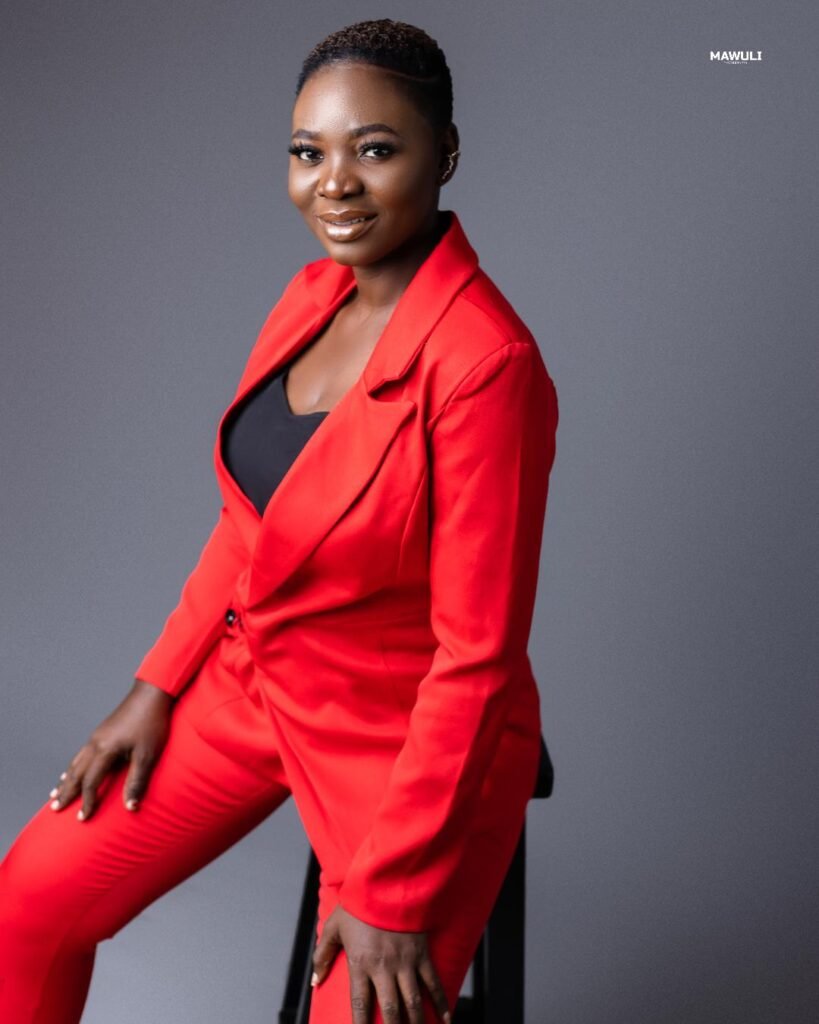
Most young girls who attended government Senior High Schools (SHS) dream of braiding their hair after completion with some refusing to cut their hair in their final term in school but unfortunately the trend has changed with them hoping to style their haircuts with colourful dyes and curls.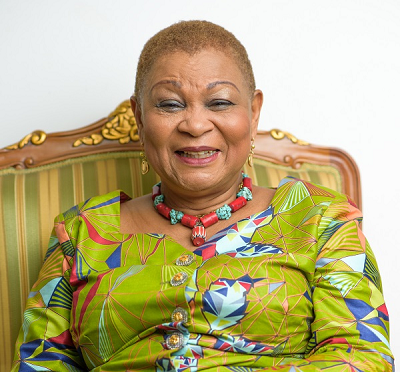
Cutting of hair by women do not come easy. Some had to cut for various reasons including health, profession (enlisting in the security service), fashion, breakup or traumatic experiences, hair loss, weak tips.
In this 21st century, women are in competition with men when it comes to haircut as barbers now say most of their clients that troop to the salon for haircuts are young and older women.

In an interview with The Spectator, Kofi Mensah, a barber at the Kwame Nkrumah Interchange (Circle), explained that, most haircut lovers especially women love to have their hair trimmed because of personal style. They prefer to express themselves through different haircut styles.
“Some women prefer haircut because it reflects their personality. They express themselves through different haircut styles whether they are calm, happy or moody,” he stated.
Speaking to some haircut lovers, Ms Shine emphasised that she loves to have her hair trimmed because as compared to braiding, barbering one’s hair saves lot of money and time.
“Having my hair trimmed helps me to get ready for work early without wasting time on styling and detangling my hair,” she said.
Another haircut lover, Ms Mabel, also said she loves to trim her hair as it makes her look much younger and beautiful.
“Haircut boosts my self-esteem and make me look more attractive, young and beautiful.”
Haircuts are still making waves in the fashion world and has come to stay.
By Mercy Adjeley Sowah




The Member of Parliament (MP) for Ayawaso West Wuogon, John Dumelo, is one of the most talked about fashion icons that blends tradition with modern style.
He was one of the pillars acting in Ghana revolved, but in fashion, he is a colossus.
Unlike his peers, Dumelo appears very simple in some of the sophisticated fashion designs and brands in the country.
He is noted for his simple appearance in modest colours with few accessories.






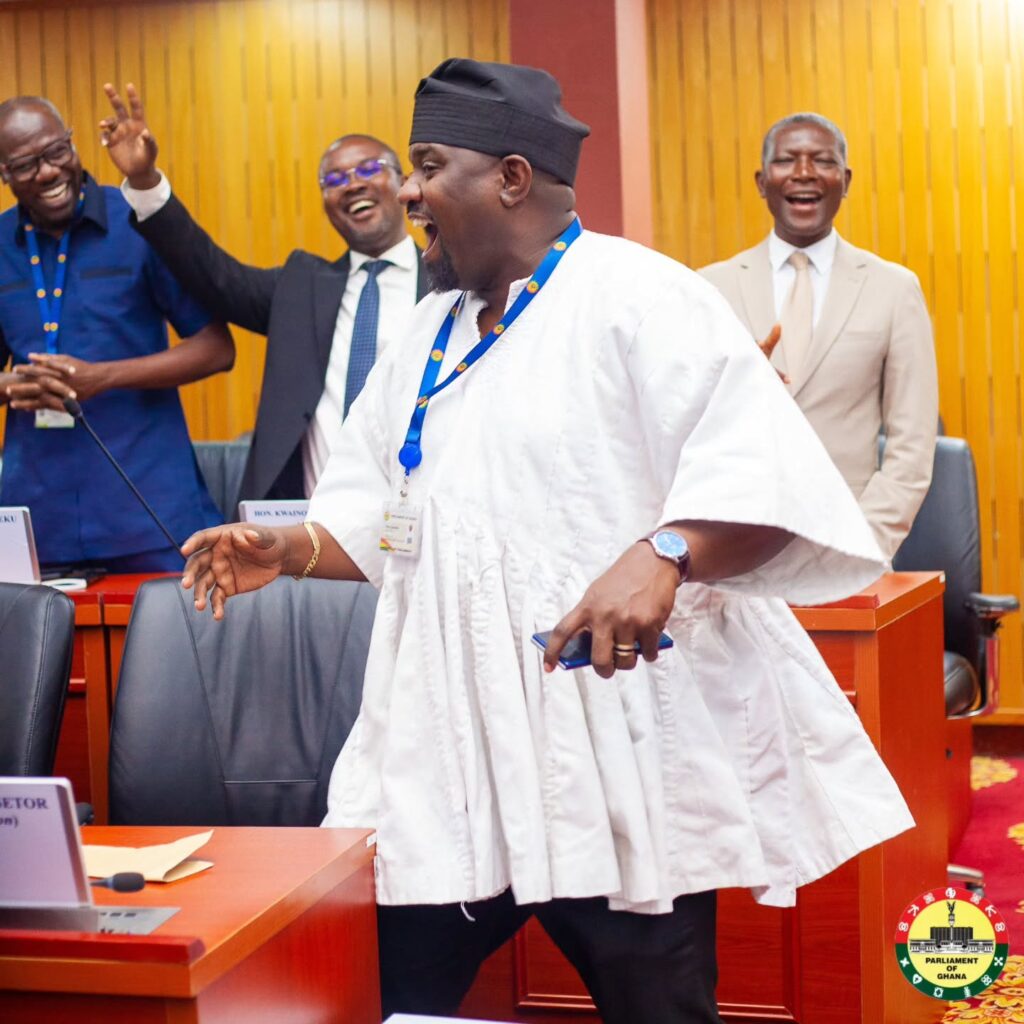






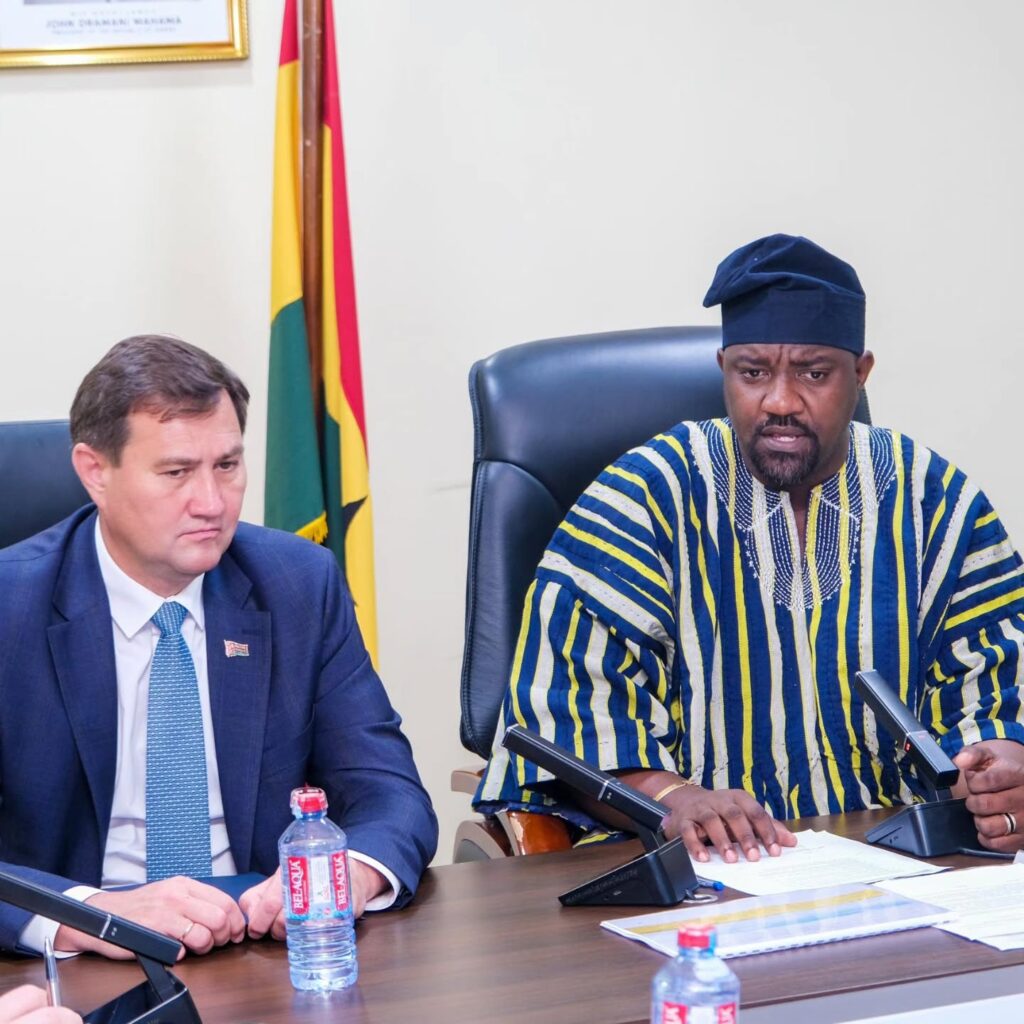


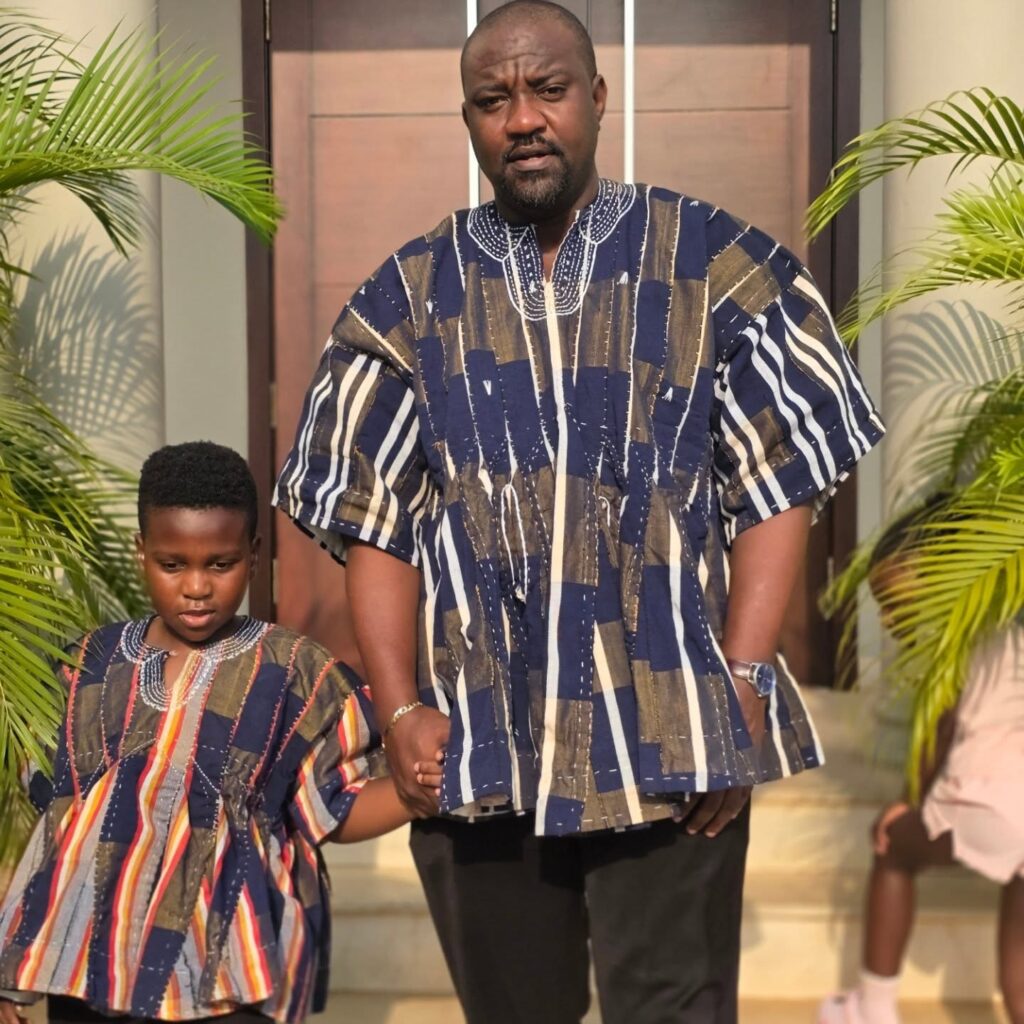







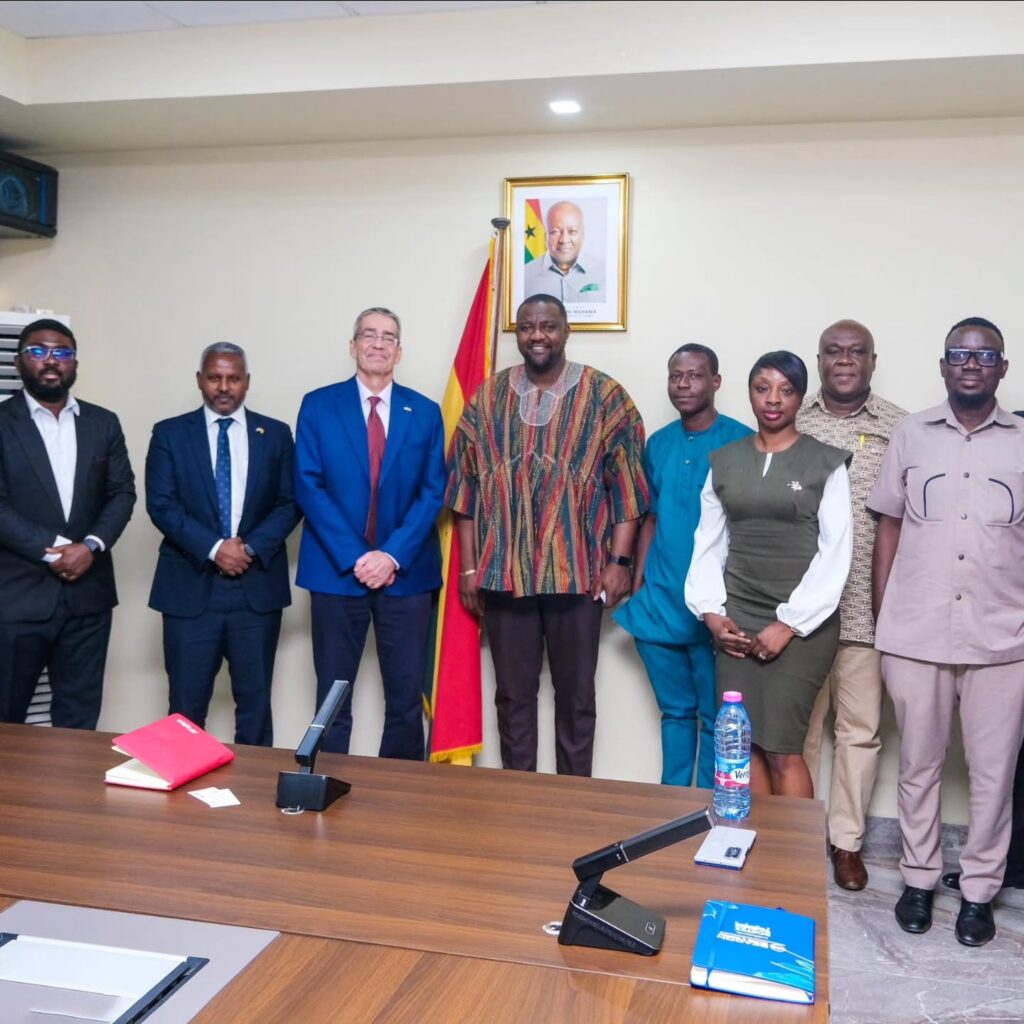






His style reflects his identity and national pride.
For him, fashion is more than just an appearance.
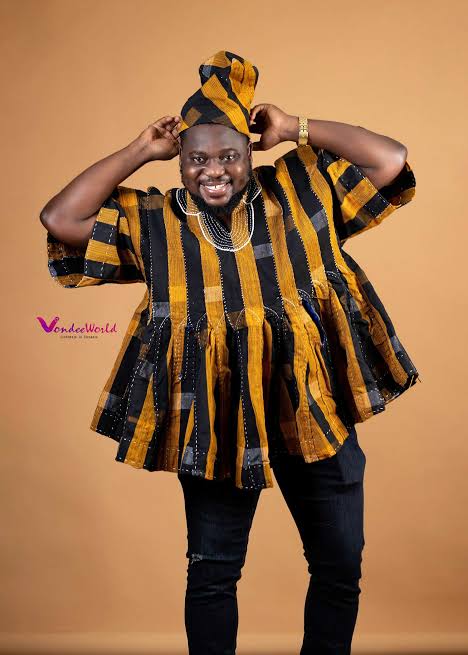
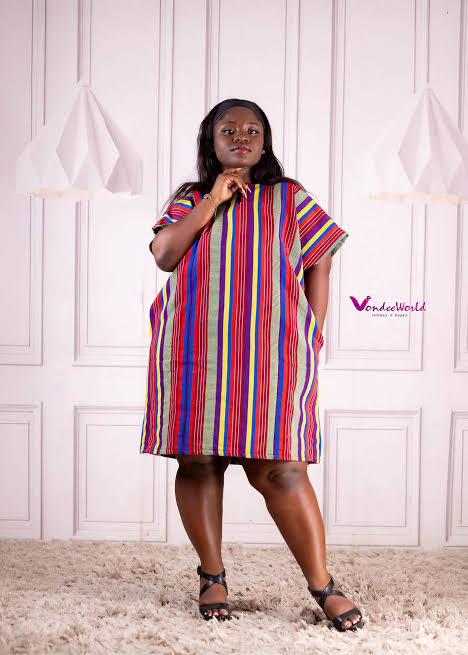
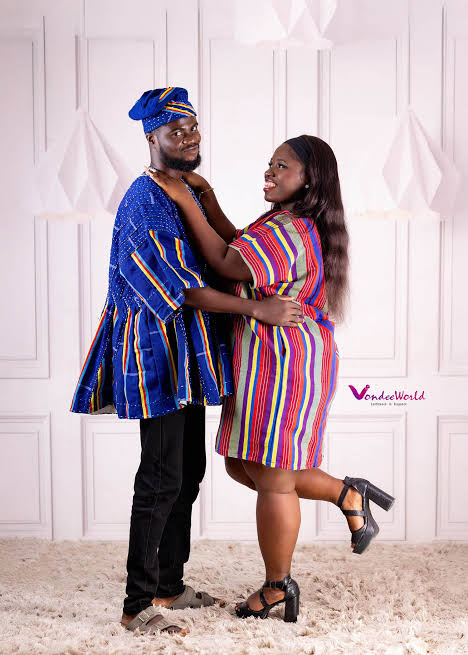
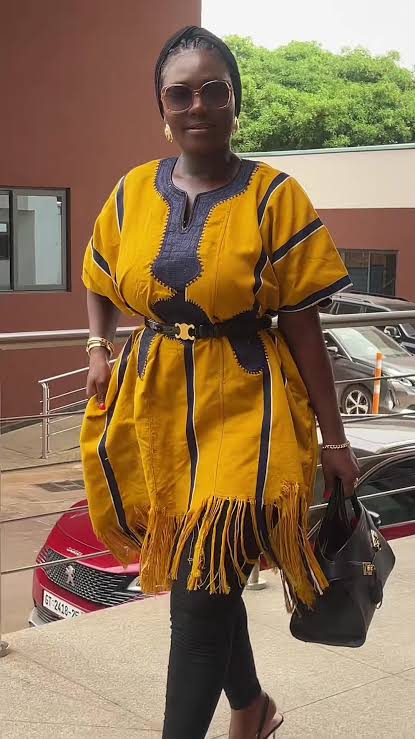
Once worn mainly by chiefs and people of Northern Ghana, Smock, the traditional attire has been redesigned for a new generation.
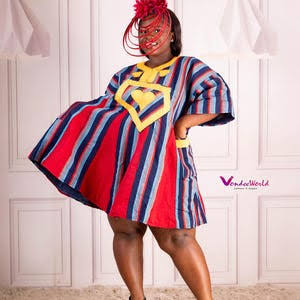
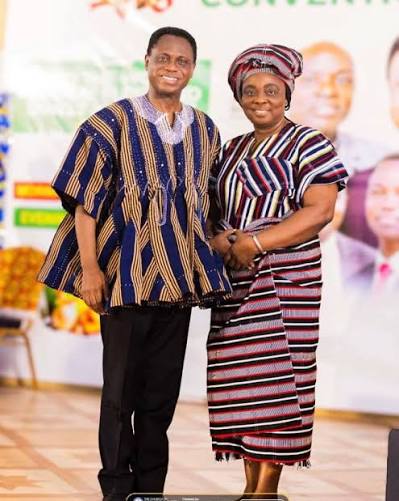
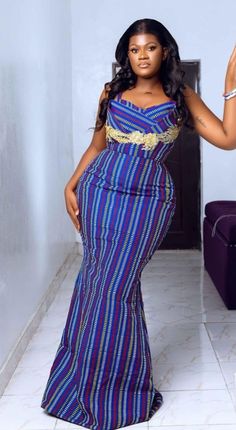
Today’s smocks come in modern cuts, bold colours, and fine embroidery, making them suitable for weddings, offices, and casual outings.
Designers and weavers are transforming traditional smock with contemporary cuts, vibrant colours to appeal to all ages.
Each piece reflects hours of handwork and generations of skill. The Smock continuous to be a timeless wear for casual and corporate


 Entertainment1 week ago
Miss Ghana 2026 winners presented to Tourism Minister
- News1 week ago
Eight Injured after Toyota Hiace somersaults on Tema–Akosombo highway
- Features1 week ago
Environmental stewardship is an act of worship: The Islamic response to climate change, environmental degradation (Part 3)