News
Election 2024: Mahama leads with 51.1% as Bawumia trails at 37.3% – Global InfoAnalytics


- /home/u249204778/domains/spectator.com.gh/public_html/wp-content/plugins/mvp-social-buttons/mvp-social-buttons.php on line 27
https://spectator.com.gh/wp-content/uploads/2024/10/WhatsApp-Image-2024-10-01-at-7.55.26-AM-960x600.jpeg&description=Election 2024: Mahama leads with 51.1% as Bawumia trails at 37.3% – Global InfoAnalytics', 'pinterestShare', 'width=750,height=350'); return false;" title="Pin This Post">
- Share
- Tweet /home/u249204778/domains/spectator.com.gh/public_html/wp-content/plugins/mvp-social-buttons/mvp-social-buttons.php on line 72
https://spectator.com.gh/wp-content/uploads/2024/10/WhatsApp-Image-2024-10-01-at-7.55.26-AM-960x600.jpeg&description=Election 2024: Mahama leads with 51.1% as Bawumia trails at 37.3% – Global InfoAnalytics', 'pinterestShare', 'width=750,height=350'); return false;" title="Pin This Post">
A final field poll conducted by Global InfoAnalytics shows John Dramani Mahama (JDM), the opposition leader of the National Democratic Congress (NDC), maintaining a commanding lead over his closest competitor, Vice President Dr. Mahamudu Bawumia (DMB) of the ruling New Patriotic Party (NPP).
The poll reveals that Mahama is in the lead with 51.1% of the committed voters, while Bawumia trails with 37.3%. Independent candidates Alan Kwadwo Kyeremanten (AKK) and Nana Kwame Bediako (NKB) hold 4.1% and 6.2%, respectively, with other candidates securing 1.3%.
Under the unweighted likely voters’ model, Mahama still leads with 49.3% compared to Bawumia’s 35.9%.
The poll highlights voter apathy as a significant challenge for the NPP, with 16% of potential non-voters identified as NPP supporters. By contrast, the NDC sees only 3% of its supporters in this category. Floating voters and those who declined to disclose their affiliations make up 38% and 39%, respectively, of those who say they will not vote.
Mahama holds a key advantage over Bawumia among floating voters, leading by a substantial 31-point margin (54% to 23%), and a further 18-point lead among voters who refused to disclose their party affiliations. Additionally, Mahama has seen a growing edge among first-time voters, leading Bawumia by 46% to 38%, an improvement from a tied result in July 2024.
A worrying trend for Bawumia is a decline in support among Muslim voters, a key demographic for his campaign, with his backing in this group dropping by nearly 4% between July and October 2024.
The poll also reveals shifts among voters who supported President Nana Akufo-Addo in 2020. While 70% of those voters remain loyal to Bawumia, 19% have switched to Mahama, with 5% each moving to Kyeremanten and Bediako. In key regions like Greater Accra and Central, 20% and 37% of 2020 NPP voters have shifted their support to Mahama.
Nana Kwame Bediako and Alan Kyeremanten are emerging as significant contenders, especially in the Eastern and Ashanti regions, where their combined presence is eroding Bawumia’s dominance. In the Ashanti region, where the NPP aims to secure 85% of the vote, Bawumia remains at 66%, with Mahama at 22%, Bediako at 7%, and Kyeremanten at 4%.
Mahama is also outperforming his party’s parliamentary candidates in 56 of the 111 constituencies surveyed, while Bawumia trails his candidates in 79 constituencies, reflecting the potential impact of Kyeremanten and Bediako on the ruling party’s fortunes.
The poll underscores the central issues influencing voters ahead of the December elections: the economy, jobs, and education. The economy remains the top concern, with 70% of respondents citing it as their primary issue, followed by jobs (62%) and education (48%). Voters are also influenced by the current economic conditions, with 55% highlighting them as a key factor, followed by party performance (40%), candidate credibility (34%), and party manifestos (28%).
On manifesto favorability, the NDC leads the NPP by a 14-point margin, with the NPP’s manifesto holding a net favorability rating of +6 points.
The poll also reveals discontent with the country’s direction, as 62% of voters believe Ghana is heading in the wrong direction. This sentiment is strongest among NDC voters (88%), floating voters (74%), and supporters of other parties (76%). In contrast, 64% of NPP voters believe the country is on the right track.
President Nana Akufo-Addo’s job performance approval stands at 36%, with 59% disapproving. The government’s overall performance is rated as poor or very poor by 49% of voters, while 30% rate it as good or very good.
As the December elections approach, Mahama’s lead in key regions and among crucial voter demographics positions him as the front-runner, while Bawumia and the NPP face increasing challenges, particularly from independent candidates and voter dissatisfaction with the economy.
In terms of regional dominance, Mahama leads in 12 regions, adding the Bono region to his column since the July poll. He now commands Greater Accra, Central, Western, Western North, Bono, Bono East, Northern, Savannah, Upper East, Upper West, Oti, and Volta regions. Bawumia, on the other hand, leads in the Ashanti, Eastern, Ahafo, and North East regions.
Source:Citinewsroom.com






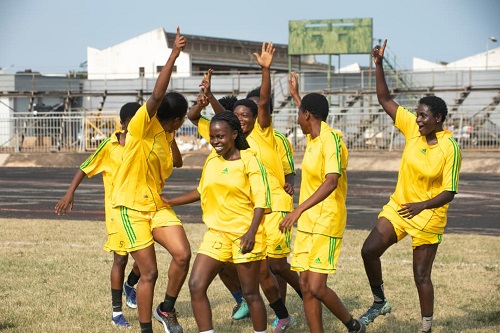
The 29th Annual Dagaaba-Frafra Friendly Games have once again demonstrated that sports can be a powerful vehicle for cultural preservation, business networking, friendship and peaceful coexistence.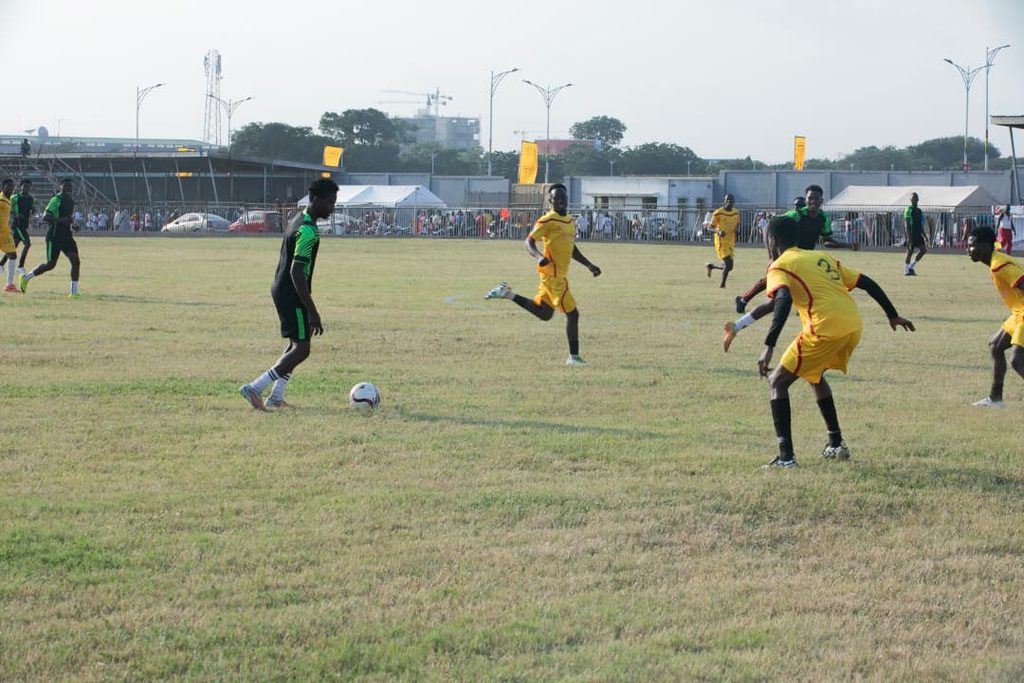
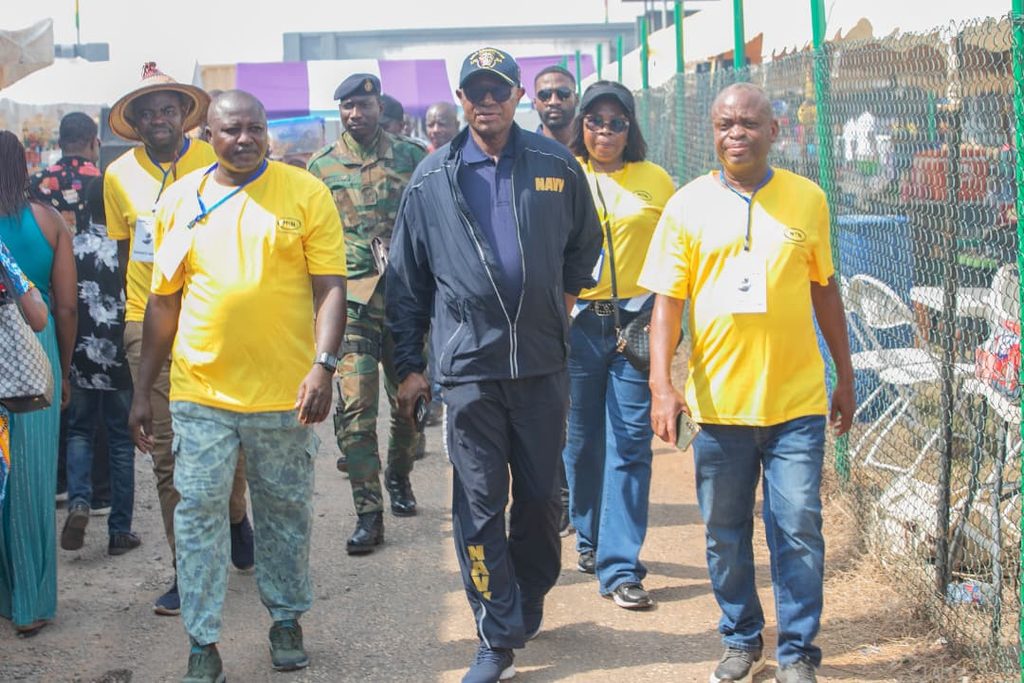
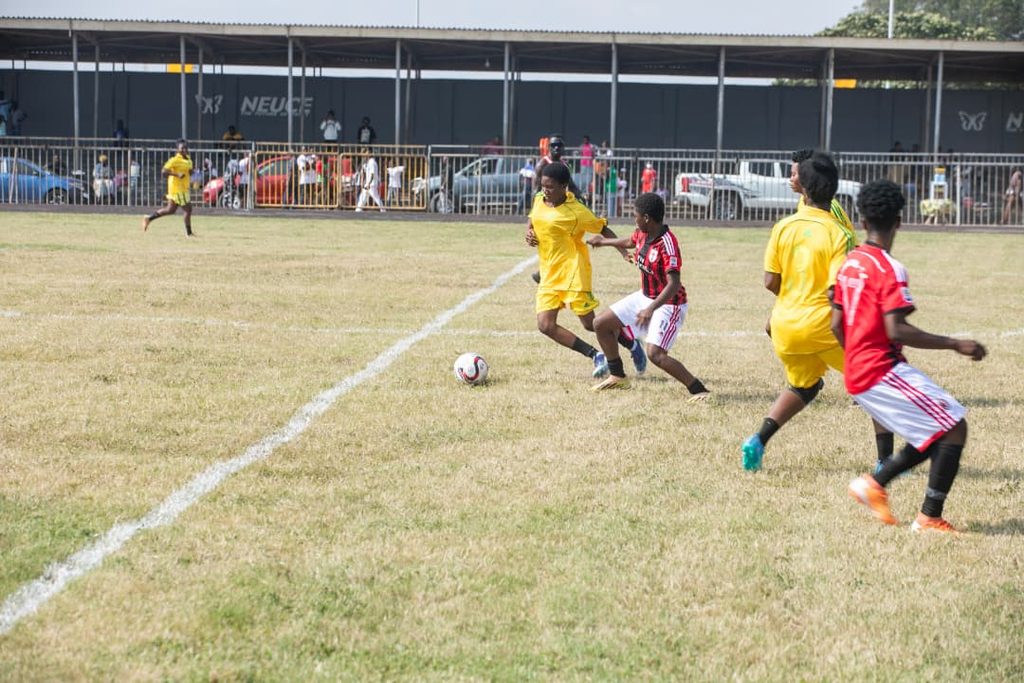
Held at the El-Wak Sports Stadium in Accra last Saturday, the games brought together members of the two ethnic groups from across Ghana and abroad for a colourful celebration under the theme, “Unity in Diversity: The Dagaaba-Frafra Model for Peaceful Co-existence.”

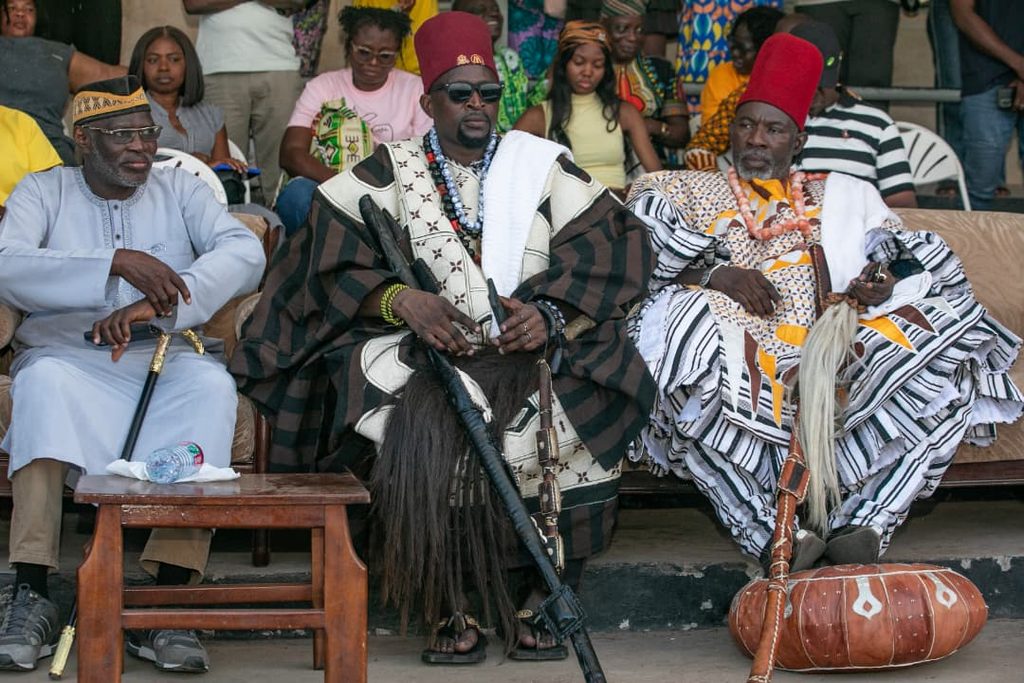
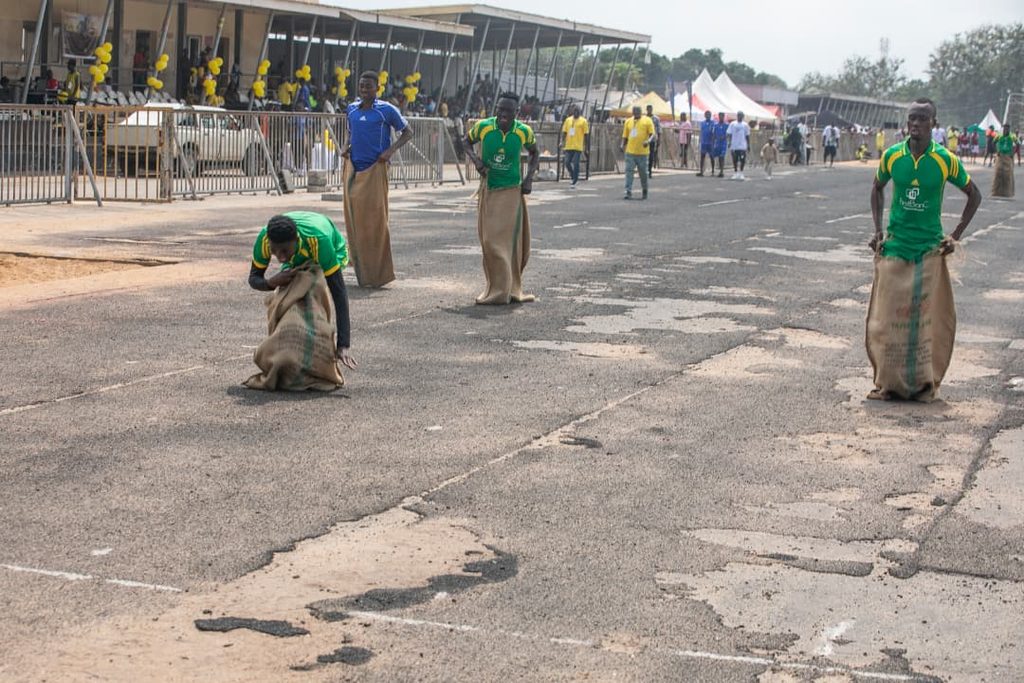
The event, which has evolved from a friendly football match into a major annual gathering, featured football, volleyball, sack races, lime and spoon, tug-of-peace and a penalty shootout for senior citizens.
At the end of the competitions, the Frafra won four events, while the Dagaaba secured victories in five, with the men’s soccer match ending in a draw.
The Frafra triumphed in the men’s lime and spoon, men’s sack race, women’s sack race and women’s soccer, while the Dagaaba won the women’s lime and spoon, men’s volleyball, women’s volleyball, women’s tug-of-peace and the senior citizens’ penalty shootout.

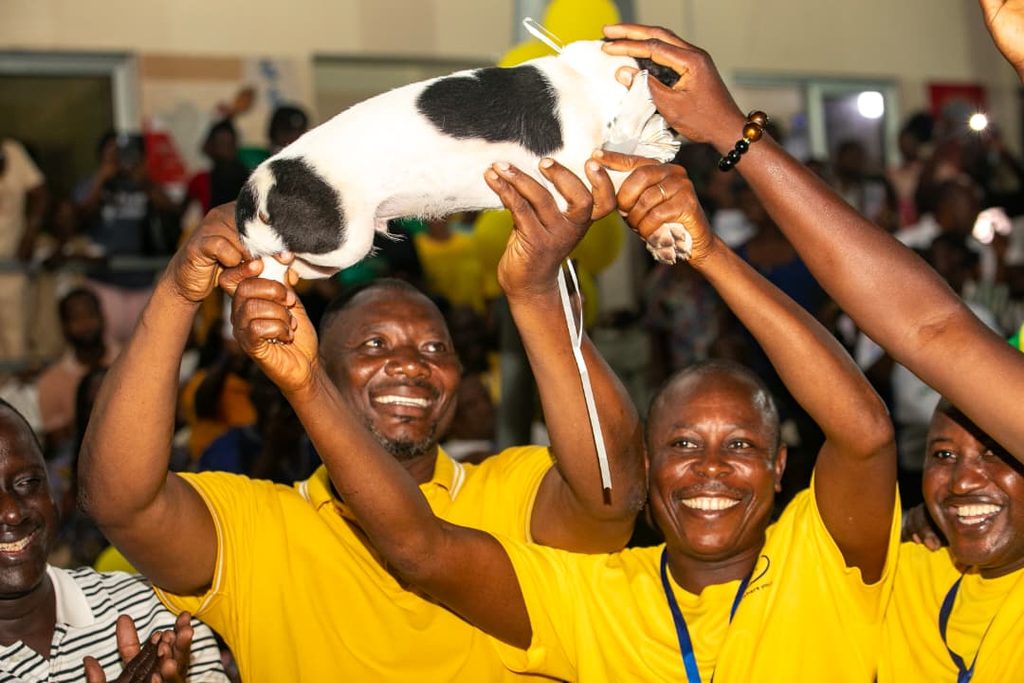
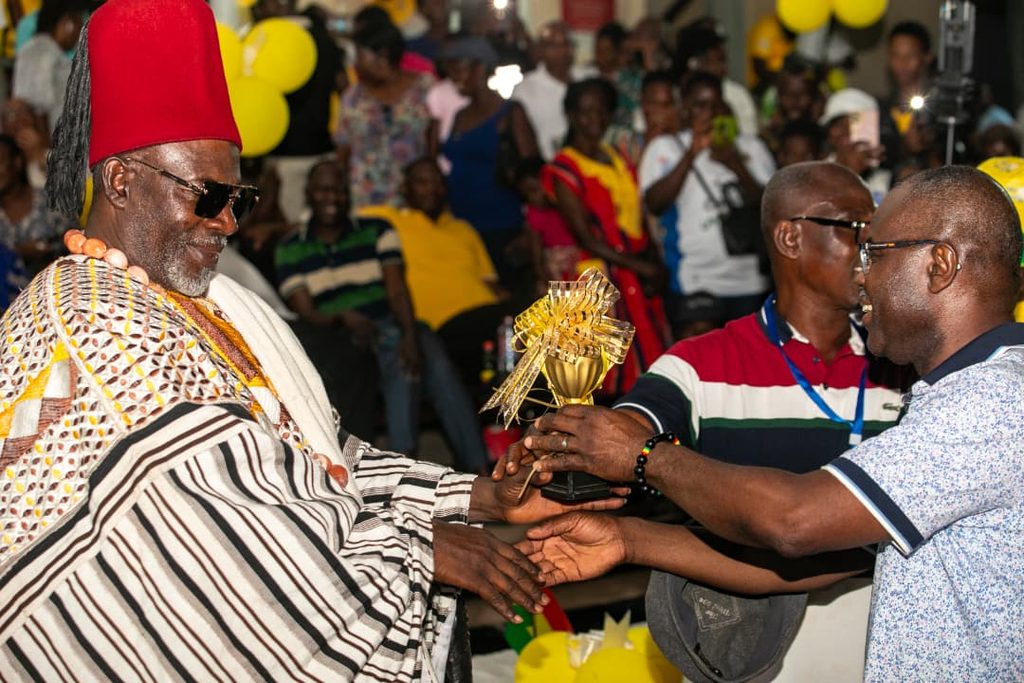
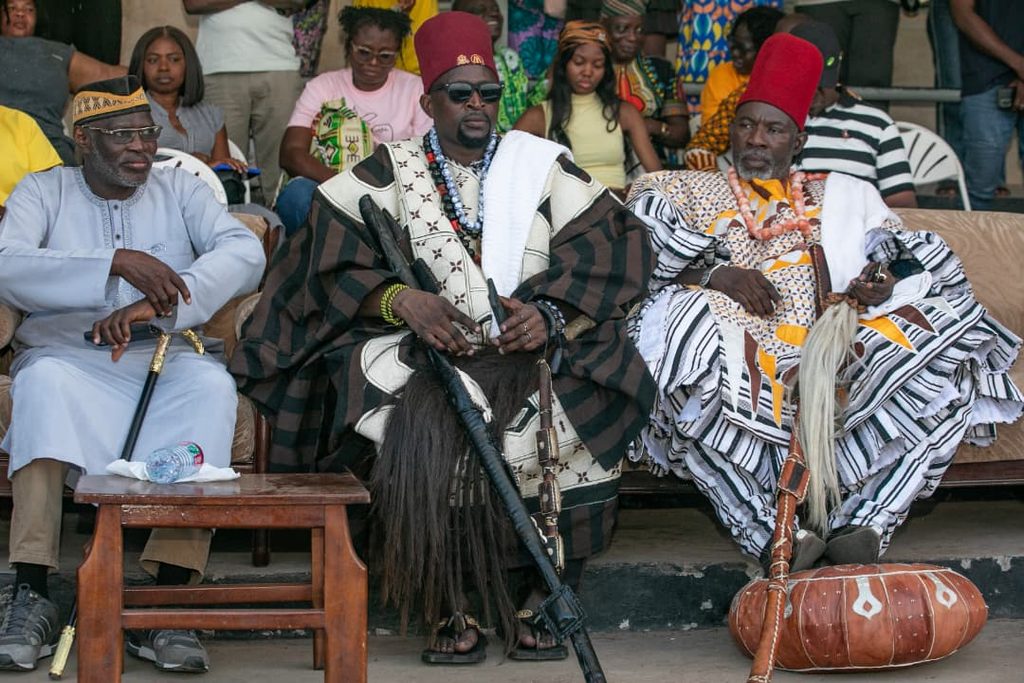
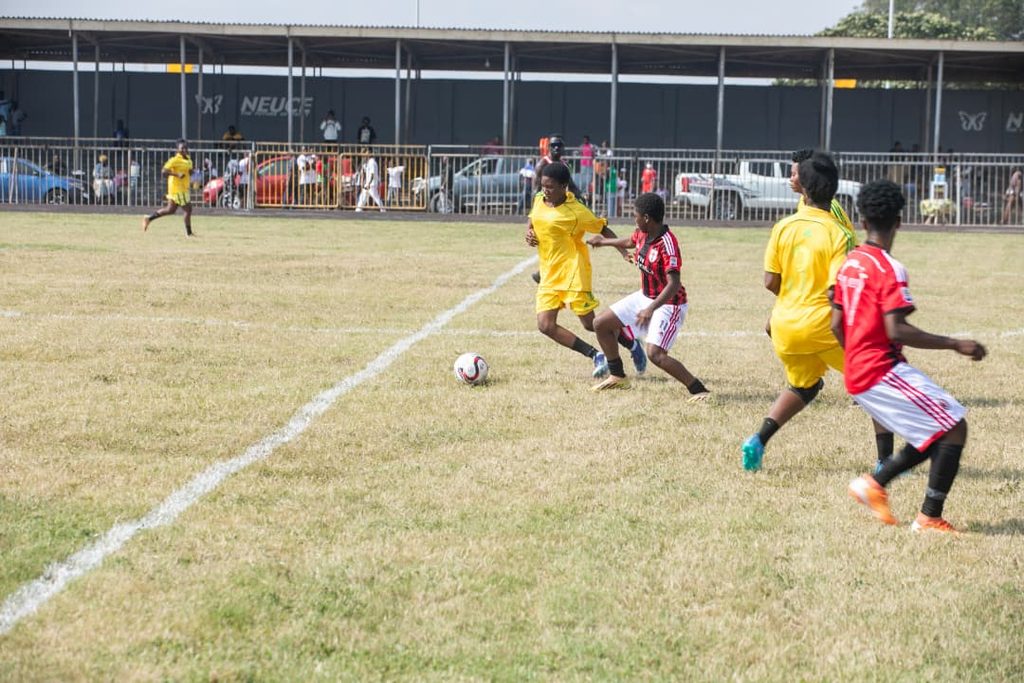
However, the games extended far beyond the sporting arena. The stadium grounds and surrounding spaces became a vibrant marketplace, with patrons enjoying and purchasing a variety of traditional foods, drinks and cultural products.
Local delicacies, including TZ, tubaani, bambara beans, pork, guinea fowl, local fowls, dog meat and kosie, were sold alongside traditional alcoholic beverages. Traditional dresses and other culturally inspired items also attracted buyers, turning the gathering into an important platform for small businesses and vendors to make sales while promoting northern Ghanaian culture.
The cultural exchange continued long after the final sporting contests, as patrons remained at the venue to eat, drink, socialise, dance and party well into the night.
In her remarks, the Guest of Honour, Dr Matilda Aberese-Ako, said the gathering represented much more than competition, describing the Dagaaba-Frafra relationship as a historic bond that had evolved into a modern sporting tradition and an instrument for peace.
MTN Ghana has been the headline sponsor for the games for the past 10 years.
By Gordon Wellu
By Gordon Wellu
SKIP THE QUEUE, TAP THE NEWS
You can now read the Ghanaian Times and The Spectator newspapers from the comfort of your device via TimesNewsPlus.
Join our WhatsApp Channel: https://whatsapp.com/channel/0029VbBElzjInlqHhl1aTU27

MTN Ghana has undertaken a tree-planting exercise at the Chipa Forest Reserve as part of its commitment to protecting the planet and support the restoration of degraded sections of the forest.
The activity forms part of the company’s 2026 Sustainability Month celebration held under the theme “Small Actions: Big Impact,” and its 30th anniversary celebration.


It was held in partnership with the Forestry Commission (FC) and the Rainforest Alliance with MTN Ghana supporting the restoration of approximately two hectares of degraded forest through the planting of 1,666 trees.
Due to the current dry weather conditions, 833 trees were planted during the exercise, with the remaining 833 to be planted when the rain commences.
The exercise brought together MTN employee volunteers, officials from the Forestry Commission and representatives of the Rainforest Alliance, demonstrating the importance of collaboration in driving environmental sustainability.
Speaking at the event, the Acting General Manager for Sustainability and Shared Value at MTN Ghana, Georgina Asare Fiagbenu, emphasized the critical role trees play in sustaining life and protecting the environment.
“Trees are essential to human survival and healthy ecosystems. They absorb carbon dioxide, release oxygen, regulate temperatures, protect soil, support biodiversity and provide habitats for many species. They also conserve water, reduce erosion and help communities adapt to the effects of climate change,” she said.
The District Manager of the Tema-Ada Forest Services Division of the Forestry Commission, Linda Ansah, welcomed MTN Ghana’s support, describing it as a valuable contribution to efforts aimed at restoring degraded sections of the reserve.
The Country Director of the Rainforest Alliance, Nicholas Jengri, also welcomed the partnership and emphasised the importance of collective action in addressing environmental challenges.
SKIP THE QUEUE, TAP THE NEWS
You can now read the Ghanaian Times and The Spectator newspapers from the comfort of your device via TimesNewsPlus.
Join our WhatsApp Channel: https://whatsapp.com/channel/0029VbBElzjInlqHhl1aTU27