Hot!
Girls encouraged to aspire for top positions in Armed Forces


- /home/u249204778/domains/spectator.com.gh/public_html/wp-content/plugins/mvp-social-buttons/mvp-social-buttons.php on line 27
https://spectator.com.gh/wp-content/uploads/2024/05/sol2.jpg&description=Girls encouraged to aspire for top positions in Armed Forces', 'pinterestShare', 'width=750,height=350'); return false;" title="Pin This Post">
- Share
- Tweet /home/u249204778/domains/spectator.com.gh/public_html/wp-content/plugins/mvp-social-buttons/mvp-social-buttons.php on line 72
https://spectator.com.gh/wp-content/uploads/2024/05/sol2.jpg&description=Girls encouraged to aspire for top positions in Armed Forces', 'pinterestShare', 'width=750,height=350'); return false;" title="Pin This Post">
Captain Agornyo addressing students of Chemu Senior High School
A Group Captain in the Ghana Armed Forces (GAF), Theodora Agornyo, has expressed her dream to see females rise to become heads of the institution.
According to her, there were equal opportunities for both men and women, so women, especially, should dismiss the perception that the top hierarchy in the armed forces was a preserve for men.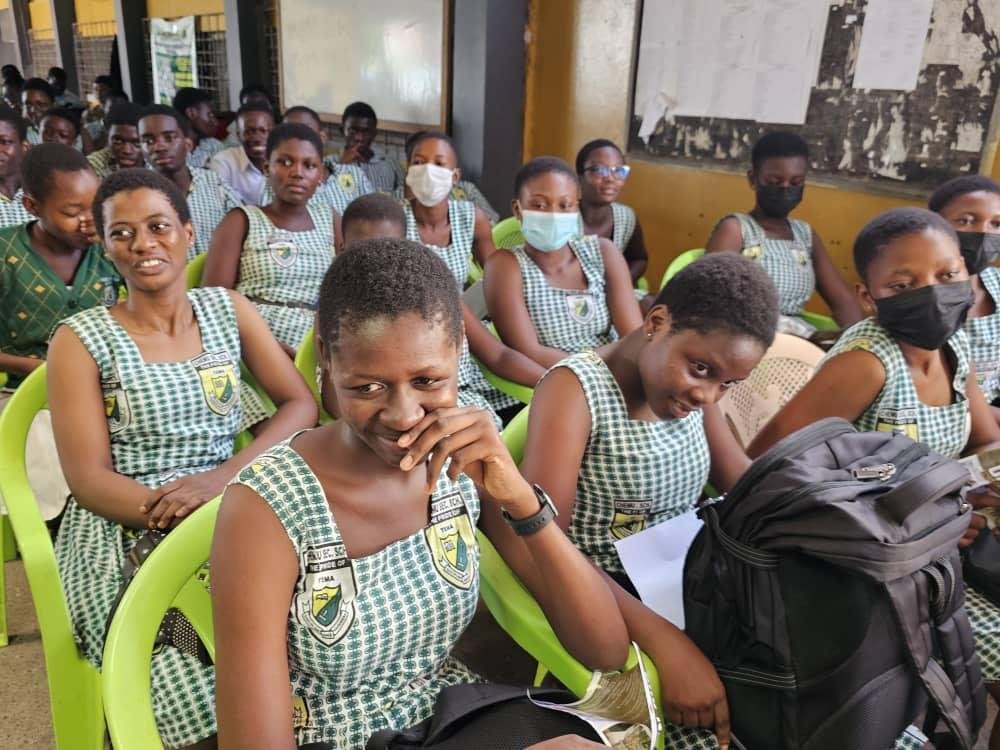
Addressing students of the Chemu Senior High School (SHS) in Tema at a programme to encourage more females to join the GAF and aspire to be in key leadership positions, the Gender Advisor to the Chief of Defence Staff (CDS) of GAF said she could not wait to see young ladies get to the top.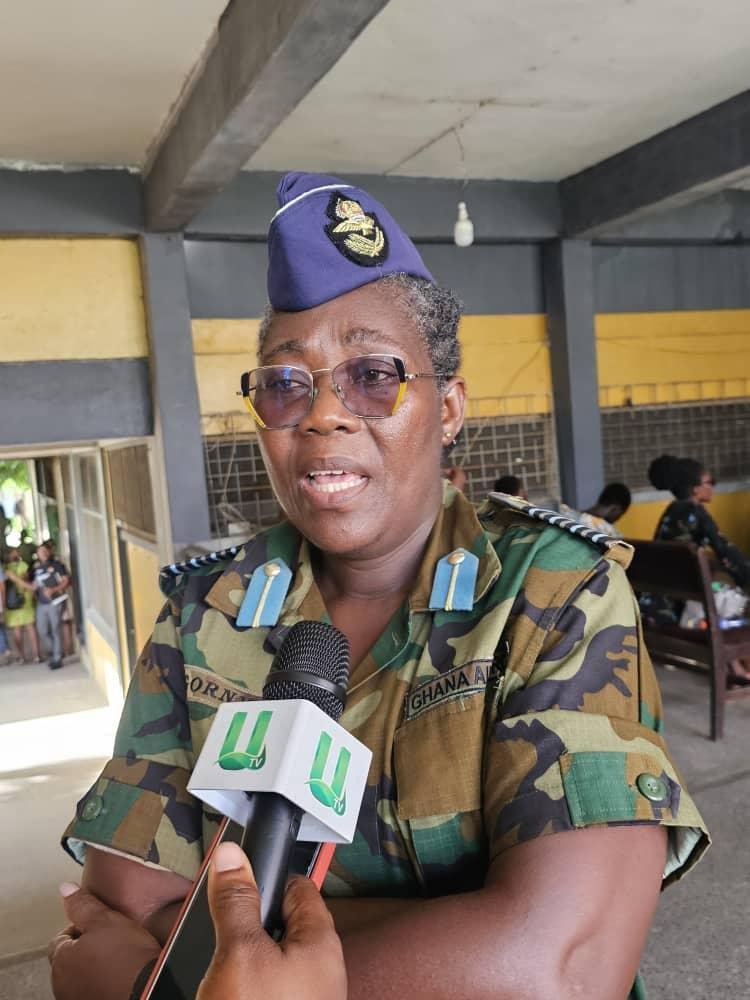
The programme, a nationwide schools campaign was organised by the Women, Youth, Peace and Security Institute (WYPSI) of the Kofi Annan International Peacekeeping Training Centre (KAIPTC) in partnership with the GAF.
It was aimed at creating opportunities for women in the military and increasing their participation in United Nations Peacekeeping operations.

She asked the young girls to take advantage of GAF’s policy of gender equality to enroll with the service.
Group Captain Agornyo said no woman should see herself as only capable of taking up traditional female roles such as cooking, or clerical duties but must strive to go into areas such as engineering, intelligence gathering among others.
She urged them to take up combat roles and lead troupes whether in the country or outside the country and be recognised at decision making levels.
The Greater Accra Project Team Lead for the KAIPTC, Irene Elorm Hatsu-Fiebor said students who wished to become personnel of the GAF should be conscious about their career choices.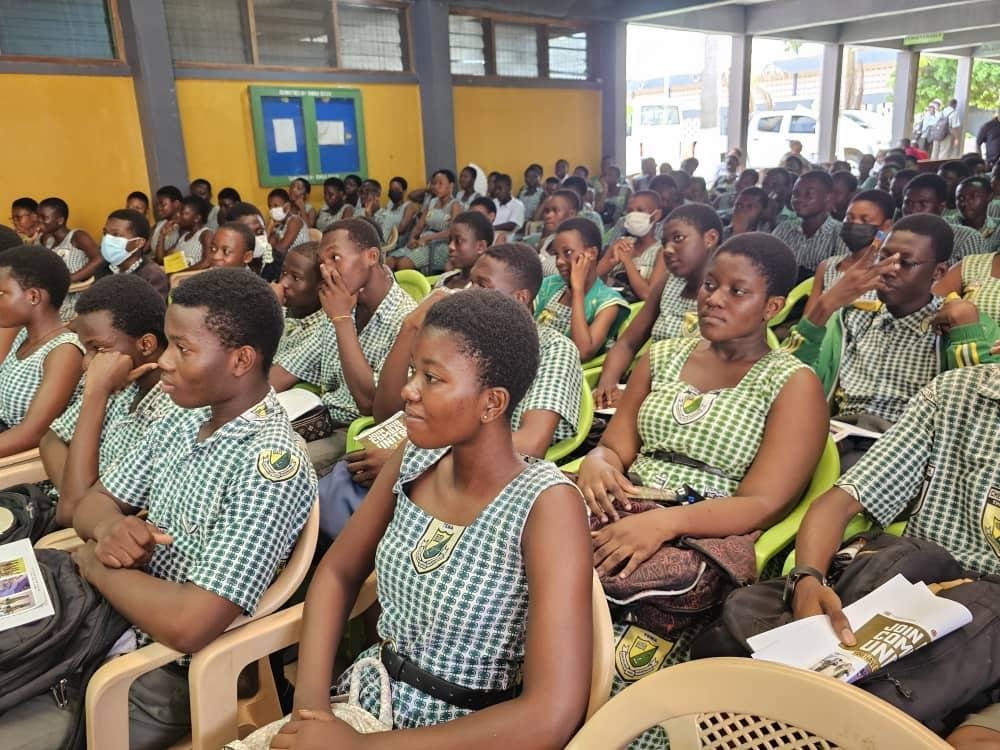
She advised the female students to eschew negative comments aimed at discouraging them from achieving their aims and rather be focused.
The campaign which is an initiative with funding from the Elsie Initiative Fund of Canada, aligns with the Government of Ghana’s commitment to the Elsie Initiative for women in Peace Operations, a global effort to empower women in Peacekeeping roles.
From Dzifa Tetteh Tay, Tema

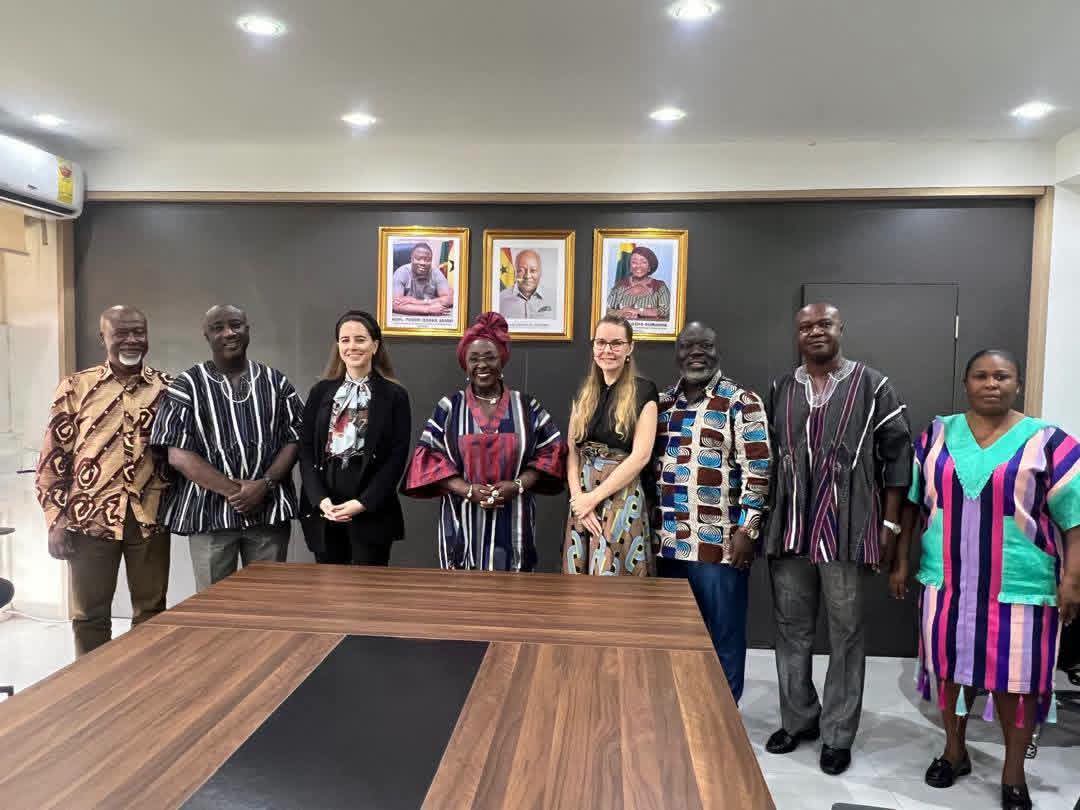
Minister for Tourism, Culture and Creative Arts, Abla Dzifa Gomashie, has called on both local and international investors to tap into opportunities in Ghana’s tourism, hospitality and creative industries.
Speaking in an interview yesterday with World Media USA Today, the Minister said government is committed to creating a conducive investment environment to support growth in the sector.
She highlighted key investment areas including hotels, fashion, music, film production, and tourism infrastructure.
Dzifa Gomashie also encouraged Ghanaians to invest in domestic tourism to help boost the local economy.
According to her, strategic investment in tourism and the creative economy will drive economic transformation, create jobs, and position Ghana as Africa’s gateway for heritage, culture, business and investment.
“Ghana has vast opportunities across tourism, hospitality and the creative industries. We are ready and open for business,” she stated.
The Minister’s remarks come as government intensifies efforts to leverage culture and tourism as drivers of economic growth and job creation.
By Edem Mensah-Tsotorme

The National Health Insurance Authority (NHIA) has released GHS219.8 million to credentialed healthcare providers across the country to support the continued delivery of healthcare services under the National Health Insurance Scheme (NHIS).
According to a statement issued by the Authority on Thursday, the payment was made on July 1, 2026, and covers a backlog of claims from previous years as well as vetted claims for services provided up to May 2026.
The NHIA said the latest disbursement brings the total amount it has paid in claims this year to nearly GHS1.2 billion.
It explained that the payment is aimed at improving the financial stability of healthcare providers and enabling them to continue offering quality healthcare services to NHIS members without interruption.
The Authority said private healthcare facilities received GHS98.24 million, representing 44.69 per cent of the total payment. Public healthcare facilities received GHS80.86 million, representing 36.78 per cent, while mission and faith-based health facilities received GHS40.70 million, representing 18.53 per cent.
The Chief Executive of the NHIA, Dr. Victor Asare Bampoe, said the payment demonstrates the Authority’s commitment to reimbursing healthcare providers on time.
“This payment reinforces our commitment to strengthening the financial sustainability of the health facilities that serve NHIS members every day,” he stated.
He added that the Authority remains focused on ensuring that healthcare providers, from major hospitals to Community-based Health Planning and Services (CHPS) compounds, receive timely and accurate payments for the services they provide.
Dr. Bampoe said the NHIA is also implementing measures to improve claims processing, reduce payment delays and strengthen collaboration with healthcare providers in line with the government’s goal of achieving Universal Health Coverage.
He encouraged all credentialed healthcare providers to submit their claims promptly and accurately while following the Authority’s claims processing guidelines to support faster vetting and reimbursement.
The NHIA reiterated its commitment to strengthening the National Health Insurance Scheme through sustainable financing, increased confidence among healthcare providers and improved access to quality healthcare services for all Ghanaians.
By: Jacob Aggrey