Nutrition
Asaba: The berry that makes everything sweet

Ghanaians have always been addicted to football and over the years the only thing that has changed about our passion for the game of football is our new found romance with football cooked in other countries.
We would even go to bed on an empty stomach when Asante Kotoko our favourite club lost a game. Over 35 years ago, we played counters ball and gutter-to-gutter with “socks ball”; anyone who has played socks ball before will tell you the menace associated with playing this game close to a well endowed gutter.
This was the time when GBC television had no competition and FM stations had not seen the light of day. At this time we only watched “German Football” on TV and we did not use any fancy names to describe it.
This was the era when asaba the miracle berry was common in Ghana. One of the homes where we played football had a huge asaba plant and many people benefited from eating asaba and porridge without the thought of adding sugar.
Fast-forward to 2020 and it seems the western world has recognised the benefits of asaba and is fast cashing in on it while we relegate it to the background and continue to import high calorie-zero nutrient refined sugar to the detriment of our health.
This is a plant that originated from West Africa, yet we have rejected it like many others. A few years ago I read about people cultivating asaba in the Western Region who were pleading for assistance to produce and market the product.
Today, asaba has been processed commercially into easy melt tablets, freshly frozen miracle berries, miracle fruit seed oil and is even the centre of attraction in fanciful “taste tripping parties thanks to the efforts of a company owned by a Ghanaian.
COVID-19 has definitely made us conscious about making healthy choices daily, of course many of us still prefer quick fixes so we have created booming industries overnight. This is an opportunity to really assess “super” foods such as cocoa, palm, coconut, moringa and many others and asaba can’t be left out.
Asaba is a small red fruit that contains a chemical that affects taste receptors in the tongue. It makes the tongue register sour taste as sweet taste.
In addition to making everything taste sweet, it is a very low calorie fruit and its effect on the tongue may last up to an hour. One whole hour of bliss.
As with many other plant products, we need to do more work on dosing and side-effects when taken in excess, but in many scenarios it may provide the miracle that its name suggests.
- Weight Control
- This product can make sugar-free desserts, tea, bitter cocoa and other beverages taste excellent. That is a step in the right direction to managing your weight.
- Managing Diabetes
- Asaba may not lower your blood sugar directly but it is helpful in eliminating high-calorie sweeteners and sugar from your diet that in the long run will be of benefit. Children with diabetes, for instance, who crave for sweetness could seek refuge in asaba. The watch word here is “moderation” at all times.
- Role in Chemotherapy
- You may know about the taste disturbances that may be associated with the treatment of cancer. Asaba may come to the rescue here since it will make food taste sweet and help avoid starvation and weight loss that often go hand in hand with cancer and its management.
- Managing Illnesses
- We all remember taking medication especially the syrups when we were much younger; some tasted horrible and how can one get well when you do not take the medication because of the terrible taste. Make medicine time enjoyable for kids with a little asaba. You will however need to be extra cautious here since children may associate that medicine with a great taste and reach out for it on their own. As always keep medicines out of the reach of children.
- Some illnesses such as malaria, reflux disease, depression etc may be associated with a “bitter” taste in the mouth and hence we avoid food to our detriment. The miracle berry taken in moderation can make this a thing of the past. Enjoy your meals, take the appropriate dose of your medication and get well quickly.
Asaba may be helpful to people who want to reduce their consumption of sugar and improve their lifestyle by making their diet healthier. Join the campaign to make asaba a common product in our shops and markets. Can asaba like cocoa become a cash crop? Asaba may not be a super food but it can serve as a vital component of a healthy lifestyle.
AS ALWAYS LAUGH OFTEN, ENSURE HYGIENE, WALK AND PRAY EVERYDAY AND REMEMBER IT’S A PRICELESS GIFT TO KNOW YOUR NUMBERS (blood sugar, blood pressure, blood cholesterol, BMI)
Dr Kojo Cobba Essel
Health Essentials Ltd/Mobissel/St. Andrews Clinic
(www.healthessentialsgh.com)
*Dr Essel is a Medical Doctor, holds an MBA and is ISSA certified in exercise therapy, fitness nutrition and corrective exercise.
Thought for the week – “Bitter Cocoa drink as a major component of your breakfast or dinner may help control your weight. Have a drop of Asaba before drinking and you have a winning combination.”
Reference:
- www.webmd.com
- Special Mention: Albion Mends who is extremely passionate about Asaba.
- www.miraburst.com



In March 2025, world leaders gathered in Paris for the Nutrition for Growth (N4G) Summit, the most important global gathering on malnutrition of the decade. Over $30 billion in new financial commitments were pledged globally by more than 170 actors from 82 countries. Ghana was there. Ghana made commitments. The question now is: are those commitments enough, and will they be delivered?
Ghana made 10 commitments at the 2025 N4G Summit. One of the most significant is a pledge to spend at least $6 million annually from 2026 for the procurement of essential nutrition commodities including ready-to-use therapeutic food (RUTF), multiple micronutrient supplements (MMS), iron-folic acid tablets, vitamin A supplements, and anthropometric equipment for measuring child growth.
This financial commitment is meaningful. For years, Ghana’s nutrition programmes have depended heavily on donor funding, leaving services vulnerable to aid cuts and supply disruptions. A domestic budget line for nutrition commodities signals a shift toward ownership and sustainability. It also directly supports Ghana’s Nutrition for Growth commitments from the 2021 Tokyo Summit, several of which remain off track.
The Bigger Picture
The 2025 N4G Summit was about more than funding. It called for systemic change: embedding nutrition in food systems, health coverage, climate resilience, and gender equality. Every dollar invested in nutrition is estimated to return $16 to the local economy. Yet malnutrition still costs Ghana an estimated 6.4 per cent of its GDP annually. That is not a public health statistic. It is an economic emergency.
The National Development Planning Commission (NDPC) has acknowledged that converting summit outcomes into actionable change requires transparent policy dialogue and locally driven solutions.
Commitments made in Paris must be tracked, funded, and implemented in Ghana’s communities. Programmes must move from pilot scale to national coverage. That will not happen without sustained political will, dedicated domestic financing, and public accountability.
Commitments made on global stages matter. But they only become meaningful when they translate into services in communities. The question is not what Ghana promised in Paris. It is what Ghana delivers at home.
Feature article by Women, Media and Change under its Nourish Ghana: Advocating for Increased Leadership to Combat Malnutrition project
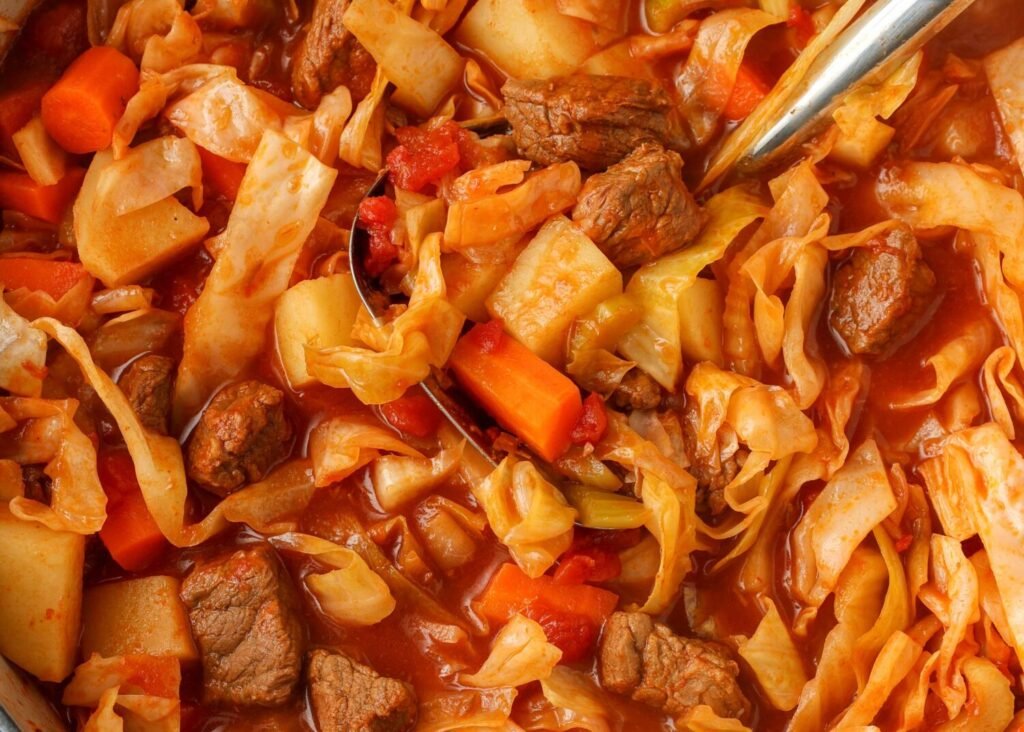
Cabbage is very rich in fibre, the main supplier of roughage. This helps the body retain water and it maintains the bulkiness of the food as it moves through the bowels.
Thus, it is a good remedy for constipation and other digestion-related problems.
Ingredients
-1 large cabbage
– 4 large fresh tomatoes
– 1 large onion
– Pepper
-Garlic
-2 large salmon
-1 tin of mackerel
-2 large green pepper
-Salt to taste
Preparation
-Chop cabbage roughly and wash in a large pot of water
-Pour vinegar on it and wait until you make other preparations. Then drain.
-Heat coconut oil in a saucepan over medium heat
-Cook and stir onion in hot oil until onion turns dark brown.
-Blend tomatoes, green pepper, garlic and onion and add to the oil
-Add tomato paste, mackerel and salmon to stew
-Add cabbage, stir and cover to cook for 7 – 10 minutes
-Allow to simmer when it is soft and serve with rice, yam etc.