Nutrition
PUTTING OUT THE FIRE IN YOUR CHEST

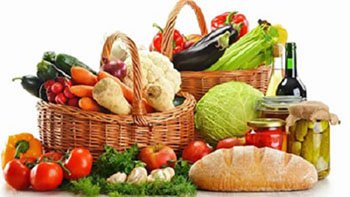
| William Shakespeare is one person in history that I would love to meet and Much Ado About Nothing is his first work that I really dug into probably because I was “forced” to and I bet you it was worth it. Shakespeare is a master wordsmith and he seems to have so much knowledge as well, hear him in Much Ado- “How tartly that gentleman looks! I never can see him but I am heart burned an hour after.” Once again he hit the nail right on the head; anxiety or simply stress from meeting someone can actually cause heart burn. Sometimes the acidic contents of the stomach go back into the oesophagus probably because the sphincter or band that should prevent this return is not doing its work well. The acidic contents may cause a painful burning sensation behind the breastbone and this is referred to as heart burn. The whole process of stomach contents returning into the oesophagus is referred to as Gastroesophageal Reflux Disease (GERD). I have met many people who live with this burning pain in their chest; some take medication daily but fail to modify their lifestyles appropriately to prevent sleepless nights and panic attack when its meal time. Though heartburn is the commonest symptom of GERD, one may also experience; nausea, sour or bitter taste in mouth, stomach contents in mouth, sore throat, coughing or wheezing or repeatedly needing to clear throat or a hoarse voice especially in the morning. Causes of Heartburn 1. Certain foods a. Caffeine containing products such as coffee and tea have been named and so has cocoa, chocolate, mints, fizzy drinks, citrus fruits, spicy foods- kelewele, khebab and pizza. Fried and/or Fatty foods are also known to ask questions of our oesophagus. 2. Certain medication a. This is no ticket to avoid your medication, only discuss this with your doctor or pharmacist if you suspect your medication may be causing that burning sensation in your chest. Drugs that may cause this include some painkillers, some medication for treating osteoporosis (thinning of bones), medications for managing high blood pressure and asthma. Others are drugs for treating depression and anxiety. 3. Overweight or obesity a. Any extra pounds that you carry will increase your risk of reflux and the reason is quite clear; extra pressure on the stomach. Obesity seems to rear its head in every condition and remains the only disease that never requires a second opinion. 4. Smoking a. This evil will irritate the lining of the gut and also cause you to swallow air as you inhale leading to increase in stomach pressure. 5. Eating pattern a. What you eat, timing of your meals and what you do soon after may all keep you awake all night. Make sure you wait for about three hours after meals before you lie down. Skipping breakfast and lunch and making it all up with a heavy dinner may be a recipe for disaster. Spread your meals through the day. 6. Other conditions a. Heart burns appear to be more frequent in pregnant women and this may be triggered by hormonal changes as well as the increased pressure on the stomach by the foetus. b. Asthma and heartburns appear to be “bedfellows” and it has been found in some instances that treating or controlling heartburns also reduces the episodes of asthmatic attacks. Some medication for managing asthma have also been associated with increased reflux. c. Stress is also known to worsen heartburn and this probably was what Shakespeare was referring to. Lifestyle Modifications You may need a doctor’s help to diagnose and manage the discomfort but you will have to live smart to remain pain-free. Our aim is to keep the contents of the stomach where they belong and the following are helpful hints: 1. Eat smaller meals a. Large meals make us uncomfortable and may also stay in the stomach for a longer time, increasing the risk of acid seeping back into the oesophagus. Reduce your food portions; you are better off with five small meals spread throughout the day than having only two heavy giant-sized “heartburn-inducing” meals. 2. Relax when you eat a. Do not rush through your meals; sit down, chew properly and enjoy your meal. Fortunately for you no one is going to take that meal away from you. 3. Relax between meals a. Deep breathing, massage and various relaxation techniques may help to relieve anxiety and stress and reduce the incidence of heart burn. 4. Remain upright after eating a. Do not lie down or bend over less than three hours after a meal and don’t strain to lift heavy objects soon after a meal. 5. Do not eat close to bed time 6. Lose weight if needed 7. Loosen up a. Tight belts and waist bands may be worsening your nightmare simply from extra pressure on the stomach. 8. Avoid foods that burn – spices etc. 9. Stop smoking and do not be a passive smoker 10. Chew gum a. The increase in saliva will not only soothe the oesophagus, it will also wash down the acid. 11. Check your medication 12. Raise the head of your bed a. Do not use pillows to achieve this since it may worsen the condition. You may put a block on the floor at the head of your bed to elevate it. 13. Exercise wisely a. Wait at least 2 hours after a meal before you exercise Dear reader if you are being tormented by heartburn or other forms of peptic ulcer disease the above modifications together with the medication prescribed by your doctor may be your winning formula. AS ALWAYS LAUGH OFTEN, ENSURE HYGIENE, WALK AND PRAY EVERYDAY AND REMEMBER IT’S A PRICELESS GIFT TO KNOW YOUR NUMBERS (blood sugar, blood pressure, blood cholesterol, BMI) Dr. Kojo Cobba Essel Health Essentials Ltd/Mobissel/St. Andrews Clinic (www.healthessentialsgh.com) *Dr. Essel is a Medical Doctor, holds an MBA and is ISSA certified in exercise therapy, fitness nutrition and corrective exercise. Thought for the week – “If you plan to live to a ripe old age, make those golden years healthy ones and not bedridden years.” Reference: 1. www.patienteducationcenter.org 2. Much Ado About Nothing – William Shakespeare |


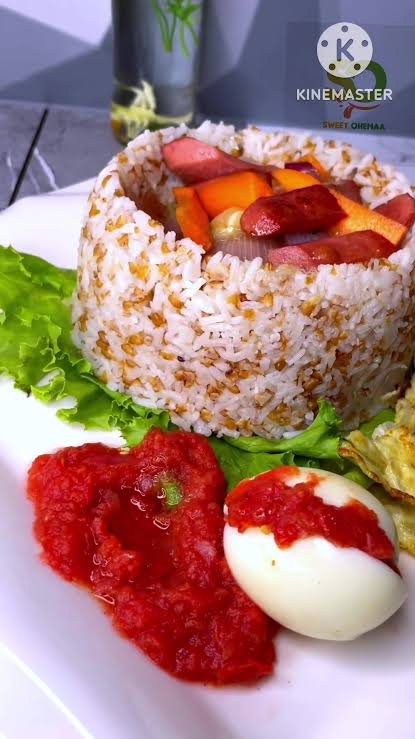
Ingredients
-Oil
-1 large onion
-2 cups of rice
-Salt
-2 cups of wheat
Preparation
-In a medium saucepan, heat oil over medium-low heat
-Add the onion and cook, stirring frequently, until soft and turns golden brown
-Wash rice and wheat and put into pan. Sauté for two to three minutes, until toasty and fragrant
-Add water and salt and allow to boil.
– Reduce heat to low and allow to simmer for 10 to 15 minutes until rice is tender and the water is absorbed.
-Taste the rice/wheat; if it is still a bit firm, add a few more tablespoons of water and cook a few more minutes.
-When the rice/wheat is ready, take it off the fire and serve hot
Benefits of wheat
–Improves digestion: High levels of insoluble fibre- wheat promotes regular bowel movements, prevent constipation, and support a healthy gut microbiome.
-Supports heart health: Whole-grain wheat helps lower LDL (bad) cholesterol, reduces blood pressure, and decreases the risk of stroke and heart disease.
-Aids weight management: Complex carbohydrates and dense fibre slow digestion, increase feelings of fullness, and help prevent sharp blood sugar spikes.
-Lowers type 2 diabetes risk: Steady glucose release and minerals like magnesium improve insulin sensitivity.
– Provides essential vitamins and minerals: Wheat supplies B vitamins, iron, magnesium, phosphorus, zinc, and selenium, which help build bones and boost immune function.
–Delivers Antioxidants: Compounds like phenolic acids, ferulic acid, and lutein protect cells from oxidative stress and support eye health.
SKIP THE QUEUE, TAP THE NEWS
You can now read the Ghanaian Times and The Spectator newspapers from the comfort of your device via TimesNewsPlus.
Join our WhatsApp Channel: https://whatsapp.com/channel/0029VbBElzjInlqHhl1aTU27
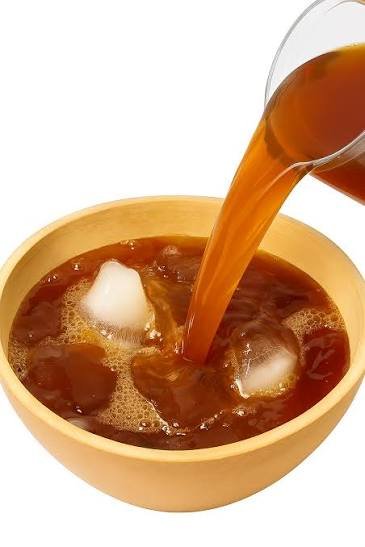
Ingredients
-4 cups of crushed corn
-1 cup of sugar
Method:
-Soak crushed corn for two or more days to ferment
-Boil the fermented corn for about 20-30 minutes until foamy substance is dried up
-Pour sugar in a saucepan and heat until almost burnt
-Strain water from the boiled corn and pour in the saucepan containing sugar
-Use a strainer to strain the chaff
-Allow to cool and store in refrigerator
– Serve with milk
By Linda Abrefi Wadie