Nutrition
Fact sheet about legume in Ghana

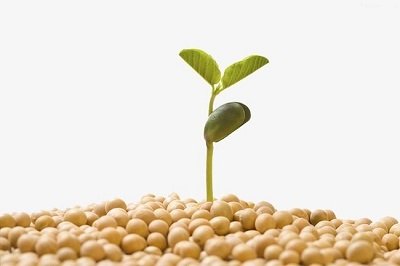
It is fascinating to note that:
- was released in 1992. It has medium maturing attribute, resistant to shattering, seed colour is cream, maturity period is 105-115 days and it yields 1.2 to 1.8 ton/h. Anidaso is applicable in Guinea Savanna, Sudan Savanna, transition and coastal Savanna zones. It can be processed for oil; can be used as meal for the animal feed industry; can be processed for human consumption and made into products including soy milk, soy flour, soy protein, tofu and many retail food products. Soybeans are also used in many non-food (industrial) products.
- was released in 1992. Its seed coat colour is cream, matures in 100-110 days, yields 1.8 t/ha. It is suitable for Guinea Savanna, Sudan Savanna, transition and coastal zones. It can be processed for oil; it can be used as meal for the animal feed industry; can be processed for human consumption and made into products including soy milk, soy flour, soy protein, tofu and many retail food products. Soybeans are used also in many non-food (industrial) products.
- was released in 2005. It has early-maturing attribute, has bold and creamy seed, tolerant to lodging, it is early-maturing (89-93 days), tolerant to major virus diseases of soybean in Ghana and has seed yield of 2.1t/ha. CRI-Nangbaar is applicable in Guinea Savanna, Sudan Savanna, transition and coastal Savanna zones. It can be processed for their oil: it can be used as meal for the animal feed industry; can be processed for human consumption and made into products including soy milk, soy flour, soy protein, tofu and many retail food products. Soybeans are also used in many non-food (industrial) products.
- was released in 2005. It has early-maturing (92-97 days) attribute, cream in colour, moderately resistant to virus, anthracnose. It is high-yielding (2.4 t/ha). CRI-Ahoto is suitable forGuinea Savanna, Sudan Savanna, transition and coastal Savanna zones. It can be processed for their oil; can be used as meal for the animal feed industry; can be processed for human consumption and made into products including soy milk, soy flour, soy protein, tofu and many retail food products. Soybeans are used also in much non-food.
- was released in 2018. Matures in 101 days, resistant to soybean rust disease, has yield potential of 3.4t/ha. It is resistant to pod shattering, it has stay-green trait, tolerant to drought even in the face of severe drought and resistant to lodging. It is applicable in Savanna and the forest-Savanna transition zones. It can be processed for oil; can be used as meal for the animal feed industry; can be processed for human consumption and made into products including soy milk, soy flour, soy protein, tofu and many retail food products. Soybeans are used also in many non-food (industrial) products.
- was released in 2018. It has high number of branches per plant, high number of pods per peduncle, resistant to lodging and the soybean rust disease and potential yield of 3.5t/ ha. CRI-Toondana is suitable for Savanna and the forest-Savanna transition zones. It can be processed for oil; can be used as meal for the animal feed industry; can be processed for human consumption and made into products including soy milk, soy flour, soy protein, tofu and many retail food products. Soybeans are used also in many non-food (industrial) products.
- soya bean variety was released in 1985. Its maturity period is 15 days, yield potential is 2.4 t/ha, susceptible to shattering, seed colour is cream, easy to thresh, excellent seed quality, good yield across many locations, tolerant to bacterial pustule and Cercospora leaf spot and good trap crop for Striga hermonthica. It is applicable in Guinea and Sudan Savanna, and transitional zone. It can be processed for oil; can be used as meal for the animal feed industry; can be processed for human consumption and made into products including soy milk, soy flour, soy protein, tofu and many retail food products. Soybeans are used also in many non-food (industrial) products.
- soya bean variety was released in 1985. It matures in 130 days, yield potential is 2.8 t/ha, seed colour is cream, susceptible to shattering, stable yield, easy to thresh, excellent seed quality and tolerant to common soy[1]bean pests and diseases. It is suitable for Guinea and Sudan Savanna, and transitional zone. It can be processed for oil; can be used as meal for the animal feed industry; can be processed for human consumption and made into products including soy milk, soy flour, soy protein, tofu and many retail food products. Soybeans are used also in many non-food (industrial) products.
- was released in 2003. Yield potential is 2.5-2.8 t/ ha, resistant to pod shattering (up to 3% shattering), medium maturity (110-115 days), seed colour is cream, excellent seed quality, high and stable yield across many environments, tolerant to common soy[1]bean pests and diseases, relatively tolerant to low soil P and trap-crop for Striga hermonthica. It is applicable in Guinea and Sudan Savanna, transitional and forest zones. It can be processed for oil; can be used as meal for the animal feed industry; can be processed for human consumption and made into products including soy milk, soy flour, soy protein, tofu and many retail food products. Soybeans are used also in many non-food (industrial) products.



Ingredients
-Oil
-1 large onion
-2 cups of rice
-Salt
-2 cups of wheat
Preparation
-In a medium saucepan, heat oil over medium-low heat
-Add the onion and cook, stirring frequently, until soft and turns golden brown
-Wash rice and wheat and put into pan. Sauté for two to three minutes, until toasty and fragrant
-Add water and salt and allow to boil.
– Reduce heat to low and allow to simmer for 10 to 15 minutes until rice is tender and the water is absorbed.
-Taste the rice/wheat; if it is still a bit firm, add a few more tablespoons of water and cook a few more minutes.
-When the rice/wheat is ready, take it off the fire and serve hot
Benefits of wheat
–Improves digestion: High levels of insoluble fibre- wheat promotes regular bowel movements, prevent constipation, and support a healthy gut microbiome.
-Supports heart health: Whole-grain wheat helps lower LDL (bad) cholesterol, reduces blood pressure, and decreases the risk of stroke and heart disease.
-Aids weight management: Complex carbohydrates and dense fibre slow digestion, increase feelings of fullness, and help prevent sharp blood sugar spikes.
-Lowers type 2 diabetes risk: Steady glucose release and minerals like magnesium improve insulin sensitivity.
– Provides essential vitamins and minerals: Wheat supplies B vitamins, iron, magnesium, phosphorus, zinc, and selenium, which help build bones and boost immune function.
–Delivers Antioxidants: Compounds like phenolic acids, ferulic acid, and lutein protect cells from oxidative stress and support eye health.
SKIP THE QUEUE, TAP THE NEWS
You can now read the Ghanaian Times and The Spectator newspapers from the comfort of your device via TimesNewsPlus.
Join our WhatsApp Channel: https://whatsapp.com/channel/0029VbBElzjInlqHhl1aTU27

Ingredients
-4 cups of crushed corn
-1 cup of sugar
Method:
-Soak crushed corn for two or more days to ferment
-Boil the fermented corn for about 20-30 minutes until foamy substance is dried up
-Pour sugar in a saucepan and heat until almost burnt
-Strain water from the boiled corn and pour in the saucepan containing sugar
-Use a strainer to strain the chaff
-Allow to cool and store in refrigerator
– Serve with milk
By Linda Abrefi Wadie