Hot!
MFGh embarks on mental health education

- /home/u249204778/domains/spectator.com.gh/public_html/wp-content/plugins/mvp-social-buttons/mvp-social-buttons.php on line 27
https://spectator.com.gh/wp-content/uploads/2023/12/IMG-20231213-WA0055.jpg&description=MFGh embarks on mental health education ', 'pinterestShare', 'width=750,height=350'); return false;" title="Pin This Post">
- Share
- Tweet /home/u249204778/domains/spectator.com.gh/public_html/wp-content/plugins/mvp-social-buttons/mvp-social-buttons.php on line 72
https://spectator.com.gh/wp-content/uploads/2023/12/IMG-20231213-WA0055.jpg&description=MFGh embarks on mental health education ', 'pinterestShare', 'width=750,height=350'); return false;" title="Pin This Post">
A non-governmental Organisation (NGO) MindFreedom (MFGh) has embarked on an intensive public education on mental health and how to handle patients.
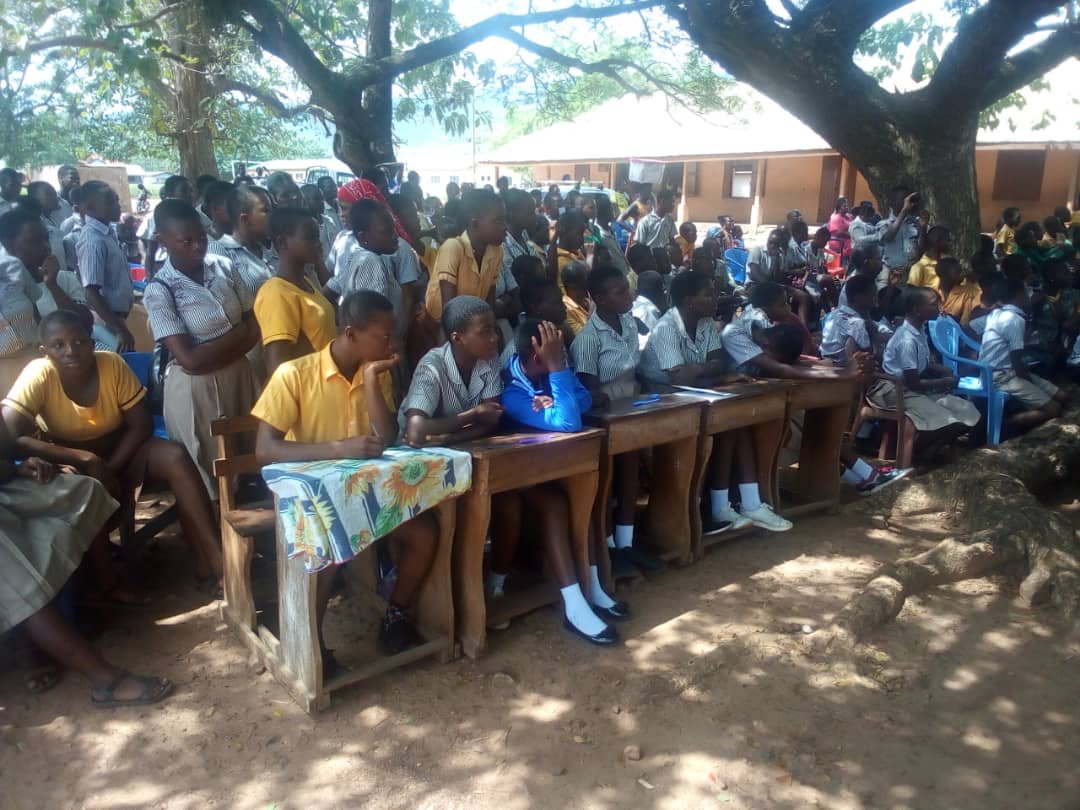
The educational forum, which was held at Akoefe-Gadza in the Ho Municipality, was attended by chiefs, teachers, parents, students and civil society groups.
Addressing the participants, the Executive Secretary of MFGh, Mr Dan Taylor said mental health should be regarded as a universal basic human rights, which needed to be given the maximum attention.
Mr Taylor said his outfit had started educating Ghanaians 19 years ago on mental health, and the importance of seeking early treatment at hospitals.
He announced that Open Society Africa (OSA) Organisation sponsored the outreach education programme, and commended it for the special interest shown in the promotion of mental health in the country.
According to him, lack of education on mental health over the years made some people believe that mental health was the work of the devil, and normally take patients to prayer centres and spiritualists for treatment.
Mr Taylor, therefore asked prayer camp leaders and spiritualists to refer mental health cases to health facilities and should stop chaining them, which worsen their conditions.
The Director of EmpoweringMinds Ghana, Mr Emmanuel Adadey said his Organisation was an NGO based in Ho and had partnered with MFGh to promote public education on mental health to reduce stigma and discrimination against mental health patients in the country.
Mr Adadey said it was important for Ghanaians to appreciate mental health as one of the diseases and avoid discrimination against patients, which most of the time worsens their conditions because the patients were more often isolated.
He, therefore, asked Ghanaians to show mental health patients love and care to facilitate the healing process.
The Chief of Akoefe-Gadza, Togbe Dikro IV commended the two organisations for Organising the programme, which gave the residents a better understanding of mental health.
FROM LAWRENCE MARKWEI , AKOEFE-GADZA
.

Attorney General and Minister for Justice, Dr. Dominic Ayine, has announced that the government has accepted the recommendation to abolish the death penalty and replace it with life imprisonment as part of the constitutional review process.
He said the proposed amendment would affect Articles 3, 13, 19 and 72 of the 1992 Constitution, with offences that previously attracted the death penalty instead carrying life imprisonment.
Dr. Ayine made the announcement on July 30, 2026, at the Jubilee House in Accra during the Government Accountability Series while outlining the government’s position on the final recommendations of the Constitution Review Committee.
According to him, the government believes the death penalty is inconsistent with the constitutional right to life and Ghana’s international human rights obligations.
He explained that the recommendation forms part of broader proposals aimed at strengthening the protection of fundamental human rights under the Constitution.
Dr. Ayine said the government had also accepted the spirit of several recommendations to expand rights relating to women, children, persons with disabilities, older persons and the youth.
He added that a comprehensive Human Rights Act would be introduced to protect these rights and provide detailed enforcement mechanisms instead of amending the entrenched provisions of the Constitution through a national referendum.
By: Jacob Aggrey
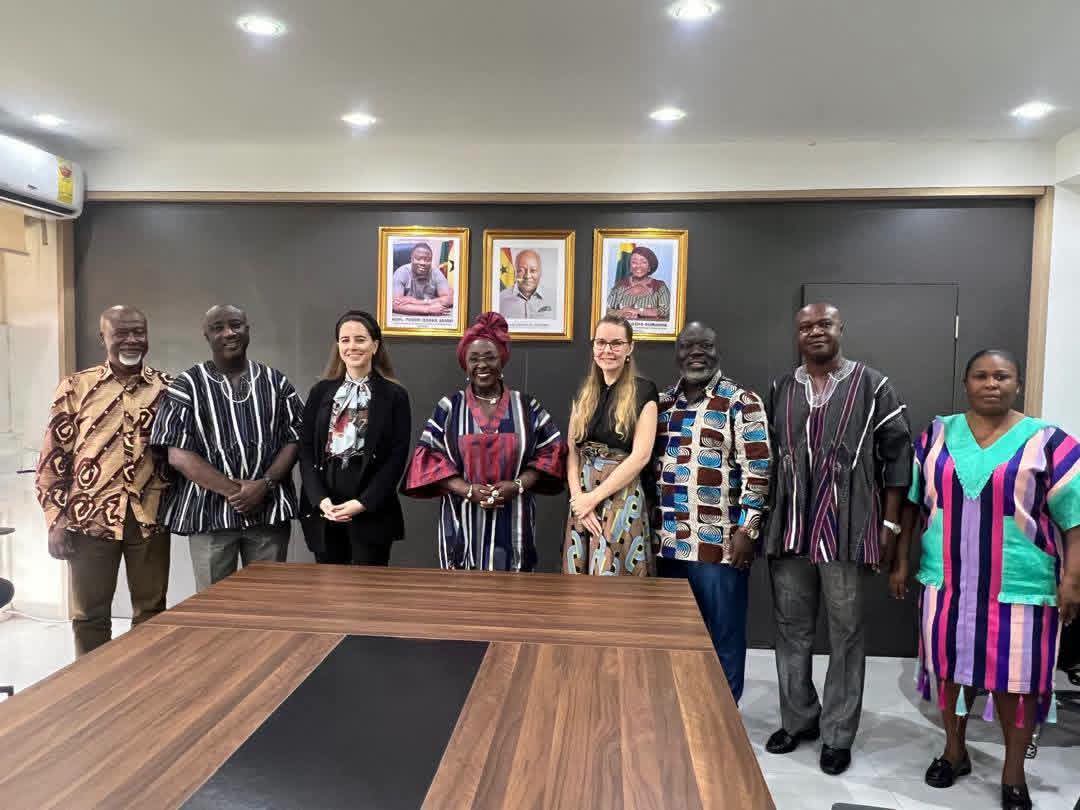
Minister for Tourism, Culture and Creative Arts, Abla Dzifa Gomashie, has called on both local and international investors to tap into opportunities in Ghana’s tourism, hospitality and creative industries.
Speaking in an interview yesterday with World Media USA Today, the Minister said government is committed to creating a conducive investment environment to support growth in the sector.
She highlighted key investment areas including hotels, fashion, music, film production, and tourism infrastructure.
Dzifa Gomashie also encouraged Ghanaians to invest in domestic tourism to help boost the local economy.
According to her, strategic investment in tourism and the creative economy will drive economic transformation, create jobs, and position Ghana as Africa’s gateway for heritage, culture, business and investment.
“Ghana has vast opportunities across tourism, hospitality and the creative industries. We are ready and open for business,” she stated.
The Minister’s remarks come as government intensifies efforts to leverage culture and tourism as drivers of economic growth and job creation.
By Edem Mensah-Tsotorme