News
Dandafuri residents cry for Irrigation systems, credit facilities

- /home/u249204778/domains/spectator.com.gh/public_html/wp-content/plugins/mvp-social-buttons/mvp-social-buttons.php on line 27
Warning: Trying to access array offset on false in /home/u249204778/domains/spectator.com.gh/public_html/wp-content/plugins/mvp-social-buttons/mvp-social-buttons.php on line 27
&description=Dandafuri residents cry for Irrigation systems, credit facilities', 'pinterestShare', 'width=750,height=350'); return false;" title="Pin This Post">
- Share
- Tweet /home/u249204778/domains/spectator.com.gh/public_html/wp-content/plugins/mvp-social-buttons/mvp-social-buttons.php on line 72
Warning: Trying to access array offset on false in /home/u249204778/domains/spectator.com.gh/public_html/wp-content/plugins/mvp-social-buttons/mvp-social-buttons.php on line 72
&description=Dandafuri residents cry for Irrigation systems, credit facilities', 'pinterestShare', 'width=750,height=350'); return false;" title="Pin This Post">
Residents of Dandafuri community in the Wa Municipality of the Upper West Region have appealed to government and benevolent organisations to provide an irrigation system for the community to support them during the dry season farming.
They have also asked for credit facilities to enable them pay for tractor services and buy farm inputs to boost their agricultural activities.
Speaking to The Spectator during a visit to the community, the Chief of Dandafuri, Abdul Salam Issahaku said since agriculture was the mainstay of residents in the community, the provision of facilities such as irrigation system and credit facilities would help boost their vocation and ensure that farmers gained from their labour.
Dandafuri is located about 10 kilometres away from the central business district of Wa, the regional capital and has about 2,400 residents who are mainly farmers but engage in trading activities after harvesting their farm produce.
“There are no industries or factories in the community. We are living in dire poverty but we do well with agriculture so the presence of such resource will boost our activities and ensure that we produce enough to feed our families and also sell,” he expressed.
He said due to the limited resources, hiring tractors to plough a large tract of land becomes a challenge, making it difficult to cultivate enough.
A community member, Madam Alimata Fulera said that many women in the community migrated to the southern part of the country to work during the dry season because there was no alternative source of livelihood.
Dandafuri like several other communities in the northern part of the country experiences prolonged dry season which sometimes begin in mid-October and runs to early May.
Fulera explained that if there was an irrigation system in the community, they could continue with dry season farming.
Mr Sumaila Iddris, the Unit Committee Chairman of the area insisted that an irrigation system and financial support would help the youth in the community to engage in commercial and dry season farming for a higher return.
The Regional Director of Agriculture, Mr Francis Sasu Yeboah shared in their concern and advised them to create farmer based groups to petition the assembly to consider them for such interventions.
From Lydia Darlington, Wa


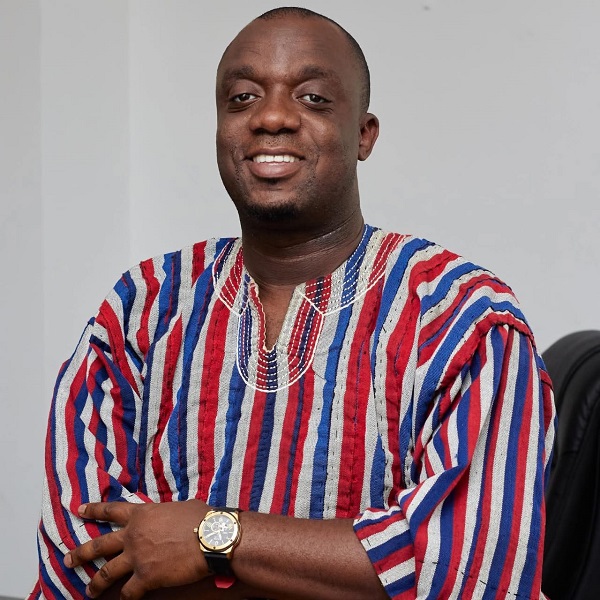
The New Patriotic Party (NPP) has directed all aspirants campaigning in the Greater Accra Region to suspend their campaign activities on August 5 and 6 and instead mobilise supporters for the party’s planned “Democracy Under Attack” demonstration.
The directive was issued by the party’s National Steering Committee in a statement signed by the NPP General Secretary, Justin Kodua Frimpong, on Tuesday.
According to the statement, the decision forms part of efforts to ensure a strong turnout for the demonstration, which is scheduled for Thursday, August 6, 2026.
The party said the protest would begin at 5:00 a.m., with participants expected to gather at the Supreme Court in Accra.
It further directed Regional, Constituency and Polling Station Executives in Greater Accra to work closely to mobilise members and supporters for the event.
“The National Steering Committee is calling on all aspirants currently campaigning across the Greater Accra Region to temporarily suspend their campaign activities on the 5th and 6th of August and join in mobilising support for the upcoming demonstration,” the statement noted.
The NPP appealed to party members and supporters to remain peaceful, disciplined and orderly throughout the protest.
The demonstration forms part of the party’s response to concerns it has raised over issues relating to Ghana’s democratic governance and the justice system.
The NPP leadership expressed confidence that party members would cooperate fully to ensure a successful and peaceful event.
By: Jacob Aggrey
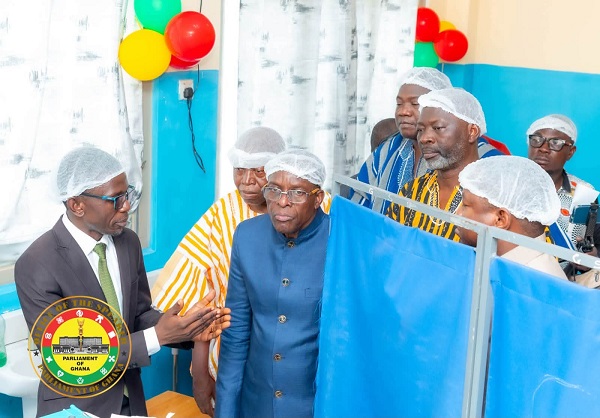
Speaker of Parliament Alban Sumana Kingsford Bagbin has commissioned an expanded dialysis unit at the Upper West Regional Hospital in Wa to improve access to kidney treatment for people in northern Ghana.
The project, estimated to cost about GH¢4 million, was undertaken in partnership with Sustainable Health Education and Interventions Limited (SHEILD), the Upper West Parliamentary Caucus, the Ministry of Health, the Ghana Health Service and other development partners.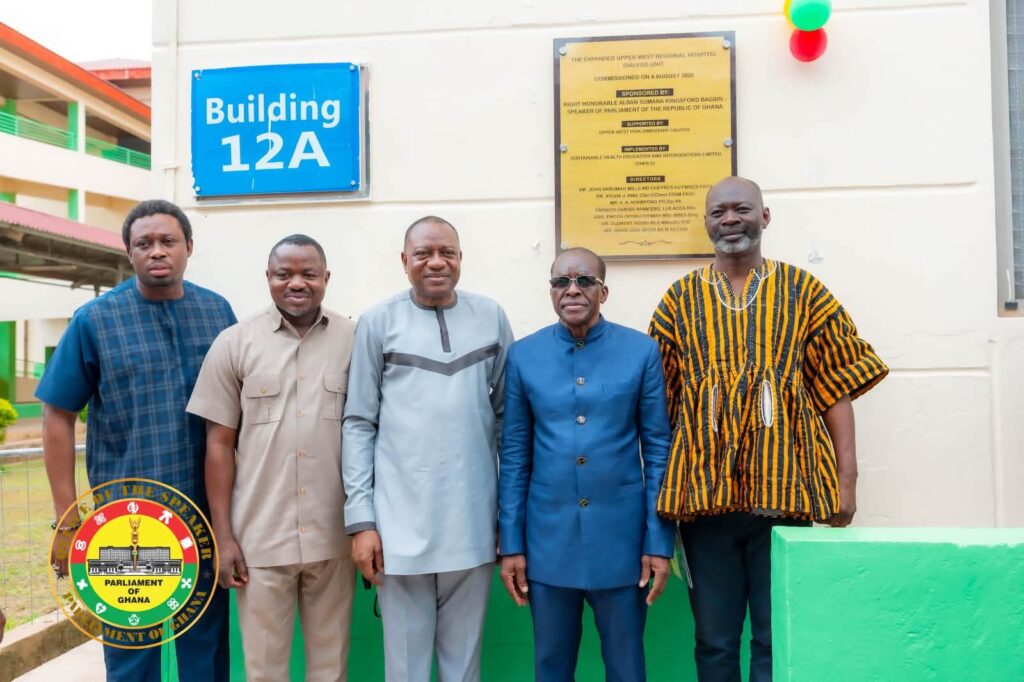
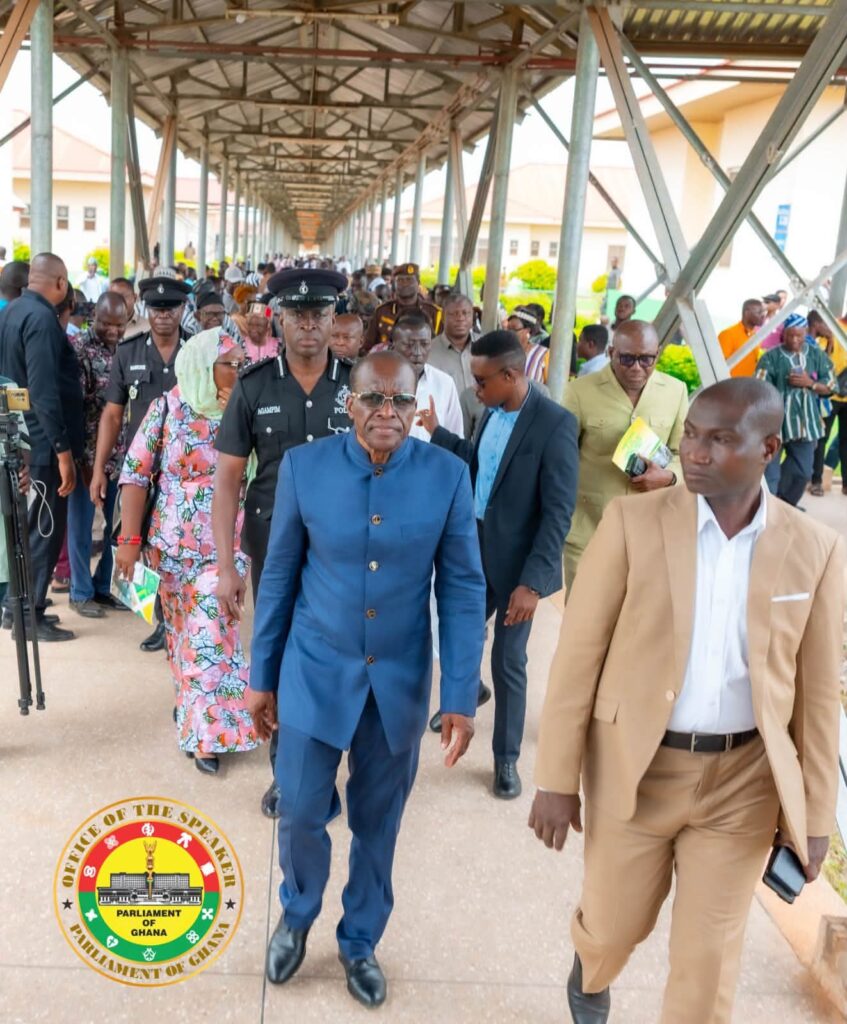
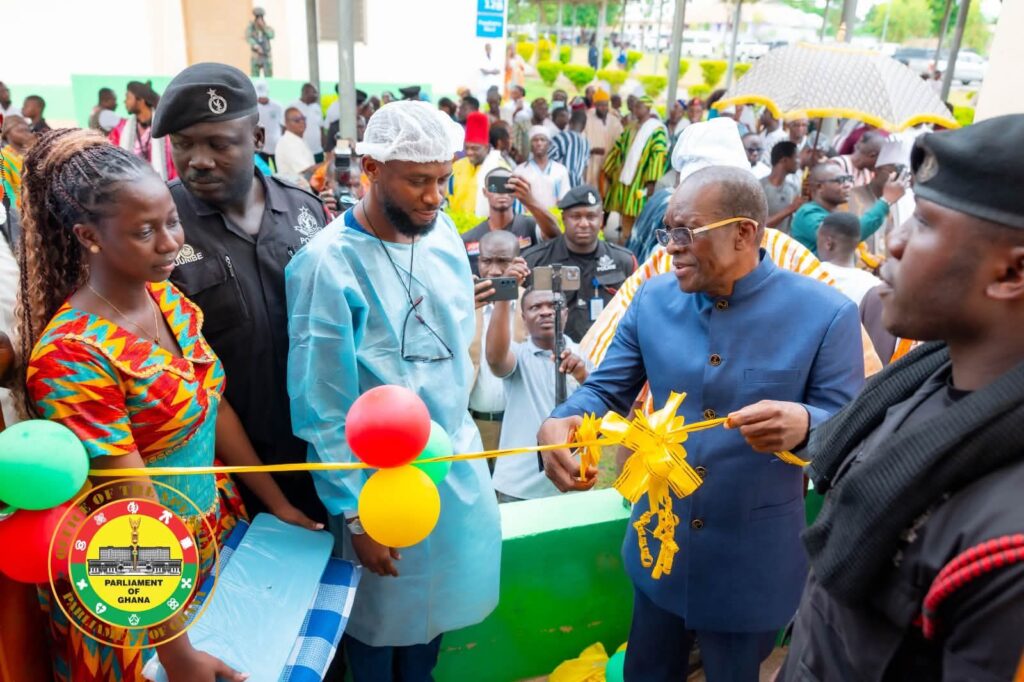
The new facility was inaugurated on Tuesday, August 4, 2026, in Wa. It adds six dialysis machines, supporting equipment and staff training to strengthen renal care services at the hospital.
According to the Parliamentary Service, the expansion is expected to reduce the burden on patients with chronic kidney disease who previously travelled long distances to Accra, Kumasi and other major cities for dialysis treatment.
Commissioning the facility, Mr Bagbin described the project as an important investment in healthcare equity and social justice.
He noted that many families in the Upper West Region struggle to access specialist kidney care because of distance and cost.
“The people of the Upper West deserve to live with dignity. We deserve access to quality healthcare,” he stated, adding that the facility would bring treatment closer to patients and their families.
He commended SHEILD and the other partners for supporting the project and called for continued collaboration to improve specialist healthcare services across the country.
Board Director of SHEILD, Dr Sylvie Anie, indicated that the organisation remained committed to addressing critical healthcare gaps through sustainable interventions.
She explained that the expanded dialysis unit represented hope for patients who had struggled for years to obtain specialised kidney treatment.
Another Board Director of SHEILD, Dr John Nkrumah Mills, stressed that sustainable healthcare required investment in people, systems, partnerships and continuous capacity building.
He noted that the project demonstrated what could be achieved when institutions worked together to improve patient care.
Medical Director of the Upper West Regional Hospital, Dr Philip K. K. Baabiineh, stated that the expanded unit would significantly improve the hospital’s ability to provide comprehensive renal care.
He observed that many patients previously had limited treatment options and often travelled under difficult conditions to receive dialysis.
The Minister for Health, Kwabena Mintah Akandoh, described the project as consistent with government’s efforts to expand specialist healthcare services and reduce regional disparities in access to treatment.
He encouraged stronger partnerships between government, private organisations, development partners and healthcare institutions to address the growing burden of non-communicable diseases.
The Parliamentary Service stated that chronic kidney disease was becoming a major public health challenge in Ghana, driven by increasing cases of hypertension, diabetes, obesity and late diagnosis.
It noted that access to dialysis services remained uneven, with most treatment centres concentrated in Accra and Kumasi, while many patients in northern Ghana faced high transport costs and long waiting times.
The commissioning ceremony was attended by government officials, traditional leaders, Members of Parliament, healthcare professionals, development partners, civil society organisations and community representatives.
By: Jacob Aggrey