Hot!
Govt still owes us GH¢300m – National Food Suppliers Association


- /home/u249204778/domains/spectator.com.gh/public_html/wp-content/plugins/mvp-social-buttons/mvp-social-buttons.php on line 27
https://spectator.com.gh/wp-content/uploads/2023/08/Screenshot-2023-08-18-140838.png&description=Govt still owes us GH¢300m – National Food Suppliers Association', 'pinterestShare', 'width=750,height=350'); return false;" title="Pin This Post">
- Share
- Tweet /home/u249204778/domains/spectator.com.gh/public_html/wp-content/plugins/mvp-social-buttons/mvp-social-buttons.php on line 72
https://spectator.com.gh/wp-content/uploads/2023/08/Screenshot-2023-08-18-140838.png&description=Govt still owes us GH¢300m – National Food Suppliers Association', 'pinterestShare', 'width=750,height=350'); return false;" title="Pin This Post">
The National Food Suppliers Association has disclosed that the government still owes members of the association a little over GH¢300 million in arrears for food supplied to various senior high schools across the country.
Aggrieved members of the association on Friday, August 18, besieged the premises of the National Food Buffer Stock Company (NAFCo) to demand payment of 200 million Ghanaian cedis in arrears owed to the suppliers for the year 2022.
The suppliers began days of picketing at the Buffer Stock premises in July after months of appealing to the government for their arrears to be paid to help them continue to be in business.
They later expressed disappointment after only a partial payment was made to them.
Speaking on Eyewitness News, a spokesperson for the food suppliers association, Kwaku Amedume, said besieging of NAFCo’s premises was to demand their arrears, which have been losing value over the two years that they have been owed.
“When we picketed the last time, the government was able to raise GH¢100 million to be disbursed to members with the promise that they were going to get us the balance on August 17. So what happened was that some of our members approached the buffer stock to enquire about how far they were preparing to settle us. We went into a meeting with them [on August 18] and the information was that the Ministry of Education has released GH¢80 million to be disbursed to the suppliers and that will bring up the total payment for 2022 to GH¢180 million representing about 85 percent of the total arrears owed suppliers.”
“We still have 2023 arrears that range a little around 300 million Ghanaian cedis that they have promised to do something about it in two weeks’ time, and so we actually went to the Buffer Stock to find out when we were going to be paid.”
Source: Citinewsroom.com


The University of Ghana Medical Centre (UGMC) has disputed claims made on social media by comedian Michael Blackson concerning the treatment given to his late mother, saying a review found that the allegations did not accurately reflect what happened during her stay at the hospital.
In a statement issued in Accra on August 5, 2026, the management of UGMC expressed condolences to Mr. Blackson and his family over the death of his 83-year-old mother, who died at the facility on July 16, 2026.
The hospital said it had taken the concerns raised by Mr. Blackson seriously and conducted a thorough review in line with its clinical and administrative procedures.
According to the statement, the facts presented by Mr. Blackson on social media contained “numerous inaccuracies” and did not accurately reflect the medical care provided to his mother.
UGMC explained that she was referred to the facility from another hospital and received treatment there from May 27 to July 16, 2026, a period of about eight weeks.
The hospital stated that it would not release details of her diagnosis, treatment, medical records or other aspects of her care because it had a duty to protect patient confidentiality, even after death.
It said the decision was intended to respect the dignity of the deceased and the privacy of her family.
UGMC further stated that all clinical decisions at the facility are made by qualified healthcare professionals based on medical judgment, established standards of care and the best interests of the patient.
The statement added that such decisions are made in consultation with authorised family representatives where necessary and that billing and financial procedures are governed by institutional policies and are separate from clinical decision-making.
The hospital noted that it values feedback from patients and their families and considers both positive and negative comments important for improving the quality of care.
Mr. Blackson had earlier used social media to criticise the care his mother received at UGMC, prompting the hospital’s response.
By: Jacob Aggrey
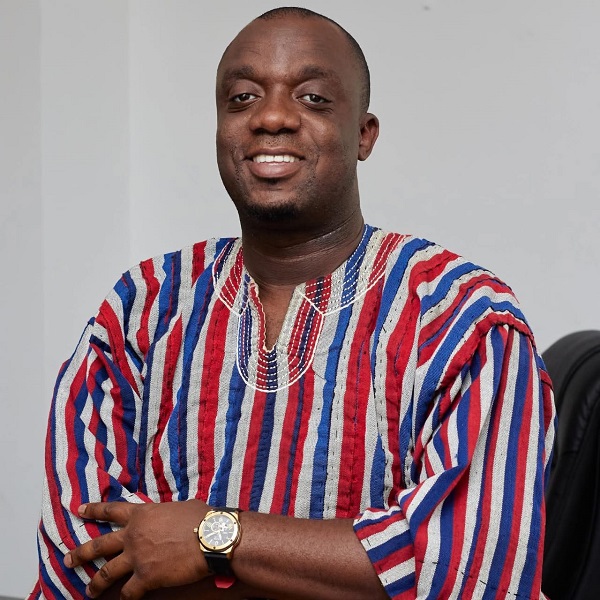
The New Patriotic Party (NPP) has directed all aspirants campaigning in the Greater Accra Region to suspend their campaign activities on August 5 and 6 and instead mobilise supporters for the party’s planned “Democracy Under Attack” demonstration.
The directive was issued by the party’s National Steering Committee in a statement signed by the NPP General Secretary, Justin Kodua Frimpong, on Tuesday.
According to the statement, the decision forms part of efforts to ensure a strong turnout for the demonstration, which is scheduled for Thursday, August 6, 2026.
The party said the protest would begin at 5:00 a.m., with participants expected to gather at the Supreme Court in Accra.
It further directed Regional, Constituency and Polling Station Executives in Greater Accra to work closely to mobilise members and supporters for the event.
“The National Steering Committee is calling on all aspirants currently campaigning across the Greater Accra Region to temporarily suspend their campaign activities on the 5th and 6th of August and join in mobilising support for the upcoming demonstration,” the statement noted.
The NPP appealed to party members and supporters to remain peaceful, disciplined and orderly throughout the protest.
The demonstration forms part of the party’s response to concerns it has raised over issues relating to Ghana’s democratic governance and the justice system.
The NPP leadership expressed confidence that party members would cooperate fully to ensure a successful and peaceful event.
By: Jacob Aggrey