Hot!
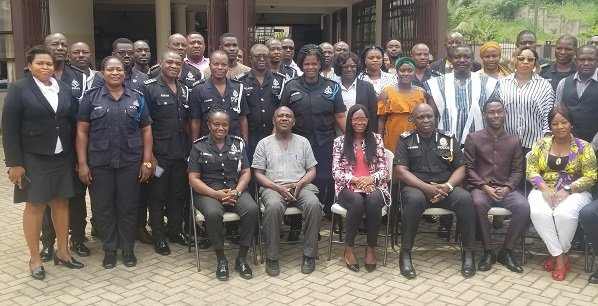
Akrasi Sarpong educates law enforcers on New Narcotics Control Act

- /home/u249204778/domains/spectator.com.gh/public_html/wp-content/plugins/mvp-social-buttons/mvp-social-buttons.php on line 27
https://spectator.com.gh/wp-content/uploads/2023/04/Mr-Sarpong-with-officers-at-workshop.jpg&description=Akrasi Sarpong educates law enforcers on New Narcotics Control Act', 'pinterestShare', 'width=750,height=350'); return false;" title="Pin This Post">
- Share
- Tweet /home/u249204778/domains/spectator.com.gh/public_html/wp-content/plugins/mvp-social-buttons/mvp-social-buttons.php on line 72
https://spectator.com.gh/wp-content/uploads/2023/04/Mr-Sarpong-with-officers-at-workshop.jpg&description=Akrasi Sarpong educates law enforcers on New Narcotics Control Act', 'pinterestShare', 'width=750,height=350'); return false;" title="Pin This Post">
Mr Sarpong with officers at workshop
Though change is good and must be encouraged in all aspects of life, it becomes meaningless when those entrusted with implementing it fail to do the right thing, thereby making it useless.
To ensure that the right policies are carried out in the country’s amended laws, the law enforcement agents in the country have been urged to be very cautious in dealing with people who use drugs for personal gain in view of the new narcotics law of the country.
According to Mr. Yaw AkrasiSarpong, a former boss of the Narcotics Control Board (NACOB), who made the call, “the new drugs law of the country treats drug use and dependence as a public health issue rather than focusing on enforcement, incarceration, punishment, and repression.”
He told the law enforcement agencies “not to focus so much on arrests, prosecutions, and sentencing of persons using drugs for personal interest.”
Mr. Sarpong was addressing police prosecutors and detectives at a training workshop on ensuring the effective implementation of the Narcotics Control Commission Act 2020, Act 1019.
It was organised by the Perfector of Sentiment (POS) Foundation,a human rights civil society organisation that focuses its activities in the areas of access to justice, human rights,policy reform, youth development, and social accountability.
Under the theme, “Understanding the Narcotics Control Commission Act 2020, Act 1019: The Role of Law Enforcement and Prosecutors in Health, Rights-based Best Practices for Handling People Who Use Drugs in the Implementation of the Act.”
The new law was passed on March 20, 2020, and assented to by the President, Nana AddoDankwaAkufo-Addo, on May 11, 2020, which is an update on PNDC Law 236 promulgated in 1990.
Mr. Sarpong explained that people who use drugs rather need help “as it is a public health issue just like someone suffering from malaria or an ulcer.”
He questioned why the law should imprison someone for the possession of weed (or ‘wee’) for personal use and later spend taxpayer money to take care of the person in jail.
He stressed the importance for law enforcement agencies and prosecutors to be abreast of the law and know their roles in its delivery.
“I am not encouraging people to use drugs or weed; it can be addictive, but let us differentiate between private life and public safety,” he indicated.
Mentioning that the new law allows someone to possess a certain quantity of weed for daily use, he said, “the police are usually the first point of contact; their role in the safety and security of citizens is very important, hence the need to ensure proper implementation of the new law within the spirit that it is intended.”
The Executive Director of POS, Jonathan Osei-Wusu, on his part, also noted that drug use was a public health and human rights issue and described it as a “substance use disorder.”
He said, “it has been tested and proven all over the world that substance use disorder is not an issue of criminality where people are to be sentenced but rather need help.”
He pointed out that rehabilitation had been provided under the new state law to help such people reform.
The Executive Director further argued against sentencing people who use drugs for relaxation when they have not killed anyone or caused any violence.
He indicated that if such people were sentenced for smoking the substance, “they come out hardened and more problematic for society.”
Ms. Maria-GorettiAneLoglo, with the International Drug Policy Consortium, said Ghana has become an example for many West African states in reviewing its drug policies.
And there was the need to take further steps in the implementation of the law “so that we get it all right for others to follow.”
From Kingsley E. Hope, Kumasi


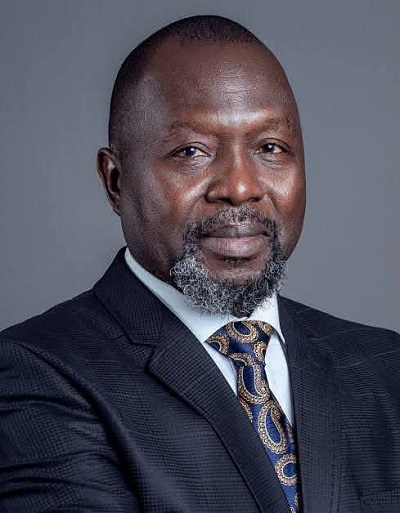
Attorney General and Minister for Justice, Dr. Dominic Ayine, has announced that the government has accepted the recommendation to abolish the death penalty and replace it with life imprisonment as part of the constitutional review process.
He said the proposed amendment would affect Articles 3, 13, 19 and 72 of the 1992 Constitution, with offences that previously attracted the death penalty instead carrying life imprisonment.
Dr. Ayine made the announcement on July 30, 2026, at the Jubilee House in Accra during the Government Accountability Series while outlining the government’s position on the final recommendations of the Constitution Review Committee.
According to him, the government believes the death penalty is inconsistent with the constitutional right to life and Ghana’s international human rights obligations.
He explained that the recommendation forms part of broader proposals aimed at strengthening the protection of fundamental human rights under the Constitution.
Dr. Ayine said the government had also accepted the spirit of several recommendations to expand rights relating to women, children, persons with disabilities, older persons and the youth.
He added that a comprehensive Human Rights Act would be introduced to protect these rights and provide detailed enforcement mechanisms instead of amending the entrenched provisions of the Constitution through a national referendum.
By: Jacob Aggrey

Minister for Tourism, Culture and Creative Arts, Abla Dzifa Gomashie, has called on both local and international investors to tap into opportunities in Ghana’s tourism, hospitality and creative industries.
Speaking in an interview yesterday with World Media USA Today, the Minister said government is committed to creating a conducive investment environment to support growth in the sector.
She highlighted key investment areas including hotels, fashion, music, film production, and tourism infrastructure.
Dzifa Gomashie also encouraged Ghanaians to invest in domestic tourism to help boost the local economy.
According to her, strategic investment in tourism and the creative economy will drive economic transformation, create jobs, and position Ghana as Africa’s gateway for heritage, culture, business and investment.
“Ghana has vast opportunities across tourism, hospitality and the creative industries. We are ready and open for business,” she stated.
The Minister’s remarks come as government intensifies efforts to leverage culture and tourism as drivers of economic growth and job creation.
By Edem Mensah-Tsotorme