Nutrition
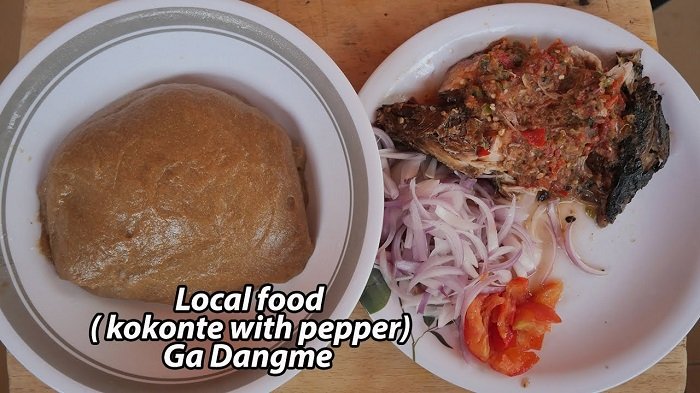
Kokonte and hot pepper

- /home/u249204778/domains/spectator.com.gh/public_html/wp-content/plugins/mvp-social-buttons/mvp-social-buttons.php on line 27
https://spectator.com.gh/wp-content/uploads/2023/04/Kokonte-and-hot-pepper-.jpg&description=Kokonte and hot pepper', 'pinterestShare', 'width=750,height=350'); return false;" title="Pin This Post">
- Share
- Tweet /home/u249204778/domains/spectator.com.gh/public_html/wp-content/plugins/mvp-social-buttons/mvp-social-buttons.php on line 72
https://spectator.com.gh/wp-content/uploads/2023/04/Kokonte-and-hot-pepper-.jpg&description=Kokonte and hot pepper', 'pinterestShare', 'width=750,height=350'); return false;" title="Pin This Post">
Kokonte is a staple food eaten in many parts of Ghana, Togo and other West African countries. It is primarily made of dried cassava flour.
The method of preparation is similar to that of banku and tuo zaafi. It has a unique brown colour which differentiates it from banku, fufu, akple or tuo zaafi.
Kokonte or konkonte is mostly taken as lunch or dinner and served with groundnut soup, okro stew, light soup, palm nut soup or ground pepper.
Kokonte also known as ‘face the wall’ is sold in local eateries (chop bars) in Ghana and can also be prepared at home.
Ingredients
Dried cassava flour Water
Ingredients for hot pepper
Three large tomatoes
Three peppers
Two large onion
Two tablespoonfuls of salt
Preparation
-Pour two cups of water into a metallic cooking pot
-Place it on the source of heat and boil
-Whiles boiling, fetch some of the hot water and set aside.
-Add two and half cups of cassava flour to the boiling water in bits
-Stir with the wooden spatula whiles adding to ensure there are no lumps formation.
-Knead the mixture with the wooden ladle to form a thick and consistent paste.
-Continue kneading till you get the texture you need with no lumps.
-When cooked, use a small bowl to scoop and mould into desired sizes.
-Serve whiles hot with groundnut soup or palm nut soup.
-Store the remaining into a refrigerator or food container.
-Wash tomatoes, pepper and onion under running water.
– Grind pepper and onion and add salt to taste.
-Add tomatoes, when ready and serve with kokonte.
Source: Recipejoint



When we talk about nutrition in Ghana, the conversation often focuses on individual choices: eat more vegetables, reduce sugar and salt, drink more water and exercise regularly.
These messages are important, but they tell only part of the story. Good nutrition is not just a personal responsibility; it is also a food-system issue.
What Ghanaians eat is influenced by what farmers produce, what food costs, how it is processed and marketed, what is served in schools, and what information consumers receive.
Ghana has the agricultural capacity to produce a wide variety of nutritious foods, including vegetables, fruits, legumes, fish, eggs, roots and tubers. Yet production alone is not enough. Poor storage, transportation challenges and weak market access mean that an estimated 30 per cent of food in Ghana can spoil before reaching consumers or retailers, according to a 2025 study by the International Growth Centre. The losses are particularly significant for fruits and vegetables, reducing both farmers’ incomes and the availability of nutritious foods. This is where policy becomes important.
Agricultural policies should consider not only how much food Ghana produces, but also whether that food contributes to healthy diets. Greater support for diverse crops, local vegetables, fruits and legumes could strengthen both agriculture and nutrition.
The food-processing industry has a role as well. Processing can reduce food waste, improve convenience and create new markets for local produce. But greater attention should be paid to the nutritional quality of processed foods, particularly those high in salt, added sugar and unhealthy fats.
Public education must also become more practical. Telling people to “eat healthy” is not enough when nutritious foods may be unaffordable or unavailable. Consumers need information, but they also need a food environment that makes healthier choices realistic.
Good nutrition begins on the farm, continues through the market and food industry, reaches the school and household, and ultimately ends on the plate.
What is needed is greater coordination.
A successful nutrition strategy should connect agricultural production with health objectives, school feeding with local agriculture, food processing with nutritional quality, and public education with the realities of household income and food prices.
The ultimate goal is not simply to produce more food.
It is to ensure that Ghanaians have reliable access to safe, affordable and nutritious food throughout their lives.
Feature Article by Women, Media and Change
SKIP THE QUEUE, TAP THE NEWS
You can now read the Ghanaian Times and The Spectator newspapers from the comfort of your device via TimesNewsPlus.
Join our WhatsApp Channel: https://whatsapp.com/channel/0029VbBElzjInlqHhl1aTU27
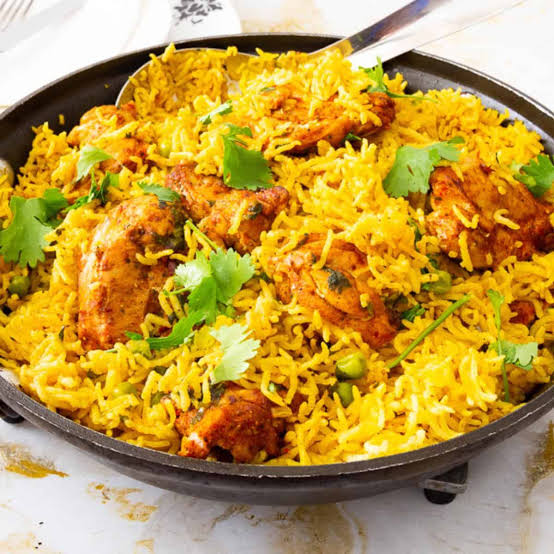
Igredients
– 2 cups of white rice
-1 large onion
– Vegetable oil
– 1 teaspoonful of grinded turmeric
-Salt to taste
– 2 carrots
-1 green pepper
-Spring onion
Method
-Pour the oil in saucepan and put it on fire
-Wash and cut onions. Add it to the oil and allow it to turn golden brown
-Add rice, stir for sometime to make it crispy
-Add water, turmeric, salt and allow rice to cook for sometime
-Cover the saucepan, reduce heat to low, and simmer until water is absorbed and rice is cooked, about 10 minutes
-Wash cut carrot, green pepper and spring onions and add to the rice on fire
-Serve with stew or shito
SKIP THE QUEUE, TAP THE NEWS
You can now read the Ghanaian Times and The Spectator newspapers from the comfort of your device via TimesNewsPlus.
Join our WhatsApp Channel: https://whatsapp.com/channel/0029VbBElzjInlqHhl1aTU27