Hot!
Gender advocate urges govt to address obstacles to girls’ education in Ghana

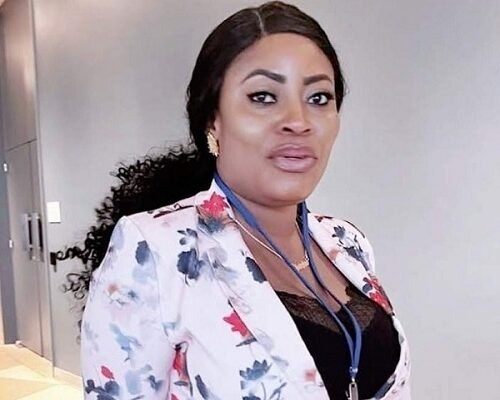
Ace broadcast journalist and gender equality advocate, Josephine Oppong-Yeboah, has stressed the need for the government to address all obstacles that impede girls’ education in the country.
She was of the view that although the country had done well in increasing access and enrollment, particularly at the basic and senior high schools, there was a need to ensure girls are retained in schools.
She expressed the concern that even though access and enrollment had increased, factors such as forced marriages, pregnancy, poverty, and sexual harassment oftentimes compel many girls to drop out of school before completing their basic education.
Ms Oppong-Yeboah was speaking on this year’s International Women’s Day with the media, concerning how education for girls in the country could be further enhanced.
The theme for the celebration of this year’s session of the UN Commission on the Status of Women (CSW) is, “Innovation and technological change, and education in the digital age for achieving gender equality and the empowerment of all women and girls”.
The annual UN Commission on the Status of Women meets in March each year to address the widespread inequalities, violence and discrimination women continue to face, all around the world.
Ms Oppong-Yeboah who is attending this year’s event in New York also called for a collaborative approach from all stakeholders towards the promotion of girls’ education in the country.
“We need to find ways of ensuring that girls attend school, stay, and perform well,” she said, adding that “We cannot develop as a nation if we do not address all the obstacles affecting girls’ education in the country.”
She explained that tackling endemic problems affecting girls’ education requires innovative solutions, urging all stakeholders to play their roles as expected in helping to promote girls’ education in the country.
Ms Oppong-Yeboah said although UNESCO’s 2020 Gender Report indicates that girls’ enrollment in school has increased steadily over time, there is still great gender disparity in higher levels of education, especially in subjects related to science, technology, engineering and mathematics.
She was of the view that access is only the first step towards transforming gender structures in the formal education system in the country, and that “we need to improve retention and performance.”
For her, “there is a huge negative change in gender parity moving from secondary to tertiary enrollment.”
By Benedicta Gyimaah Folley


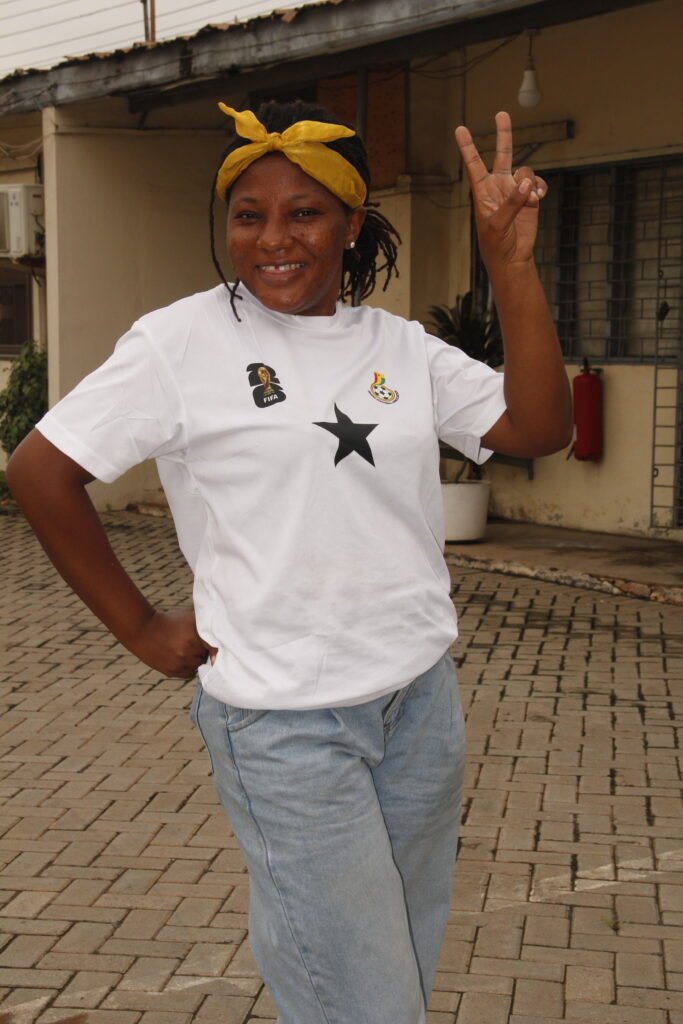
Massive celebrations were recorded countrywide as the Black Stars opened their 2026 World Cup campaign with a 1-0 victory over Panama in Toronto on Wednesday.
Midfielder Caleb Yirenkyi scored the only goal of the match late in the game as he shot in a decent cross from substitute Brandon Asante.

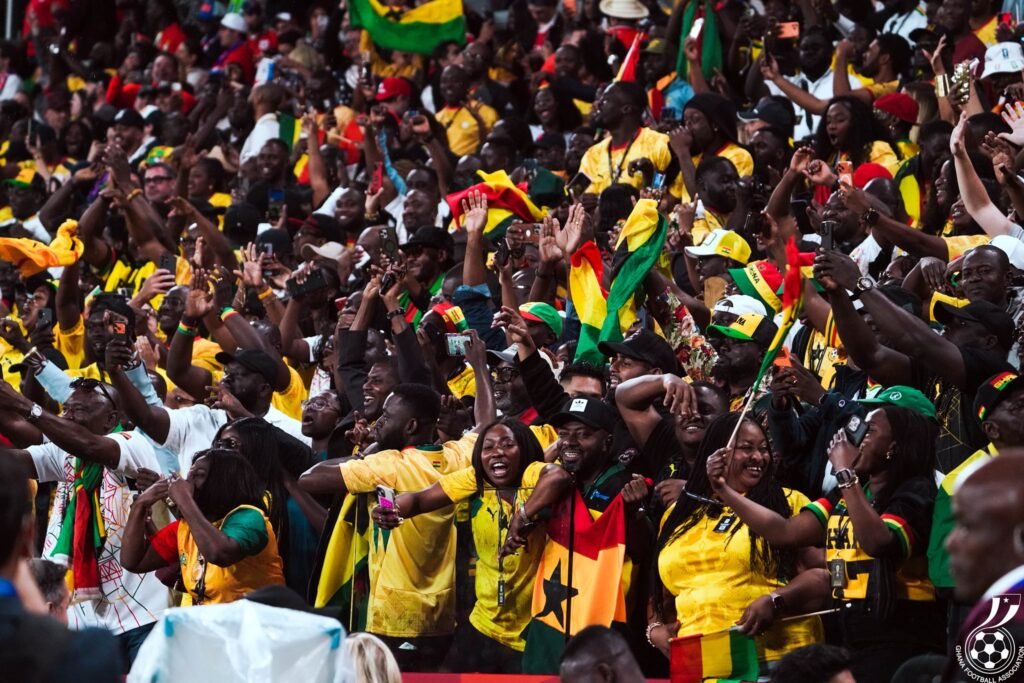

The win gave Ghana a positive start in the competition, placing them in second position behind England, also with three points but with a superior goal aggregate.
After the final whistle, the streets and other viewing centres were turned into partying grounds as fans, mostly clad in the team’s paraphernalia, danced to several World Cup-themed music.
Others blew the vuvuzelas in joyous mood with others putting up a spirited ‘jama’ session.

Former New Patriotic Party (NPP) parliamentary candidate for the Adentan Constituency, Akosua Manu, has urged party members to move away from what she describes as an “entitlement mentality” and focus on unity, sacrifice and hard work as the party prepares for the 2028 general election.
In a statement titled “Is Loyalty a Queue?”, and posted on facebook, Ms. Manu argued that loyalty to the NPP should not be judged by how long a person has been in the party but by their contributions and commitment to its growth.
According to her, the NPP’s history shows that many of its leaders faced significant opposition from within the party before eventually leading it to electoral success.
She cited former President John Agyekum Kufuor as an example, saying he had to overcome resistance from influential figures within the party before winning power for the NPP in 2000.
Ms. Manu noted that after the party lost power in 2008, former President Kufuor faced criticism and accusations from some party members.
However, she said supporters eventually put their differences aside and worked together to rebuild the party.
She pointed to the experience of former President Nana Addo Dankwa Akufo-Addo, who, according to her, faced opposition from some factions within the NPP despite his long service to the party.
“His trials were ten times what Kufuor endured,” she stated, adding that Akufo-Addo eventually overcame the challenges and became President of Ghana.
Turning to the NPP’s current flagbearer, Dr. Mahamudu Bawumia, Ms. Manu said he also faced resistance from different groups within the party while seeking leadership.
She praised Dr. Bawumia for contributing to policy-based political discussions in Ghana and for remaining composed following the NPP’s defeat in the 2024 elections.
According to her, party members must now rally behind him in the same way they supported former Presidents Kufuor and Akufo-Addo.
Ms. Manu, however, warned that internal divisions and a sense of entitlement remain major threats to the party’s future.
She argued that some party members place too much emphasis on how long individuals have belonged to the NPP rather than on their contributions and capabilities.
“This entitlement does not question impact. It does not ask what you sacrificed or what you built. It asks only how long have you been here,” she said.
The former parliamentary candidate cautioned that such attitudes could discourage committed members and prevent the party from selecting the best people for leadership positions.
She further called on the party’s incoming national executives to strengthen the NPP’s core values of sacrifice, honesty, integrity and dedication to national development.
Ms. Manu addressed the concerns of young party supporters, many of whom she said became discouraged following the NPP’s electoral defeat in 2024.
According to her, many young people remain eager to see the party return to power but are unwilling to support internal conflicts driven by personal ambitions.
She urged party elders to place the interests of the NPP above their individual goals and to demonstrate leadership that attracts rather than alienates members.
“The NPP is bigger than any one of us. It always has been. Our collective responsibility is to act like it,” she stated.
By: Jacob Aggrey