News
Gomoa-Akyempem Traditional Council outdoors new chiefs


- /home/u249204778/domains/spectator.com.gh/public_html/wp-content/plugins/mvp-social-buttons/mvp-social-buttons.php on line 27
https://spectator.com.gh/wp-content/uploads/2022/12/The-newly-gazetted-chiefs.jpg&description=Gomoa-Akyempem Traditional Council outdoors new chiefs', 'pinterestShare', 'width=750,height=350'); return false;" title="Pin This Post">
- Share
- Tweet /home/u249204778/domains/spectator.com.gh/public_html/wp-content/plugins/mvp-social-buttons/mvp-social-buttons.php on line 72
https://spectator.com.gh/wp-content/uploads/2022/12/The-newly-gazetted-chiefs.jpg&description=Gomoa-Akyempem Traditional Council outdoors new chiefs', 'pinterestShare', 'width=750,height=350'); return false;" title="Pin This Post">
• The newly gazetted chiefs
The Gomoa-Akyempem Traditional Council, Central Region, over the weekend outdoored some newly gazetted chiefs in the area, urging them to be selfless in discharging their duties to their communities.
The four chiefs were, Chief Mohammed Jakpa Dingoro Boresa Kanyiti 1, Chief of the Gonja Community in the area; Kabiesi Kasim Baba Ibo Kegumbe 1, chief of Yoruba community; Sarki Mohammed Issaka, Songhai Chief: and Wuro Issaka Mohammed, Chief of Kotokolis.
President of the Council, Sarki Tahirou Awudu Zaaki, speaking at the outdooring programme underscored the need for traditional leaders to also contribute towards the development of their various communities.
He said being a chief comes with many responsibilities including supporting government’s developmental efforts.
“As a chief you are in a position to serve your people so do not have it in mind that partner you have been put in that position to be served. You must not be proud of yourself if the community you lead is in a very deplorable state because there are some steps you can take to improve upon the state of wherever you have been put in charge of,” he stressed.
Development, he said did not always mean injecting huge sums of money into various projects, adding that efforts at promoting cleanliness, ensuring peaceful partner
coexistence and educating community members on the relevance of sending their wards to school and taking good care of their health are all forms of promoting development.
According to him it was high time misconceptions that Zongo chiefs were from slums and underdeveloped communities is changed by taking up the responsibility of developing the Zongos.
Sarki Zaaki also called the promotion of togetherness among all chiefs within the Akyempem Traditional Council and beyond, saying togetherness made the achievement of set down goals for the betterment of the whole country easy.
He was of the view that when chiefs are united and live in harmony, the people will also be united, saying “we must set good examples for the people to emulate.”
Touching on the need to harness the culture of the country, Muslims especially, he said more education in Zongo communities must be done so as to bring the “borrowed culture syndrome” to an end.
The Chief Imam of the Council, Imam Tajuddeen Gyaragari, also admonished chiefs and their elders to be extremely prayerful and should not take their leadership for granted.
The secretary to the Council, Mr Abdul Aziz Ismail Otoo, said it was with sense of pride to have such a wonderful and dedicated Council of Zongo Chiefs under their jurisdiction who were selfless and hard working towards the development of youth and the communities as well.
The Public Relations Officer to the Council Alhaji Abubakar Mohammed Ibrahim Sadique spoke about the need for the chiefs to take the opportunities in chieftaincy to better their lots and that of their people.
Other issues discussed included the Gomoa Akyempim Zongo festival and the benefits that come with it and then the need to take the chieftaincy institution seriously.
By Raissa Sambou


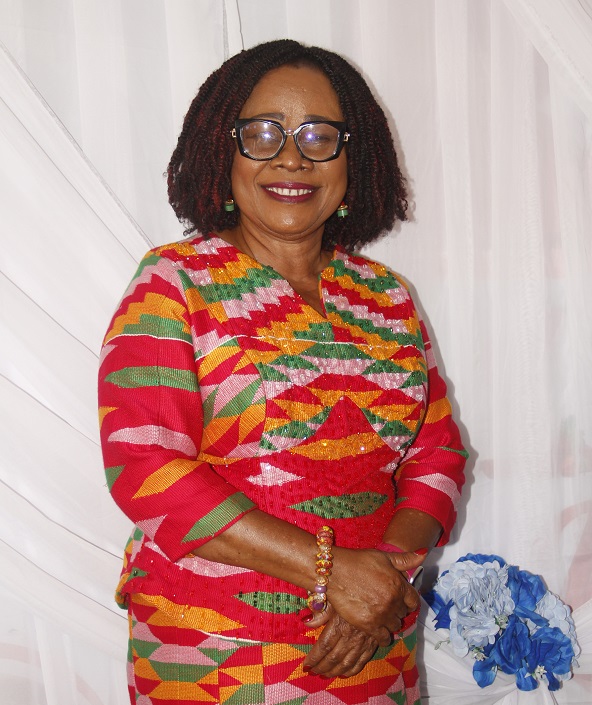
A nine-member board for the New Times Corporation (NTC), publishers of The Ghanaian Times and The Spectator newspapers was sworn into office on Thursday with a call to strengthen the governance of the Corporation.![Dr. Binka (seated second from right) with Dr Okpoti [right] the board and Management of NTC photos Okai Elizabeth.](https://spectator.com.gh/wp-content/uploads/2026/08/Dr.-Binka-seated-second-from-right-with-Dr-Okpoti-right-the-board-and-Management-of-NTC-photos-Okai-Elizabeth-1024x683.jpg)
The new NTC board is chaired by Dr Charity Binka and has Very Rev. Helena Amma Serwah Opoku-Sarkodie, Mr Tito Kojo Voegborlo Esq and Naana Aklerh Amenyah Kubi I as members. Read More
SKIP THE QUEUE, TAP THE NEWS
You can now read the Ghanaian Times and The Spectator newspapers from the comfort of your device via TimesNewsPlus.
Join our WhatsApp Channel: https://whatsapp.com/channel/0029VbBElzjInlqHhl1aTU27
Christians have been urged to demonstrate a living faith in Jesus Christ by allowing their confession of Him as Lord and Saviour to reflect in their daily lives.
According to the Kaneshie District Pastor of the Evangelical Presbyterian Church, Ghana (EPCG), Rev. Dzidzor Nathaniel Affram, a genuine Christian’s confession should go beyond words and be demonstrated through obedience to God, love for others and service to the Church.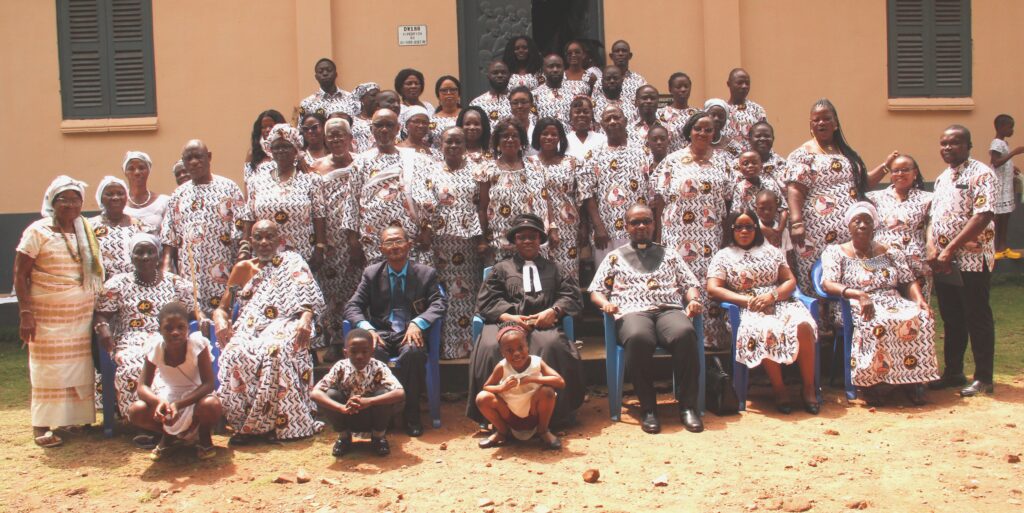
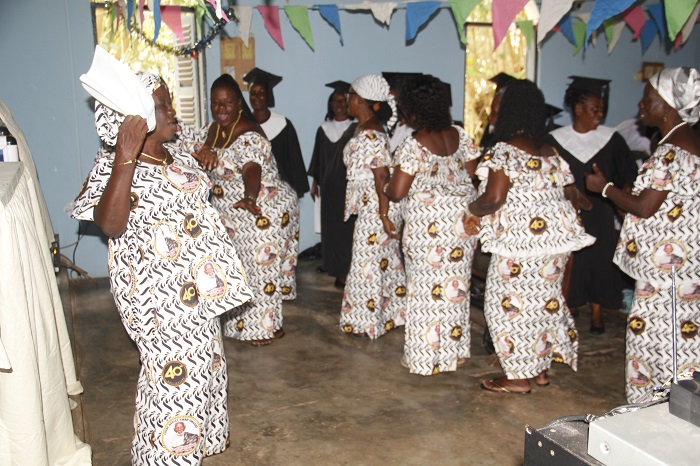
He made the call at the 40th anniversary remembrance service for the late Wesley Kwasi Kwadzo at the Evangelical Presbyterian Church, Ghana, Maranatha Congregation at Awudome Avenui in the Volta Region.
Speaking on the theme, “The Church Built on a Living Confession,” Rev. Affram said life would continually present challenges capable of testing Christians’ faith, making it necessary for believers to hold firmly to their confession that Jesus Christ is Lord.
He explained that accepting Jesus Christ as Lord and Saviour required Christians to live according to His teachings, stressing that their faith must be evident in their conduct.
“A living confession listens to God and not man,” he said, urging Christians to remain obedient to God even when faced with difficulties and pressures.
Rev. Affram further encouraged the congregation to care for vulnerable people and demonstrate concern for others, adding that such acts were practical expressions of Christian faith.
He also urged Christians to identify and use their God-given gifts to build the Church.
He said every member of the Church had a role to play and cautioned Christians against looking down on others because of their status or abilities.
The remembrance service brought together family members, friends, members of the congregation and sympathisers to commemorate the 40th anniversary of the late Wesley Kwasi Kwadzo.
By Lizzy Okai