Features
Seeing, knowing and judging, let’s be careful


Let’s support one another
A beloved poem from the 1800s tells of six blind men who wanted to find out what an elephant was like. So they went to visit one. Each man approached it from a different direction, each taking hold of a different part of the elephant and describing what he discovered. One felt a tusk and concluded that an elephant was like a spear. Another, feeling a thick, sturdy leg, decided an elephant was like a tree. Still another, grabbing the trunk, declared that an elephant is like a snake, and so on.
The poem concludes that these men
Disputed loud and long,
Each in his own opinion
Exceeding stiff and strong,
Though each was partly in the right,
And all were in the wrong!
They were right about their descriptions of what they had experienced. They were being true to what they knew. But they were wrong because they failed to account for what they didn’t know. How can an elephant possibly be like a spear, a tree, and a snake? It’s clear when we see the whole picture. It’s not so clear when we refuse to consider anyone else’s experience.
This mistake is humorous when applied to elephants but tragic when applied to people. Sometimes we are so quick to judge. We make casual assumptions about people based on limited information—the way they look or talk. But in reality, we are all blind. Our perceptions, our experiences are limited. It takes patience and humility to withhold judgement, gather more information, and hear other viewpoints.
The same applies to many of the confusing and divisive issues of our day. Many people seem so adamant that they are right and anyone who disagrees is wrong. But those who come closest to the truth are those who are willing to look for it everywhere—even in the perspectives of those who see things differently.
In our quest for truth, we can look to God for guidance. After all, He sees and knows things we cannot, no matter how observant we are. So with one hand, we hold to the truths we know, and with the other we reach out in humility and goodwill, because there’s always more truth to receive.
As to the difficulties of arriving at justice and fair judgement, one philosopher observed: “We must remember that we have to make judges out of men, and that by being made judges their prejudices are not diminished and their intelligence is not increased.”
It is high tribute to say of any man that he is just in all his judgements. And it is higher tribute to be able to say that he is generous as well as just in judgement. Ungenerous judgement is an unfortunate character fault, and perhaps no one is ever innocent when an ungenerous person is his judge.
It sometimes seems that there is nothing men do quite so much as misjudge other men. Whether knowingly or not, it is a perennially prevalent fault to permit personalities or prejudices to enter into the judgements of others. There isn’t anything that anyone could do that couldn’t be misjudged by one who wanted to misjudge. There was never a mortal man in whom fault could not be found by one who wanted to find fault. There is no act or gesture that could not be misinterpreted by someone whose mind was so set. There is no uttered word to which someone could not give a different meaning from what was intended.
No sentence is ever written that could not be read in different ways. There is no one who could not in some respects be presented in a bad light by a prejudiced person. In other words, either we can decide to see the best side of a man or we can decide to see his worst side, and we see the side we want to see.
Perhaps this is in some degree inevitable so long as people are imperfect and that seems likely to be for a long time. But the fervent petition of Solomon could well be the earnest plea and prayer of each of us: “Give therefore thy servant an understanding heart … that I may discern between good and bad: for who is able to judge. . . ?” Whether it be among our friends or family, among our own intimate associates or absolute strangers, one of the greatest qualities of character is to be just and generous in judgement.
And with a plea from Paradiso again we could well let Dante give us these words of constant warning: “O mortal men, be wary how ye judge.”
By Samuel Enos Eghan
Email: samueleghan@gmail.com


Conflict at work is more common than you might think. According to 2022 research by The Myers-Briggs Company, more than a third of the workforce reports dealing with conflict often, very often, or all the time in the workplace. The same report found that managers spend an average of four hours per week dealing with conflict, and nearly 25 per cent of people think their managers handle conflict poorly or very poorly.
Addressing a dispute might feel tense or awkward, but resolving the conflict is typically well worth it in the long run. Whether you’re trying to mediate conflict between colleagues or are directly involved, here are seven steps you can take to manage workplace conflict.
1. Don’t put it off
Facing conflict head-on is hard. However, waiting too long to address it can negatively impact your emotional well-being, focus, and the entire office environment. If you’re feeling angry, letting that emotion fester can also escalate it over time. This can make you less responsive to other points of view and make it harder to resolve the issue.
The sooner you can address the conflict, the better it will be for you, the person you disagree with, and your entire team.
2. Learn all you can about the problem
It’s important to determine the type of conflict you’re dealing with. Begin by considering the cause of the conflict. For example, ask yourself whether someone said something that upset you or if you have emotions of anger and resentment that stemmed from something that happened.
Then try to identify if it’s a task, relationship, value, or team conflict. Once you know what type of conflict it is, you can work to resolve it with specific tactics for that situation.
If you skip this step, you may waste time or escalate the situation further by trying to address issues irrelevant to the real conflict.
3. Actively listen
Listen attentively when people share their side of the story. Active listening is one of the most valuable professional skills you can possess. This type of listening involves not only hearing what the other person is saying but also listening to understand their point of view.
No matter your role in conflict, it’s easy to begin sharing your opinion with little regard for the other people involved. However, it’s important to learn about all sides of a disagreement to make well-informed decisions before drawing conclusions.
To reach a resolution, you must step back and prioritize listening over talking. Ultimately, that will encourage the other person to do the same when it’s your turn to speak. –source: betterup.com
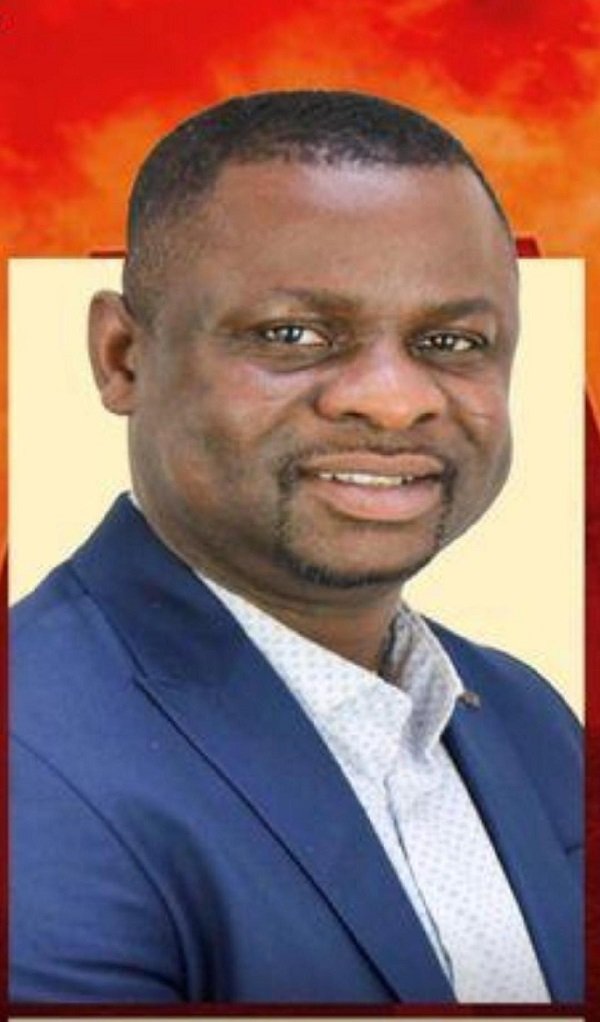
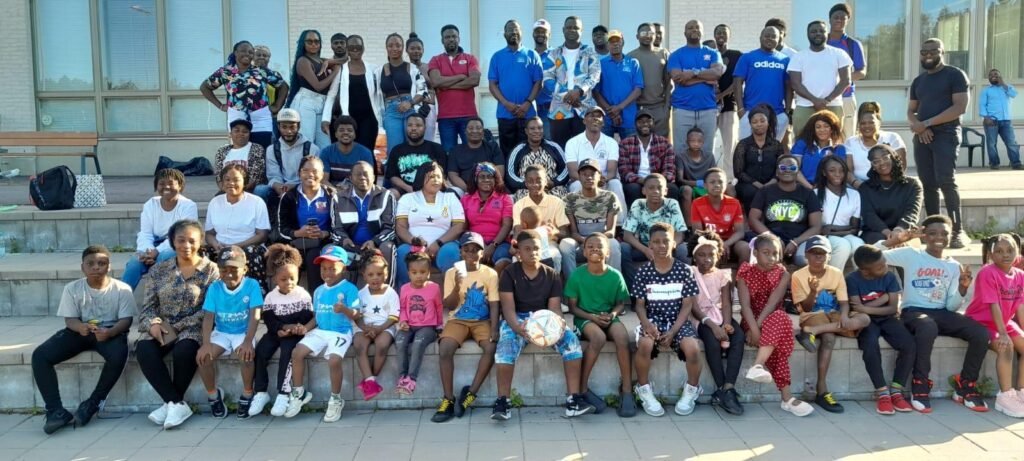
Today, I focus on the Temple Of Praise Ministries International (TOP Church) in Helsinki, as I continue my description of personalities or institutions and their accomplishments as members of the Ghanaian Diaspora in Finland.
The TOP Church in Finland has seen significant strides and accomplishments that must be made known to the public. 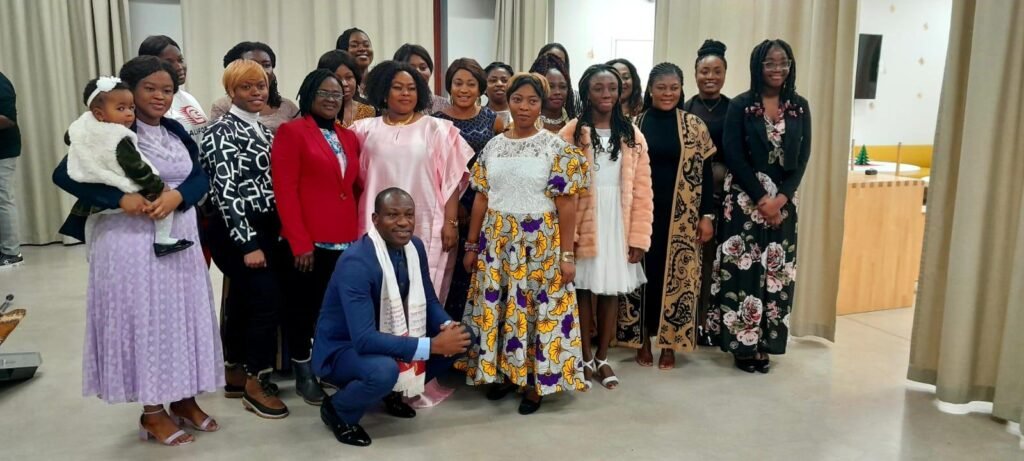
Some history
The Church was established in Finland in September 2016. Since its inception, it has steadily grown both spiritually and numerically, by the grace of God, as disclosed to me by Mr Matthew Anini Twumasi, the Presiding Elder of TOP’s branch in Finland. The TOP Church has other branches across Africa, Europe, and America.
The Church in Finland was founded with a vision to create a welcoming and dynamic community where people could experience God’s love and grace (see, www.topchurchfinland.org). According to Presiding Elder Matthew, the TOP Church operates within a unique environment where Christianity coexists with what is seen as a largely secular society.
Despite this, he submits, there are significant opportunities for outreach, unity, and demonstrating the love of Christ through service and community engagement.
Activities
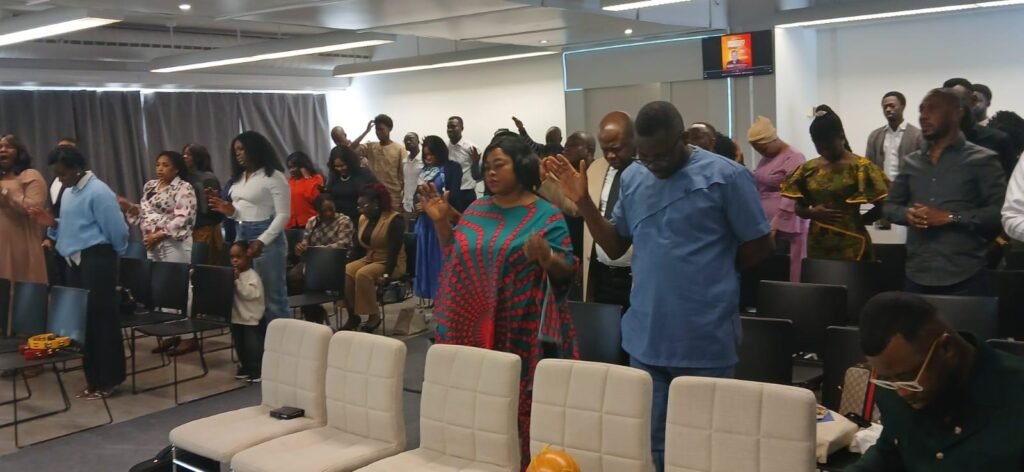
Church services at the TOP Church are typically held on Sundays for the main worship. In addition, there are mid-week prayer sessions, Saturday prayer services, and a half-night service held on the last Friday of every month. “We also organise quarterly programs”, Elder Matthew added.
His impression of the Church so far has been positive. “It is a vibrant and welcoming community where members are committed to worship, fellowship, and supporting one another in faith”, he stated.
In sum, Elder Matthew said the Church continues to grow by God’s grace. “We remain hopeful and committed to spreading the Gospel, strengthening the faith of our members, and making a positive impact in society”, he continued.
Achievements
The TOP Church has a number of achievements and achievements. Some of the strengths include strong community bonds, cultural diversity, and deep commitment to spiritual growth.
I also remember that during the COVID-19 period, I heard that the TOP Church was one such bodies that hugely supported its members and others to cope with the situation.
According to Elder Matthew, the challenges facing the church include “adapting to cultural differences, engaging the younger generation, expanding outreach in a secular society, and securing a permanent place of worship”.
Role in the Ghanaian community in Finland
The TOP Church plays a prominent role as a religious group that serves Ghanaian migrants and others in the Finnish society.
Thus, the TOP Church is a religious body for Ghanaian migrants in Finland and other nationalities who want to worship with them for diversity and better intercultural and multicultural understanding.
The Church also has mechanisms in place to support its members who are bereaved as a way to commiserate with them in times of death and funerals.
The Ghanaian community has played a vital role in the growth of the Church. Their strong sense of fellowship, dedication to worship, and active participation have helped build a solid foundation and attract others to the ministry, according to Elder Matthew.
Integration
By its activities, the TOP Church is helping to ensure integration of its members well into the Finish society.
This is important since social interaction and citizens’ well-being are an important part of the integration process.
The role of migrant associations and groups such as TOP Church acting as bridge-builders for the integration and inclusion of migrants through participation in the decision making process and by acting as a representative voice is highly appreciated in Finland. Thank you!
GHANA MATTERS column appears fortnightly. Written in simple, layman’s terms, it concentrates on matters about Ghana and beyond. It focuses on everyday life issues relating to the social, cultural, economic, religious, political, health, sports, youth, gender, etc. It strives to remind us all that Ghana comes first. The column also takes a candid look at the meanings and repercussions of our actions, especially those things we take for granted or even ignore. There are key Ghanaian values we should uphold rather than disregard with impunity. We should not overlook the obvious. We need to search for the hidden or deeply embedded values and try to project them.
With Dr Perpetual Crentsil