News
Morning Glory Foundation supports 15 widows

- /home/u249204778/domains/spectator.com.gh/public_html/wp-content/plugins/mvp-social-buttons/mvp-social-buttons.php on line 27
https://spectator.com.gh/wp-content/uploads/2022/08/Morning-Glory-Foundation-beneficiaries-in-a-group-photograph.jpg&description=Morning Glory Foundation supports 15 widows', 'pinterestShare', 'width=750,height=350'); return false;" title="Pin This Post">
- Share
- Tweet /home/u249204778/domains/spectator.com.gh/public_html/wp-content/plugins/mvp-social-buttons/mvp-social-buttons.php on line 72
https://spectator.com.gh/wp-content/uploads/2022/08/Morning-Glory-Foundation-beneficiaries-in-a-group-photograph.jpg&description=Morning Glory Foundation supports 15 widows', 'pinterestShare', 'width=750,height=350'); return false;" title="Pin This Post">
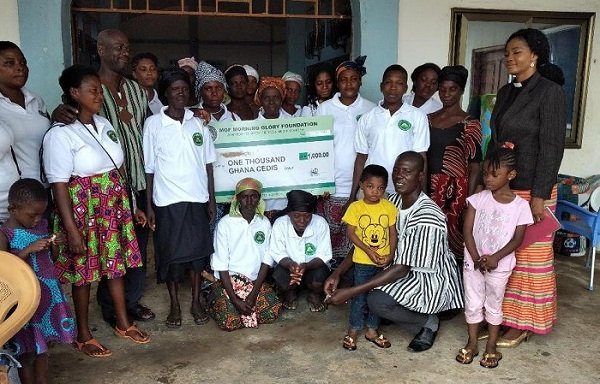
• Morning Glory Foundation beneficiaries in a group photograph
Morning Glory Foundation (MGF), a non-profit Christian organisation has donated GHC 1, 000. 00 each to 15 needy widows, including an 87-year-old woman at a ceremony at Dabala, in the South Tongu District of the Volta Region.
The octogenarian, Madam Deborah Viletor, had given birth to seven children but unfortunately lost all of them, with her last surviving child buried this year.
The gesture which formed part of MGF’s second -year of donating to support needy widows and single parents in the society, was also used to provide a two-day entrepreneurial skills training for over 300 female residents atDabala and its environs.
The training include making of pastries, producing liquid soap, local drinks, detergents and arrangement of beads to make them self-reliant.
The trainees were drawn from Dabala, Dabala Junction, Klikpo, Agavey, Deme, Agboglah, Hleve and Agordomey, all in the Agave Traditional Area.
The founder and leader of MGF, Rev Davida Matti-Atapka, said the foundation was started to support poor widows who were left unaided but compelled to toil and cater for their children.
She said it was unfortunate that most of the widows were subjected to inhumane treatment following the death of their husbands, including expulsion from their matrimonial homes.
The founder disclosed that it was incumbent on society to ensure that people received love, the best of treatment, care and support to make them comfortable.
According to Rev Matti-Atakpa, it was refreshing to note that a few days after the training session,some of the trainees had commenced making use of the skills they had acquired.
The Queen of Agave Traditional Area, Mamaga Kakator Agarll, asked the participants to take the skills training they had acquired seriously because elsewhere, others had to pay much for such training opportunities, adding that those who had received financial support from MGF should put the money to good use to enable them educate their children.
She thanked MGF for coming to the aid of the residents in the community, and called on philanthropists andother groups to emulate them to bring development to the area.
History
Delving into the commencement of MGF, Rev Matti-Atakpa said on July 18, 2017 after she had breastfed her child at dawn, she felt a tap on her shoulder with the accompanied words, “Just as you have fed your child with undiluted milk, so must you feed my sheep with the unadulterated word of God each dawn.”
She said this literally gave birth to the formation of MGF with the sole aim of propagating the word of God, but thiswas later extended to caring for widows and single parents.
By Raymond Kyekye


A nine-member board for the New Times Corporation (NTC), publishers of The Ghanaian Times and The Spectator newspapers was sworn into office on Thursday with a call to strengthen the governance of the Corporation.![Dr. Binka (seated second from right) with Dr Okpoti [right] the board and Management of NTC photos Okai Elizabeth.](https://spectator.com.gh/wp-content/uploads/2026/08/Dr.-Binka-seated-second-from-right-with-Dr-Okpoti-right-the-board-and-Management-of-NTC-photos-Okai-Elizabeth-1024x683.jpg)
The new NTC board is chaired by Dr Charity Binka and has Very Rev. Helena Amma Serwah Opoku-Sarkodie, Mr Tito Kojo Voegborlo Esq and Naana Aklerh Amenyah Kubi I as members. Read More
SKIP THE QUEUE, TAP THE NEWS
You can now read the Ghanaian Times and The Spectator newspapers from the comfort of your device via TimesNewsPlus.
Join our WhatsApp Channel: https://whatsapp.com/channel/0029VbBElzjInlqHhl1aTU27
Christians have been urged to demonstrate a living faith in Jesus Christ by allowing their confession of Him as Lord and Saviour to reflect in their daily lives.
According to the Kaneshie District Pastor of the Evangelical Presbyterian Church, Ghana (EPCG), Rev. Dzidzor Nathaniel Affram, a genuine Christian’s confession should go beyond words and be demonstrated through obedience to God, love for others and service to the Church.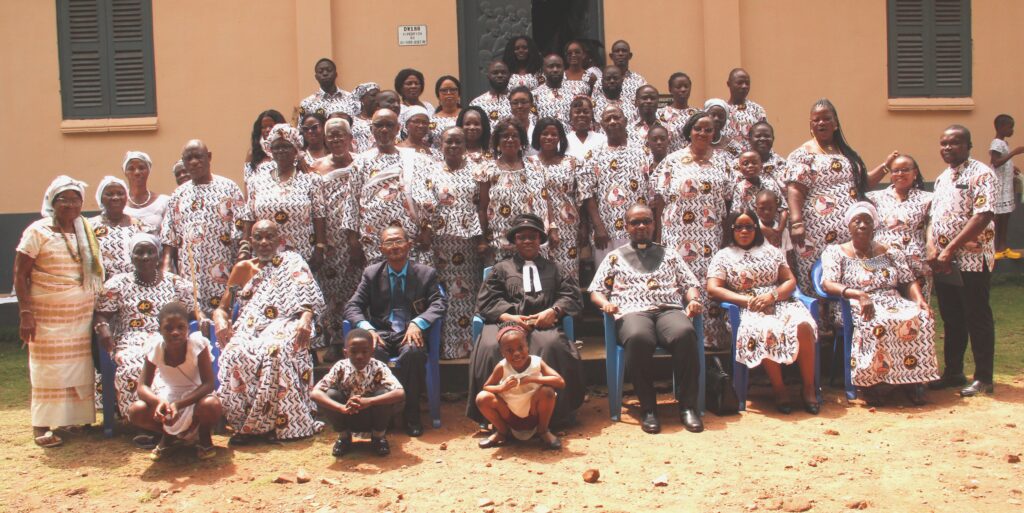
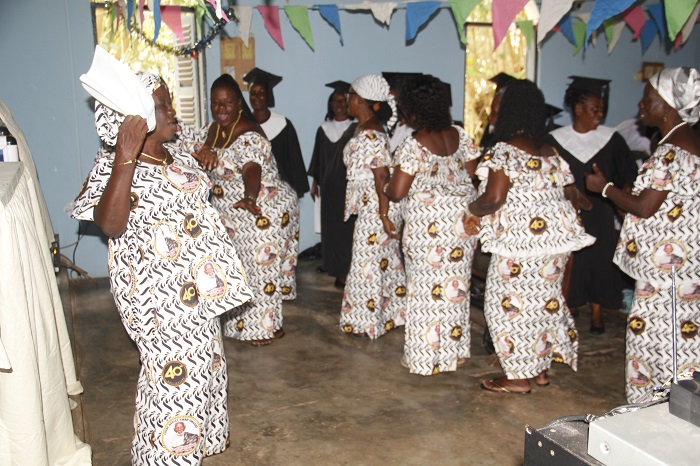
He made the call at the 40th anniversary remembrance service for the late Wesley Kwasi Kwadzo at the Evangelical Presbyterian Church, Ghana, Maranatha Congregation at Awudome Avenui in the Volta Region.
Speaking on the theme, “The Church Built on a Living Confession,” Rev. Affram said life would continually present challenges capable of testing Christians’ faith, making it necessary for believers to hold firmly to their confession that Jesus Christ is Lord.
He explained that accepting Jesus Christ as Lord and Saviour required Christians to live according to His teachings, stressing that their faith must be evident in their conduct.
“A living confession listens to God and not man,” he said, urging Christians to remain obedient to God even when faced with difficulties and pressures.
Rev. Affram further encouraged the congregation to care for vulnerable people and demonstrate concern for others, adding that such acts were practical expressions of Christian faith.
He also urged Christians to identify and use their God-given gifts to build the Church.
He said every member of the Church had a role to play and cautioned Christians against looking down on others because of their status or abilities.
The remembrance service brought together family members, friends, members of the congregation and sympathisers to commemorate the 40th anniversary of the late Wesley Kwasi Kwadzo.
By Lizzy Okai