Health Essentials
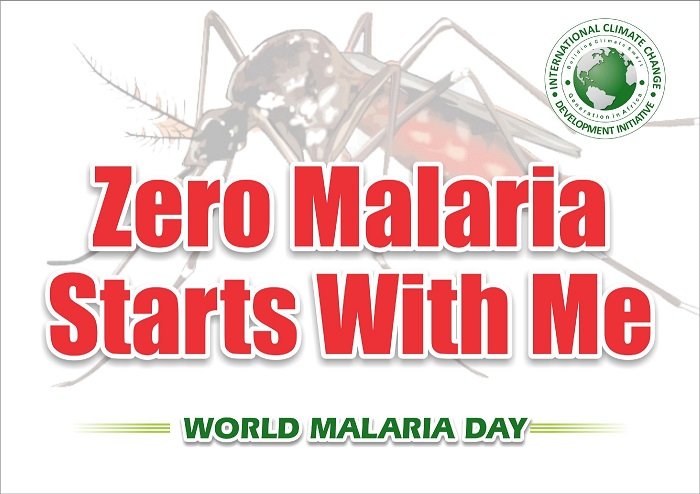
Achieving a zero-malaria society through innovation

- /home/u249204778/domains/spectator.com.gh/public_html/wp-content/plugins/mvp-social-buttons/mvp-social-buttons.php on line 27
https://spectator.com.gh/wp-content/uploads/2022/04/Malaria-Pix.jpeg&description=Achieving a zero-malaria society through innovation', 'pinterestShare', 'width=750,height=350'); return false;" title="Pin This Post">
- Share
- Tweet /home/u249204778/domains/spectator.com.gh/public_html/wp-content/plugins/mvp-social-buttons/mvp-social-buttons.php on line 72
https://spectator.com.gh/wp-content/uploads/2022/04/Malaria-Pix.jpeg&description=Achieving a zero-malaria society through innovation', 'pinterestShare', 'width=750,height=350'); return false;" title="Pin This Post">
Malaria for centuries has been so common in our part of the world that people tend to associate any form of fever or “bitter taste in mouth” or even general feeling of not being well with malaria. Everyone seems to be an authority on diagnosing and treating malaria and the result is quite often not malaria at all that the person may be suffering from. Who can blame the numerous “malaria consultants”? The disease has caused so much menace in Ghana that it qualified as one of the six childhood killer diseases. Malaria is caused by a parasite of the genus plasmodium. The parasite is transmitted to humans through mosquito (female anopheles) bites.
According to the World Health Organisation, Ghana’s malaria interventions over the years have yielded some positive impact; fewer people keep dying from malaria. 308 deaths were recorded in 2020 compared with 1,264 in 2016. Malaria related deaths also recorded eight people dying from malaria each day in 2016 whilst only one person died from malaria every day in 2020. These figures should make us proud of how far we have come but that shouldn’t make us complacent. This is because, people are still dying from malaria despite the measures put in place to eradicate it.
This year, the World Health Organisation is calling for investments and innovation that bring new vector control approaches, diagnostics, antimalarial medicines and other tools to speed the pace of progress against malaria. Hence the theme “Harness innovation to reduce the malaria disease burden and save lives.”
It is heart-warming to note that a vaccine for malaria is now available and is being tried on a pilot basis in many countries including Ghana, but more has to be done. “Boosting investments in the development and deployment of a new generation of malaria tools is key to achieving the 2030 global malaria targets. Future progress in the fight against malaria will likely be shaped by technological advances and innovation in new tools, such as new vector control approaches, improved diagnostics and more effective antimalarial medicines.”
Prevention of Malaria
- Vector control is crucial – prevent the mosquito from biting.
- Dress appropriately to cover body during peak times of mosquito bites – that is from dusk to dawn.
- Clear pools of water etc.
- Sleep under insecticide-treated mosquito nets (ITN)
- Indoor spraying with residual insecticides etc
- Certain category of people may require antimalarial prophylaxis (low dose antimalarial medicines to prevent malaria)
- It is recommended that pregnant women in endemic areas after the first three (3) months of pregnancy should be given scheduled (intermittent) preventive treatment.
People at a higher risk
About half of the world’s population is at risk but the following are at a higher risk:
- Young children in malaria endemic areas because they have not yet developed protective immunity
- Pregnant women – may lead to miscarriage and even maternal death
- People with HIV/AIDS
- Travellers from non-endemic areas because they lack immunity.
- Immigrants from endemic areas and their children living in non-endemic areas who visit their home countries. They are at risk because of waning or absent immunity.
Remember to see the doctor if you have the following symptoms:
- Fever
- Chills
- General feeling of discomfort
- Headache
- Nausea and vomiting
- Diarrhoea
- Abdominal pain
- Muscle or joint pain
- Fatigue
- Rapid breathing
- Rapid heart rate
- Cough
There is a growing trend of the sale of herbal malaria medication at every corner of the country. Remember to test for malaria before using these medications and also remember to purchase your herbal medication from trusted sources. For the sake of your kidney and liver health, follow the instructions on given any medication you would take to cure malaria.
Remember that Malaria is curable and preventable. Together we can work to have a zero-malaria country.
Refrences:
- www.healthessentialsgh.com
- ww.mayoclinic.org
- www.who.int
Written by:
Augustina Otema Amarh and Maureen Masopeh
Content Creators
Health Essentials Limited



These last few months of 2026, I am embarking on a new journey. Over the past several months I have tried out some aspects of my “new way of life” but not in the manner I am doing now and I am sure you are doing same too. Draft your own points based on what is important to you and let us begin the journey together. It is never too late.
Many of the things I am working on now are guided by years of interaction with different people, what may be my purpose in my opinion, great family and friends and the type of wisdom that comes only with years.
- Self-Care
Quite often we try to take care of everything and everyone without ensuring we are appropriately “charged”. There is nothing to give out if you are empty. Self-care is NOT a luxury and it has taken me years to appreciate this;
- I will add a new hobby I have been toying with.
- Surrounding myself with like-minded people who energise me, make me laugh and be the best version of myself. Building Social capital pays.
- I am spending quality time with God daily
- Spending time in nature is key and I ensure that I take much needed breaks
- Spending a few minutes a day to meditate, exercise and spoil myself sometimes
- I will have some hours each day that will be blocked out as “no phone time”
- Keeping a Goal Diary
Many people have described ways of putting down your goals and seeing them happen. My coach taught me the power of VISUALISATION but over the years I went off that golden path. It’s time to get back. This is what I am doing now;
- In a diary I am writing everything I want to be or do as long as I have breath. No pressure.
- I am writing in the present tense; “I am spending an amazing week in a 7-Star resort with the people I love the most”
- I will look at this list everyday
- Start a Gratitude Bank
I listened to this recently and though it was not referred to as a Gratitude Bank, I believe that is exactly what it is
- I picked a diary to write in but others choose a transparent container to drop in written points. Choose what you are comfortable with.
- At the end of each week I will write something(s) I am grateful for and put in the container.
- Whenever I feel “ungrateful” I will read through them to remind myself how blessed I am and surely I will be holding the “evidence”
- On December 31, I will go through the list irrespective of my mood.
- Practice. Practice. Practice
This is exactly as it is – whatever you have written out in your diary to do from self-care through your goals etc. prioritise or focus on a few at a time. As you practice e.g. meditating, exercising, eating right and the many great things you want to do, these will all GROW. Whatever you practice GROWS.
- Make the world a better place
I believe that we can make a difference in our corner no matter the challenges.
- That smile will change someone’s life
- An act of kindness is contagious and the giver, receiver and all those observing benefit immensely. Let us spread kindness.
- The Blood Bank on my mind for this year and beyond.
What are you focusing on, what are you practicing?
Do share your list with me via email.
AS ALWAYS LAUGH OFTEN, ENSURE HYGIENE, WALK AND PRAY EVERYDAY AND REMEMBER IT’S A PRICELESS GIFT TO KNOW YOUR NUMBERS (blood sugar, blood pressure, blood cholesterol, BMI)
Dr. Kojo Cobba Essel
Health Essentials Ltd/ Medics Clinic
(dressel@healthessentialsgh.com)
*Dr. Essel is a Medical Doctor with a keen interest in Lifestyle Medicine, He holds an MBA and is an ISSA Specialist in Exercise Therapy, Fitness Nutrition and Corrective Exercise. He is the author of the award-winning book, ‘Unravelling The Essentials of Health & Wealth.’
Thought for the week –“Never change your originality for the sake of others because no one can play your role better than you. So be yourself. You are the best.” – Unknown
References:
- Unravelling the Essentials of Health & Wealth; Dr. Kojo Cobba Essel
When it comes to cancer risk factors; ALL RISK FACTORS ARE NOT CREATED EQUAL. Someone may have several risk factors but remain perfectly fine while another may have only one or none yet end up with breast cancer or other cancers.
We cannot say with certainty that we can do all it takes to prevent cancer BUT we can do a lot to reduce our risk.
TEN (10) TIPS TO CANCER RISK REDUCTION
- Weight Control – being overweight or obese increases risk to SEVERAL cancers.
- Smoking – cigarette smoking predisposes one to several cancers including lung cancer. Other forms of air pollutants serve as risks too.
- Alcohol – limit intake or avoid. It has the power to expose one to several cancers as well especially when we can’t apply brakes to how much we consume.
- Healthy Eating
- Limit intake of processed food and sugar
- Limit intake of red meat
- Fruits and vegetables should be a mainstay of our diet.
- An antioxidant rich food like cocoa should be part of our food. The purer the cocoa, the better
- Fibre in your food is crucial.
- Exercise – on its own reduces risk for breast and colon cancers directly and many others through weight control.
- Also increases immunity.
- Cancer Screening – be regular so cancers can be detected early and managed aggressively.
- Vaccinations – take vaccines where needed e.g. Hep B vaccine or vaccine against HPV (human papilloma virus accounts for the majority of cervical cancers)
- Know your Family History
- Anyone in your family with a cancer? Necessary to be on your guard but also remember that you may be the first person in your family with a particular cancer.
- Start your family early and breast feed for as long as possible to reduce risk of breast cancer.
- Check exposure to Ultraviolet Light and other forms of radiation. Protect your skin.
- Practice SAFE SEX
- HPV infection leading to cervical cancer is commoner when one is exposed to sex early, directly or indirectly has multiple partners but NOT everyone follows this rule. As in many situations, outliers do exist.
- Conditions such as HIV/AIDS may suppress your immune system if not managed appropriately.
Do add two (2) others of your choice and send to me via email. Together we can protect ourselves.
Will treating H. Pylori infections be a game changer too?
ALWAYS remember that CANCER PREVENTION HAS NO QUICK FIX – we need to follow these points over and over.
AS ALWAYS LAUGH OFTEN, ENSURE HYGIENE, WALK AND PRAY EVERYDAY AND REMEMBER IT’S A PRICELESS GIFT TO KNOW YOUR NUMBERS (blood sugar, blood pressure, blood cholesterol, BMI)
Dr. Kojo Cobba Essel
Health Essentials Ltd/ Medics Clinic
(dressel@healthessentialsgh.com)
*Dr. Essel is a Medical Doctor with a keen interest in Lifestyle Medicine, He holds an MBA and is an ISSA Specialist in Exercise Therapy, Fitness Nutrition and Corrective Exercise. He is the author of the award-winning book, ‘Unravelling The Essentials of Health & Wealth.’
Thought for the week – “WHERE YOU LIVE SHOULD NOT DETERMINE IF YOU LIVE.”- WHO
By Dr. Kojo Cobba Essel