News
3 institutions collaborate to improve communication for individuals with non-standard

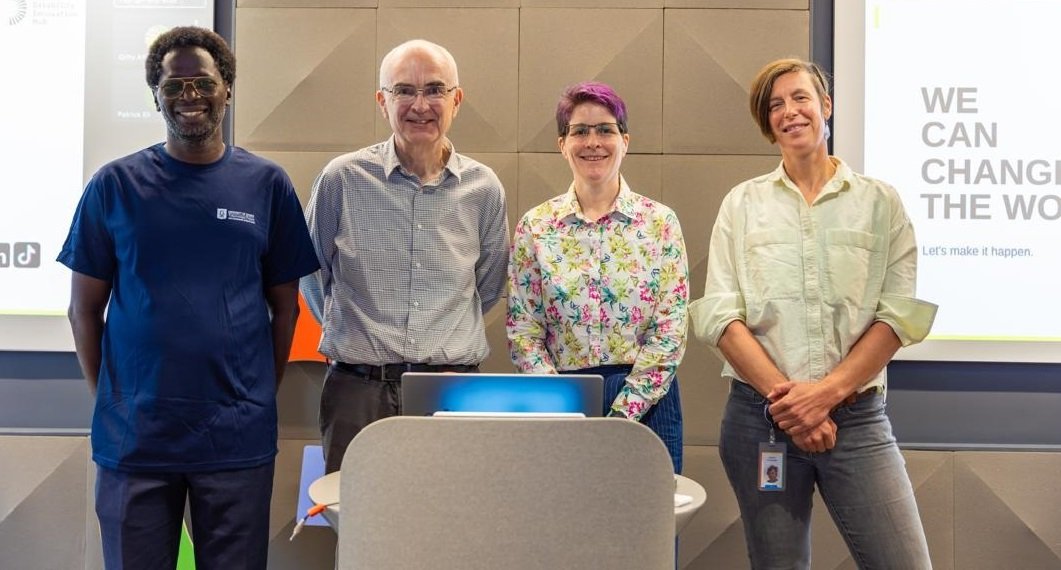
Prof Wiafe (left) with other speakers at the event
The University of Ghana (UG), Google Research Africa, and University College of London (UCL)’s Global Disability Innovation Hub (GDI Hub) have collaborated on an AI-based initiative to improve communication for individuals with non-standard speech patterns in Ghana.
Known as ‘tekyerema pa’ (Good Tongue) project, it aims to address the gap faced by many individuals with non-standard speech due to conditions like cerebral palsy, Amyotrophic Lateral Sclerosis (ALS) stroke, Down’s syndrome, or parkinson disease
ALS is a rare, fatal disease that causes the progressive loss of nerve cells in the brain and spinal cord that control voluntary muscle movement.
The project is supported by a $40,000 grant from Google with research expertise from UCL’s GDI Hub provided through the AT2030 programme.
At a media briefing in Accra on last Friday, Prof. Isaac Wiafe, Project Lead and an Associate Professor, University of Ghana, said the project was focused on improving AI-powered speech recognition technology for five major Ghanaian languages, marking a significant step in making communication more inclusive for all.
The five Ghanaian languages were Akan, Ewe, Ikposo, Dagaare and Dagbani.
He explained that current software programmes or hardware devices that converts spoken words into a readable text format known as Speech Recognition Technologies often struggle to accurately interpret.
Prof. Wiafe said “we are thrilled to lead this important initiative, which reflects our commitment to using technology to solve real-world challenges.
By developing localised AI solutions, we can ensure that more Ghanaians have the opportunity to communicate effectively, regardless of their speech patterns.”
A Senior Research Scientist, Google Research, Katrin Tomanek, said the project reflected Google’s ongoing commitment to supporting AI research in Africa and ensuring that technological advances benefit everyone, regardless of how they speak.
She said the project builds on continuous research in making Automatic Speech Recognition (ASR) more accessible with the hope of using the insights from their work in project Euphonia to help local researchers create Automatic Speech Recognition (ASR) models for local languages.
She said the collaboration will not only benefit individuals in Ghana but also provide valuable insights for global AI development adding, that it will lay the foundation for future language models and collection in Africa.
By Jemima Esinam Kua





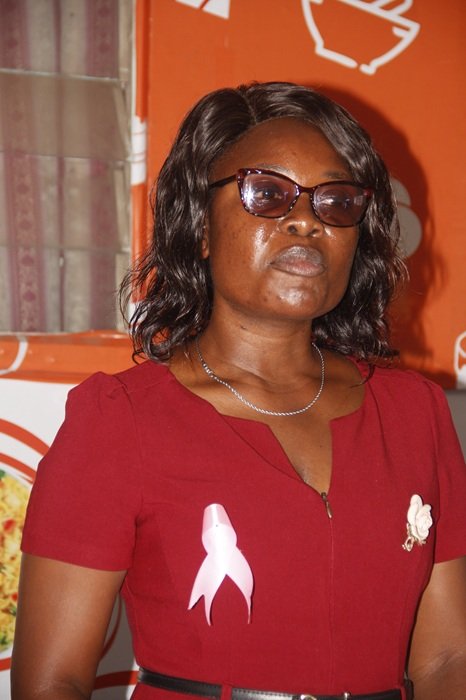
Medical Doctor and dietician, Dr Bernice Korkor Asare, has urged women to take greater responsibility for their lifestyle choices, particularly their eating habits and levels of physical activity, to help reduce their risk of developing breast cancer.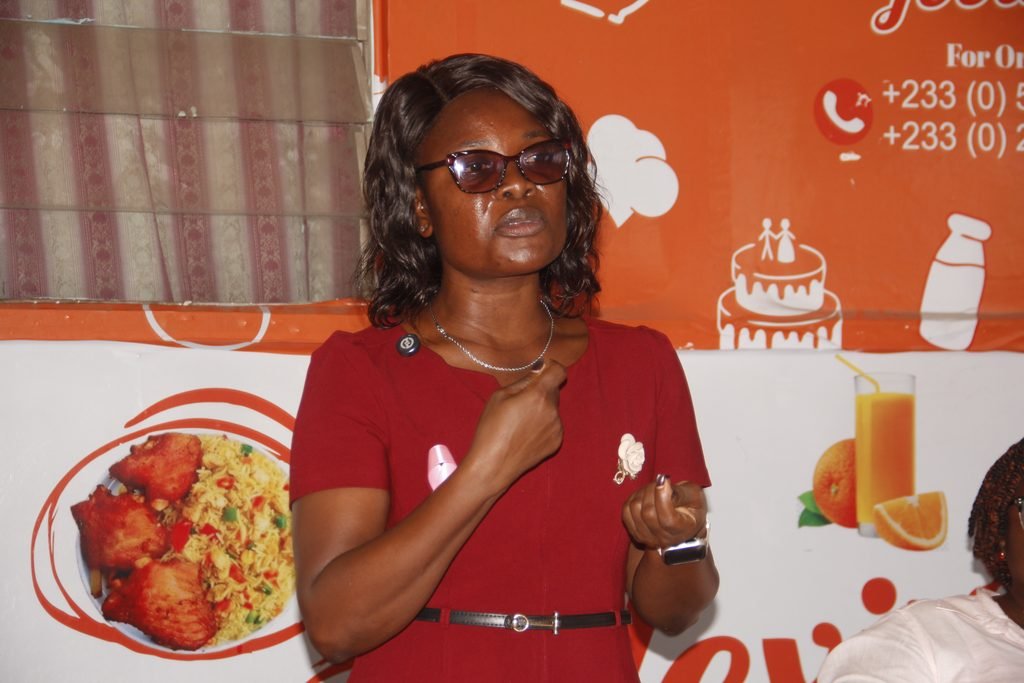
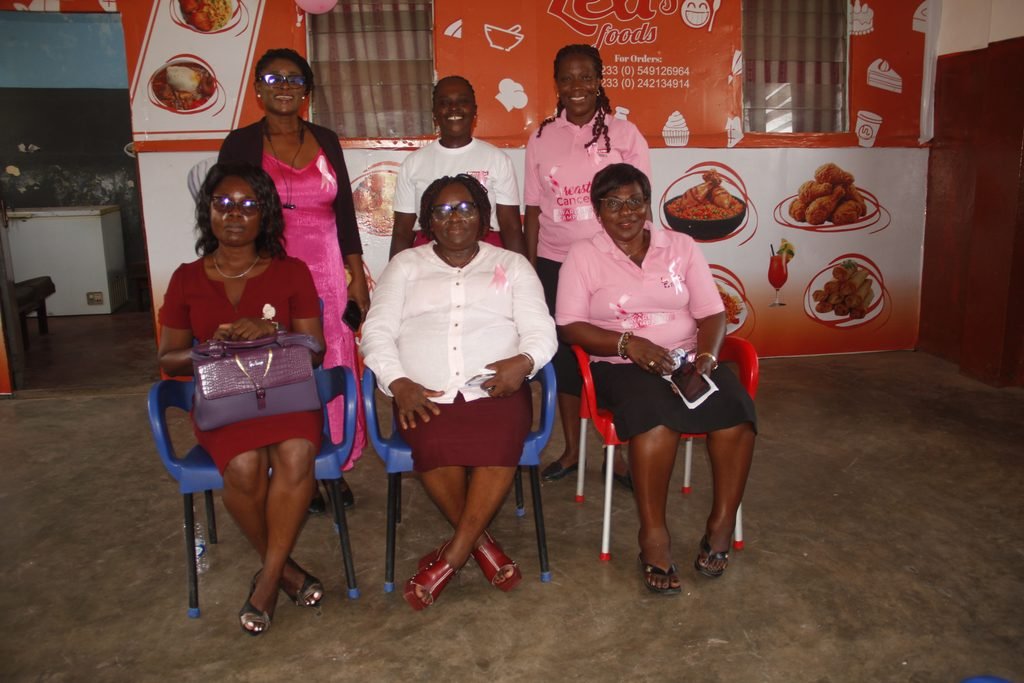
According to her, although, some breast cancer risk factors, such as family history and certain reproductive factors, may not be within an individual’s control, lifestyle choices offer an opportunity for people to take preventive action.
She made this known during a talk on the topic: “Role of diet in breast cancer prevention” organised by Times Ladies Association of the New Times Corporation, publishers of The Ghanaian Times and The Spectator, in Accra on Thursday.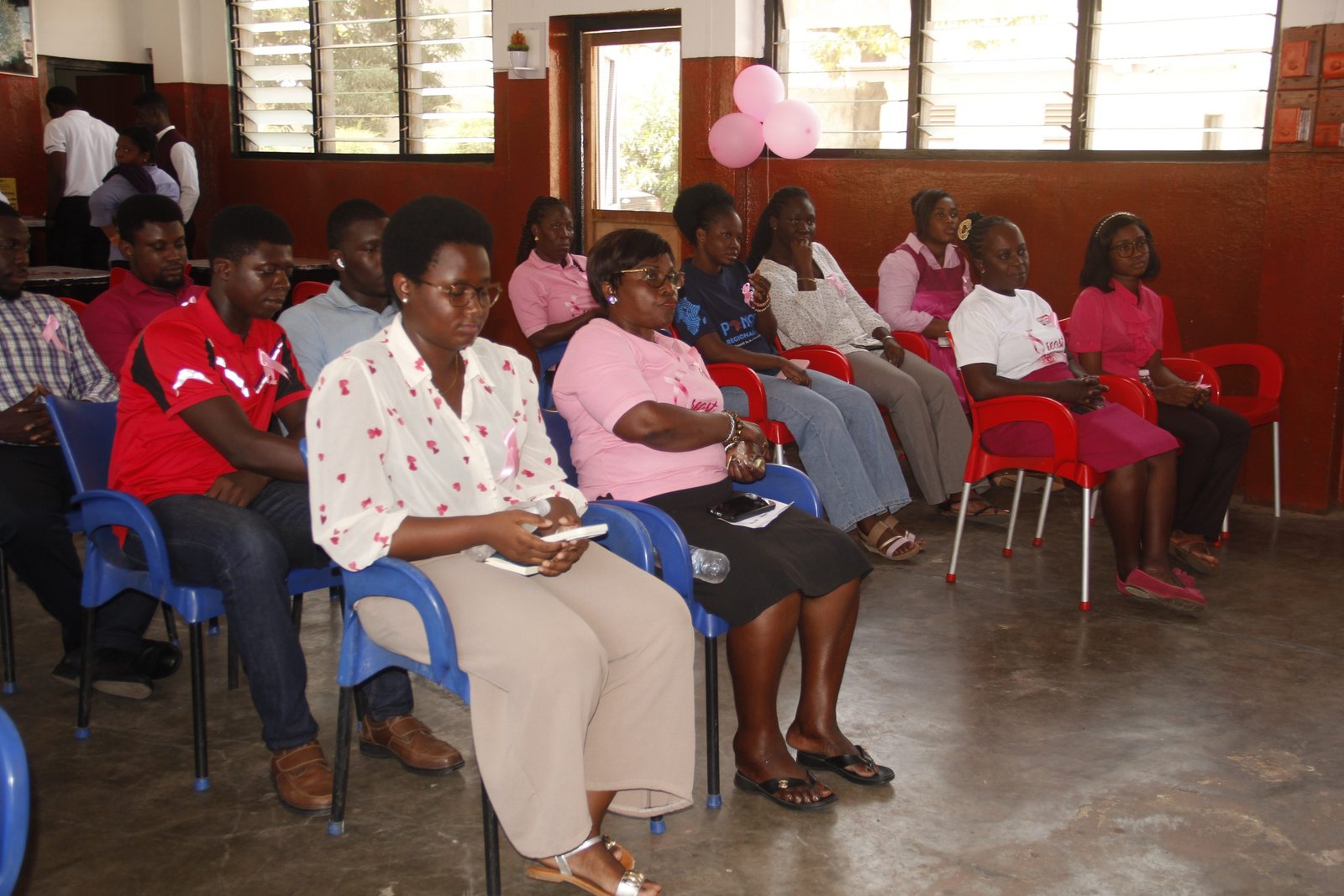
The event themed “Breast Cancer Awareness- Promoting Early Detection, Healthy Eating and Prevention.” 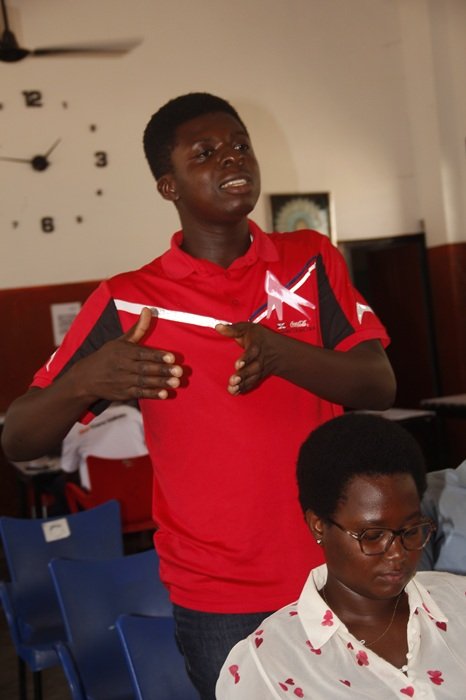
She noted that having a risk factor did not automatically mean a person would develop breast cancer, but could increase the likelihood of developing the disease compared with someone without that particular risk factor.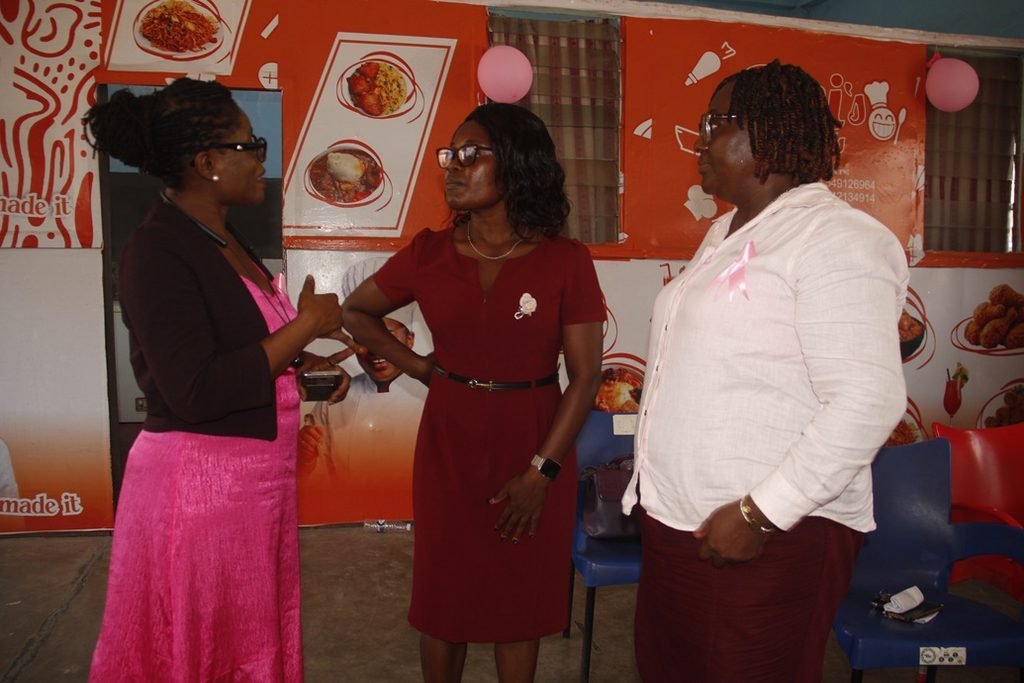
“Having close relatives who have had breast cancer, particularly a mother, sister or daughter, may increase the risk, although not everyone with a family history will develop the disease,” Dr Asare opined. Read More.
By Adizatu K. Munkaila
SKIP THE QUEUE, TAP THE NEWS
Read Daily News
You can now read the Ghanaian Times and The Spectator newspapers from the comfort of your device via TimesNewsPlus.
Buy Maps
Join our WhatsApp Channel: https://whatsapp.com/channel/0029VbBElzjInlqHhl1aTU27
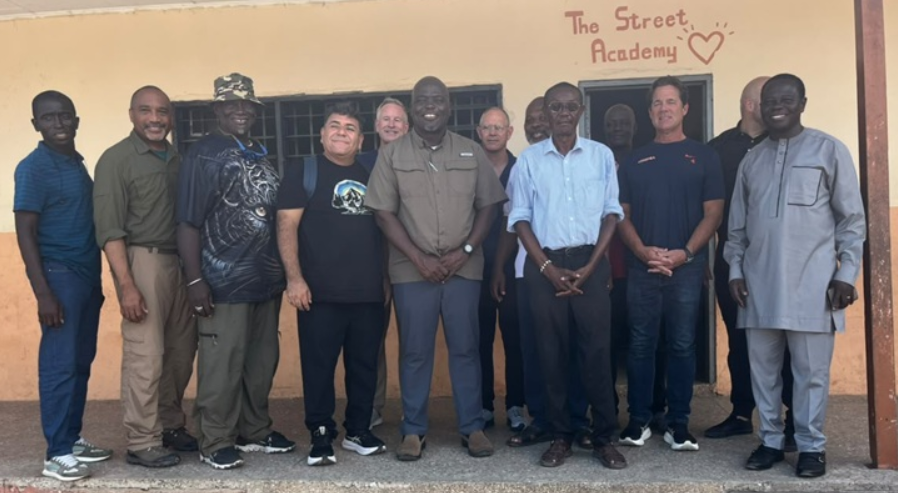
A group of compassionate friends from Innovation Gospel Impact last Friday visited the management, teachers and learners of the Street Academy in Accra.
The visit was to interact to get a deeper insight into the operations of the Academy that houses hundreds of street and underprivileged children and find ways to support them.
The team was led by Rev. Dr Isaac Apenteng Yeboah, a former Director for West African Mailbox Club and Director for Prisons Support Foundation, and Rev. Dale Sutherland from Washington DC.
The call, according to the visitors was occasioned by reports about the struggles of the Academy despite the occasional support it enjoys from individuals and some corporate entities.
Briefing them, the Founder and Executive Director of the Academy, Dr Ataa Lartey, thanked them for the concern showed, indicating that “this is a major boost for both teachers and learners; knowing that their plight is known by people outside their premises.”
According Dr Lartey, the Academy had planned to undertake a number of project to enhance teaching and learning and also procure facilities for the children with keen interest in sports but had to shelve those plans for lack of finance.
He told the team that their biggest concerns were the monthly utility bills that takes a toll on their finances.
“We have a piece of land we planned to turn into an astro turf pitch to train the younger ones whose interests lies in making a career out of football, however, we have been unable to commence because there is no money now,” he said.
Dr Lartey expressed gratitude to the teachers who have dedicated their lives to training these children, rather than going for well-paying jobs and hoped that with time, their conditions of engagement would improve.
Moved by the plight of the Academy, the group donated a cash amount of Gh₵3,000 to settle its water bills.
They described as unfortunate the conditions of learners and teachers of the Academy and pledged to continuously support their operations to realize the dream to build a better future for the unfortunate children.
The group offered to support the school with its monthly utility bills, feeding and staff allowance and urged the Academy staff to remain in constant touch with them.
The Street Academy is located at the Accra Art Center and offers brilliant but needy the chance to pursue their educational dreams by enrolling them in public schools with others offered training in sports and cultural activities.
By Spectator Reporter
SKIP THE QUEUE, TAP THE NEWS
You can now read the Ghanaian Times and The Spectator newspapers from the comfort of your device via TimesNewsPlus.
Join our WhatsApp Channel: https://whatsapp.com/channel/0029VbBElzjInlqHhl1aTU27