News
Traditional postpartum practices can cause Type 2 diabetes — Medical Doctor


- /home/u249204778/domains/spectator.com.gh/public_html/wp-content/plugins/mvp-social-buttons/mvp-social-buttons.php on line 27
https://spectator.com.gh/wp-content/uploads/2026/08/Dr-Elliot-Koranteng-Tannor-720x600.jpg&description=Traditional postpartum practices can cause Type 2 diabetes — Medical Doctor', 'pinterestShare', 'width=750,height=350'); return false;" title="Pin This Post">
- Share
- Tweet /home/u249204778/domains/spectator.com.gh/public_html/wp-content/plugins/mvp-social-buttons/mvp-social-buttons.php on line 72
https://spectator.com.gh/wp-content/uploads/2026/08/Dr-Elliot-Koranteng-Tannor-720x600.jpg&description=Traditional postpartum practices can cause Type 2 diabetes — Medical Doctor', 'pinterestShare', 'width=750,height=350'); return false;" title="Pin This Post">
Traditional postpartum practices that keep nursing mothers indoors to eat excessively, gain weight and ‘look good’ could increase their risk of developing type 2 diabetes and hypertension, a medical doctor has cautioned.
The practice, which is intended to help mothers recover from childbirth and regain their strength, encourages women to eat more while engaging in little or no physical activity.
According to Dr Elliot Koranteng Tannor, a Consultant Nephrologist at the OKomfo Anokye Teaching Hospital and Founder of Kidney Health International, excessive calorie intake coupled with physical inactivity after childbirth could result in continuous weight gain, particularly when mothers fail to shed pregnancy-related weight before subsequent pregnancies.
He said although pregnancy naturally resulted in weight gain to support the growth and development of the baby, some of the weight should gradually reduce after delivery as the baby and placenta were no longer in the mother’s body.
Dr Eliot said the problem comes when nursing mothers were encouraged to eat excessively on the assumption that they needed large quantities of food to produce sufficient breast milk.
He said while mothers needed adequate nutrition during breastfeeding, excessive eating without corresponding physical activity could result in a cycle of weight gain.
He illustrated that a woman who gained 4kg during her first pregnancy but failed to lose it, and subsequently gain the same after delivery, could enter her next pregnancy carrying eight additional kilogrammes.
The doctor cautioned that repeated weight accumulation could increase the risk of diabetes, hypertension and other cardiovascular conditions.
He urged families to change the perception that a woman must become visibly bigger after childbirth to prove that she was healthy and well cared for.
He added that the three-month period before the naming ceremony should instead be used to support mothers to recover healthily, eat balanced meals and gradually become physically active.
Dr Eliot recommended brisk walking and other appropriate physical activities after mothers had adequately recovered from childbirth.
He said mothers who had undergone Caesarean sections should allow their bodies to heal and follow medical advice before engaging in strenuous exercise, but simple walking could eventually form part of their recovery.
“A nursing mother does not go anywhere. You are on maternity leave, you are just sitting at home, eating, breastfeeding and sleeping. Obviously, your chances of gaining more weight increase,” he said.
He advised mothers to monitor their weight and blood sugar, particularly women with a family history of diabetes or those who had experienced gestational diabetes during pregnancy.
Dr Elliot explained that gestational diabetes could improve after delivery, but some women continued to have elevated blood sugar and could subsequently develop diabetes.
He therefore urged families to support nursing mothers with nutritious food without pressuring them to overeat, stressing that a mother did not need to become visibly heavier for people to recognise that she was healthy.
The doctor also advised mothers to maintain a healthy weight between pregnancies, saying preventing excessive weight accumulation could reduce their long-term risk of diabetes and hypertension.
He said cultural practices could be maintained as part of Ghanaian family life, but they should not compromise the health of mothers who had just gone through pregnancy and childbirth.
From Ama Tekyiwaa Ampadu Agyeman, Koforidua

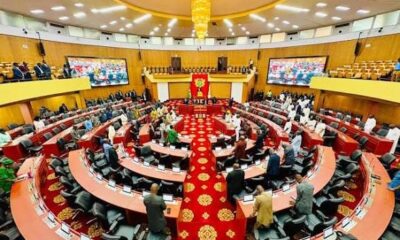



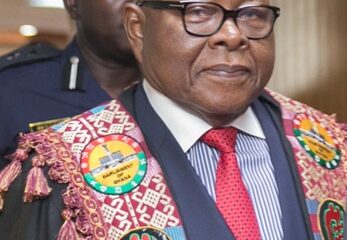



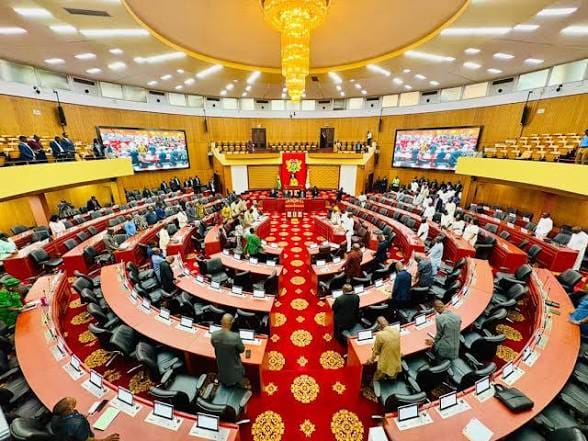
Parliament has clarified public commentary on social media regarding a notice on its notice board that read “No Vacancy for National Service Personnel 2026/2027. Kindly go for reposting.”
In a statement, signed by the Director of Media Relations, David Sebastian Damoah, Parliament said the notice has been misconstrued and was not a policy statement, a freeze on national service placements, or a change in its support for the National Service Scheme.
According to Parliament, the notice was a routine administrative message to prospective personnel who reported to the House, informing them that it has received more personnel than it can accommodate for the 2026/2027 service year and that they should seek reposting to other institutions.
It said it remains committed to the National Service Scheme and values the contribution of service personnel to its work, and regrets any confusion or inconvenience the wording may have caused.
By Edem Mensah-Tsotorme
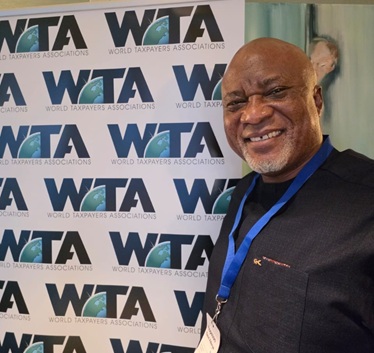
Ghanaian public advocate Hopeson Yaovi Adorye has been elected to the Board of Directors of the World Taxpayers Association (WTA).
The election took place on Sunday, October 5, 2026, during the Association’s conference in Kraków, Poland.
His election marks a significant addition to his international leadership portfolio and provides a platform for Ghanaian and African perspectives to contribute to global discussions on taxpayer rights, responsible taxation, transparency and prudent management of public resources.
Reacting to his election, Mr. Adorye expressed appreciation to the leadership and members of the WTA for the confidence reposed in him.
“I am deeply honoured by this confidence and conscious of the responsibility that comes with it. Taxpayers are at the heart of every economy, and they deserve fairness, transparency, accountability and value for the taxes they pay. I look forward to working with colleagues from across the world to strengthen the voice of taxpayers and promote responsible fiscal governance,” he said.
According to him, taxation should not be viewed solely as a mechanism for raising government revenue, but also as an important component of the social contract between citizens and the state.
Mr. Adorye said governments have a responsibility to ensure taxes are collected fairly and public resources are utilised efficiently to deliver quality infrastructure, healthcare, education, security and other essential services.
His election also creates an opportunity to bring African experiences into international conversations on taxation and public expenditure.
Mr. Adorye, who is Executive Director of Taxpayers League Ghana, has previously served as Global Board Chairman of the International Youth Network for UN Security Council Resolution 2250, an NGO associated with the United Nations Economic and Social Council (ECOSOC).
He is expected to use his new role to champion fiscal accountability, taxpayer education, good governance and stronger citizen participation in public financial management.