News
Transforming diabetes care: One blue point at a time

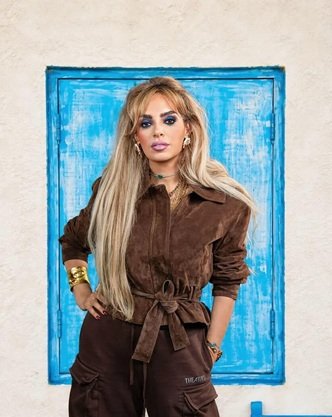
On World Diabetes Day , I think about what access to diabetes care means for a person living far from a capital city. Who will recognise their risk? Who will diagnose their condition early? Who will help them manage it, prevent complications and understand the changes they need to make in their daily lives?
Awareness is essential. But awareness must be supported by healthcare professionals who have the knowledge and skills to turn that understanding into effective care.
At Merck Foundation, we bring these priorities together. Through medical education, active partnerships and creative community awareness, we are helping transform the diabetes care landscape across Africa and Asia—one blue point at a time.
Every Blue Point Represents a Person
Our signature Diabetes and Hypertension Blue Points Program has provided more than 970 scholarships to healthcare providers from 52 countries.
Each blue point on our map represents a healthcare provider who has graduated through our scholarships. Behind that point is a person equipped with specialist knowledge, ready to apply it in the service of their community.
Our ambition has always extended beyond capital cities and major urban centres. We want these blue points to reach more regions, districts, towns and villages, bringing expertise closer to rural and underserved populations.
Our vision is to turn the whole country blue.
For me, this means building a nationwide network of trained healthcare providers, so that more people can access knowledgeable care closer to home.
Caring for the Whole Person
Diabetes care requires us to look beyond blood sugar alone.
Hypertension, cardiovascular risk, obesity, nutrition and hormonal health can all shape a person’s health and care needs. Healthcare professionals need the expertise to recognise these connections and respond to the whole person.
This is why our scholarships encompass Diabetes, Endocrinology, Cardiology, Cardiovascular Preventive Care, Obesity & Weight Management, and Clinical Nutrition, alongside our Clinical Diabetes and Hypertension Fellowship Programme.
Through one-year online postgraduate diplomas, two-year master’s degrees and one-year onsite clinical fellowships, we support complementary areas of expertise that strengthen prevention and patient care.
Our aim is to help healthcare providers identify risks earlier, guide healthier lifestyles, manage disease effectively and address the factors that can lead to serious complications.
Partnerships That Bring Expertise Closer to Communities
Lasting change requires strong local partnerships.
Together with our partners, the First Ladies of Africa and Asia, Ministries of Health, medical societies and academic institutions, we work to expand access to relevant medical education and respond to local healthcare priorities.
Our Ambassadors, the First Ladies bring advocacy and visibility to these efforts. Ministries of Health and professional societies contribute essential knowledge of national needs and gaps in healthcare capacity. Academic and clinical partners provide the education through which healthcare professionals develop their expertise.
These contributions reinforce one another. They connect training opportunities with the communities that need stronger care.
Taking Health Knowledge Beyond the Clinic
Even the best clinical expertise needs an informed community around it.
People need to understand why screening matters, how everyday habits affect their health, and when to seek professional advice. Health information must be accessible, engaging and relevant to their lives.
Alongside our healthcare training, Merck Foundation works with media professionals, artists, musicians, filmmakers and other creative voices to bring health messages into homes, schools and public conversations.
Our songs, “No More Sugar” and “Life Is Sweeter Without Sugar,” encourage healthier lifestyles through music. Our children’s storybooks, “Sugar-Free Jude” and “Mark’s Pressure,” also adapted into animated films, help introduce health messages to young audiences and their families.
Through our television programme, Our Africa by Merck Foundation, we bring health and social issues to wider audiences. Our health media training and healthy lifestyle awareness awards of media , song , film and fashion encourage journalists and creative communities to communicate responsibly and use their talents to deliver health awareness messages and support healthier lifestyle in their communities.
Each format offers a different opportunity to reach someone: a child watching an animation, a family listening to a song, a viewer following a television discussion, or a reader learning from a journalist’s story.
A Complementary Strategy for Lasting Impact
What gives this approach its strength is the connection between its parts.
Medical education strengthens the care available. Community awareness helps people understand and seek that care. Partnerships connect both efforts to local priorities. Creative storytelling helps health messages travel further.
This multisectoral approach is central to Merck Foundation’s contribution. It brings healthcare, education, government, media and the arts together around a shared purpose.
We are investing in the people who provide care and the people who need it.
A Legacy That Lives Through Others
Some of the most meaningful milestones in our wider capacity-building work are the first specialists we have helped train in countries , counties , cities or villages where that expertise was previously absent or extremely limited.
These achievements carry a profound responsibility. A scholarship can help a healthcare professional begin a journey that brings new knowledge into a hospital, strengthens a service in a town, mentors colleagues or makes expertise more accessible to surrounding villages.
This is history in the making through the work of our alumni and partners.
Our legacy will be carried forward by the healthcare providers who continue to serve, share knowledge with colleagues and care for future generations of patients.
On World Diabetes Day, I thank our Ambassdor’s , the First Ladies of Africa and Asia , Ministries of Health, medical societies, academic partners, alumni and creative communities for their commitment to this shared vision.
Every blue point represents knowledge. Every graduate carries the possibility of better care. Together, we are helping transform the diabetes care landscape across Africa and Asia—one blue point at a time.
By Senator Prof. Dr. Rasha Kelej, CEO of Merck Foundation

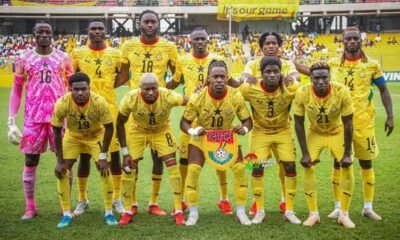




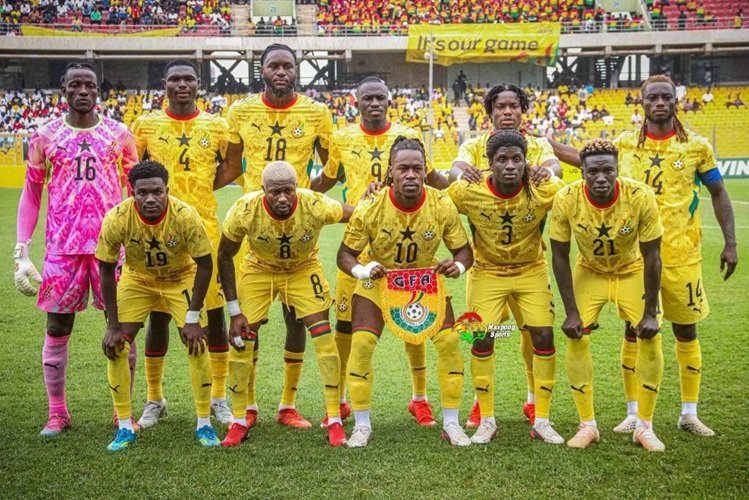
Ghana face Somalia again in the 2027 Africa Cup of Nations qualifier, the second game in the space of four days with the Black Stars looking to complete the double and take six points from the camp.
Ghana won the reverse fixture 2-0 on Thursday at the Sekondi Stadium, after goals from Jonas Adjetey and Felix Afena-Gyan, and will be looking for a repeat performance on Monday to continue their surge up the standings.
The first game was a tale of two halves. Ghana survived an early scare when captain Jordan Ayew missed a penalty in the 13th minute, before Adjetey scored his first international goal just before half-time. Afena-Gyan sealed the win in the 62nd minute after a brilliant combination play between Thomas Partey, Jordan Ayew and Mohammed Kudus.
In the second half, Ghana were dominant. Kudus was a delight to watch, Partey, Caleb Yirenkyi and Abdul Fatawu Issahaku controlled affairs, and the Black Stars could easily have won by more. The win gave Ghana their first three points of the qualifying campaign after defeats to Cote D’Ivoire and The Gambia in their opening two games.
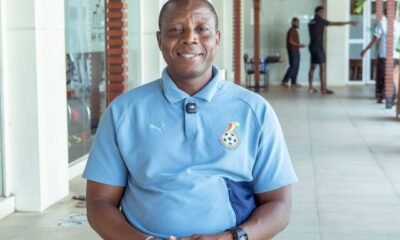
Head coach Kim Lars Bjorkegren may ring some changes to the team that played on Thursday. Caleb Yirenkyi hobbled off in the first game and is a doubt, while Thomas Partey is also a doubt for Monday’s return fixture.
Bjorkegren hinted at the pre-match press conference that there will probably be a couple of changes, with the players recovering well but with one more day to assess the squad.
If Partey and Yirenkyi miss out, the likes of Ibrahim Sulemana, Ibrahim Rash and Daniel Kofi Kyereh, who made his first major appearance since 2022 on Thursday could come into the side.
Brandon Thomas-Asante and Prince Adu Kwabena, who both came off the bench on Thursday, will also be pushing for a start as Ghana look to be more precise in the final third.
Kim LarsBjorkegren has been clear: the most important thing is to make sure Ghana take six points in this camp. Goal difference could be important in the end, but the focus is first on winning the game.
Ghana will be expected to start strong, keep the tempo high for 90 minutes, and be more dangerous in the final third, with more explosive runs into the box and more balls played forward.
Somalia, who now know Ghana better after Thursday’s game, will be looking to frustrate the Black Stars for as long as possible and hit on the counter. But Ghana’s second-half performance on Thursday showed total control, and the team will be confident of doing the same again.
A second win would give Ghana six points from six and put them in a strong position in the group, brightening their chances of making it to the next edition of the Africa Cup of Nations in Kenya, Tanzania and Uganda.
The belief is back after Thursday’s win. The fans in Takoradi were superb, cheering the team from start to finish, and the Black Stars will be looking to give them another night to celebrate on Monday. The match is scheduled for 3pm kick off at the Sekondi Sports Stadium.
GFA Communications
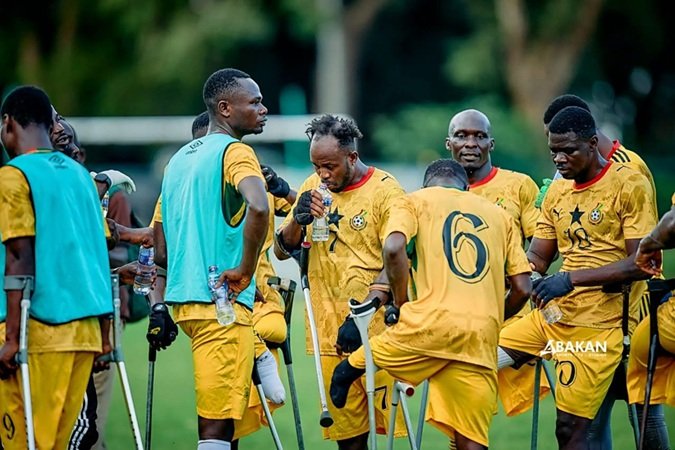
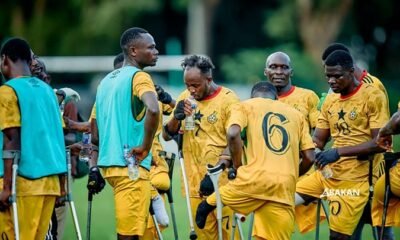
The two-time African champions take on Iraq on Monday, November 16, in their final Group D game at the 2026 WAFF Amputee Football World Cup in Mexico — and only a win will keep their hopes alive.
Stephen Richard Obeng’s side have just one point from two games. They opened their campaign with a 2-0 defeat to former world champions Angola, before fighting back to draw 1-1 with Colombia on Sunday.
That result gave them hope, but it has left them in a tight corner.
Angola and Colombia sit top of Group D with 4 points each. Ghana and Iraq are both on 1 point, which makes Monday’s clash a straight knockout for both teams.
Ghana must beat Iraq and hope for a favourable result in the Angola vs Colombia game. Even if they don’t finish in the top two, a win could still see them through as one of the best third-placed teams.
By Edem Mensah-Tsotorme