/home/u249204778/domains/spectator.com.gh/public_html/wp-content/themes/zox-news/parts/post-single.php on line 153
">
Warning: Undefined array key 0 in /home/u249204778/domains/spectator.com.gh/public_html/wp-content/themes/zox-news/parts/post-single.php on line 153
Warning: Attempt to read property "cat_name" on null in /home/u249204778/domains/spectator.com.gh/public_html/wp-content/themes/zox-news/parts/post-single.php on line 153
The Saga of being Ewe… (Part 3)

- /home/u249204778/domains/spectator.com.gh/public_html/wp-content/plugins/mvp-social-buttons/mvp-social-buttons.php on line 27
https://spectator.com.gh/wp-content/uploads/2022/06/Togbe-Afede-XIV-Pix-2.png&description=The Saga of being Ewe… (Part 3)', 'pinterestShare', 'width=750,height=350'); return false;" title="Pin This Post">
- Share
- Tweet /home/u249204778/domains/spectator.com.gh/public_html/wp-content/plugins/mvp-social-buttons/mvp-social-buttons.php on line 72
https://spectator.com.gh/wp-content/uploads/2022/06/Togbe-Afede-XIV-Pix-2.png&description=The Saga of being Ewe… (Part 3)', 'pinterestShare', 'width=750,height=350'); return false;" title="Pin This Post">
What the Speaker put on is normally worn by people from Ewe and Ga-Dangbe areas of Ghana. Akans traditionally do not put on jumper under their cloth. That he wore something not from his area speaks volumes for Mr. Bagbin as a nationalist. However, the crown is normally worn by royals. Speaking of royals brings me to our chiefs.
The Ewe respect their chiefs, except in areas where people usurp the stool either by chicanery or through influence peddling. This is normally done by people who either turn tradition on its head and hold no legitimacy to the stool. Stories of this nature abound, not only in the Volta Region, but in other regions as well
Because the Volta Region is not seen as endowed as compared with other regions, some of our chiefs take up formal employment in government service or private sector in other areas, thus are back home mostly when tradition demands. But there are laid down protocols the people follow in the absence of Torgbewo/Torgbuiwo.
A unique opportunity has been foisted on Ewe chiefs by the creation of the Oti Region. While the former Volta Region had diverse ethnic groups, the current Volta is entirely Ewe. Though I personally prefer a united region with people of diverse ethnicity, the Ewe must take the challenge now to forge a cohesive and united Eweland. And this must be spearheaded by our chiefs, not politicians.
It was in light of this that I felt scandalised when a viral video showed one of our chiefs, in a meeting with the President, was virtually begging the President for a personal car. I know for a fact that some chiefs all over the country make personal demands on the presidency when there is a chance meeting as in the above situation.
Chiefs are custodians of our culture and heritage. Under no circumstances should they pander to the whims of politicians. The reason politicians first call on our chiefs before meeting with the people in their areas is because they know the authority and power wielded by our chiefs in their areas of influence. Our chiefs must let the politicians know, and openly too, what is needed in their traditional areas and get these politicians to address them. That is the surest way to get respect from our politicians.
Because of the hardship we suffered at the hands of the tyrant King Agorkorli after we settled at Notsie from Ketu in South-Western Nigeria, the Ewe are resilient and disciplined people, even till today. It is an abomination to covet what is not yours. Punishment for such things back in the day was instant. As a result, Ewe chiefs are installed after careful character scrutiny. In Anlɔ area, for example, chiefs are not destooled; they simply are taken South. This tells of the uprightness of the Ewe. This does not in any way suggest that there are no deviant characters among the people. There is a “mensem” (troublesome person) in every society, not so? You cannot have everyone pious, honest and upright.
But who are the Ewe? They are found within the boundaries of Nigeria, Benin, Togo and Ghana. There are three major Ewe groups in Ghana. These are Anlɔ, Eυedome and Tongu. There are sub-groups within the major ones. Due to the spread across vast areas and mixing with other ethnic groups, dialects developed in the language. The three major Ewe groups speak different dialects from one another. The Ewe spoken in Ghana is different from that in Togo, which is also different from that in Benin and Nigeria. It is like Akuapem Twi, Asante Twi and perhaps Fante.
I read a document that says Akan is also spoken in three countries or so. That is true, so why are the Ewe said to be foreigners in Ghana? We all moved from somewhere to where we are now. It is a historical fact that the Guan are the oldest people to have been in this country. The rest of us came later.
I am a very proud Voltaian (not Voltarian, because Volta is not spelt with ‘r’ at the end). No one can take this from me even if my birthplace of Koforidua holds a pride-of-place in my heart and as a citizen of New Juaben.
I would love to see the Volta Region develop with our respected chiefs spearheading the developmental agenda. In my estimation, politicians have created more problems for Ghana than they have ever solved. This is compounded for Volta because it has been tagged as the World Bank of a political party. We cannot be the pawns on the politician’s chessboard; and we expect our chiefs to make this loud and clear to them.
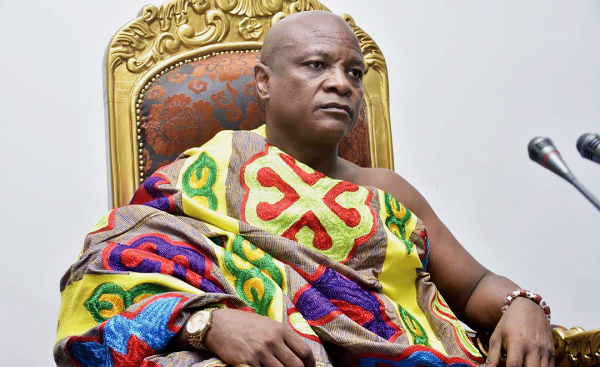
That Togbe Afede XIV, the Agbogbomefia of Asogli, returned over GH¢365,000 to government chest is not necessarily because he is a chief, but because he is basically Ewe whose DNA is not to covet what he believes he is not deserving of. However, being a chief has given him the filip to lead by example. Akpe na Togbe.
Volta needs a strong, dynamic and leadership-driven House of Chiefs to steer the development programmes for the region. This is where I want to publicly take umbrage to the fact that I wrote a letter dated March 15, 2021 to the Volta Region House of Chiefs and posted under registered cover, but till date, receipt of that letter has not been acknowledged.
The letter contained a tonne of proposals to move the region forward. I even sent a digital copy through the House’s email address. To make the letter public will be a slap in the face of Togbewo/Torgbuiwo because as a royal myself, I know what that step entails.
Note that I address the chiefs as Togbewo/Torgbuiwo. The simple explanation is that Eυedome call their chiefs Togbe and the rest say Torgbui. So it is appropriate to do it right.
Each one has their history and story to tell. Tell it and be truthful and factual about it without recourse to vilification of others in an attempt to demonise other people. It takes this country nowhere. It gives me immense pride that at least two universities in Germany have faculties for the study of Ewe language. I should be more proud if other Ghanaian languages are studied outside of our shores.
I am particularly scandalised by a voice clip making the rounds that caught Mr. Yaw Osafo Maafo clearly discounting Asante involvement in our independence struggle. What purpose is it supposed to serve? Pit Akyem against Asante? And these are Akan from same roots. It took an innocuous comment to set Rwanda ablaze in 1994 in which close to a million people lost their lives. I have been there and that must not happen here.
Meanwhile, both Hutus and Tutsis speak the same language called Kenyarwanda. With the advancement of technology, even walls have ears and can pick the slightest sound we make. I have always stated that what politicians do not say in public is rather the news; not what they say into the microphones. Our Asante compatriots are livid, and justifiably so. I pray for cool heads in these trying times.
After all, Ghana is all we have.
Writer’s email address
akofa45@yahoo.com
By Dr. Akofa K. Segbefia

Warning: Undefined array key 0 in /home/u249204778/domains/spectator.com.gh/public_html/wp-content/themes/zox-news/parts/post-single.php on line 493
Warning: Attempt to read property "cat_ID" on null in /home/u249204778/domains/spectator.com.gh/public_html/wp-content/themes/zox-news/parts/post-single.php on line 493

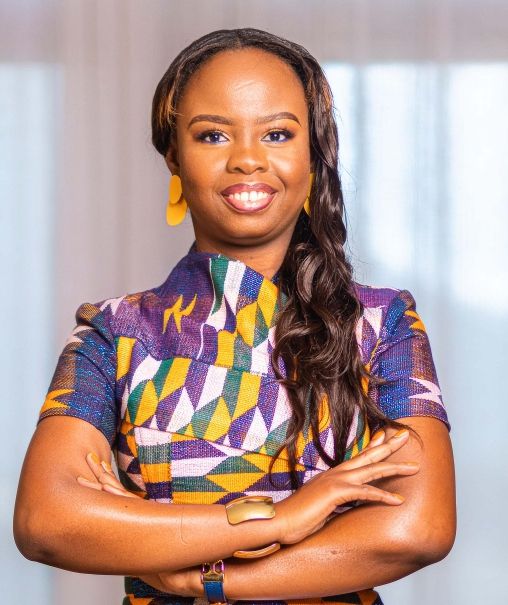
For Dr Penelope Adinku, becoming Ghana’s first female cardiothoracic surgeon was never part of her childhood plans. As a young girl, she was more interested in books and once dreamed of becoming an author of children’s books.
Reserved, bookish and competitive, she loved reading Enid Blyton, Nancy Drew, the Hardy Boys, The Famous Five and The Babysitters Club. She also enjoyed dancing, while church gradually became an important part of her life.
Medicine became an option through her family. Her father, Mr Ambrose Tettey, is a pharmacist and her mother is a teacher. Her immediate older sister entered medical school before her, and watching her journey, together with the encouragement of her parents, eventually influenced Dr Adinku to pursue medicine.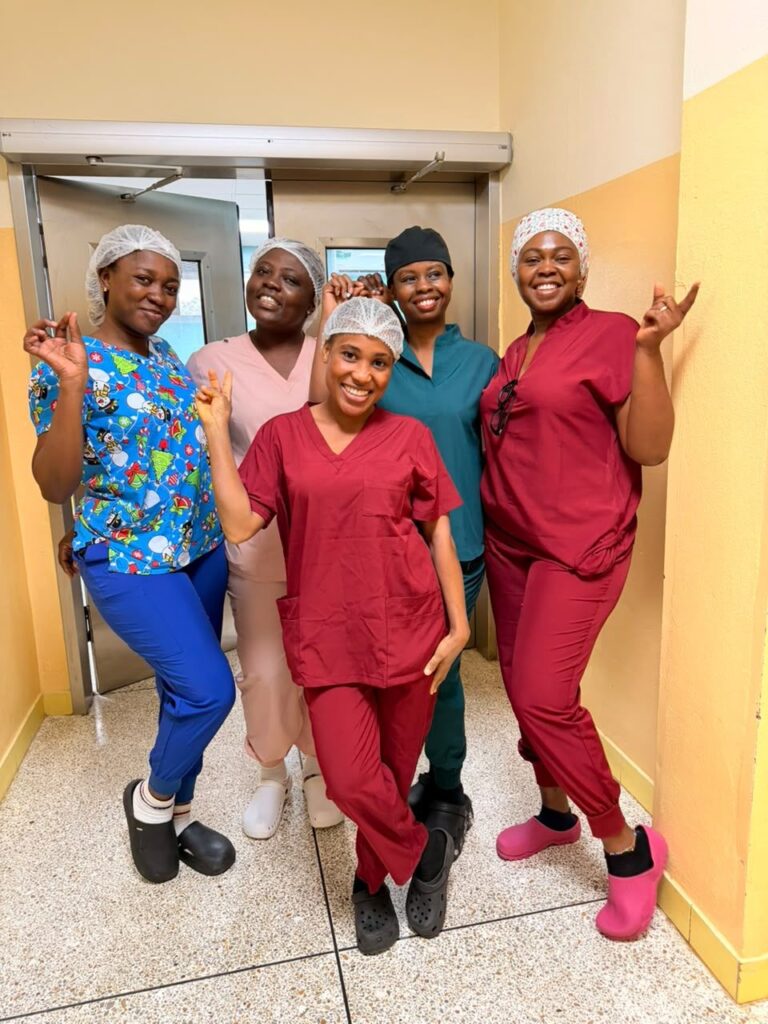
Her earliest memories of hospitals were, interestingly, linked to recovery. Whenever she was admitted as a child, her parents knew she was improving when she would tell her father, “Daddy, I can spell…”
She eventually discovered her passion for surgery during her final year of medical school. While rotating through the Department of Surgery, she watched surgeons treat patients and realised that she wanted to become one.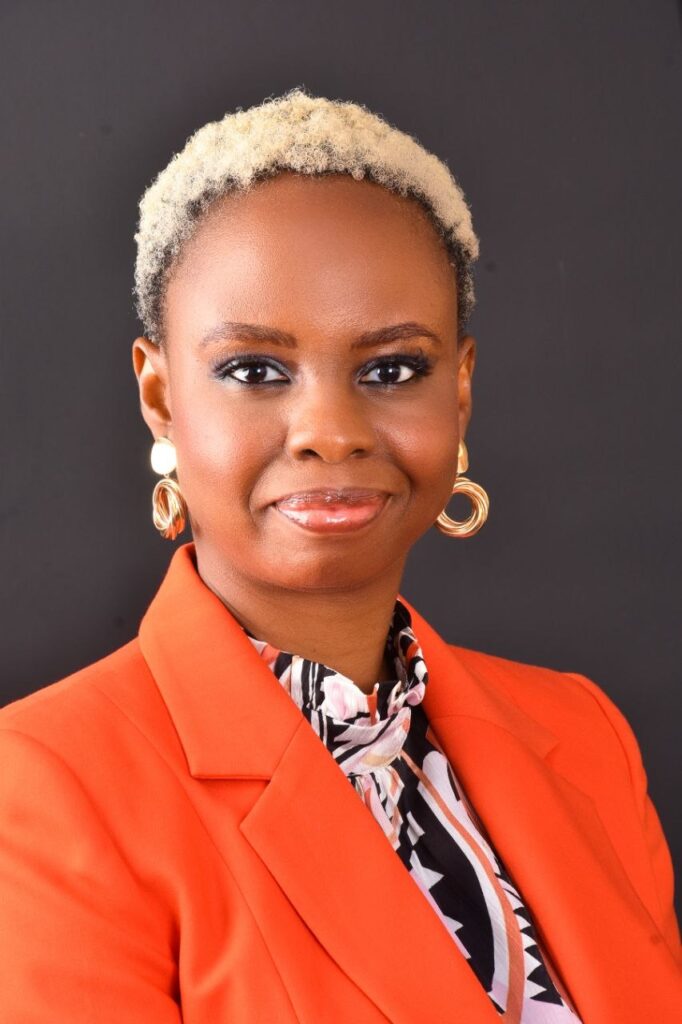
Her interest in cardiothoracic surgery grew during her housemanship in paediatrics, where she encountered children with congenital heart disease. She developed a desire to help such children, drawing her towards the highly specialised field.
The decision was not without resistance. Some health professionals discouraged her because of the demanding nature of cardiothoracic surgery. Her family, however, encouraged her to continue. “They had more faith in me than I had in myself at the time,” she recalls.
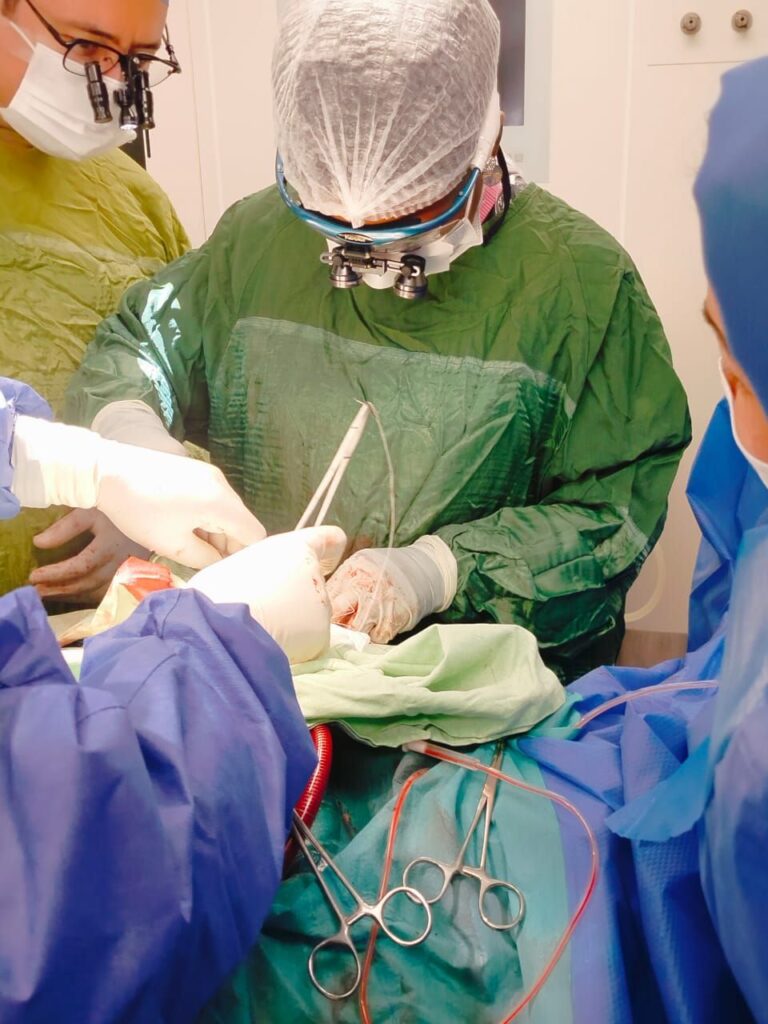
What attracted her most was the challenge and the opportunity to intervene when vital organs such as the heart and lungs are compromised. For her, it was the privilege of using her God-given ability to give someone a chance at a healthier and longer life.
Her journey was shaped by navigating a specialty that has traditionally been male-dominated. She learnt to focus on her work, build trust and let her results speak for themselves.
During her clinical fellowship in Egypt, encouraging consultants gave her opportunities to participate in major cases. The experience strengthened her confidence and helped her realise that she could thrive in the specialty.
She successfully completed her Fellowship training with the West African College of Surgeons and was adjudged the best candidate in Cardiothoracic Surgery at the 2022 Fellowship Examinations, becoming the first Ghanaian female cardiothoracic surgeon.
For Dr Adinku, the achievement is more than a title. She hopes her story will inspire young Ghanaian girls and women to pursue careers that may appear unconventional.
“If a young girl sees my story and thinks she can pursue her own dream too,’ then that is deeply meaningful to me,” she says.
Her work extends beyond surgery. She is involved in research, medical education, mentorship and professional leadership. She is a member of the Ghanaian Society of Cardiovascular and Thoracic Surgeons and serves as its Treasurer.
Her achievements have earned her the IAP Young Physician Leader Award, the Young Star Award and the Valerie Rusch Mentored Career Development Award from the American Association for Thoracic Surgery.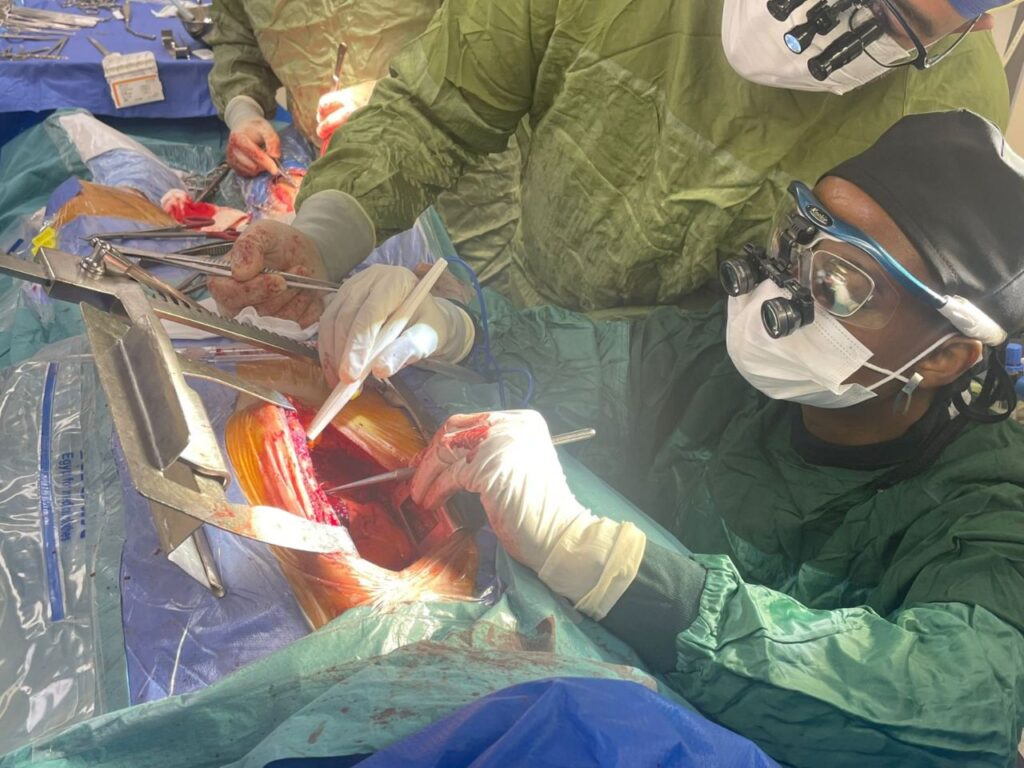
For her, standing before a patient whose life depends on surgery brings a profound sense of responsibility. She remains focused and humble, recognising that behind every patient is a family hoping for a safe outcome. Her faith helps her trust God with what remains beyond her control.
When an operation does not have the desired outcome, she acknowledges the disappointment, reflects on what happened and discusses difficult cases with senior colleagues and her team. She then moves forward, committed to giving the next patient the same level of care.
Balancing such a demanding career with family life has not always been easy. Dr Adinku credits her supportive family and friends for helping her through the journey. Outside the hospital, she makes time for family, faith, church and activities that keep her grounded.
She is particularly grateful to her husband, Rev. Ernest Adinku; her parents, Mr and Mrs Ambrose Tettey; her sisters Gertrude, Grace-Imelda and Audrey-Jacqueline and their families; her mentors, close friends, the Wesley Girls High School Sisterhood, past and present directors of the National Cardiothoracic Centre, and colleagues who have supported her.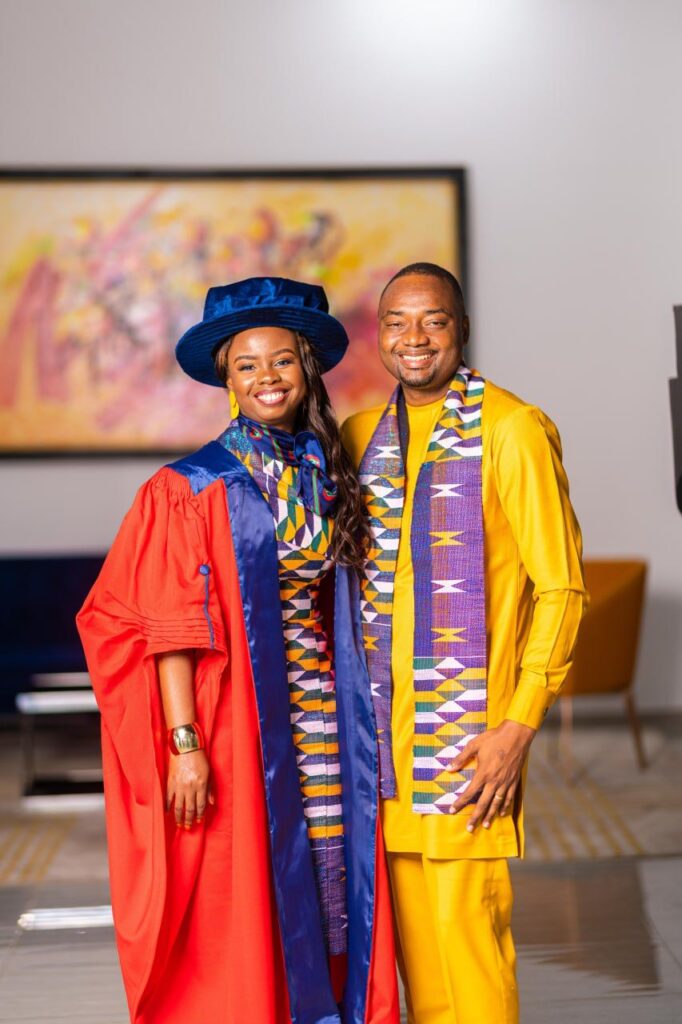
She urged young girls to believe in themselves, work hard, learn, ask questions and keep improving.
“There will be people who doubt you, and there may also be times when you doubt yourself,” she says. “Don’t disqualify yourself before you have even had the chance to try. You may be capable of far more than you currently believe.”
By Esinam Jemima Kuatsinu
SKIP THE QUEUE, TAP THE NEWS
You can now read the Ghanaian Times and The Spectator newspapers from the comfort of your device via TimesNewsPlus.
Join our WhatsApp Channel: https://whatsapp.com/channel/0029VbBElzjInlqHhl1aTU27
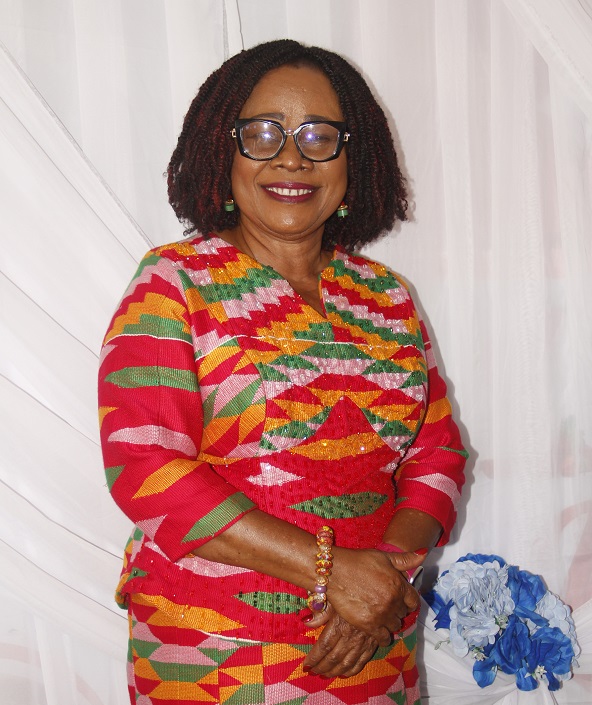
A nine-member board for the New Times Corporation (NTC), publishers of The Ghanaian Times and The Spectator newspapers was sworn into office on Thursday with a call to strengthen the governance of the Corporation.![Dr. Binka (seated second from right) with Dr Okpoti [right] the board and Management of NTC photos Okai Elizabeth.](https://spectator.com.gh/wp-content/uploads/2026/08/Dr.-Binka-seated-second-from-right-with-Dr-Okpoti-right-the-board-and-Management-of-NTC-photos-Okai-Elizabeth-1024x683.jpg)
The new NTC board is chaired by Dr Charity Binka and has Very Rev. Helena Amma Serwah Opoku-Sarkodie, Mr Tito Kojo Voegborlo Esq and Naana Aklerh Amenyah Kubi I as members. Read More
SKIP THE QUEUE, TAP THE NEWS
You can now read the Ghanaian Times and The Spectator newspapers from the comfort of your device via TimesNewsPlus.
Join our WhatsApp Channel: https://whatsapp.com/channel/0029VbBElzjInlqHhl1aTU27