Editorial
The marvel of cassava leaves

Cassava leaf consumption was just not part of traditional Ghanaian culture, and as Dr. Kwaku Owona Hwesofour Asante, a Research Scientist at the CSIR-Crops Research Institute (CRI), has noted, the hurdle to adopting this resource is cultural rather than environmental or economic.
The crop has only been viewed through the lens of its starchy root for many centuries. In the meantime, our West African neighbours’ cuisine has traditionally featured cassava leaves.
Ghana’s eating and cooking customs need to change. These leaves have an astounding crude protein content of 17 percent to 38 percent on a dry weight basis. Even more impressively, they provide more than 10 of the essential amino acids required by the human body for tissue growth and health maintenance.
According to Dr. Asante’s striking and indisputable comparison, eating correctly prepared cassava leaves is biologically similar to eating fish or eggs for protein
Ignoring a free, plentiful, environmentally friendly alternative is a luxury we can no longer afford in a nation where the typical household’s cost of animal and fish proteins is rising. The private sector has a strong business argument that goes beyond public health.
These days, agriculture has to adjust to resource scarcity and climate change. A cyclical agro-economy is defined by the use of cassava leaves. A farmer can practically double their yield without purchasing an additional metre of land, using more water, or clearing more forests by harvesting the leaf canopy in addition to the underground root.
Although there are naturally occurring cyanogenic chemicals in raw cassava leaves, this issue has previously been resolved by science. The toxicity is completely neutralised by pounding and boiling the leaves for approximately 15 to 20 minutes, making them completely safe.
Aggressive private enterprise is made possible by his predictable processing pathway. It is simple to commercialise processed leaves as nutrient-dense cattle feed concentrates, dry protein powders for dietary supplements, or frozen culinary greens.
An Appeal for Legislative Action By demonstrating the science and charting the financial advantages, researchers at the CSIR-CRI have done the tough lifting. They have already briefed important decision-makers. The government’s leadership now has complete control over the situation.
The Spectator feels that the Ministry of Food and Agriculture (MoFA) and the Ministry of Gender, Children, and Social Protection (MGCSP) need to take action in order to transform this overlooked treasure into a national asset.
Consumption of cassava leaf should be purposefully incorporated into national food initiatives like the Ghana School Feeding Programme (GSFP). The government can simultaneously enhance children nutrition and provide rural farmers with new sources of income by establishing an institutional market for the leaves.
We can no longer afford to let literally tons of premium protein to spoil in our crops. It is time to look above the ground, see the green gold that is looking back at us, and fully use Ghana’s cassava canopy.

Dear Editor,
I wish to draw the attention of the relevant authorities to the poor state of the railway crossing area of the Neoplan Station, near Kwame Nkrumah Circle in Accra, which is increasingly disrupting the smooth flow of traffic.
The damaged section of the road has become a major inconvenience to motorists, as vehicles are forced to slow down considerably when approaching the crossing to avoid damaging their tyres, wheels and suspension systems.
This situation causes unnecessary delays, particularly during peak hours when traffic volumes are high.
The crossing is an important route for commuters and commercial drivers who use the Circle area to connect to other parts of the capital.
The deteriorating road surface therefore affects not only individual motorists but also the general movement of vehicles through this busy transport hub.
Beyond the inconvenience, the situation could increase the risk of minor accidents as drivers brake suddenly or attempt to manoeuvre around damaged portions of the road.
I respectfully appeal to the Department of Urban Roads, the Accra Metropolitan Assembly and other relevant agencies to inspect the affected section and undertake urgent repairs to restore the smooth movement of traffic.
Timely intervention will reduce delays, improve road safety and make commuting through the Circle area more convenient.
Yours faithfully,
Concerned Citizen
SKIP THE QUEUE, TAP THE NEWS
You can now read the Ghanaian Times and The Spectator newspapers from the comfort of your device via TimesNewsPlus.
Join our WhatsApp Channel: https://whatsapp.com/channel/0029VbBElzjInlqHhl1aTU27
Dear Editor,
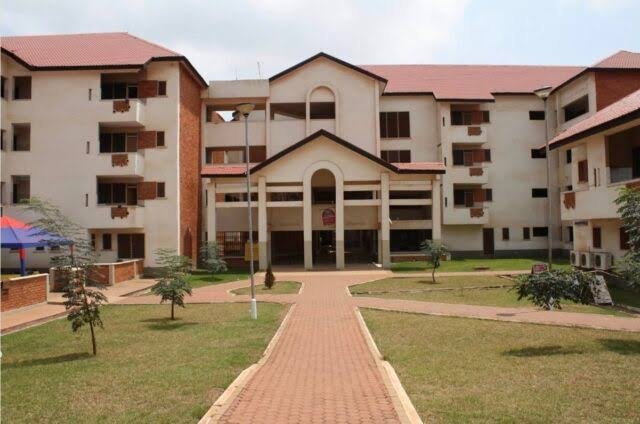
I wish to draw the attention of the authorities and the general public to the increasing cost of hostel accommodation, particularly for students in tertiary institutions.
The high cost of hostels has become a serious challenge for many students and their parents.
In some areas, hostel fees have increased significantly, making it difficult for students from low- and middle-income families to secure decent accommodation.
Apart from the hostel fees, students also have to pay for transportation, food, learning materials and other academic needs.
The rising cost of accommodation therefore puts additional financial pressure on families and, in some cases, forces students to live in overcrowded or poorly maintained facilities.
I believe hostel owners and relevant authorities must work together to ensure that accommodation remains affordable while maintaining acceptable standards.
Tertiary institutions should also consider expanding student accommodation and encouraging affordable private hostel projects.
The government and local authorities could further support the development of low-cost student accommodation through appropriate policies and incentives.
I therefore appeal to the Ministry of Education, tertiary institutions and other stakeholders to treat the issue as a matter of urgency.
Affordable and decent accommodation is essential to creating a conducive environment for students to study and succeed.
This has in a way also empowered the private people in the accommodation sector to take undue advantage of the situation to charge exorbitant rates for their services.
Kwame Ampiaw,
Accra
SKIP THE QUEUE, TAP THE NEWS
You can now read the Ghanaian Times and The Spectator newspapers from the comfort of your device via TimesNewsPlus.
Join our WhatsApp Channel: https://whatsapp.com/channel/0029VbBElzjInlqHhl1aTU27