Entertainment
Temi Otedola now Fintech ambassador

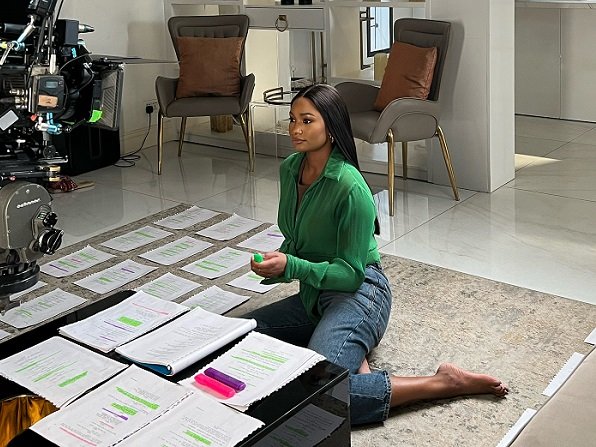
• Temi Otedola posses for the camera
Actress and media personality, Temi Otedola, has ventured into the tech world after she was announced as a Fintech ambassador following sealing deal with Bamboo, a Nigerian Start-up.
This announcement comes a few months after the release of Temi Otedola’s latest Nollywood feature film titled, The Man for the Job on Amazon Prime Video.
In the movie which was directed by Niyi Akinmolayan, the actress, Temi Otedola embodied the role of an IT genius within Lagos colourful and contemporary fintech era.
The inspiration from the director made her dive deep into the tech industry in immersing herself in her character.
According to Temi on the Bamboo deal, she is often inspired by people who are doing big and bold things, adding that “With this Bamboo ambassadorship, I hope to encourage other Nigerian youth to take up the issues of investments and lead them to entrepreneurial success.”
Currently available in Nigeria and Ghana, Bamboo is an app dedicated to helping Africans build wealth from the ground up by offering easy, secure, and reliable access to above-inflation returns through investments in publicly listed US companies.
Temi has established herself as Nollywood’s rising star with stings with broadcasting and fashion.
She has previously worked with top-tier international luxury brands, including Gucci, Bulgari, Estee Lauder and more.
In the last few years, she has made waves in the award-winning Netflix Original ‘Citation’, ‘The Man for the Job’ and, most recently, her performance in her stage debut in ‘Motherland the Musical’ shot her to Nollywood stardom



Award-winning Ghanaian musician, Michael Owusu Addo, affectionately called Sarkodie has described his annual event, Rapperholic concert as bigger than just a music event, highlighting its significant economic impact.
In a post after a successful Rapperholic edition in Kumasi, the rapper noted that the concert stimulates economic activity across Kumasi, Accra and the wider Ghanaian economy.
According to him, this is driven through tourism, hospitality, transportation, food, fashion, media, advertising, employment and the creative supply chain.
“The economic value of this concert extends far beyond ticket sales. It includes visitor spending, revenue for local businesses, temporary jobs created, suppliers paid and the future tourism and commercial opportunities generated by the event,” he stated.
Sarkodie called on government and the private sector to seize the opportunity to build an ecosystem where Ghanaian entertainment generates measurable economic value, supports businesses, creates jobs and attracts visitors.
“Let’s invest in our creative economy. The potential goes far beyond the stage,” he added.
By Edem Mensah-Tsotorme

Multiple award-winning dancehall artiste Emmanuel Andrew Samini popularly known as Samini is set to return to his Dansoman base with the much-anticipated Samini Experience on December 24.
The musician, who has nurtured top talents from the community in the past, says this year’s edition will be held in collaboration with the Dansoman Homecoming Carnival, to make the event bigger.
Speaking to the media at Kegali Hotel during a press launch on Friday, October 16, Samini said activities including a clean-up exercise, health walk, Children’s Day and games will take place from December 18 ahead of the main event.
According to him, the choice of Dansoman is to give back to the community where it all started.
He added that the event was also aimed at nurturing future talents by giving them a platform to showcase their abilities.
He disclosed that some music legends from Dansoman and other big names in the music industry will be on the bill to thrill patrons.
Samini also revealed that the Dansoman Exhibition streets will be blocked to make way for the unforgettable night of music.
He expressed appreciation to the Ablekuma West Municipal Assembly for their collaboration to ensure the success of the programme.
By Edem Mensah-Tsotorme
SKIP THE QUEUE, TAP THE NEWS
Read Daily News
You can now read the Ghanaian Times and The Spectator newspapers from the comfort of your device via TimesNewsPlus.
Buy Maps
Join our WhatsApp Channel: https://whatsapp.com/channel/0029VbBElzjInlqHhl1aTU27