Health Essentials
Taming the ‘Silent Killer’: The place of exercise in management of high blood pressure

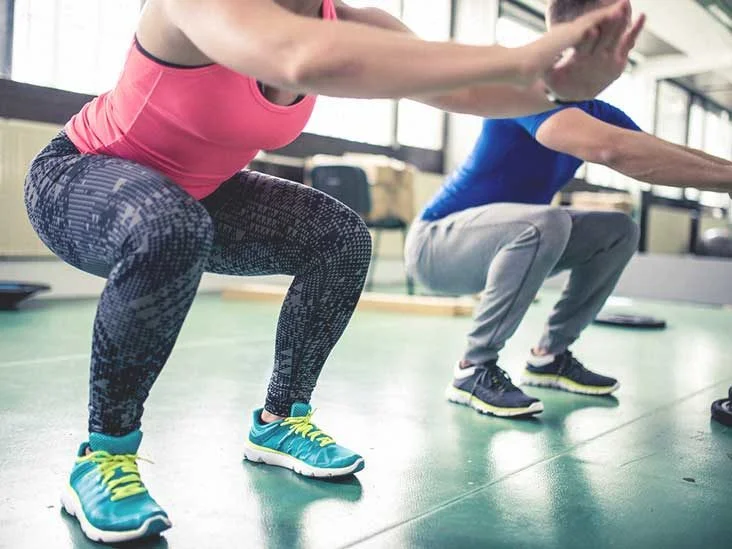
Squating helps to reduce blood pressure
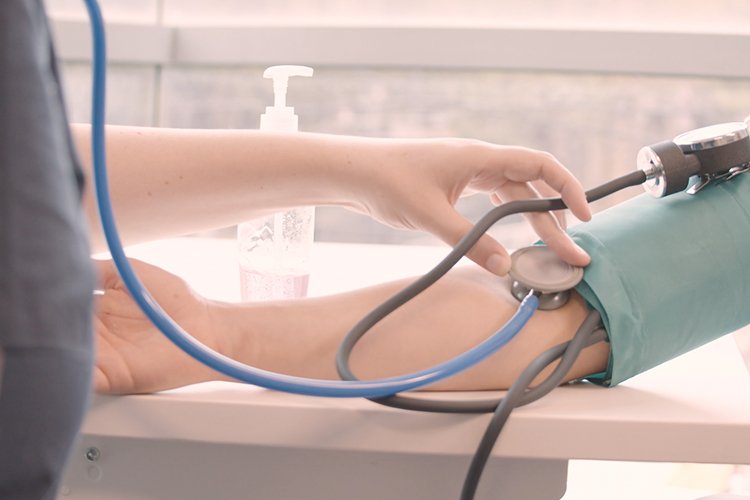
High blood pressure (hypertension) is often referred to as “the silent killer” because though it may be causing a lot of harm to your body, one may be feeling perfectly well. Hypertension can only be diagnosed by taking blood pressure readings and one should not depend on the presence of symptoms before checking.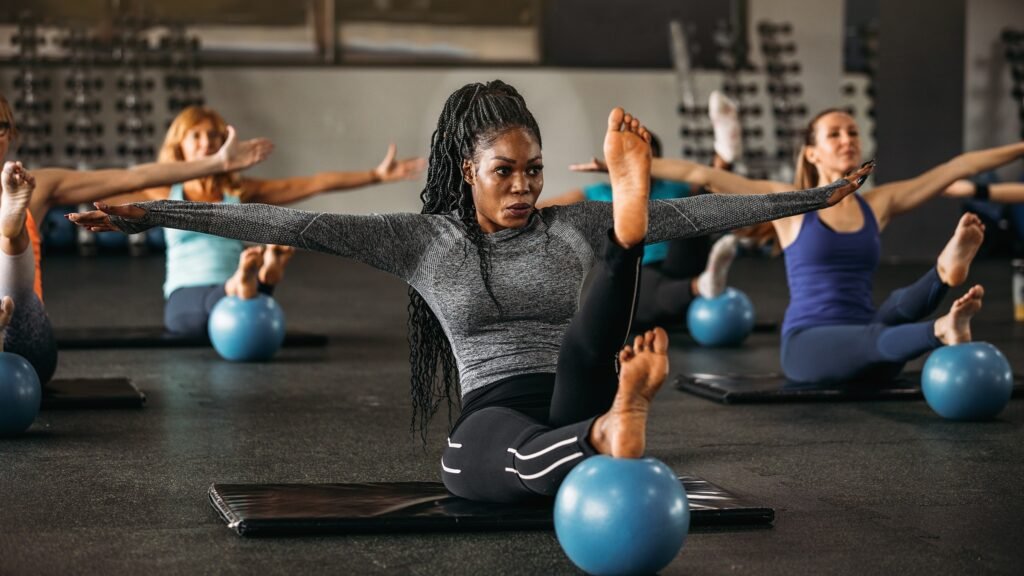
Hypertension is best managed by combining life-style modifications (exercise and dietary modifications) and medications. For certain blood pressure readings, your healthcare professional will start you on only dietary modifications, exercise and stress management. There are currently many effective medications but without the appropriate life-style changes, your doses and number of medications will be increased over a period to control your blood pressure and reduce the incidence of complications. Increasing the dose and types of drugs also come with an increase of drug side-effects and drug-drug interactions.
Suggestions made here only act as guidelines, only your healthcare professional together with a qualified fitness therapist can recommend the appropriate exercises. It is highly recommended that you get a clearance from your doctor before starting any exercise programme.
Life-style modifications to help manage hypertension:
● Exercise
● No smoking
● Limited (or no) alcohol consumption
● DASH (dietary approaches to stop hypertension) diet : low sodium(salt), increased potassium from fruit and vegetables, low or no saturated fats and increased fibre
● Fat (weight) loss
● Stress management(debatable)
Exercise plays a vital role in the management of hypertension. There are three broad categories of exercise and all of these are vital in the wellbeing of an individual and the lowering of blood pressure
● Aerobics – Moderate intensity aerobic exercise improves cardiac function and lowers blood pressure
● Strength training – Increases endurance, reduces heart’s demands during daily activities, helps to reduce blood pressure at rest, makes client stronger and reduces stress
● Stretching – Plays a complementary role by increasing tendon flexibility, improving joint ROM and function and hence incidence of injury that can cause pain and increase blood pressure. It also enhances muscular performance.
Warm Up and Cool Down: Warming up will take 5-10 minutes each session and should be done religiously. Warming up is the process of preparing the body for more vigorous exercise. It should be gradual and one only needs to break into a light sweat. Cool down should also be long to ensure heart rate etc returns to close to normal levels. Warm up and cool down are extremely important in every exercise regime and more so in one with hypertension or heart disease. NEVER start or end any exercise session without these two.
Certain high blood pressure readings may require rest for a while before exercising. You may need to avoid certain exercises such as abdominal exercises since they cause an increase in intra-abdominal pressure (valsava) and probably blood pressure. In certain cases you may need to avoid strength training or weight training briefly and concentrate on aerobic or cardiovascular exercise such as walking, cycling, treadmill etc. and flexibility exercises.
Many people are wary of weight training or strength training, especially adults with high blood pressure but as stated earlier, this form of exercise also plays a vital role in managing high blood pressure. It is important to note the following:
● Avoid exercises that require lifting weights above the head; supine exercises preferred
● Limit the number of sets and repetitions for upper body exercises e.g. arms, chest, shoulders etc
● Increase or maximise the number of repetitions and sets for lower body exercises such as squats for thighs etc since these tend to help reduce blood pressure through a complex mechanism including peripheral pooling of blood just after exercising
It is important to note that when exercising to control blood pressure (like in all other cases) one needs to start gradually and increase the duration and type of exercises over a period. The rule of thumb is to listen to your body at all times – NO PAIN NO GAIN IS INSANE!!!!
By Dr. Kojo Cobba Essel
Medical Doctor & Fitness Therapist
Health Essentials Ghana
https://healthessentialsgh.com


The conventional wisdom has always been that we should all strive to keep our blood pressure low. Even though this is true, having really low blood pressure can be dangerous, as it can impair your body’s ability to absorb oxygen, resulting in damage to the heart and brain.
Low blood pressure is when your blood pressure reading is lower than 90 millimeters of mercury (mm Hg) for the top number (systolic) or 60 mm Hg for the bottom number (diastolic).
Low blood pressure (also known as hypotension) can occur in anyone, though it may be more common depending on your age or other risk factors: genetic makeup, taking certain medications, and having certain diseases (diabetes, heart conditions).
The cause of low blood pressure isn’t always clear. However, it may be associated with the following:
- pregnancy
- hormonal problems
- some over-the-counter and prescription medications
- heart failure
- abnormal heart rhythms
- widening or dilation of the blood vessels
- heatstroke
- liver disease
- loss of blood from bleeding
- low or high body temperature
- a severe blood infection
- severe dehydration from vomiting, diarrhea, burns or fever
- a reaction to medication or alcohol
A sudden drop in blood pressure robs the brain of adequate blood supply. This can lead to dizziness or lightheadedness. Other symptoms include fainting, blurred vision, nausea, fatigue, lack of concentration, and in extreme conditions shock.
If you experience any of the above symptoms, seek emergency medical attention as it is important to determine the cause of low blood pressure so appropriate treatment can be given.
Some people are known to take alcohol in an attempt to increase their blood pressure but that is a path I will not recommend. Others opt for caffeinated drinks like coffee and tea. Caffeine can increase blood pressure due to peripheral pooling of blood and may cause complications.
Dr Kojo Essel often recommends that one engages in exercise, which is your best “weapon to normalise blood pressure.”
Quite often when one has low blood pressure, standing still for long periods of time can cause a further drop. In such people, Dr Essel highly recommends taking several steps even if standing in one place to help maintain blood pressure at a safe level.
Other ways of managing low blood pressure are:
- adding a little salt to food (do this with caution to avoid excesses and downsides of increased salt intake)
- increase water (other fluids) intake to increase blood volume
- may need to wear compression stockings in extreme situations
- some may require medication
- pay attention to body positions; do not move quickly from sitting to standing position for instance
- eat small portions of food at a time
- exercise should be a combination of strength training and cardiovascular exercise that increases heart rate
As always: laugh often, ensure hygiene, walk and pray every day, and remember it’s a priceless gift to know your numbers (blood sugar, blood pressure, blood cholesterol, BMI).
Source:
Maureen Masopeh, Content Creator (Health Essentials Ltd)
References:
- Dr Kojo Cobba Essel; Unravelling the Essentials of Health and Wealth
- Mayoclinic; Low Blood Pressure (Hypotension)
- WebMD
By Dr Kojo Cobba Essel
Join our WhatsApp Channel now!
https://whatsapp.com/channel/0029VbBElzjInlqHhl1aTU27

IF you truly love yourself, you had better read this piece while standing!
The other “inactivity” that rivals sitting for long periods when it comes to poor health and untimely death is LONLINESS! Sitting and Loneliness are the new Smoking.
It is often common to hear a parent tell a child, “Sit quietly and watch television and I will make a quick dash to town.” Well, this harmless and well-meaning statement is now being vilified. That parent could have said “smoke a few sticks of cigarettes while I dash off to town.” Yes “sitting is the “new” smoking.”
Scientists: they keep coming up with many weird findings and unfortunately, we realise after much ado that they may be right. People with sitting jobs have twice the rate of cardiovascular (heart & blood vessel) diseases as those with standing jobs – the bankers are cringing in their seats I bet.
It appears that compared to sitting,
• Sitting continuously brings similar challenges that smoking poses a gossip team. After an hour of sitting, if you walk for a minute or two.
Standing is hard work. Imagine that you need to engage many muscles to stand upright, and this burns energy. Sitting on the other hand is extremely relaxing.
When we sit, the “physiology of inactivity” kicks in and when we think we are relaxing in a chair made from heaven, our body instead rewards us with many bad things; enzymes that break down fat may drop by about 90 per cent calorie burning drops to frightening low levels and soon good cholesterol that protects us also drops. If you sit long enough even your insulin effectiveness drops and you will be courting diabetes in the long run.
I sincerely believe in getting a workout during the day, but you should not think that it gives you a license to sit at your desk for hours on end. We should ensure that we get up from our desk to walk briefly or even stretch. I am not giving you an excuse for loitering around your office or forming ings. When you have a meeting with a handful of people you could lace your boots and start walking while you talk. Who knows being out of a box (office etc) could help you think “out of the box” or even think like “there is no box”. The best aspect of such a meeting is people are more attentive since they are unable to fidget with their smart phones and other gadgets.
All lectures and classes (children are really suffering in school these days) should have a “Heart Preserving” five-minute break after every hour. Spend that time walking and stretching.
All long movies should have commercial breaks that should be used to at least stand
Whenever in doubt, at least stand for a while.
Well some people are trying innovative ways of even having small treadmills at their desk that keeps them moving, others are adopting a new chair design that essentially makes you stand at your desk, a few others sit on exercise balls that forces them to adjust their positions all the time but for the rest of us simply taking breaks and using every opportunity to move is just what the doctor prescribed.
AS ALWAYS LAUGH OFTEN, ENSURE HYGIENE, WALK AND PRAY EVERY DAY AND REMEMBER IT’S A PRICELESS GIFT TO KNOW YOUR NUMBERS (blood sugar, blood pressure, blood cholesterol, BMI)
Dr. Kojo Cobba Essel
Health Essentials/Medics Clinic
(www.healthessentialsgh.com)
Dr. Essel is a medical doctor with a keen interest in Lifestyle Medicine, He holds an MBA and is ISSA certified in exercise therapy, fitness nutrition and corrective exercise. He is the author of the award-winning book, ‘Unravelling The Essentials of Health & Wealth.’
Thought for the week – For good heart health; exercise often, eat healthy, do not smoke, minimise alcohol and sit less
By Dr. Kojo Cobba Essel
Join our WhatsApp Channel now!
https://whatsapp.com/channel/0029VbBElzjInlqHhl1aTU27